Monday, 30 June 2025

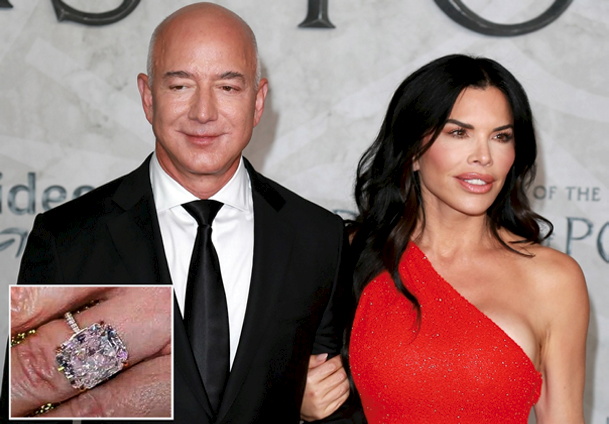
Bezos Gives Bride a $5m Pink Diamond

Jeff Bezos wed Lauren Sanchez in Venice

Amazon founder Jeff Bezos gave his new bride a pink 30-carat diamond engagement ring, valued at up to $5m.

He wed Lauren Sanchez in Venice, in a lavish three-day extravaganza (27 to 29 June) that reportedly cost $50m.

Bezos, worth an estimated $244bn, gave the ring to Sanchez, a journalist, philanthropist and helicopter pilot, when he proposed on his superyacht, Koru, two years ago.

The diamond, a cushion-cut pink diamond estimated to be about 30 carats, is set on a platinum band, secured by four prongs, with small stones set into the band and two pave halos. It was reportedly designed by US celebrity jeweler Lorraine Schwartz.

Experts put its value at $3m to $5m, depending on the exact specifications.

Sanchez reportedly wore an even larger white diamond at the wedding.

Bezos, aged 61, and Sanchez, 55, were both marrying for the second time.

Source: DCLA

Sunday, 29 June 2025

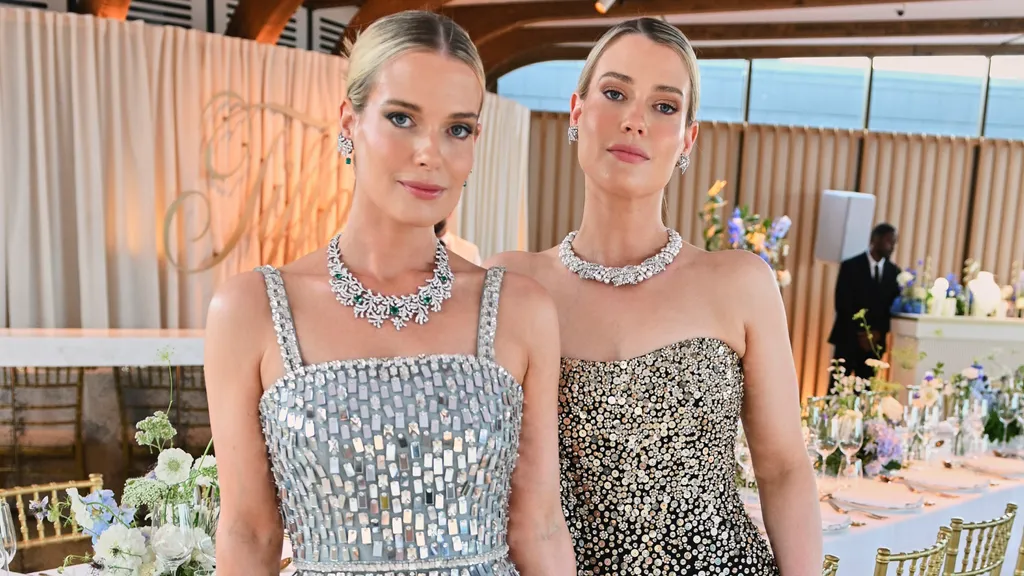
Diana’s Twin Nieces Stun in Over 150 Carats of Diamonds at Tiffany & Co. London Gala

Lady Amelia and Lady Eliza Spencer

Twin models and aristocrats Lady Amelia and Lady Eliza Spencer, nieces of the late Princess Diana, brought dazzling sophistication to Tiffany & Co.’s exclusive Blue Book High Jewellery Collection showcase, held atop The Harrods Helideck. The glamorous event marked one of London’s most prestigious evenings on the fine jewellery calendar, attended by fashion royalty and social elites alike.

The Spencer sisters, daughters of Earl Spencer, embodied modern British elegance as they arrived in bespoke Jenny Packham gowns paired with more than 150 carats of Tiffany & Co.’s finest high jewellery pieces—masterworks of exceptional diamond craftsmanship.

High Jewellery Spotlight:
Eliza Spencer captivated in a silver mirror-embellished gown, perfectly complemented by the Ocean Flora necklace—an intricate platinum masterpiece featuring five unenhanced emeralds totalling over 10 carats, and a staggering 1,351 round brilliant diamonds totalling more than 44 carats. According to Tiffany & Co., this single piece took over 1,500 hours of artisan craftsmanship to complete, a testament to the meticulous design and precision that defines high jewellery.

Amelia Spencer wore a striking strapless black and gold sequinned gown and adorned herself with the same Tiffany necklace that supermodel Miranda Kerr wore to the 2025 Met Gala. The piece—a platinum and 18k gold choker set with Akoya pearls and diamonds—features more than 50 carats of gemstones, reflecting Tiffany’s modern reinterpretation of timeless elegance. Her ensemble was completed with diamond cluster earrings and a compact Aspinal of London Micro Hat Box bag.

Red Carpet Elegance Continues:
Just one day earlier, the Spencer twins turned heads at the Serpentine Gallery Summer Party, wearing custom crimson gowns by Anamika Khanna Couture and showcasing statement diamond pieces by legendary Swiss house, Chatila. The event came just days ahead of the 31st anniversary of Princess Diana’s iconic appearance at the same venue—an enduring moment in royal fashion history.

A Legacy of Diamonds and Royal Style:
The Spencer twins continue to honour their family’s legacy with graceful nods to their late aunt’s legendary style, but they are carving their own path in the fashion and jewellery world. Their presence at Tiffany’s high jewellery presentation not only highlighted the next generation of aristocratic style icons, but also reaffirmed the role of exceptional diamonds in telling modern luxury stories.


At DCLA, we celebrate the enduring art of fine diamond craftsmanship. For more on gemological excellence and rare diamond showcases, stay connected to DCLA News.

Source: DCLA

Thursday, 26 June 2025

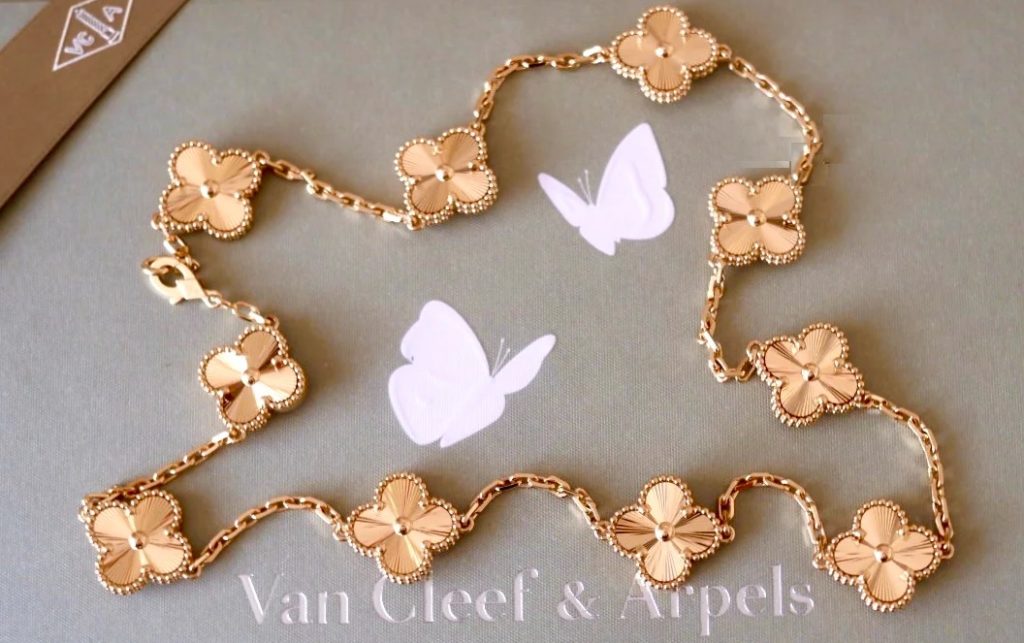
Seized: $25m of Fake Cartier and Van Cleef and Arpels Jewelry

Seized: $25m of Fake Cartier and Van Cleef and Arpels Jewelry

US customs officers seized five shipments of counterfeit Cartier and Van Cleef and Arpels jewelry mostly from China, with a combined “if genuine” value of over $25m.

Almost 2,200 items – rings, earrings, bracelets, and necklaces – were intercepted by Customs and Border Protection (CBP) officers in Louisville, Kentucky, as they arrived in the country.

The first shipment arrived from China on 19 June, heading to a residence in Pennsylvania. Officers seized 318 bracelets with fake Cartier trademarks.

The second arrived the same day from Hong Kong, destined for a residence in Tampa with 490 necklaces, 205 pair of earrings, and 80 rings, all with fake Van Cleef and Arpels trademarks.

Three more shipments arrived from China the following day containing 800 “Cartier” bracelets. Two shipments were heading to a residence in Fayetteville, North Carolina, the other was heading to Michigan.

The 2,193 items were deemed to bear counterfeit marks,” the CBP said. “Had these goods been genuine, the five shipments would have had a combined manufacturer’s suggested retail price of over $25.32m.”

LaFonda D. Sutton-Burke, director of field operations, Chicago field office, said: “Intellectual property theft threatens America’s economic vitality and funds criminal activities and organized crime.

“When consumers purchase counterfeit goods, legitimate companies lose revenue, which can force those companies to cut jobs. Our officers are dedicated to protecting private industry and consumers by removing these kinds of shipments from our commerce.”

Source: DCLA

Wednesday, 25 June 2025

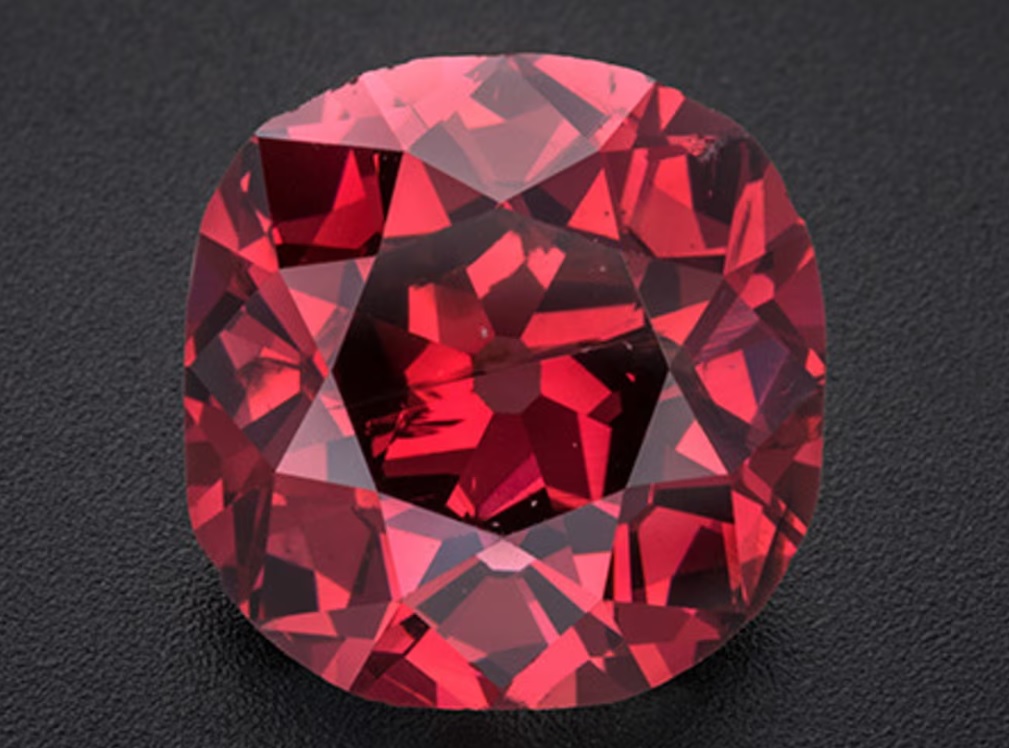
Gemologists Uncover the Secrets Behind the Rarity of Red Diamonds

The Winston Red on display at the Smithsonian sheds light on nature’s rarest colour in diamonds

Red diamonds remain one of nature’s most elusive and captivating treasures. With only 24 specimens over one carat ever publicly recorded, their scarcity is legendary. Among them, the remarkable Winston Red has now taken centre stage at the Smithsonian National Museum of Natural History in Washington, DC.

This exceptional gem was donated in December 2023 by Ronald Winston, son of the renowned American jeweller Harry Winston. Weighing over one carat, the Winston Red is not only a visual marvel but also a scientific mystery—until now.

Recent research published in Gems & Gemology has provided unprecedented insight into what makes red diamonds so rare. Using advanced imaging and spectroscopic techniques, gemologists have identified that the Winston Red’s vivid crimson hue results from a combination of factors: a unique distribution of nitrogen impurities and a heavily deformed crystal lattice structure composed of tightly stacked red-to-pink layers.

These structural distortions—formed under extraordinary heat and pressure—are thought to alter the way light interacts with the diamond, giving rise to its intense red colour. Such conditions are extremely rare in the Earth’s mantle, further explaining the diamond’s scarcity.

Historical records trace the Winston Red as far back as 1938, when Jacques Cartier sold the stone to the Maharajah of Nawanagar. Combined with its cutting style and geological characteristics, the evidence suggests the gem likely originated from diamond-producing regions in Brazil or Venezuela.

For gemologists and collectors alike, the Winston Red represents both a scientific breakthrough and a pinnacle of natural beauty—an enduring reminder of the Earth’s ability to create something truly extraordinary.

Source: DCLA

Tuesday, 24 June 2025

Russia Still World’s Biggest Diamond Producer

Russia Alrosa Diamonds

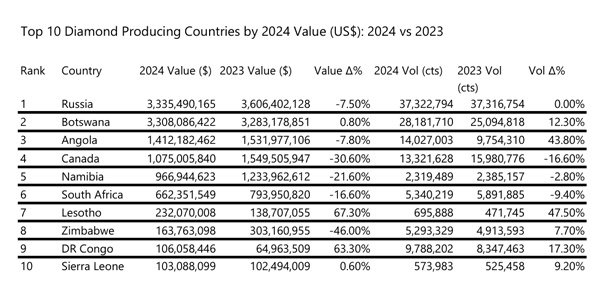
Russia remained the biggest rough diamond-producing country in the world in 2024, by both volume and value, despite the impact of G7 sanctions.

By volume it accounted for 32 per cent of global production in 2024 – or 37.3m carats – according to newly-released figures by the Kimberley Process Certification Scheme.

And by value it accounted for 29 per cent – or $3.335bn.

Botswana came second by volume – 24 per cent, 28.2m carats – and a very close second by value – 28.8 per cent, $3.308bn.

Overall global rough output fell 10 per cent to $11.48bn.

India was the biggest importer (40 per cent by carats, 39 per cent by dollars) followed by UAE (29 per cent by carats, 24 per cent by dollars).

Source: DCLA

Monday, 23 June 2025

Moscow Investigators Uncover Diamond Theft Scheme Involving Alrosa Employee

diamond producer Alrosa

Moscow investigators on Monday said they сharged an employee of the state-run diamond producer Alrosa, her son and two others in connection with a diamond theft scheme at the company.

Valentina Matyushenkova, an Alrosa employee, is accused of swapping high-value diamonds with cheaper industrial-grade stones between September 2024 and January 2025, according to Russia’s Investigative Committee.

Authorities say the stolen diamonds were smuggled to Armenia.

Matyushenkova was caught in the act while attempting to steal a batch of diamonds valued at more than 1.7 million rubles ($21,700), investigators said. Her son, Alexei Matyushenkov, is accused of acting as a middleman.

Two other suspects, Armen Petrosyan and Arman Sahakyan, allegedly transported the stolen stones across the border to Armenia.


A video published by the Kommersant business newspaper showed Matyushenkova confessing to her role in the scheme during questioning. One of the other suspects claimed he was working as a deliveryman at the time of his arrest.

Searches of the suspects’ homes uncovered some 200,000 carats of low-grade industrial diamonds, which investigators say were used to replace the high-quality raw stones.

All four suspects have been placed in pre-trial detention. If convicted, they face up to 10 years in prison on theft charges and up to seven years for the illicit trafficking of precious stones and metals.

Source: DCLA

Sunday, 22 June 2025

Historic Emerald Necklace Sells for $6.2m

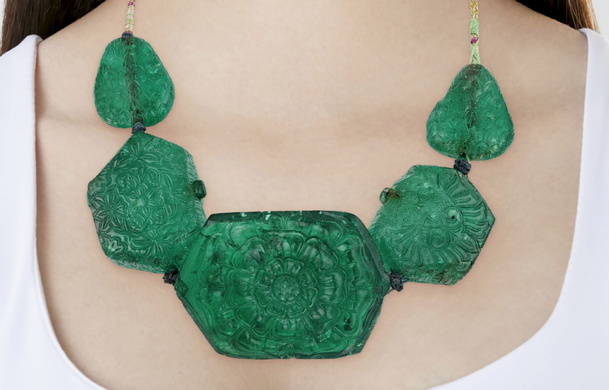
A 275-year-old carved emerald necklace from the Mughal Empire sold for $6.2m, more than double its high estimate, at Christie's New York.

A 275-year-old carved emerald necklace from the Mughal Empire sold for $6.2m, more than double its high estimate, at Christie’s New York.

It is made of five Colombian emeralds, with a combined weight of 1,178.50 carats (8.3oz/235g) on gold and magenta cords.

Three are carved hexagonal – the largest is 470 carat and inscribed “Ahmad Shah Durr-i Durran” (Pearl of Pearls) – and two are carved pear-shaped.

The necklace once belonged to Nader Shah, one of the most powerful rulers in Iranian history, and one-time owner of the Koh-i-Noor diamond.

He seized the necklace after capturing Delhi in 1739 and taking control of the royal treasury of the Mughal Empire, which ruled much of the Indian subcontinent from 1526 to 1857.

The necklace carried a pre-sale estimate of $2m to $3m.

Source: DCLA

Thursday, 19 June 2025

HRD to Stop Grading Lab Growns

HRD


Belgium’s HRD lab says it will no longer grade lab grown diamonds.

It wants to create what it calls a “clear distinction between natural and synthetic diamonds”.

HRD, a subsidiary of the Antwerp World Diamond Centre (AWDC), says it is the first lab to stop lab grown certification, although it will still issue certificates for jewelry containing lab growns.

The move, announced yesterday (18 June) follows GIA’s decision earlier this month to grade lab growns only as “premium” or “standard”, without scores for color or clarity.

It further emphasizes the distinction between natural and lab grown diamonds.

“As of 2026, we will no longer issue quality certificates for loose synthetic diamonds intended for commercial use,” said Ellen Joncheere, CEO of HRD Antwerp.

“In limited cases, we will continue to analyze synthetic diamonds, but strictly for research purposes. Jewellery containing synthetic stones will still be eligible for certification.”

HRD started grading lab growns in 2013, albeit with fewer grades of color and clarity than natural diamonds. In 2019 it aligned lab growns with natural stones, a move that appeared to signal greater parity between the two sectors.

Karen Rentmeesters, CEO of parent company AWDC, said: “By becoming the first diamond lab in the world to take an explicit and exclusive stance in favour of natural diamonds, HRD Antwerp is sending a strong signal.

“A clear distinction between natural and synthetic diamonds is essential to strengthen consumer trust and help safeguard the future of natural diamonds.”

Source: IDEX

Wednesday, 18 June 2025

Historic “Marie-Thérèse Pink Diamond” Fetches Over $13.9 Million at Christie’s

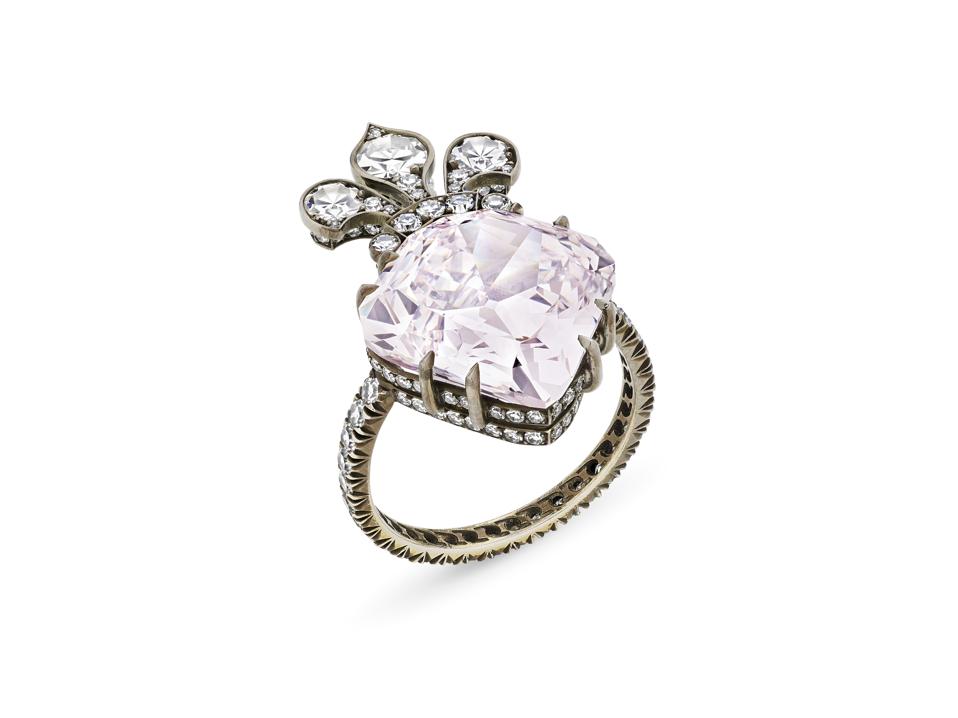
A remarkable piece of royal history captivated the global jewellery market this week. The 10.38-carat “Marie-Thérèse Pink Diamond” achieved more than USD $13.9 million

A remarkable piece of royal history captivated the global jewellery market this week. The 10.38-carat “Marie-Thérèse Pink Diamond” achieved more than USD $13.9 million (including buyer’s premium) at Christie’s New York Magnificent Jewels auction, nearly doubling its high estimate. The hammer price alone reached USD $11.8 million.

This fancy purple-pink, modified kite brilliant-cut diamond boasts not only exceptional rarity and colour but also a royal provenance tracing back through French, Bavarian, and Austrian imperial families. It was most recently set in a ring by renowned Franco-American jewellery artist JAR, further enhancing its artistic and collectible value.

According to Christie’s, the pink diamond is believed to have been part of a group of jewels entrusted by Marie Antoinette to her hairdresser in 1791, just before her attempted escape from Paris. These jewels were later passed to her only surviving child, Duchess Marie Thérèse de Angoulême, and subsequently to her niece, Duchess Marie Thérèse de Chambord.

“Generations later,” Christie’s noted, a will identified Queen Marie Theresa of Bavaria as the next known custodian of the gem, referring to it as “a pink solitaire diamond from Aunt Chambord.” The diamond last appeared at auction in Geneva in 1996, offered by a European royal family member, and had remained out of public view until this recent sale.

The impressive result underscores continued global demand for rare, historically significant coloured diamonds — particularly those with noble provenance.

Tuesday, 17 June 2025

Rare purple diamond unearthed at Diavik

Vibrant 0.45-carat gem adds final flourish to Diavik's closing years.

Vibrant 0.45-carat gem adds final flourish to Diavik’s closing years.
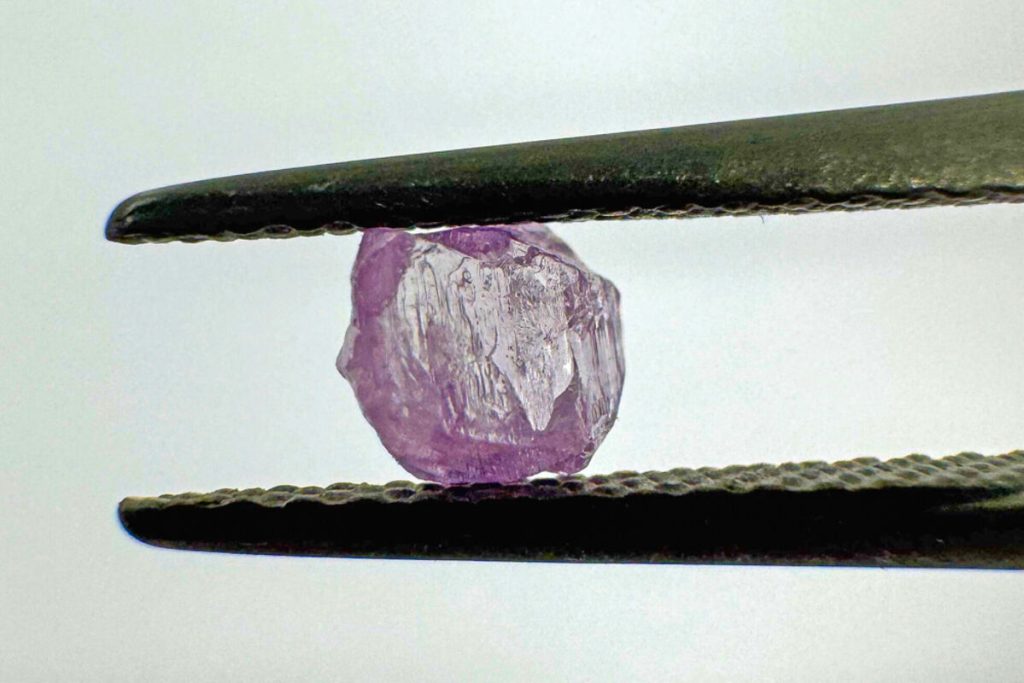
Just when it seemed Diavik had given all it could give, a rare purple diamond has been unearthed at the Northern Canadian mine – a 0.45-carat stone that stands out in a region better known for producing predominantly colorless gems and the occasional yellow stone, adding a splash of unexpected color as the operation approaches the final years of its mine life.

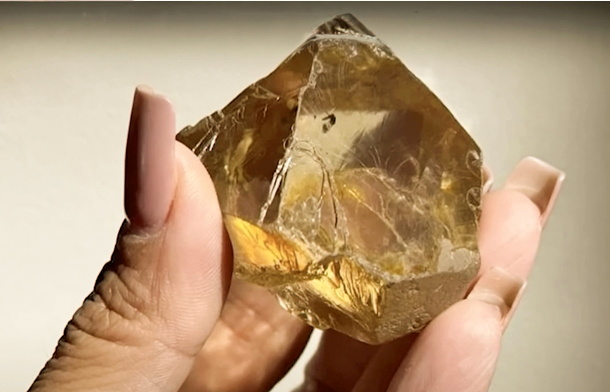
The discovery, quietly announced by Rio Tinto via social media, comes just weeks after the recovery of a 158.2-carat yellow diamond and a 50-million-year-old petrified log – both of which drew attention to the remarkable geological and historical treasures still surfacing from the remote subarctic site.

“We recently had a unique discovery at Diavik – a rare purple diamond weighing in at 0.45 carats,” the company wrote in a social media post on LinkedIn.

“Diavik diamonds are typically white, so this came as a pleasant surprise,” the post continued. “The purple colour likely comes from a trace element such as hydrogen or a twist in the crystal lattice structure of the diamond. The shape of the rough diamond is known as a ‘makeable’ which means it will likely be cut into a single diamond.”

Though small in size, the stone is striking for its rarity, with colored diamonds of any kind making up less than 1% of Diavik’s total production over more than two decades of operation.

Among them, purple diamonds are the rarest, their distinctive hue typically attributed to hydrogen impurities or plastic deformation deep in the Earth’s mantle – a result of the intense pressure and heat that alters the crystal structure during formation.

In gemological terms, purple diamonds are often classified under the broader category of “fancy color” stones, though few attain the deep saturation necessary for that label. More often, their shades fall within the purplish-pink or violet spectrum, with pure purple standing as one of the most elusive colors in the diamond world.

For Diavik, the recovery of such a specimen near the end of its mine life serves as both a scientific curiosity and a symbolic capstone.

Since beginning production in 2003, the mine has yielded over 140 million carats of rough diamonds – predominantly colorless, with a handful of exceptional yellow stones including the 552-carat “egg” discovered in 2018 and the more recent 158.2-carat find earlier this year.

Yet, while the occasional yellow diamond has offered moments of brilliance, the purple discovery stands out for its singularity.

While not the first purple diamond recovered from Diavik – industry veterans have noted smaller specimens dating back more than a decade – this 0.45-carat stone ranks among the most notable, particularly for its size, clarity, and timing near the end of the mine’s operational life.

Purple diamonds are so rare that only a few notable examples have surfaced globally, often fetching premium prices far beyond their white or even pink counterparts. Their appearance in the trade is sporadic, and their origin even more geographically restricted – making a Canadian purple diamond an especially uncommon occurrence.

Diavik’s purple gem is expected to be cut into a single polished stone, though no details have been released about where it might end up – in private hands, a high-profile auction, or perhaps a Canadian institution.

Whatever its path, the find adds a final chapter to Diavik’s legacy – a small but vibrant reminder that even in its twilight, the remote Arctic mine remains full of surprises.

Source: DCLA

Monday, 16 June 2025

Second Biggest Diamond in Brazil’s History

A 647-carat diamond recovered in Brazil is the country's second biggest and has been valued at just over $3m.

A 647-carat diamond recovered in Brazil is the country’s second biggest and has been valued at just over $3m.

The brown-colored gem was unearthed late last month in the Douradinho river bed, home to mining companies and artisanal miners (known locally as garimpeiros) in the rural area of Coromandel, in the southeast of the country.

Large diamond finds are rare in modern Brazil and generate significant local excitement and economic activity, especially in towns with a mining tradition like Coromandel.

“Everyone was euphoric because Coromandel has a lot of mining activity,” said a spokesman for the Coromandel municipality. “It has been a long time since a diamond of this size was discovered.”

The record for Brazil’s largest diamond is still held by the 726.6-carat President Vargas diamond, discovered in the same region back in 1938.

Brazil was the world’s top producer of diamonds from 1730 to 1870, but is now responsible for less than 1 per cent of global production, mostly from alluvial deposits.

According to the Brazilian news website Click Petroleo e Gas, the gem has already been sold.

Source: DCLA

Sunday, 15 June 2025

Unique Patek Philippe Sells for $4.3m

Patek Philippe

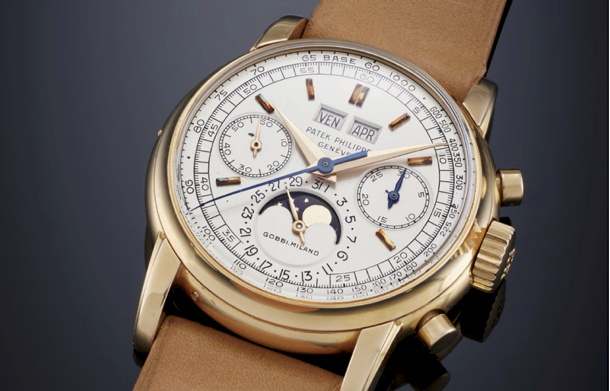
A unique Patek Philippe watch sold for $4.3m at Sotheby’s New York – the highest price realized by the auction house for a timepiece this year.

But it was well below the $7.75m achieved by the same watch when it changed hands at Sotheby’s Hong Kong.

The pink gold perpetual calendar chronograph wristwatch with moon phases, was made in 1957 and was sold by the Milan-based retailer Gobbi Milano.

It was one of just nine made and is the only one known to still exist.

A private collector paid $4.3m for the watch, which had a pre-sale estimate of $3m to $5m. It led the Important Watches: Take a Minute sale last Tuesday (10 June).

In 2007 the watch sold for CHF 2.7m ($2,.2m at historic exchange rate) at Christie’s Geneva.

Source: DCLA

Wednesday, 11 June 2025

Alrosa Concludes Sale of Share in Catoca

Catcoca mine, Angola.

Alrosa has concluded the sale of its 41 per cent share in Catoca, Angola’s state-controlled diamond miner, drawing an end to a 32-year partnership.

It has been acquired by Taadeen, a subsidiary of Oman’s sovereign wealth fund.

The move was announced last November, after Angola’s mineral resources minister Diamantino Azevedo described Alrosa, the sanctioned Russian miner, as a “toxic partner”.

The transfer was formalized on 26 May and leaves Angola’s national diamond company Endiama EP retaining a controlling 59 per cent.

Catoca’s updated website now lists its company shareholder structure as: “Endiama EP (National Diamond Company of Angola) – 59% Taadeen (Subsidiary company of the Sovereign Wealth Fund of Oman) – 41%”.

No financial details of the share transfer have been released.

Alrosa acquired 32.8 per cent of Catoca shares in 1992, soon after the country’s long-running civil war came to an end, and increased its stake to 41 per cent in 2018.

Source: DCLA

Tuesday, 10 June 2025

Karelian clears key hurdle for EU’s first diamond mine

EU’s first diamond mine

Karelian Diamond Resources has registered its Lahtojoki mining concession in the Finnish land registry, advancing its plan to develop what could become the European Union’s first diamond mine.

This registration, handled by the Finnish mining authority TUKES, allows the company to proceed with further development plans for the Lahtojoki diamond deposit.

TUKES had previously approved the concession and is also responsible for issuing the mining certificate.

Karelian noted that a hearing on compensation matters related to the project has been postponed until the Fall of 2025, potentially impacting the timeline for full-scale operations.

Lahtojoki is known for its high-quality gem diamonds, including rare pink and coloured stones that can fetch up to 20 times more than typical colourless gems. The company believes the diamondiferous kimberlite pipe has the potential to support a profitable, low strip ratio open-pit operation.

The Dublin-based company is simultaneously exploring and advancing other assets in Finland, containing nickel, copper and platinum group elements. It is also advancing exploration at a site in the Kuhmo region where it aims to discover the source of a rare green diamond it found in 2022.

Source: Mining.com

Monday, 9 June 2025

Petra Diamonds rethinks sales tactics as market slump drags on

Africa-focused Petra Diamonds has scrapped regular diamond tenders in favour of opportunistic sales as the market for rough stones continues to slump.

Africa-focused Petra Diamonds has scrapped regular diamond tenders in favour of opportunistic sales as the market for rough stones continues to slump.

The miner reported $53 million in sales from its fifth and sixth tenders of the year, covering production from its two South African mines. Petra will now report sales on a quarterly basis instead of following a fixed tender schedule.

“In response to fluctuations in diamond prices and demand, the company no longer follows regular tender cycles and may postpone portions of tenders or sell goods as run-of-mine,” the company said.

The strategic pivot mirrors De Beers’ reported off-market sales of discounted diamonds to selected clients. The move aimed to reduce inventory without officially slashing prices.

Petra said it sold 613,747 carats in the two tenders, a 29% increase from its fourth tender in February. The average price was $86 per carat, about 4% higher than February’s auction. On a like-for-like basis, prices were down 16% compared to the first six tenders of 2024, largely due to lower-value goods.

Year-to-date, the company has sold 2.39 million carats for $239 million, down from $329 million over the six first tenders of its 2024 financial year.

Petra delayed its April and May tenders due to a weaker product mix at its flagship Cullinan mine. The Finsch mine, meanwhile, saw improved pricing thanks to better ore access. The company expects an improved product mix as it ramps up production from the CC1E and the western side of the C-Cut block.

Petra also drew an additional $33 million in debt, bringing its consolidated net debt to $258 million by the end of March. It attributed this to working capital requirements.

“The continuing challenges in the diamond market and the weaker sales do not bode well given the ongoing negotiations to refinance Petra’s debt obligations,” Raj Ray, an analyst at BMO Capital Markets, wrote on Monday.

Petra has been restructuring to cut costs, including the sale of its stake in Koffiefontein in October and the recent $16 million sale of the Williamson mine in Tanzania.

Petra shares fell almost 3.5% on the news to 19.5 pence each, putting its market cap at about £38 million ($51 million).

Source: DCLA

Thursday, 5 June 2025

Relief Package for Surat’s Diamond Workers

Surat's Diamond Workers

A limited relief package has been announced for diamond workers and small manufacturing units in Surat.

The Gujarat state government is responding to widespread job losses and economic hardship among the estimated one million diamond workers in Surat as the global slowdown persists.

The relief package, as detailed by chief minister Bhupendra Patel, will cover school fees for children of jobless diamond artisans in full, subject to certain conditions.

Small diamond manufacturing businesses will be eligible for low-interest loans and a one-year year exemption from the duty charged on their electricity bills.

The move has been given a cautious welcome by the Diamond Worker Union Gujurat, but there are ongoing calls for more comprehensive support, particularly for unregistered workers and families affected by the crisis, as well as for families of diamond workers who have taken their own lives.

Source: DCLA

Wednesday, 4 June 2025

DCLA to Continue Full Grading of All Diamonds, Including Laboratory-Grown

DCLA to Continue Full Grading of All Diamonds

The Diamond Certification Laboratory of Australia (DCLA) reaffirms its commitment to providing precise and comprehensive grading for all diamonds, including laboratory-grown stones. This approach ensures consistency, transparency, and informed decision-making across the industry.

While the GIA has announced it will introduce a simplified classification system for lab-grown diamonds — using the categories “Premium” and “Standard” — the DCLA will maintain its tradition of detailed grading across the full range of quality characteristics. This includes reporting actual colour, clarity, cut, and carat weight for every diamond submitted, regardless of its origin.

The GIA’s new system, expected later this year, will group lab-grown diamonds based on overall appearance and finish, with certificates including carat and cut details but without specific colour and clarity grades.

DCLA recognises that both natural and laboratory-grown diamonds hold unique value and significance. By continuing to offer full grading reports, the DCLA supports both the trade and consumers in understanding and appreciating the distinct qualities of each stone.

At DCLA, we believe that consumers and the trade deserve full and detailed grading information, regardless of the diamond’s origin. Misrepresentation and confusion are more likely to arise when simplified or vague grading systems are used — especially as laboratory-grown diamonds become more prevalent in the market.

As Australia’s official CIBJO laboratory, DCLA remains dedicated to upholding the highest international standards in diamond certification and grading.

Tuesday, 3 June 2025

Dazzling Diamonds and Storied Provenance Headline Sotheby’s New York High Jewellery Auction

The Crown Jewel: 35.01ct Graff Diamond Ring

Sotheby’s New York is set to host an extraordinary High Jewellery auction on 13 June, featuring 110 remarkable lots — many of them centred around colourless and fancy coloured diamonds. This exclusive sale not only showcases some of the most important stones on the market today but also brings to light jewellery with historic provenance, including pieces from the Vanderbilt and Wade families, and a private collection chronicling a decades-long romance.

The Crown Jewel: 35.01ct Graff Diamond Ring
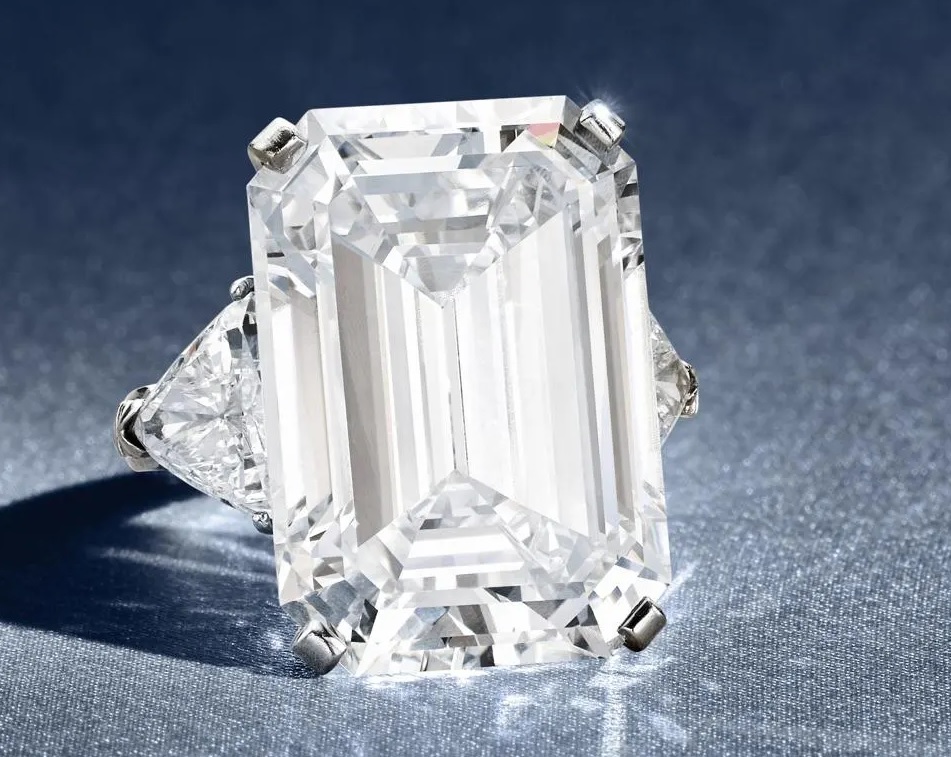
Leading the sale is a breathtaking 35.01-carat emerald-cut diamond ring from luxury jeweller Graff. This D-colour, VVS2 clarity diamond is described as “highly important,” and is expected to fetch between USD $2 million and $3 million (approximately AUD $3 million to $4.5 million). It’s one of 13 spectacular jewels from a private collection titled Joie de Vivre: Journey in Jewels — a tribute to a husband’s enduring love, with each piece gifted to his wife throughout a 60-year marriage.

Another standout from the same collection is a pair of emerald and diamond earclips by Graff, boasting four sugarloaf cabochon emeralds weighing a total of approximately 84 carats. These exceptional earrings carry a presale estimate of USD $800,000 – $1.5 million.

Additional highlights from this private collection include:

An aquamarine and diamond bracelet: USD $40,000 – $60,000

A jade and diamond pendant-brooch, circa 1910s: USD $25,000 – $35,000

Fancy Colours Steal the Spotlight
The number two lot of the sale is a striking 5.02-carat fancy pink diamond ring with VS2 clarity, estimated at USD $1.5 million – $2.5 million. Following closely is a 2.02-carat fancy vivid blue diamond ring, cut in a modified rectangular mixed style, with an estimate of USD $1.4 million – $1.8 million.

Also drawing significant attention is a pair of flawless D-colour pear-shaped diamonds weighing 10.32 and 10.11 carats respectively. Both diamonds are rated “excellent” in polish and symmetry, with a combined estimate of USD $1.1 million – $1.5 million.

American Legacy: Vanderbilt and Wade Family Heirlooms
Among the historic highlights is a ruby and diamond sautoir by Marcus & Co., dating back to circa 1915. The centrepiece is a 9.60-carat unheated Burmese ruby, surrounded by old European-cut diamonds and accented with calibre-cut rubies. This important jewel is estimated at USD $1 million – $2 million and once belonged to Emily Vanderbilt Wade, the great-granddaughter of Cornelius Vanderbilt and daughter of Rhode Island Governor William Henry Vanderbilt III.

Three other Vanderbilt Wade jewels will also go under the hammer:

Cartier Art Deco diamond bracelet: Estimated at USD $60,000 – $80,000

Rene Lalique Art Nouveau pendant: Crafted from gold, enamel, emerald and pearl, circa 1900, with an estimate of USD $20,000 – $30,000

Multistone tassel sautoir: Featuring rubies, emeralds, pearls, diamonds and enamel, and possibly designed by Paulding Farnham of Tiffany & Co., with an estimate of USD $40,000 – $60,000

A Rare Opportunity for Collectors and Connoisseurs
This Sotheby’s auction is not only a chance to acquire some of the world’s most exquisite diamonds and gemstones but also to own a piece of history. With provenance linking to America’s most prominent families and jewellery houses such as Graff, Cartier, and Tiffany & Co., the pieces represent both artistic excellence and emotional legacy.

For collectors, investors, and jewellery lovers alike, 13 June will mark a significant date on the global jewellery calendar.

Source: DCLA

Monday, 2 June 2025

 GIA Moves to Redefine Lab-Grown Diamond Grading, Signaling Clearer Divide from Natural Diamonds

Rough Lab-Grown Diamond

In a landmark decision that will reverberate through the global diamond industry, the Gemological Institute of America (GIA) the world’s foremost authority in gemology—has announced it will no longer use its internationally recognized 4Cs grading system for laboratory-grown diamonds. Instead, beginning later this year, lab-grown diamonds submitted to GIA will receive simplified descriptors—categorized broadly as either “premium” or “standard”—or no grade at all if the quality is subpar.

While GIA’s move to redefine lab grown diamond grading might sound like a simple nomenclature change, it’s much more than that. This move marks a definitive moment in the ongoing separation of natural diamonds from lab-grown diamonds. It confirms what many in the industry have long known: lab-grown diamonds are not the same as natural diamonds and should not be treated as such.

Why the 4Cs Is Essential for Natural Diamonds

GIA created the 4Cs—cut, color, clarity, and carat weight—as a rigorous system to help consumers understand the unique and complex qualities of natural diamonds. No two natural diamonds are exactly alike. They are rare geological miracles forged deep within the Earth over billions of years, each carrying a singular fingerprint from Mother Nature. A grading report for a natural diamond is essential because these stones exist along an immense spectrum of characteristics. 

Meet the Expert

GIA Moves to Redefine Lab-Grown Diamond Grading, Signaling Clearer Divide from Natural Diamonds
  • Grant Mobley is the Jewelry & Watch Editor of Only Natural Diamonds.
  • He is a GIA Diamonds Graduate.
  • He has over 17 years of jewelry industry experience, starting with growing up in his family’s retail jewelry stores.
Lab Grown Diamond grading: lab grown diamond
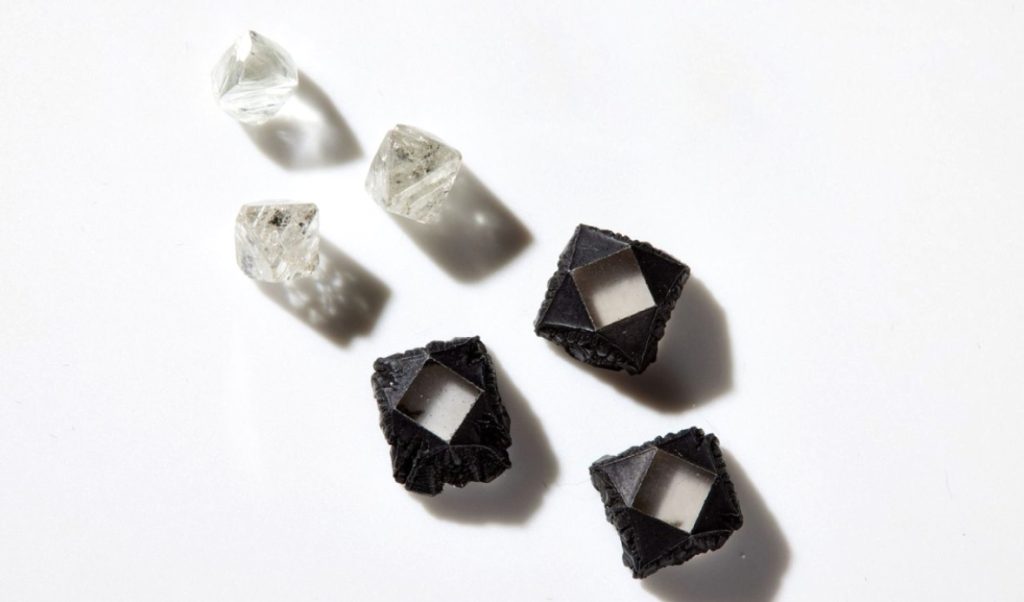
An uncut lab grown diamond

Why GIA Is Changing the Way Lab Grown Diamonds Are Graded

Lab-grown diamonds, on the other hand, are man-made and mass-produced using high-pressure high-temperature (HPHT) or Chemical Vapor Deposition (CVD) processes. According to Tom Moses, GIA executive vice president and chief laboratory and research officer, “More than 95% of laboratory-grown diamonds entering the market fall into a very narrow range of color and clarity. Because of that, it is no longer relevant for GIA to describe man-made diamonds using the nomenclature created for the continuum of color and clarity of natural diamonds.”Why Lab Grown Diamond Grading Needs a Different System

By replacing detailed grading reports with broader descriptors, such as “premium” and “standard,” GIA is drawing a clear line in the sand. They are telling consumers that these are not the same products and they should not be evaluated in the same way. And coming from GIA—the trusted nonprofit organization that established global diamond grading standards in 1953—this statement couldn’t be more authoritative.

Natural Diamonds: Rarity, Value, and Geological Identity

To understand why this change to lab grown diamond grading matters, it’s essential to examine what drives the value of natural diamonds: rarity and identity. Each natural diamond is finite, with unique growth patterns, internal inclusions, and color subtleties shaped by millions or even billions of years underground. These one-of-a-kind gems are the original luxury product—not just beautiful but rare and no longer forming in nature. Lab-grown diamonds, conversely, can be created in virtually unlimited quantities and replicated in appearance with astonishing ease. There is no rarity. There is no geological story. There is no true investment potential.

GIA Moves to Redefine Lab-Grown Diamond Grading, Signaling Clearer Divide from Natural Diamonds
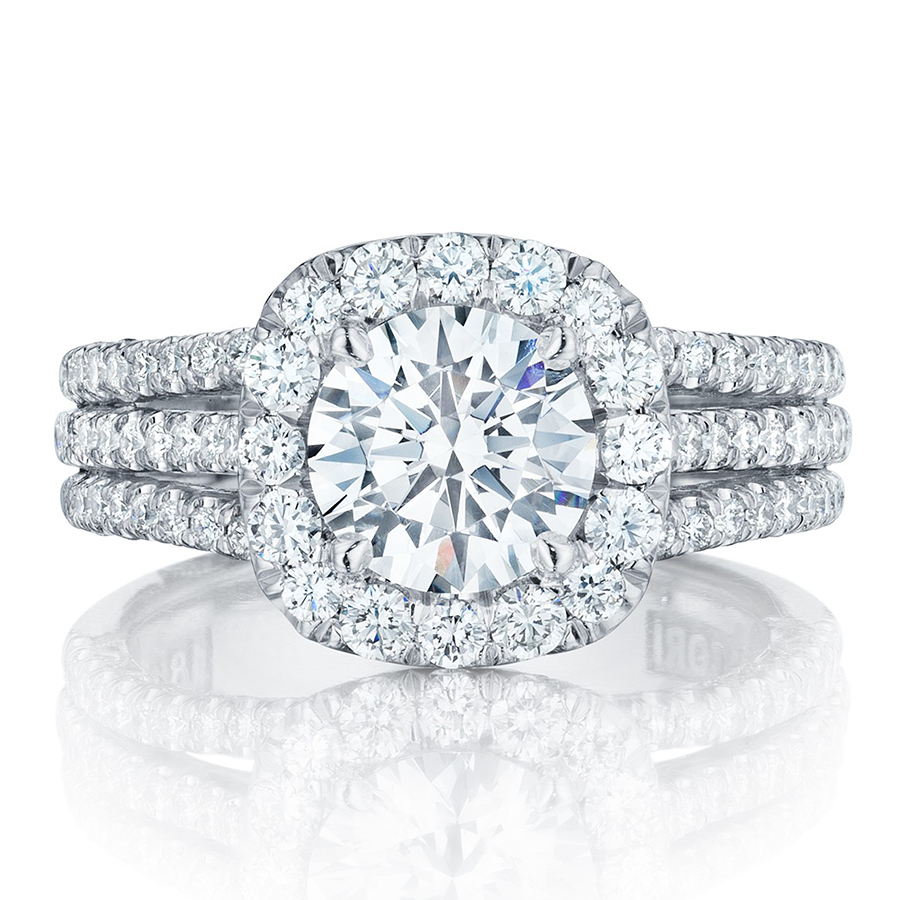
Ring Courtesy of The Clear Cut
GIA Moves to Redefine Lab-Grown Diamond Grading, Signaling Clearer Divide from Natural Diamonds

Why Clarity in Lab Grown Diamond Grading Matters for Consumers

This distinction has become increasingly blurred by confusing marketing language and unclear labeling practices. Some in the lab-grown diamond space have leaned on the unsubstantiated language of “sustainability” and “equality” in comparison to natural diamonds, despite offering a fundamentally different product. But consumers deserve transparency. They deserve to understand what they’re buying, what it’s worth, and what makes one stone different from another. That’s precisely why this change from GIA is so important.

It’s also a return to the Institute’s founding principles. GIA exists to protect the public trust in gems and jewelry. With this shift, the Institute is ensuring that consumers can make informed choices without being misled by false equivalencies. By stepping away from the 4Cs for lab-grown diamonds, GIA is reaffirming its commitment to scientific integrity and public transparency.

GIA Moves to Redefine Lab-Grown Diamond Grading, Signaling Clearer Divide from Natural Diamonds
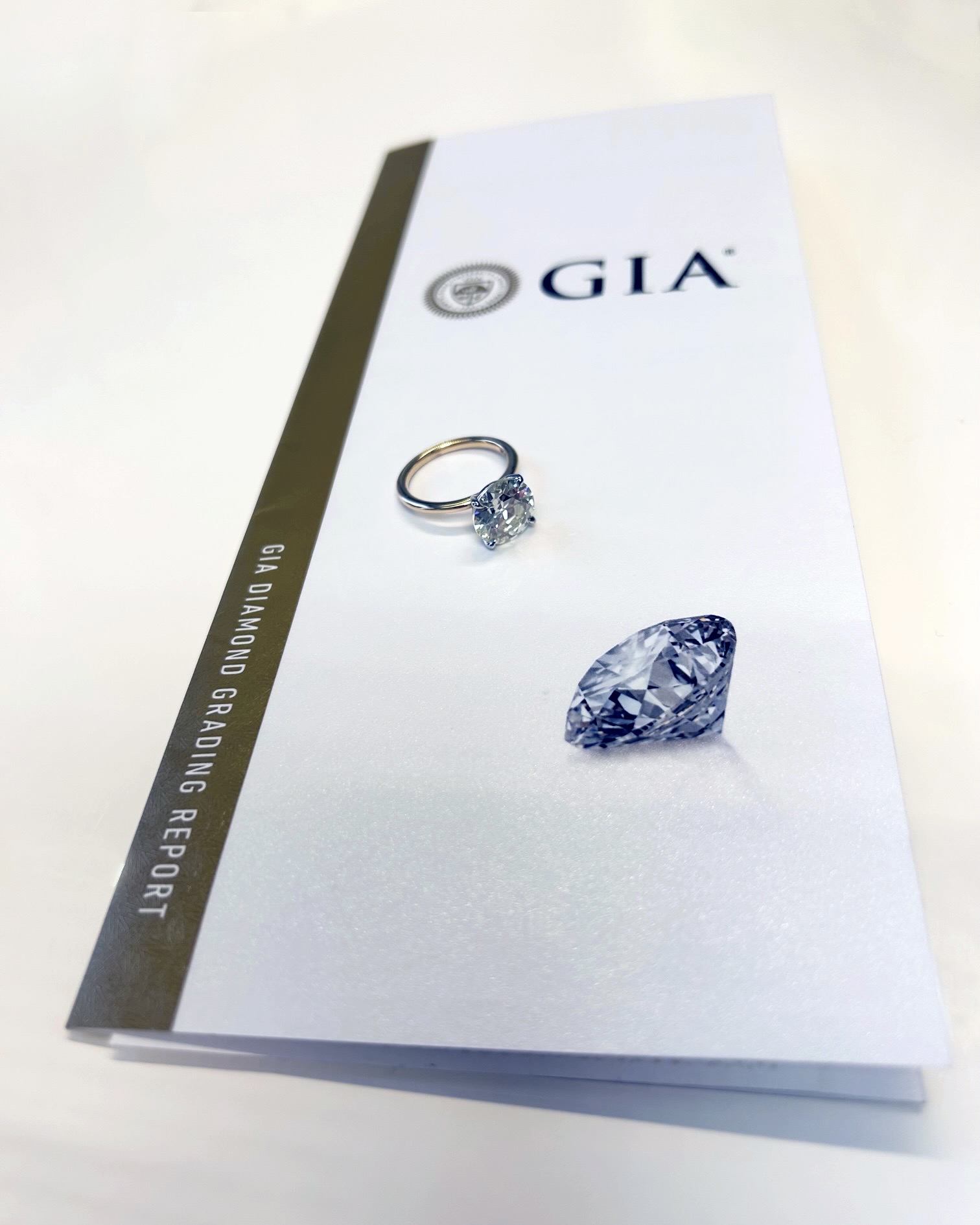
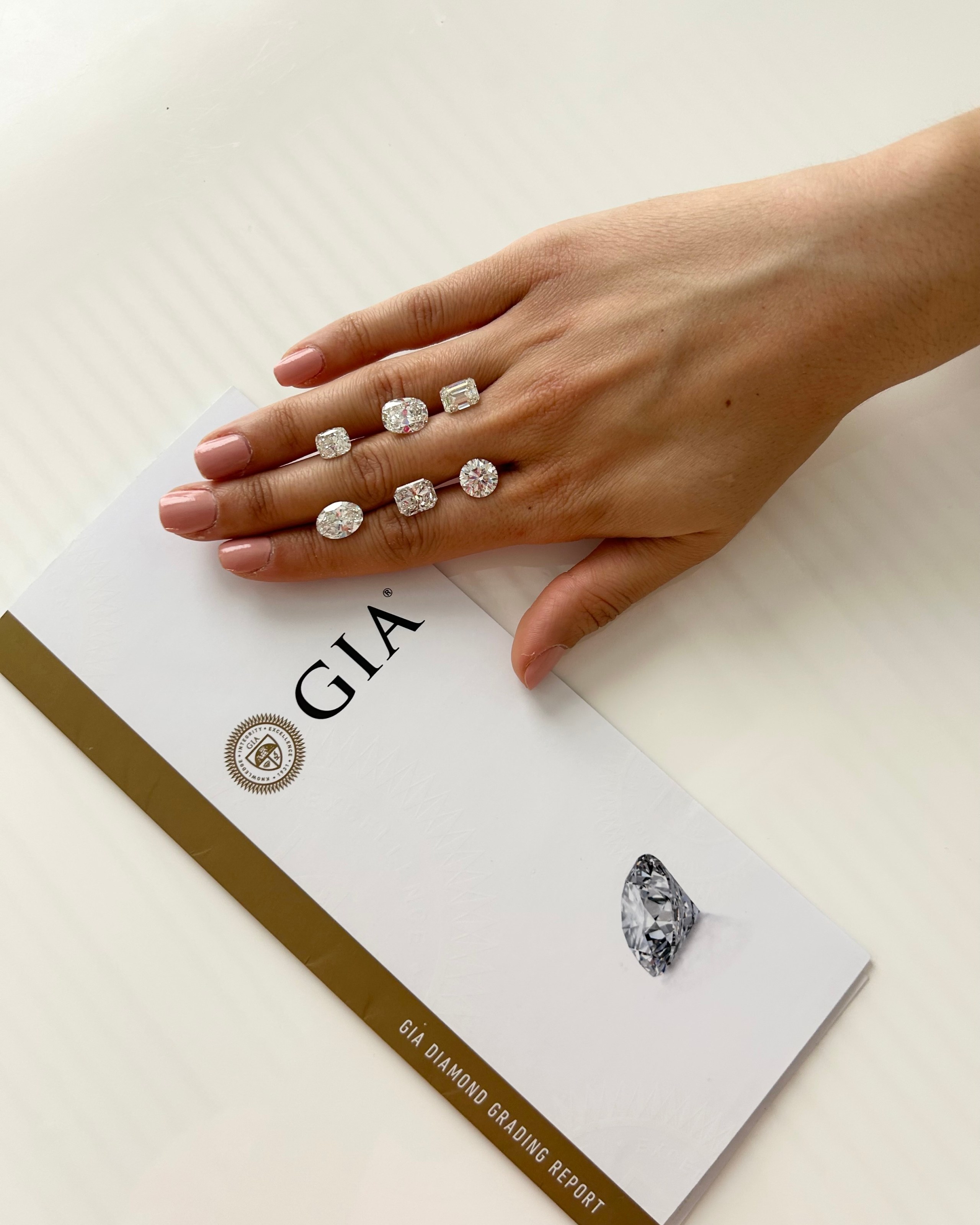
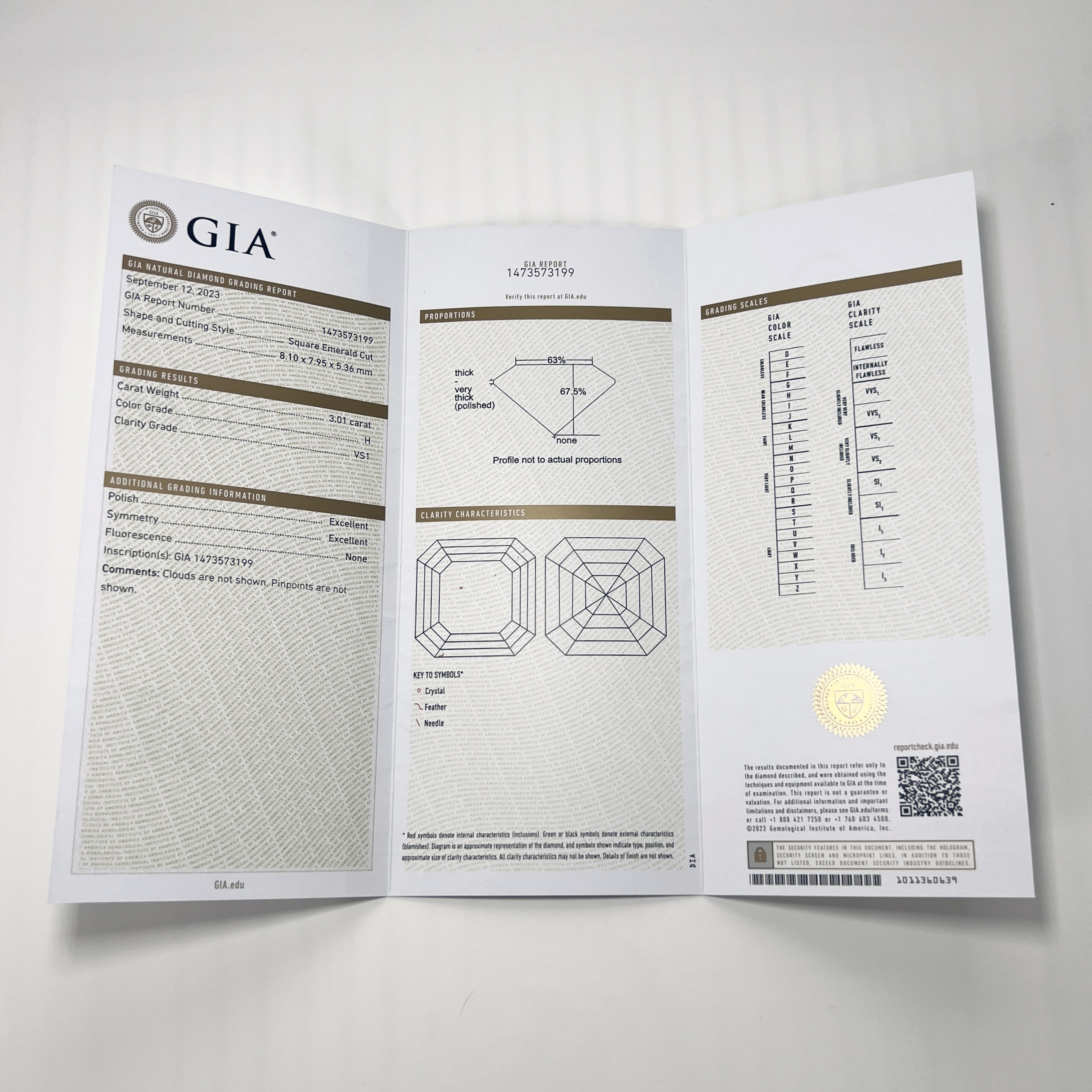
GIA Diamond Grading Report

Let me be clear: This is not about pitting one product against another. Lab-grown diamonds have their place in the market. But we must stop pretending they are interchangeable with natural diamonds. They are not heirlooms, they are not investments, and they are not rare.

GIA’s decision demonstrates that natural diamonds continue to be the benchmark of authenticity, value, and irreplaceability. They are not merely carbon crystals—they are ancient, unrepeatable creations of nature, each with a backstory written in geologic time.

As this policy rolls out in late 2025, expect other gem labs to follow suit. The line separating lab-created simulacra and natural geological masterpieces is being redrawn with bold ink—and GIA is holding the pen.

Source: DCLA
Sunday, 1 June 2025

World’s Longest Diamond-Stud Necklace

World's Longest Diamond-Stud Necklace

Jewelers based in Dubai have set a world record with a diamond-stud necklace that’s 108 meters long.

Amaar Jewels was officially certified by Guinness World Records after crafting the piece from 650 grams of rose gold and more 600 hand-set lab grown diamonds.

It took 60 days to make what Amaar called “one continuous masterpiece”.

The necklace was displayed for the first time at the the 55th Watch and Jewellery Middle East Show (WJMES), which opened on 28 May at Expo Centre Sharjah, UAE, with more than 500 exhibitors 1,800 designers and manufacturers and over 80,000 visitors expected.

Source: DCLA
How Efforts to Control the Diamond Trade Are Hurting the Very Communities They Were Supposed to Protect

For more than two decades, global policies aimed at restricting the flow of diamonds from conflict zones most notably through the “blood dia...