Showing posts with label exceptional pink diamond. Show all posts

Tuesday, 15 September 2026

Rare Orangey Pink Diamond to Take Centre Stage at Christie’s Geneva Auction

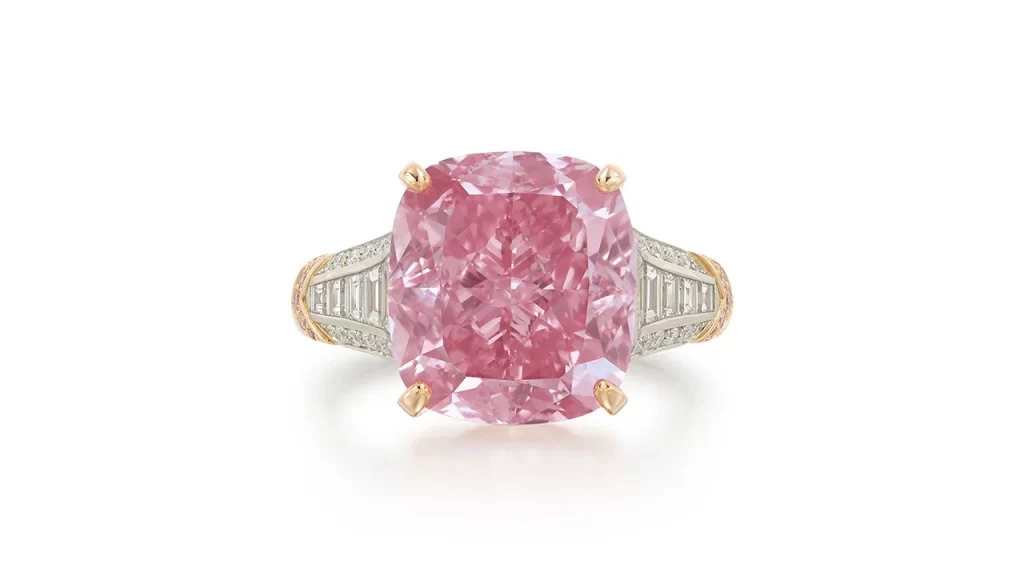
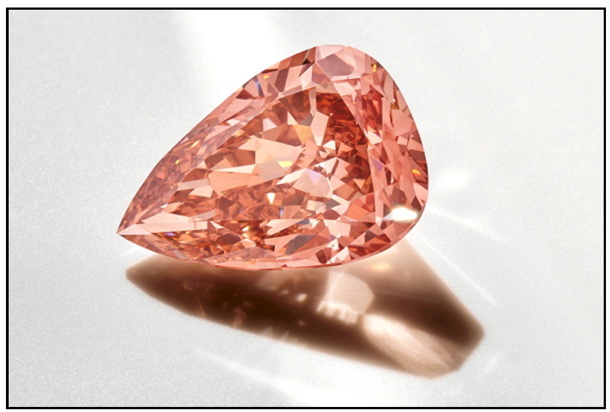
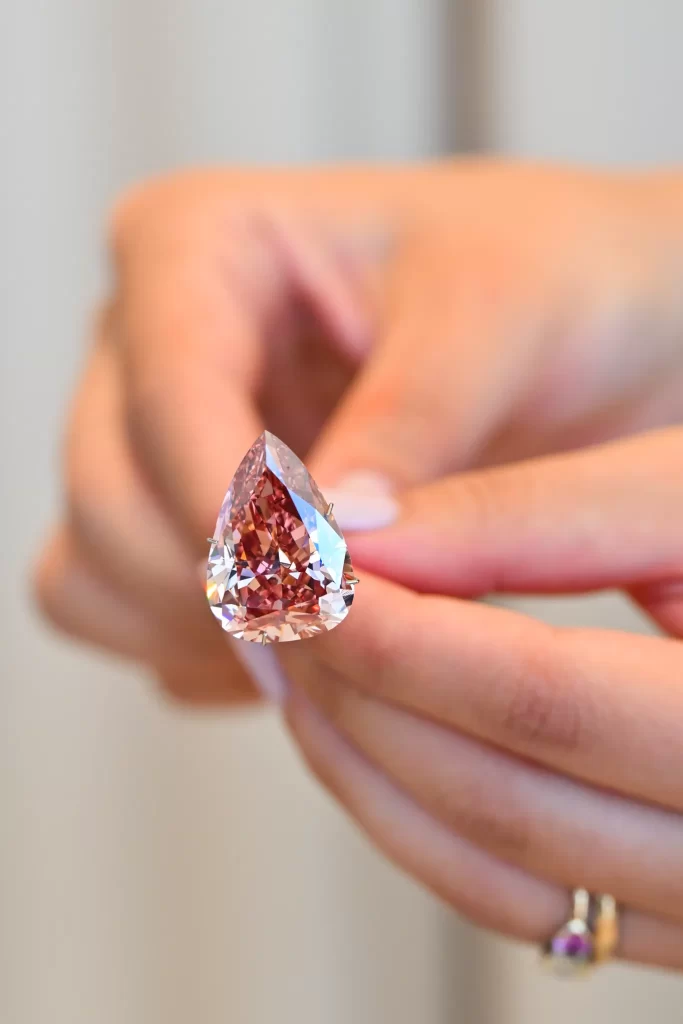
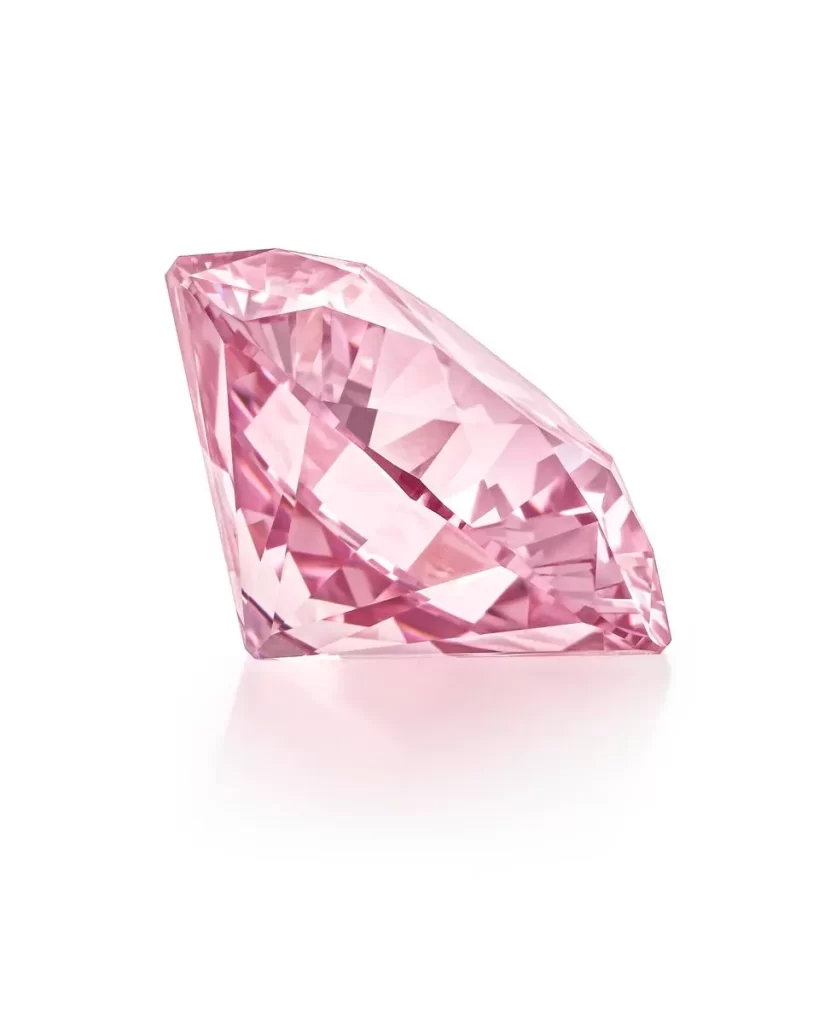
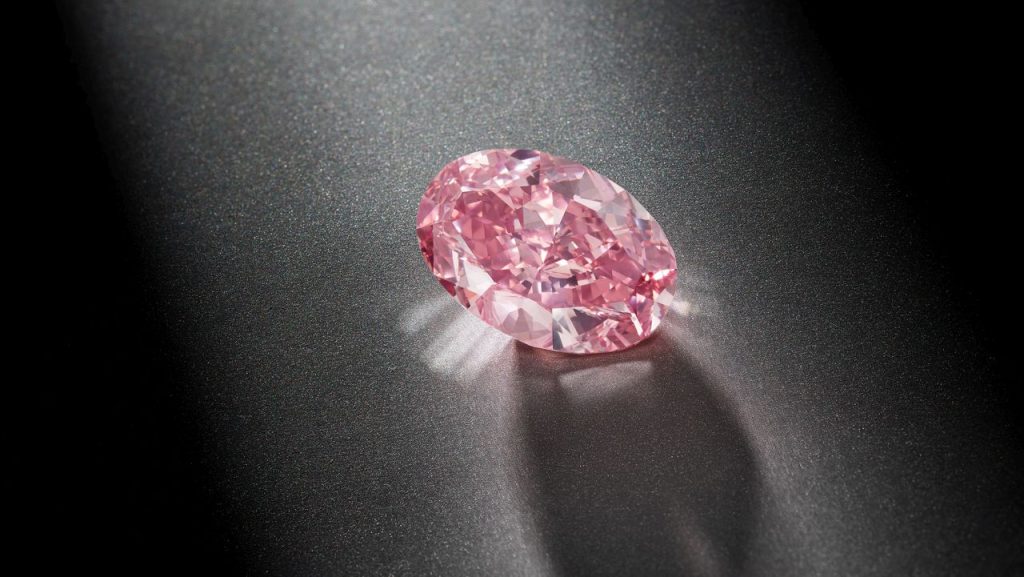
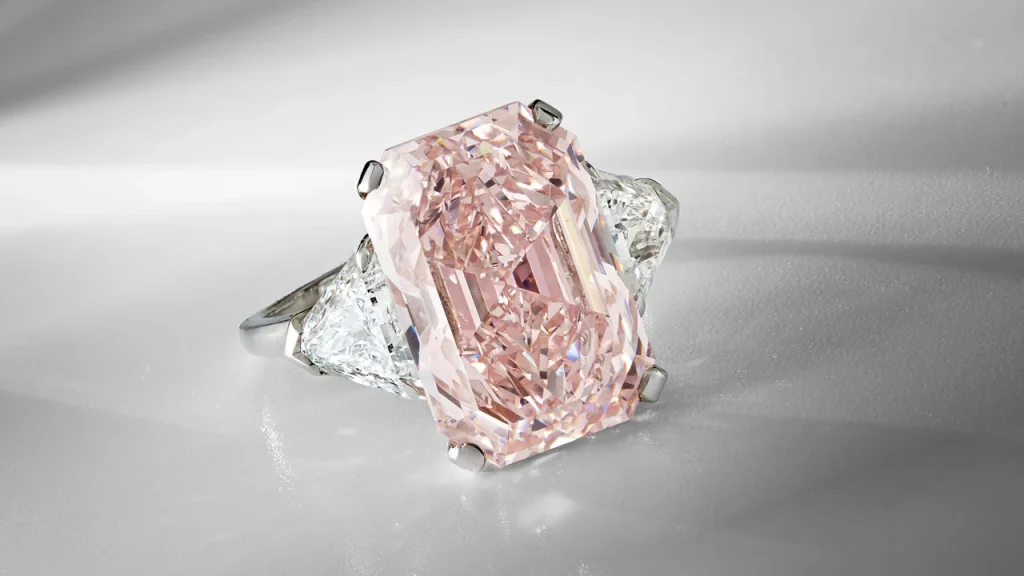
 14.63 carat fancy orangey pink natural diamond

A remarkable 14.63 carat fancy orangey pink natural diamond is set to be one of the highlights of Christie’s upcoming Geneva jewellery auction, with the David Morris ring carrying an upper estimate of approximately US$2.6 million.

The exceptional stone will be offered as part of Christie’s Exceptional Jewels & Objects of Elegance: A Connoisseur’s Collection, taking place in Geneva on November 10, with an accompanying online auction running from November 5 to 17.

The private collection comprises almost 300 lots and includes important jewellery from internationally recognised maisons including Van Cleef & Arpels, Bulgari and Graff, alongside Art Deco vanity cases and finely crafted gold objects.

Why are natural pink diamonds pink?

Pink diamonds are among the most intriguing of all natural diamonds because, unlike many other coloured diamonds, their colour is not easily explained by the presence of a specific trace element.

The colour of a natural pink diamond is generally associated with changes in the diamond’s crystal structure that occurred deep within the Earth during its formation. Diamonds are made from carbon atoms arranged in an exceptionally precise crystal lattice. In some diamonds, geological forces cause distortions within that lattice.

These microscopic structural distortions affect the way light passes through the diamond, producing the remarkable pink colour that makes these stones so desirable.

When the colour moves towards orangey pink, the diamond displays a combination of pink and orange body colour. The precise appearance can vary considerably from one diamond to another, ranging from delicate pastel tones to highly saturated and vivid colours.

This is one reason every exceptional natural coloured diamond is effectively unique.

For more information about diamond structure, properties and the differences between natural and laboratory-grown diamonds, see DCLA’s guide to What Is a Diamond? Natural vs Laboratory-Grown – Structure, Science and Pricing.

Why are pink diamonds so rare?

Natural diamonds occur in many parts of the world, but diamonds with a strong and attractive natural pink colour are extraordinarily uncommon.

Diamonds are formed under immense pressure and temperature deep within the Earth’s mantle and can take billions of years to reach the surface through geological processes. Only a very small proportion develop the particular crystal characteristics responsible for a natural pink colour.

Importantly, pink diamonds are not confined to one location. Natural pink diamonds have been discovered in diamond-producing regions around the world. However, the supply of fine-quality pink diamonds is exceptionally limited.

The rarity becomes even greater when factors such as carat weight, colour intensity, clarity, cut and overall beauty are taken into account.

A large pink diamond with strong colour and good clarity is therefore extraordinarily difficult to find.

DCLA has explored the extraordinary rarity of large natural diamonds in its article Nature vs Technology: Why Large Natural Diamonds Are Exceptionally Rare, explaining why increasing diamond size results in dramatically greater natural scarcity.

Size changes everything

With coloured diamonds, rarity increases dramatically as size increases.

A small natural pink diamond may already be a scarce gemstone, but a large stone with an attractive, saturated colour can be in an entirely different category.

The 14.63 carat diamond being offered in Geneva is therefore significant not simply because it is pink, but because of its combination of natural colour, substantial size and orangey pink appearance.

At more than 14 carats, the stone belongs to a category where the number of comparable natural diamonds available to the market is extremely small.

This scarcity is one of the fundamental reasons exceptional pink diamonds can command prices far beyond those of similarly sized colourless diamonds.

Natural colour is the key

The distinction between a natural coloured diamond and a treated or laboratory-grown diamond is particularly important when discussing rare pink diamonds.

A natural pink diamond has acquired its colour through the geological processes that formed the stone over an immense period of time. The colour is part of the diamond’s natural characteristics.

Modern technology can produce laboratory-grown diamonds and can also alter the colour of diamonds through various treatments. These stones can be beautiful in their own right, but they are fundamentally different from a rare natural coloured diamond.

For an important natural coloured diamond, independent examination and documentation are therefore critical.

DCLA explains the importance of determining diamond origin in its article Natural or Laboratory-Grown? How Can You Tell What Diamond Is in Your Ring?, which explains why visual examination or a basic diamond tester cannot reliably establish whether a diamond is natural or laboratory-grown.

The challenge of grading coloured diamonds

Coloured diamonds are assessed differently from traditional colourless diamonds.

The colour itself is a major component of the stone’s rarity and desirability, with factors including hue, tone and saturation playing an important role.

Two diamonds of exactly the same carat weight can therefore have dramatically different values because their colours differ in strength, distribution and attractiveness.

For a buyer or collector, establishing whether the colour is natural, determining the characteristics of the diamond and confirming any treatments is essential.

At the Diamond Certification Laboratory of Australia (DCLA), diamonds undergo detailed examination using advanced laboratory technology. DCLA states that every diamond is screened for known treatments, tested to establish whether it is natural or man-made, and graded according to International Diamond Council (IDC) rules.

Learn more about the DCLA Diamond Grading and Certification Process.

Why independent certification matters

With an exceptionally rare coloured diamond, establishing exactly what the stone is becomes particularly important.

A DCLA diamond grading report provides a technical breakdown including carat weight, colour, clarity, measurements, stone type, treatments or enhancements, cut, symmetry, polish, transparency and fluorescence.

For rare natural coloured diamonds, documentation can therefore become an important part of the stone’s history and provenance.

DCLA’s Diamond Grading Report service provides independent documentation of the diamond’s characteristics.

Why exceptional pink diamonds command exceptional prices

The market for the finest natural pink diamonds is ultimately driven by a simple combination:

Nature created very few of them, and the world’s supply cannot simply be increased.

A large, naturally coloured pink diamond with attractive colour, good clarity and excellent cutting represents the convergence of several rare characteristics.

This scarcity is particularly important in today’s diamond market. While laboratory-grown diamonds can be produced using controlled manufacturing processes, the supply of large, exceptional natural diamonds remains limited by geology.

DCLA’s research into the changing natural diamond market notes that large, rare and unusually coloured natural diamonds continue to command strong premiums because of their exceptional rarity and provenance.

The Christie’s Geneva offering demonstrates the continuing fascination with these extraordinary natural treasures. While the US$2.6 million upper estimate is substantial, the importance of the stone extends beyond its auction price.

It is a reminder that in the world of natural diamonds, rarity is not simply about size. It is about how many times nature was able to create the right combination of colour, structure, clarity, size and beauty.

And when that combination occurs naturally, there may be very few comparable diamonds anywhere in the world.

DCLA — Independent Diamond Expertise

For consumers, collectors, jewellers and insurers, independent examination can provide confidence that a diamond is accurately identified and documented.

Diamond Certification Laboratory of Australia (DCLA) is Australia’s internationally accredited diamond certification laboratory, providing independent grading and testing of natural and laboratory-grown diamonds in its Sydney laboratory.

DCLA — Where nature’s rarest diamonds meet independent science.

Monday, 27 October 2025

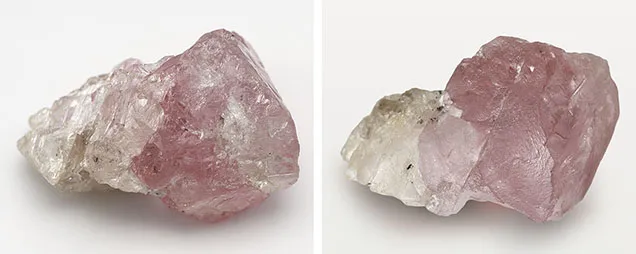
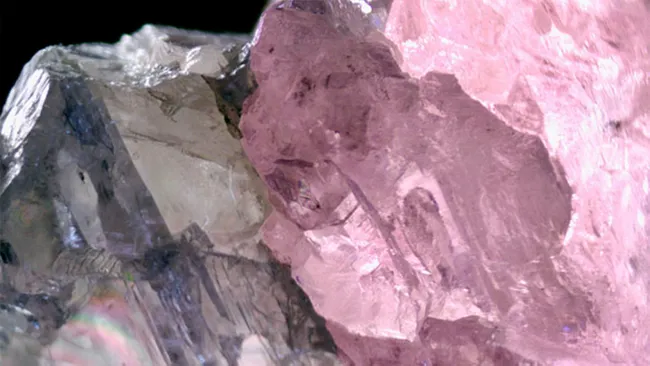
Rare Half-Pink 37.4-Carat Diamond Unearthed in Botswana

Rare Half-Pink 37.4-Carat Diamond

A remarkable two-coloured natural diamond has been discovered in Botswana, astonishing experts with its size and formation. The gem half pink and half colourless weighs an impressive 37.41 carats and measures approximately 24.3 x 16 x 14.5 millimetres, according to the Gemological Institute of America (GIA).

The GIA describes the stone as having formed in two distinct geological stages. Sally Eaton-MagaƱa, Senior Manager of Diamond Identification at the GIA, explained that the pink section likely began as colourless before undergoing plastic deformation possibly caused by a mountain-forming event millions of years ago. This natural deformation altered the crystal lattice, giving rise to the diamond’s vivid pink hue. The colourless section, in contrast, appears to have formed later under more stable conditions.

half pink and half colourless weighs an impressive 37.41 carats

Pink diamonds are among the rarest gems on Earth, prized for their beauty and scientific intrigue. Unlike coloured diamonds that owe their hue to trace elements or radiation exposure, pink diamonds result from structural distortions within the crystal lattice. This phenomenon must occur under highly specific pressure and temperature conditions too little deformation and the diamond remains colourless; too much and it turns brown.

“It’s a geological balancing act like Goldilocks,” noted Curtin University geologist Luc Doucet, referencing the fine threshold that determines a diamond’s colour outcome.

What makes this new discovery even more extraordinary is its size. While other bi-coloured diamonds have been documented, they are typically no larger than 2 carats. The 37.4-carat specimen from Botswana represents a significant leap in both scale and scientific importance.

The diamond was unearthed at Lucara Diamond Corporation’s Karowe mine, one of the world’s most productive sources of exceptional diamonds. The Karowe mine has previously yielded some of the most celebrated finds in modern history, including the 2,488-carat “Motswedi” diamond, the second-largest rough diamond ever recovered, and the 62-carat “Boitumelo” pink diamond.

This latest discovery further cements Botswana’s position at the forefront of the global diamond industry and provides scientists with another remarkable glimpse into the complex natural processes that create the Earth’s most coveted gemstones.

Source: DCLA

Friday, 17 October 2025

$20 Million ‘Glowing Rose’ Pink Diamond to Headline Sotheby’s Geneva Auction

10.08-carat fancy vivid pink diamond ring, named The Glowing Rose

A rare 10.08-carat fancy vivid pink diamond ring, named The Glowing Rose, is set to take centre stage at Sotheby’s upcoming High Jewellery sale in Geneva on 12 November. Expected to achieve around USD 20 million, the stone represents one of the most important pink diamonds to reach the auction block in recent years.

This exceptional cushion brilliant-cut diamond crafted by luxury jeweller Boodles originates from a 21-carat rough unearthed in Angola in 2023. Its vivid, pure pink hue and balanced proportions exemplify the rarest qualities of natural fancy coloured diamonds. According to Sotheby’s, it is only the third cushion cut vivid pink diamond over 10 carats to appear at auction within the past decade.

The cushion cut, recently popularised by Taylor Swift’s engagement ring, has become increasingly sought after among collectors for its romantic and timeless appeal.

Sotheby’s has a strong record of achieving exceptional results for vivid pink diamonds. In 2022, the auction house sold the Williamson Pink Star an 11.15 carat, fancy vivid pink, internally flawless diamond for USD 57.7 million in Hong Kong. The following year, a 10.57 carat vivid purplish-pink diamond fetched USD 34.8 million in New York. Earlier this year, Sotheby’s Geneva achieved USD 21.5 million for the Mediterranean Blue, a 10.03-carat fancy vivid blue diamond.

“With the continued global demand for rare coloured diamonds, we are delighted to present The Glowing Rose,” said Jessica Wyndham, Head of High Jewellery at Sotheby’s Geneva. “Following the remarkable success of the Mediterranean Blue, this sale offers collectors another extraordinary opportunity to acquire a truly exceptional gem.”

Before its appearance in Geneva, The Glowing Rose will be showcased in Singapore and Taipei, giving collectors and connoisseurs a preview of one of the year’s most significant pink diamonds.

DCLA notes that fancy vivid pink diamonds remain among the most coveted and valuable gems in the world, combining extraordinary rarity with strong global demand from collectors and investors alike.

Friday, 5 September 2025

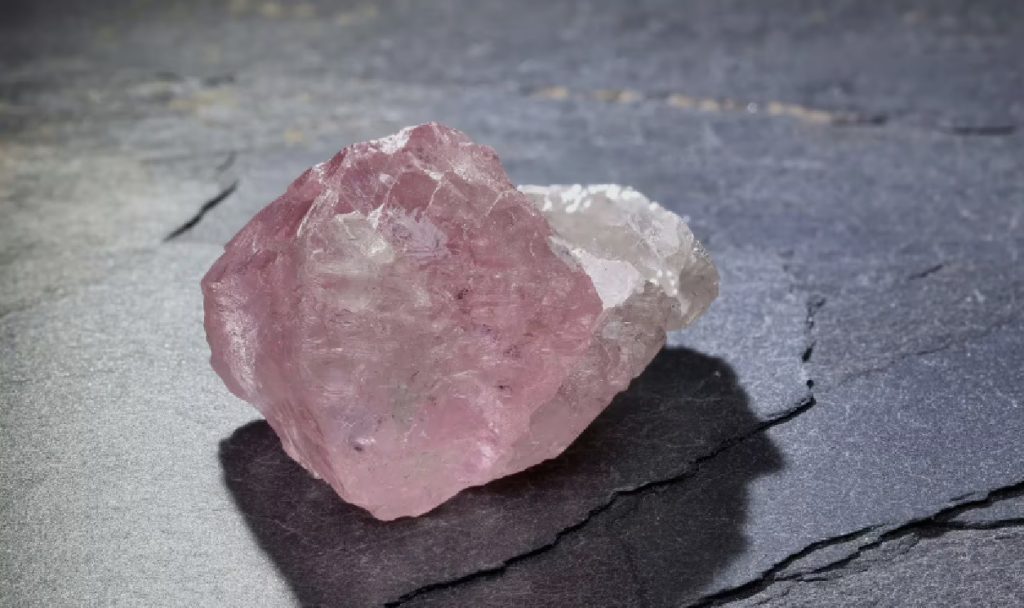
Lucara Recovers Rare 37-Carat Pink Diamond from Karowe

37-Carat Pink Diamond from Karowe

Lucara Diamond Corp. has announced the recovery of a rare and unusual pink diamond from its Karowe mine in Botswana.

The 37.42-carat stone, classified as a Type IIa, was unearthed in August and is described as near-gem quality with a distinctive bicoloured appearance. While the majority of the diamond displays an intense pink hue, part of the stone appears partially colourless an exceptionally rare feature.

HB Antwerp, Lucara’s cutting and technology partner, described the discovery as “a rare and remarkable find.” Oded Mansori, co-founder of HB Antwerp, noted:
“This stone has the potential to become one of the most important pink diamonds ever polished. Its intensely rich coloration is a testament to the geological uniqueness of the Karowe mine, and our expertise in the manufacturing process will ensure its vibrant colour is maximised.”

The recovery underscores Karowe’s reputation as a consistent source of exceptional diamonds. Also in August, Lucara recovered a 1,019.85-carat non-gem-quality diamond, the third stone of more than 1,000 carats to be found at Karowe in 2025. This brings the total number of diamonds over 1,000 carats from the mine to nine.

Both diamonds were recovered from the EM/PK(S) section of the deposit using Lucara’s Mega Diamond Recovery (MDR) unit, an advanced X-ray transmission system installed in 2017 to identify and preserve large stones. The MDR is credited with detecting several of Karowe’s most significant recoveries, including the 2,492-carat diamond discovered in August 2024—the second-largest rough diamond ever found.

Meanwhile, Lucara has announced a $10 million drawdown from its $63 million standby loan facility with Nemesia, its largest shareholder, to address short-term funding needs for the Karowe underground expansion project. The $683 million project, now scheduled for completion in the first half of 2028, is expected to extend the mine’s life to at least 2040.

Lucara President and CEO William Lamb said the arrangement reflects the company’s commitment to financial prudence while advancing the underground project.
“This funding mechanism demonstrates the continued confidence and support of our major shareholders in Lucara’s long-term strategy and in the exceptional value potential of the Karowe mine, including the ongoing recovery of some of the world’s most significant diamonds.”

Source: DCLA

Thursday, 4 September 2025

Sotheby’s to Sell 31.86 carat Pink Diamond in Abu Dhabi

Desert Rose 31.86 carat Pink Diamond

Sotheby’s is to offer for sale the largest fancy vivid orangy pink diamond ever graded, at a debut event in Abu Dhabi in December.

The pear-shaped gem, known as the Desert Rose, weighs 31.86 carats and is expected to fetch $5m to $7m.

It is the jewelry highlight of Sotheby’s inaugural Abu Dhabi Collectors’ Week of exhibitions, sales, masterclasses and panel discussions.

The Desert Rose is part of a single-owner collection of watches and jewelry, including vintage and contemporary signed pieces, that is estimated to raise more than $20m in total.

Among the watch highlights is an exceptionally rare Rolex “Oyster Albino” Daytona, reference 6263, produced in the late 1960s and early 1970s, with an estimate of $500,000 to $1m.

Abu Dhabi Collectors’ Week takes place from 2 – 5 December on Saadiyat Island, just off the Abu Dhabi coast.

It coincides with the Abu Dhabi Grand Prix and features auctions of collector cars, real estate, and international fine art exhibitions.

Source: DCL

Tuesday, 5 August 2025

The Kao Legend Collection: A Rare Suite of Pink Diamonds from Lesotho

A Rare Suite of Pink Diamonds from Lesotho

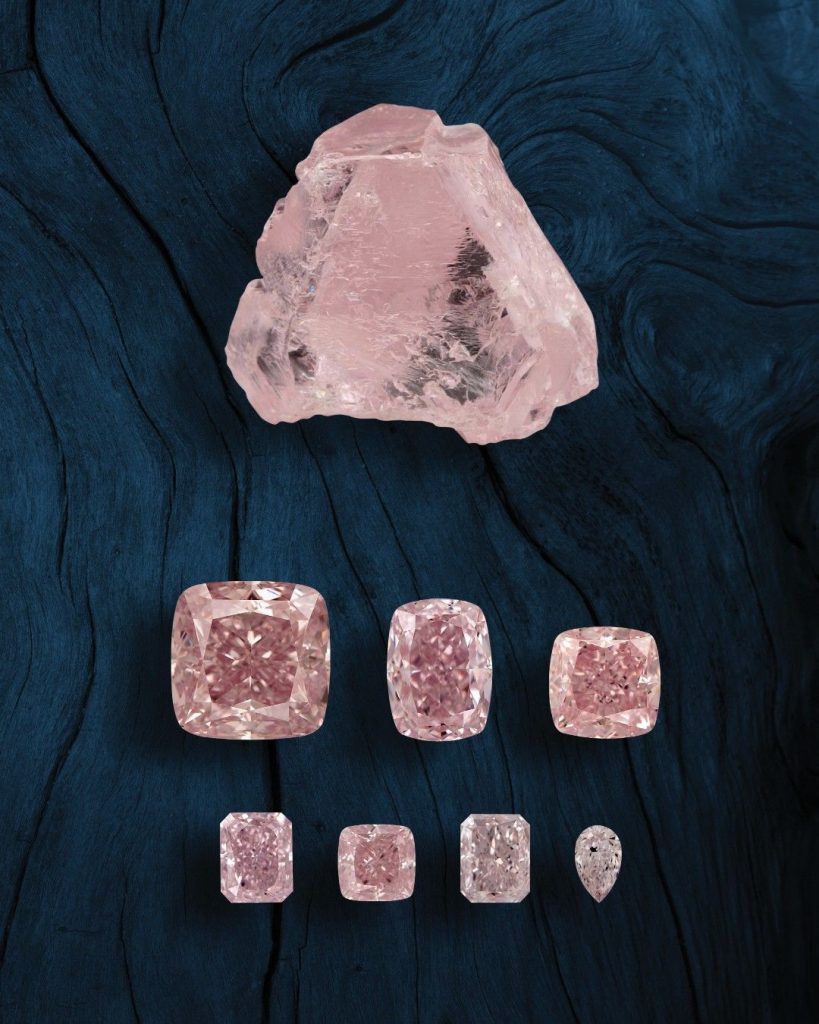
The Kao Legend Collection represents an extraordinary achievement in diamond cutting and curation. Cut from a single 108.39-carat pink diamond crystal unearthed at the renowned Kao Mine in Lesotho, this suite features seven magnificent pink diamonds each documented in detail by the GIA Monograph.

At the heart of the collection lies the Kao Legend, a 20.49-carat diamond graded Fancy Intense Purplish Pink by the Gemological Institute of America (GIA). The accompanying diamonds in the collection range in colour from Fancy Intense Purplish Pink to Faint Pink, showcasing a delicate and rare spectrum of pink hues.

What sets this collection apart is not only its shared origin and harmonious beauty but also the diamonds’ classification. All seven are Type IIa diamonds known for their exceptional chemical purity and rarity, comprising less than 2% of all natural diamonds. Type IIa pink diamonds are especially coveted for their remarkable clarity and vibrant colour saturation.

The Kao Mine, one of Lesotho’s most prominent diamond sources, has established a reputation for yielding high-quality pink diamonds. Alongside the Kao Legend, the mine also produced the celebrated Pink Eternity, a 47.80-carat gem of international acclaim.

For gemmologists and collectors alike, the Kao Legend Collection exemplifies nature’s artistry and the pinnacle of diamond excellence.

Wednesday, 18 June 2025

Rare purple diamond unearthed at Diavik

Vibrant 0.45-carat gem adds final flourish to Diavik's closing years.

Vibrant 0.45-carat gem adds final flourish to Diavik’s closing years.
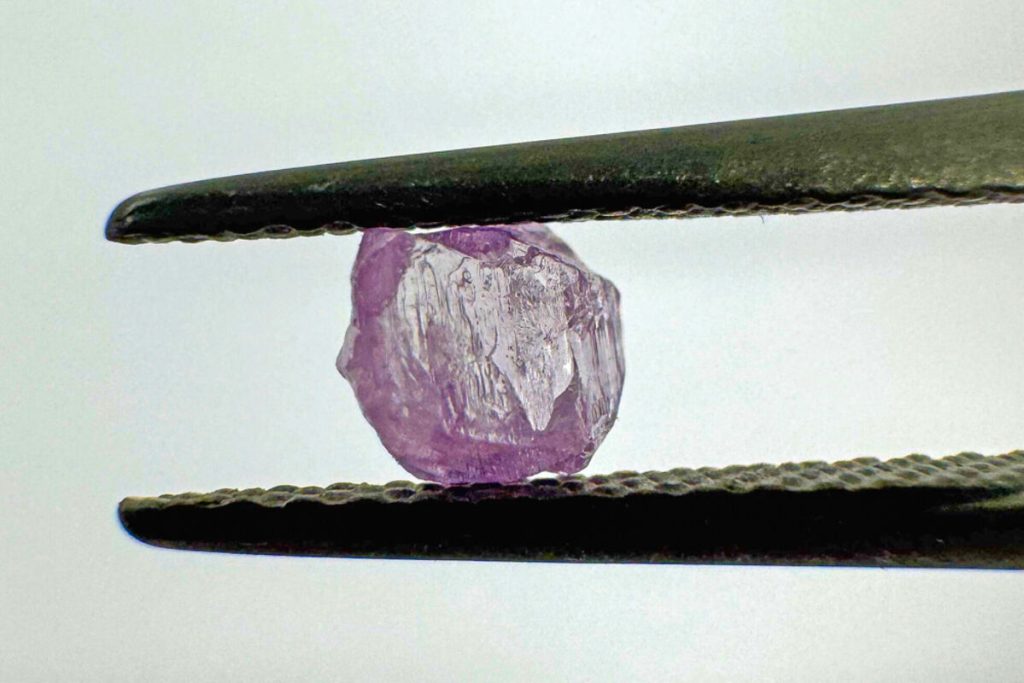
Just when it seemed Diavik had given all it could give, a rare purple diamond has been unearthed at the Northern Canadian mine – a 0.45-carat stone that stands out in a region better known for producing predominantly colorless gems and the occasional yellow stone, adding a splash of unexpected color as the operation approaches the final years of its mine life.

The discovery, quietly announced by Rio Tinto via social media, comes just weeks after the recovery of a 158.2-carat yellow diamond and a 50-million-year-old petrified log – both of which drew attention to the remarkable geological and historical treasures still surfacing from the remote subarctic site.

“We recently had a unique discovery at Diavik – a rare purple diamond weighing in at 0.45 carats,” the company wrote in a social media post on LinkedIn.

“Diavik diamonds are typically white, so this came as a pleasant surprise,” the post continued. “The purple colour likely comes from a trace element such as hydrogen or a twist in the crystal lattice structure of the diamond. The shape of the rough diamond is known as a ‘makeable’ which means it will likely be cut into a single diamond.”

Though small in size, the stone is striking for its rarity, with colored diamonds of any kind making up less than 1% of Diavik’s total production over more than two decades of operation.

Among them, purple diamonds are the rarest, their distinctive hue typically attributed to hydrogen impurities or plastic deformation deep in the Earth’s mantle – a result of the intense pressure and heat that alters the crystal structure during formation.

In gemological terms, purple diamonds are often classified under the broader category of “fancy color” stones, though few attain the deep saturation necessary for that label. More often, their shades fall within the purplish-pink or violet spectrum, with pure purple standing as one of the most elusive colors in the diamond world.

For Diavik, the recovery of such a specimen near the end of its mine life serves as both a scientific curiosity and a symbolic capstone.

Since beginning production in 2003, the mine has yielded over 140 million carats of rough diamonds – predominantly colorless, with a handful of exceptional yellow stones including the 552-carat “egg” discovered in 2018 and the more recent 158.2-carat find earlier this year.

Yet, while the occasional yellow diamond has offered moments of brilliance, the purple discovery stands out for its singularity.

While not the first purple diamond recovered from Diavik – industry veterans have noted smaller specimens dating back more than a decade – this 0.45-carat stone ranks among the most notable, particularly for its size, clarity, and timing near the end of the mine’s operational life.

Purple diamonds are so rare that only a few notable examples have surfaced globally, often fetching premium prices far beyond their white or even pink counterparts. Their appearance in the trade is sporadic, and their origin even more geographically restricted – making a Canadian purple diamond an especially uncommon occurrence.

Diavik’s purple gem is expected to be cut into a single polished stone, though no details have been released about where it might end up – in private hands, a high-profile auction, or perhaps a Canadian institution.

Whatever its path, the find adds a final chapter to Diavik’s legacy – a small but vibrant reminder that even in its twilight, the remote Arctic mine remains full of surprises.

Source: DCLA

Wednesday, 28 May 2025

3 ct Pink Diamond could Fetch $1.6m

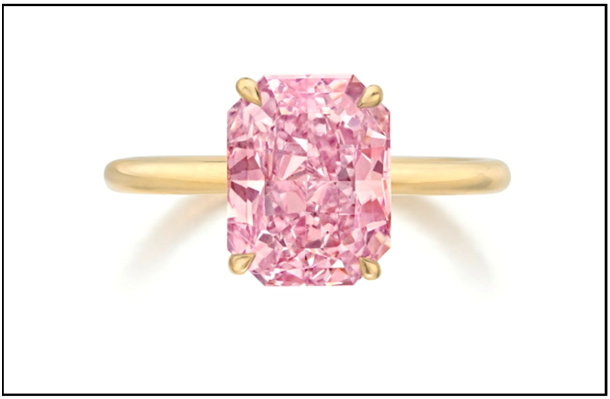
3 ct Pink Diamond ring

A fancy intense 3.03-carat pink diamond is among the highlights at Phillips’ New York Jewels Auction next month with a $1.2m to $1.6m estimate.

Other diamonds of note include a 4.43-carat oval fancy vivid yellow diamond ring (estimate $75,000 to $125,000), and a colorless emerald-cut diamond weighing 6.03 carats (F color, VVS1 clarity) with a $90,000 to $150,000 estimate. All three diamonds are set in rings.

The sale also features Etoile de Mer, a starfish-shaped sapphire, tsavorite, and diamond brooch by Jean Schlumberger, the French jewelry designer who famously revitalized Tiffany & Co during his tenure there, from 1956.

Among the 105 lots there is also a selection of signed jewels from Van Cleef & Arpels, Bulgari, Chaumet, and others. The sale is on 12 June.

Source: IDEX

Wednesday, 9 April 2025

See The World’s Rarest Diamonds, Worth a Total of $100 million, in Abu Dhabi

All together, the spectacular diamonds are worth around $100 million

Sotheby’s, in partnership with the Abu Dhabi Investment Office, is exhibiting extremely rare coloured diamonds at Bassam Freiha Art Foundation this week, in the biggest showcase of diamonds outside of the Smithsonian Museum in Washington DC.

All together, the spectacular diamonds are worth around $100 million. The largest flawless diamond in the world, the largest vivid orangey pink diamond ever graded, the second largest red diamond known to exist and several diamonds over 100 carats are included in the collection, which will be available for public view this Wednesday, April 9 and Thursday, April 10.

See The World's Rarest Diamonds Worth a Total of 100 million at Sotheby's Abu Dhabi

“The exhibition is incredibly exciting for the simple reason that to purely just have eight diamonds of this calibre in the same room is something that is worthy of one of the great museums in the world, and I can’t imagine that we will ever see this array together again,” says Paul Redmayne, Sotheby’s senior vice president for luxury private sales. “It is definitely a career highlight for me to see these stunning gemstones side by side, and I look forward to no doubt witnessing many a jaw drop as the public come through the doors.”

The star of the showcase is none other than The Mediterranean Blue. Weighing 10.03 carats, this Fancy Vivid Blue rarity has earned the highest GIA colour grading and a coveted Type IIb classification, an elite status held by less than 0.5 per cent of diamonds. Its cushion cut intensifies its liquid-like saturation, an electrifying depth that feels almost surreal. With an estimated value of $20 million, The Mediterranean Blue will be the highlight of Sotheby’s High Jewellery Sale on May 13 in Geneva.

See The World's Rarest Diamonds Worth a Total of 100 million at Sotheby's Abu Dhabi

“The Mediterranean Blue diamond on its own is an incredibly rare stone, and ticks so many of the boxes that you could look for: it is a connoisseur’s diamond, whilst also being infinitely wearable,” shares Redmayne. “The depth of the blue is unrivalled, and even to someone who knows nothing about diamonds, it’s clear to see what makes it so special.”

The diamond is a timeless symbol of love, power, beauty and status – but a captivating collection of this stature is awe-inspiring at an entirely different level; a once-in-a-lifetime experience in the UAE’s capital city, which Redmayne says marks an incredibly exciting moment in the city’s history. “This project further enriches the dynamic landscape of Abu Dhabi for both collectors and the general public,” he says.

Source: voguearabia

Thursday, 23 January 2025

Petra’s entire interest in Williamson headed for Tanzania’s Pink Diamonds

Tanzania's Pink Diamonds.

An agreement has been entered into for the outright sale of Williamson Diamonds Limited, Petra Diamonds announced on Wednesday.

The London-listed and South Africa-active Petra is taking steps to sell its entire shareholding in the Tanzanian entity to Pink Diamonds Investments for a headline consideration of up to $16-million.

This follows Petra’s sale in May of just under half of the asset, in which the Tanzanian government has a stake, for $15-million via long-term technical services contractor Taifa Mining.

Since then, Williamson’s coming under consolidated ownership has emerged increasingly as the preferred way forward.

As a Taifa affiliate, Pink Diamonds is viewed by Petra CEO Richard Duffy as possessing the technical and financial capability to conduct operations in a responsible manner for all stakeholders.

As a wholly Tanzanian-owned company with more than three decades of mining-related experience, Taifa’s working relationships extend to mining majors such as De Beers, Barrick and AngloGold Ashanti. It is now entering a phase of exclusive ownership of the asset where about 1 100 people are employed, most of them Tanzanian.

The mine’s reserves and resources as of June 30 were reported as 37.17-million carats. With liquidity challenges continuing, further capital investment will be required.

“We look forward to working closely with the Mining Commission, the Fair Competition Commission, employees, community representatives and other key stakeholders in completing the sale as soon as possible,” Duffy stated in a stock exchange announcement accessed by Mining Weekly.

In South Africa, Petra operates the Cullinan diamond mine in Gauteng and the Finsch diamond mine in the Northern Cape.

“We’re committed to adopting and adhering to the latest internationally recognised standards throughout all aspects of our business,” said Pink Diamonds chairperson Rostam Azizi, whose family are from the area around Mwadui, the other name for the Williamson mine, which is situated 23 km north-east of Shinyanga in northern Tanzania.

Mining Weekly can report that the discovery of the kimberlite pipe by Canadian geologist John Williamson in 1940 led to ongoing operation since then, making it one of the world’s oldest continuous operating diamond mines. Its yield of 19-million-plus diamond carats includes the 54.5 ct Williamson pink diamond presented to British royalty in 1947.

Source: DCLA

Wednesday, 6 November 2024

Red and Pink Diamonds Lead Sotheby’s Sale

A 16.73 carat very light pink diamond is expected to sell for CHF 1.1m to CHF 1.8m ($1.3m to $2m) in Sotheby's Geneva Magnificent Jewels Sale.

A 16.73 carat very light pink diamond is expected to sell for CHF 1.1m to CHF 1.8m ($1.3m to $2m) in Sotheby’s Geneva Magnificent Jewels Sale.

Another highlight of the sale, which features many colored diamonds, is a 1.44 carat fancy red diamond (the rarest of all diamond colors) from Australia’s iconic Argyle mine.

They’ll be offered for sale next week (13 November) in a live auction of 88 lots, including pieces by Cartier, Van Cleef & Arpels, Tiffany, Bulgari and JAR, spanning 250 years of jewelry history.

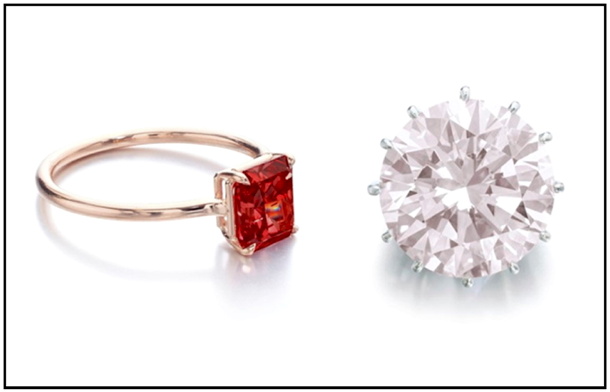
The pink diamond is claw-set in a ring, VVS1-clarity, natural color with a brilliant cut. The red diamond is also claw-set in a ring, with a cut-cornered rectangular mixed cut, together with an Argyle mine presentation case.

“The sale is a celebration of exceptional craftsmanship, with signed jewels from the most esteemed makers of the 20th century,” says Sotheby’s. The sale also offers a number of coloured diamonds of outstanding quality and size, within the rarest of colors.”

Source: IDEX

Wednesday, 2 October 2024

4ct. Pink Diamond Takes Spotlight at Sotheby’s

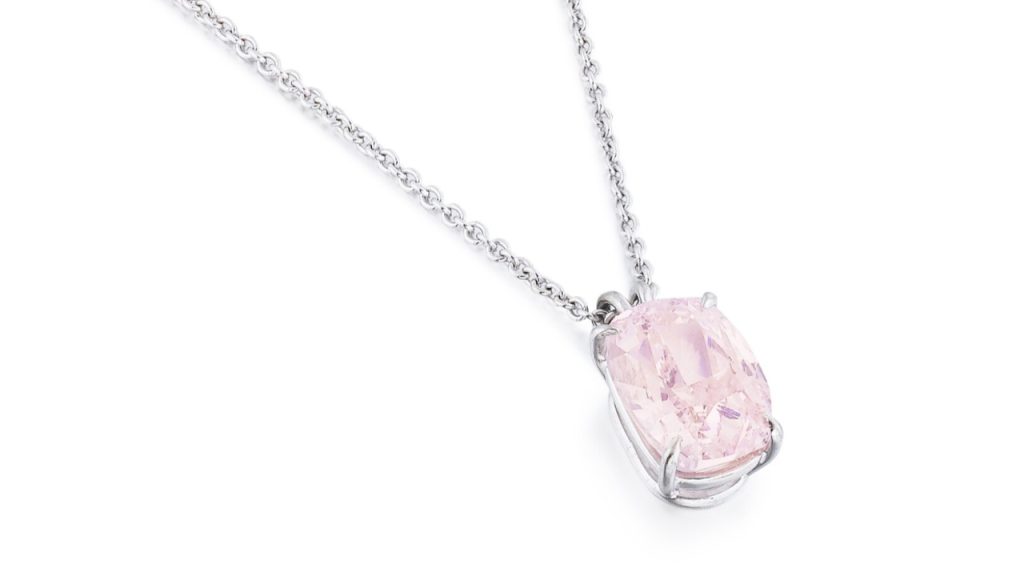
A fancy-pink diamond pendant is set to headline an upcoming jewelry auction at Sotheby’s in Paris

A fancy-pink diamond pendant is set to headline an upcoming jewelry auction at Sotheby’s in Paris, where it is expected to fetch up to EUR 550,000 ($612,797).

The cushion-cut, 4.03-carat diamond piece will feature at the October 10 Fine Jewels sale, according to the Sotheby’s website. The auction will also offer jewels from Cartier, Van Cleef & Arpels, and Giovanni Ferraris.   

Additionally, the event will showcase more than 80 pieces from the collection of British singer Dame Shirley Bassey, including diamond jewelry Elton John gifted her.   

Here are the rest of top 10 jewels that will be auctioned:   

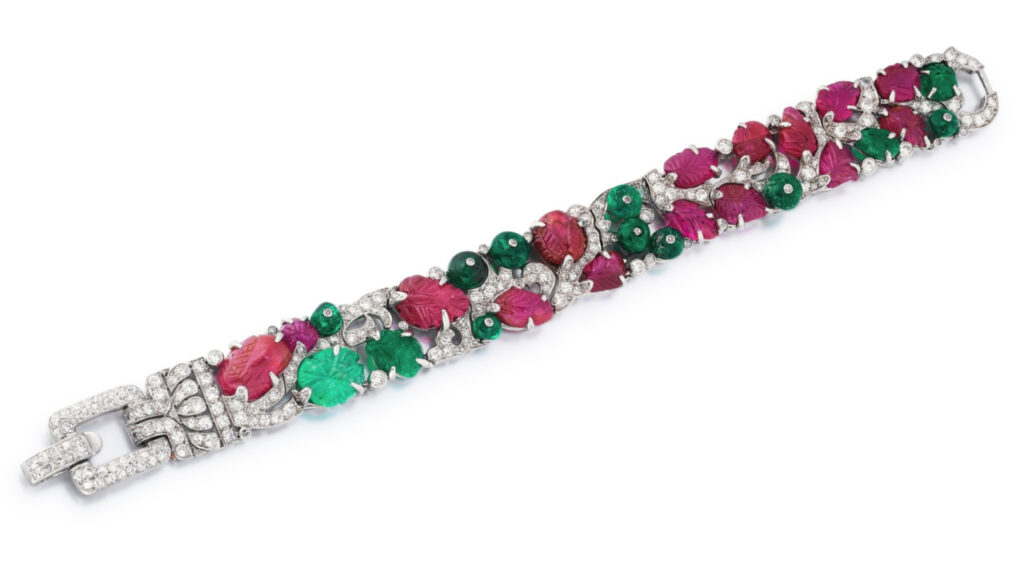
Cartier Tutti Frutti bracelet
This Cartier Tutti Frutti bracelet designed as a band of articulated branches —embellished with carved emeralds, rubies and emerald beads drill-set with single-cut diamonds — carries a top estimate of EUR 450,000 ($501,395).   
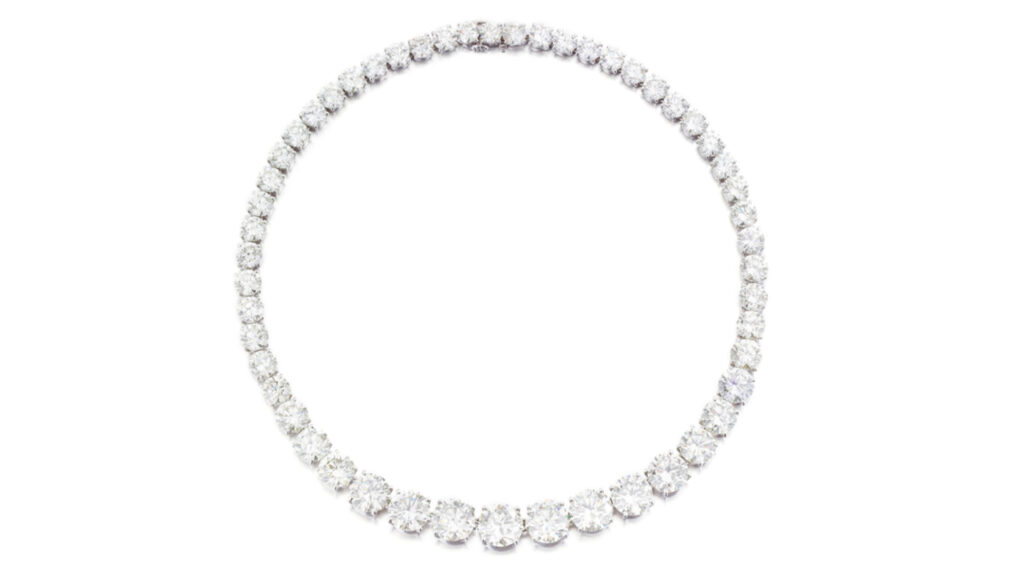
necklace from the Shirley Bassey collection
A necklace from the Shirley Bassey collection composed of a row of graduated brilliant-cut diamonds, with the main ones weighing 5.50, 5.36, and 4.61 carats, could sell for up to EUR 280,000 ($311,798).   
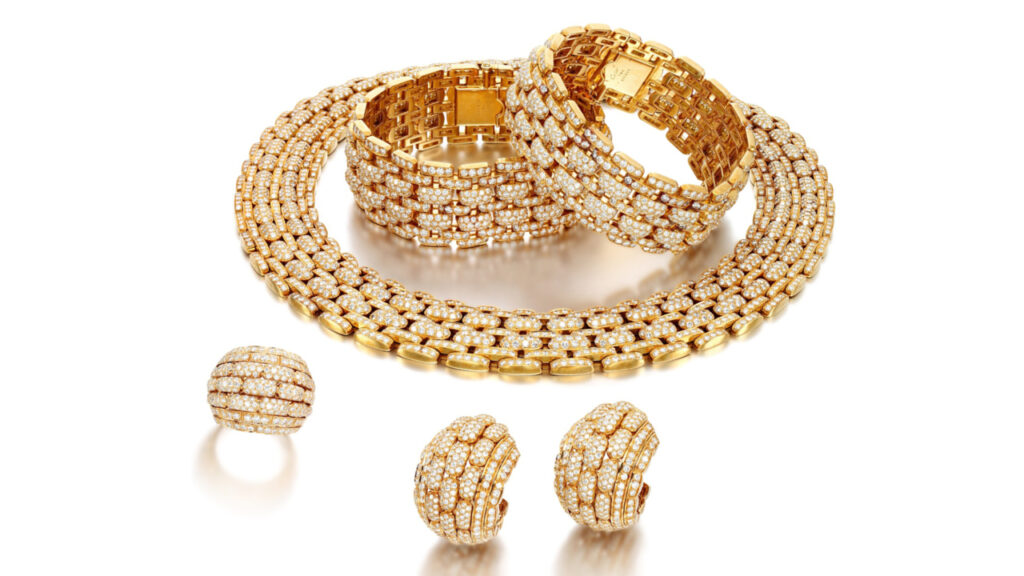
gold and diamond Cartier set comprising a necklace, two bracelets, a pair of ear clips, and a ring image
Sotheby’s will offer this gold and diamond Cartier set comprising a necklace, two bracelets, a pair of ear clips, and a ring, each paved with brilliant-cut diamonds, for a high price of EUR 260,000 ($289,687).   
gold and diamond Cartier set comprising a necklace, two bracelets, a pair of ear clips, and a ring
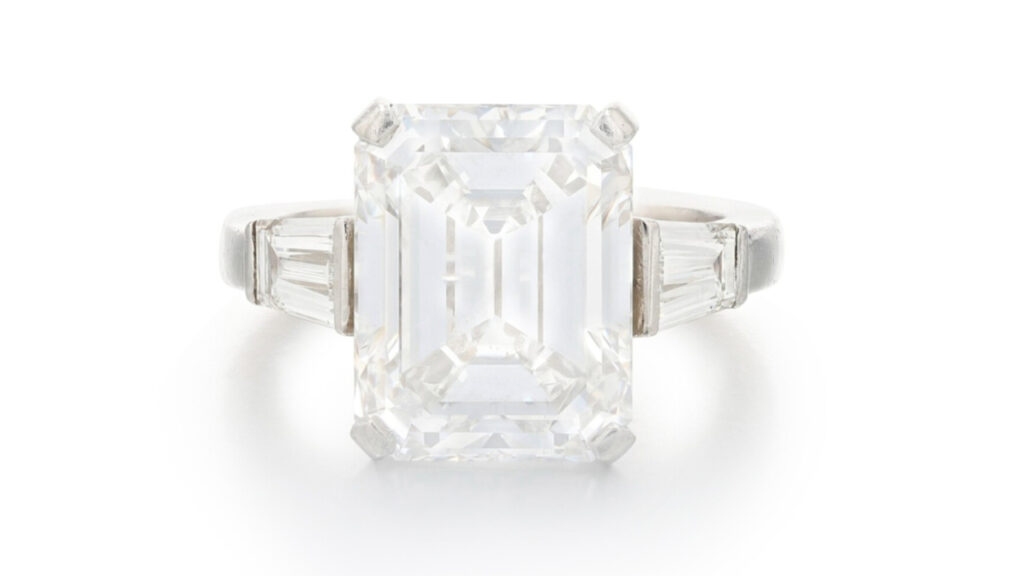
A David Morris ring bearing a rectangular step-cut, 7.15-carat diamond of F color and internally flawless clarity, flanked by tapered baguette diamonds, is expected to bring in EUR 140,000 to EUR 250,000 ($155,990 to $278,554).   
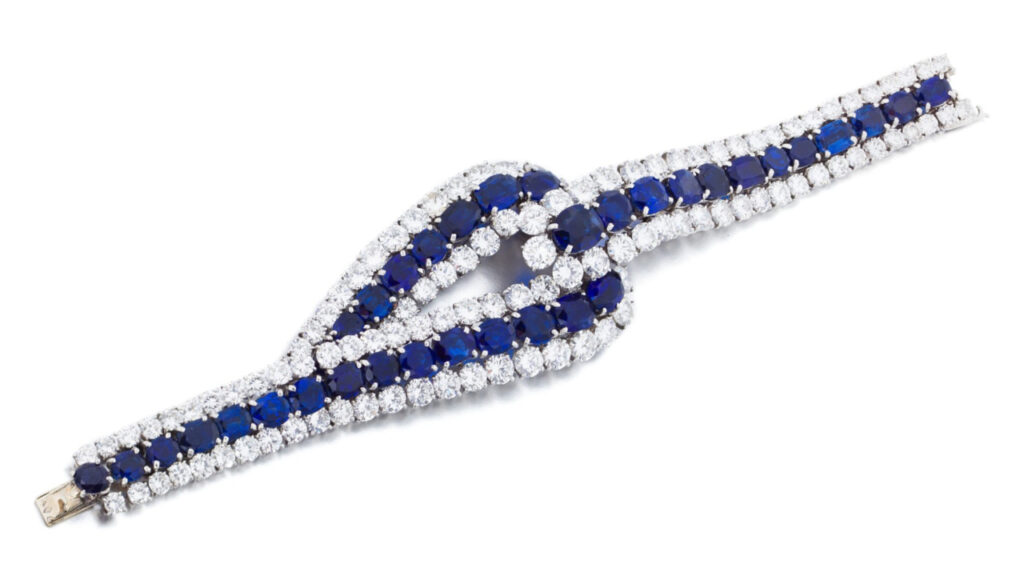
sapphire and diamond bracelet by Van Cleef & Arpels
This sapphire and diamond bracelet by Van Cleef & Arpels forms a stylized buckle set with a row of oval sapphires framed by brilliant-cut diamonds. It has a presale range of EUR 140,000 to EUR 240,000 ($155,990 to $267,410).  
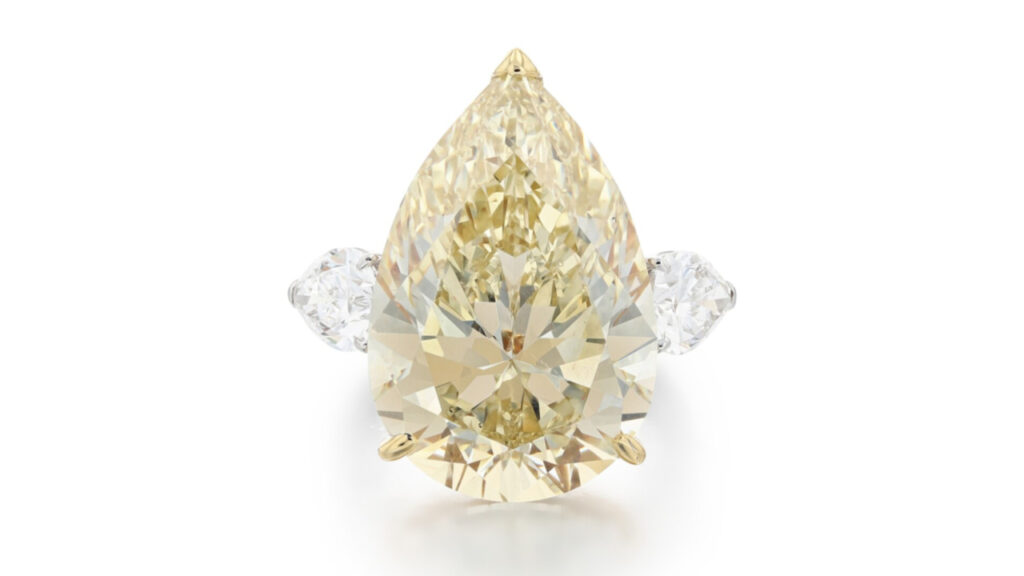
ring with a pear-shaped, fancy-brownish-yellow diamond image
This ring with a pear-shaped, fancy-brownish-yellow diamond weighing 20.03 carats could achieve as much as EUR 220,000 ($245,116).   
oval sapphire within a double surrounding of brilliant-cut diamonds
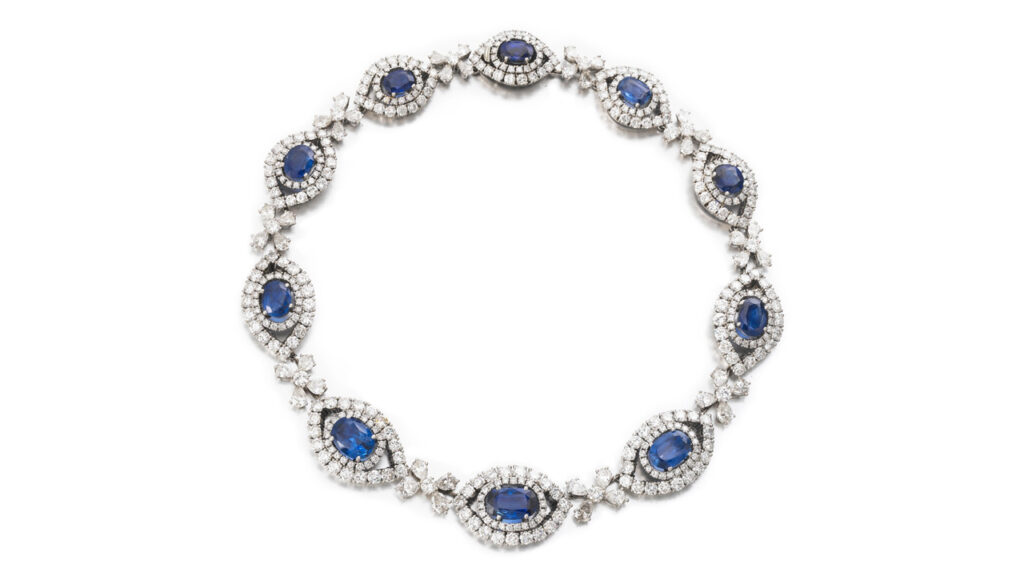
A necklace composed of openwork and oval motifs, each set with an oval sapphire within a double surrounding of brilliant-cut diamonds, has an upper price of EUR 180,000 ($200,540).
diamond ring with marquise-shaped diamond shoulders image
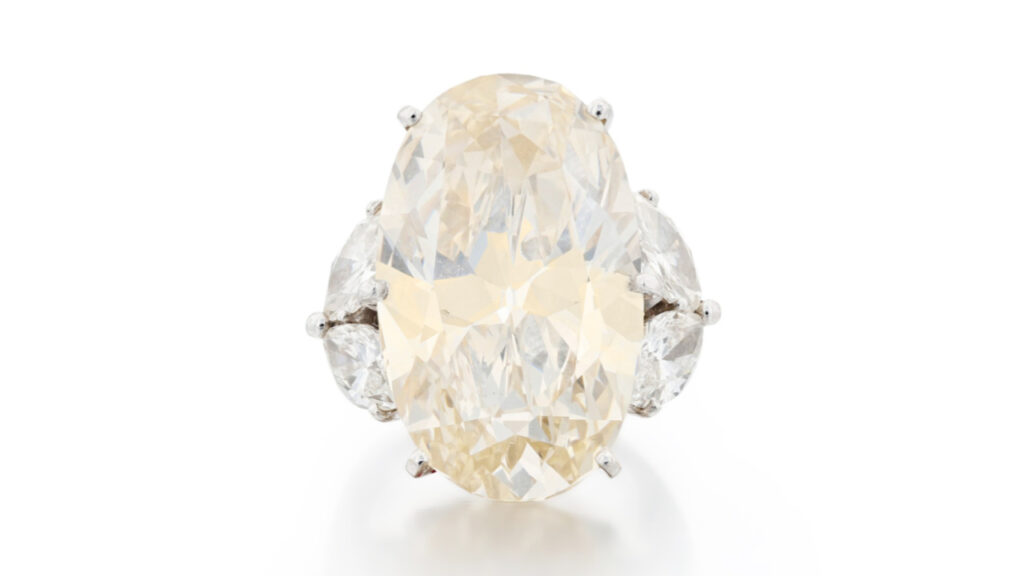
A 21.17-carat, fancy-light-brown-yellow, SI2-clarity diamond ring with marquise-shaped diamond shoulders is anticipated to realize up to EUR 170,000 ($189,415).   
5.06-carat diamond flanked by triangular diamonds
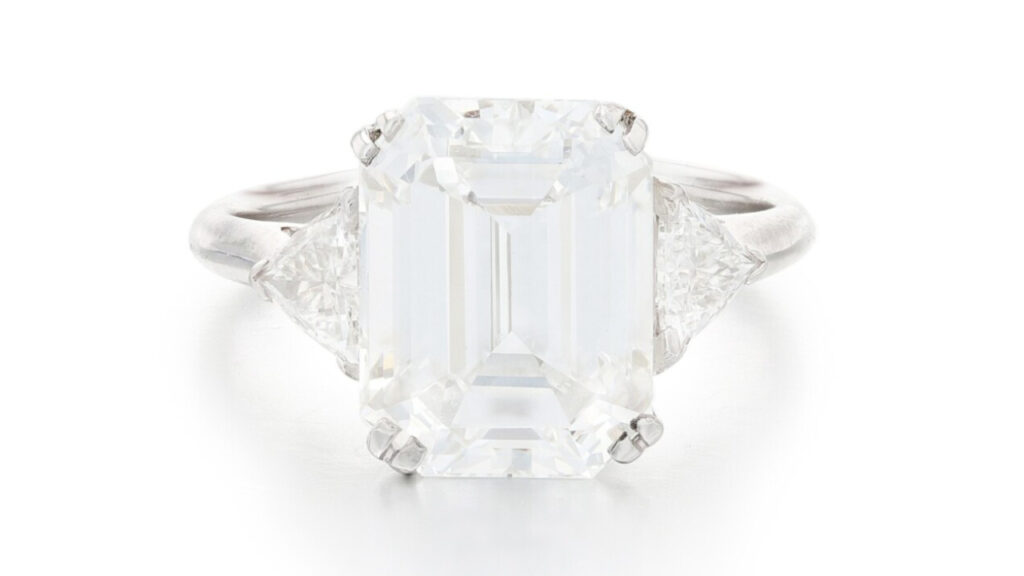
This claw-set ring with a rectangular step-cut, 5.06-carat diamond flanked by triangular diamonds carries a high estimate of EUR 150,000 ($155,990).  

Thursday, 5 September 2024

Perth Mint continues luxury diamond coin series with turtle

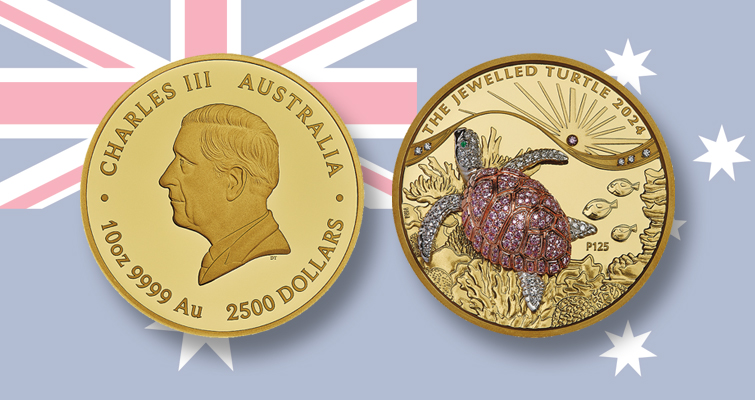
Each Jewelled Turtle coin is a Proof 10 ounce .9999 fine gold $2,500 denominated coin

The Perth Mint continues its Jewelled series of coins with a 10 ounce gold Jewelled Turtle coin with a mintage of eight coins.

And it comes with a price tag of $269,000 Australian ($182,229 U.S.).

This is the seventh release in the Jewelled series. It features a handset rare trademarked Argyle Pink Diamond and lustrous white diamonds that form the head and limbs of the three dimensional 18 karat gold turtle.

Each Jewelled Turtle coin is a Proof 10 ounce .9999 fine gold $2,500 denominated coin, with the centerpiece the 18-karat gold sea turtle surrounded by depictions of coral and dory fish.

The turtle’s head and limbs are embellished with 52 white diamonds, and two emeralds for its eyes. Additional white diamonds are set in a ribbon shaped line symbolizing the sea surface, with an Argyle Pink Diamond set at the heart of a stylized sun.

The Jewelled Series is developed each year in association with John Glajz, a Singapore based Argyle Pink Diamonds Icon Partner.

Each Jewelled Turtle coin is presented in a luxury display case adorned with 18 karat gold furnishings and inset with two Argyle Pink Diamond.

For the first time in the series, the coin bears the Dan Thorne effigy of King Charles III, as well as the P125 privy mark for the Perth Mint’s 125th anniversary.

Source: Coinworld

Thursday, 23 May 2024

10.20-Carat ‘Eden Rose’ Diamond Could Fetch $12 Million At Christie’s

10.20-Carat ‘Eden Rose’ Diamond Could Fetch $12 Million At Christie’s

Christie’s will offer “The Eden Rose,” a 10.20-carat round brilliant fancy intense pink diamond, as the top lot of its New York Magnificent Jewels auction on June 11. Its estimate is $9 million to $12 million. It is the first time this diamond has appeared at auction.

The Gemological Institute of America report supplied by Christie’s states that the diamond is also internally flawless.

Describing it as an “exceptionally rare gemstone,” Christie’s says the gem, named after the symbol for unconditional love, it is the most significant round brilliant internally flawless fancy intense pink diamond to be offered at auction since the “Martian Pink,” which sold at Christie’s Hong Kong in 2012 for $17.4 million, equating to $1.45 million per carat.

The diamond exhibits a pure pink hue, unlike many natural pink diamonds that typically display secondary hues such as purple, orange or gray. “The Eden Rose stands out for its complete absence of any secondary color, rendering it exceptionally rare,” Christie’s said in a statement.

Rahul Kadakia, Christie’s International head of Jewelry, said in a statement that he is “anticipating significant interest from around the world.”

Christie’s says the round brilliant cut is known for its ability to maximize light reflection and is considered the ideal cut for diamonds.

The Eden Rose is mounted on a ring further adorned with eight brilliant-cut diamonds, ranging in weight from 3.11 to 0.73 carats, and two marquise brilliant-cut diamonds of 2.24 and 1.02 carats.

Source: DCLA

Friday, 5 April 2024

Phillips Showcases $15M Pink Diamond at Second Geneva Auction

Phillips Showcases $15M Pink Diamond at Second Geneva Auction

A 6.21-carat pink diamond will be the star of the second jewelry auction Phillips will hold in Geneva, where it is expected to fetch up to CHF 13.6 million ($15 million).

The fancy-vivid-pink, VS1-clarity, type IIa diamond ring is among several important and rare pieces on offer at the sale, called Geneva Jewels Auction: Two, which will take place on May 13, Phillips said Tuesday. The auction will be at the Hotel President Geneva for the first time, and it will include over 100 specially curated items from well-knowns design houses such as Cartier, JAR, Suzanne Belperron, and Van Cleef & Arpels.

Prior to the sale, Phillips will exhibit the jewels in New York; London; Taipei, Taiwan; and Singapore. The auction house will also hold a simultaneous selling exhibition called “Symbols, Colour and Form,” which will feature jewels from contemporary designers Alix Dumas and DYNE.

Here are the rest of the of the top five items Phillips will feature at the main sale:

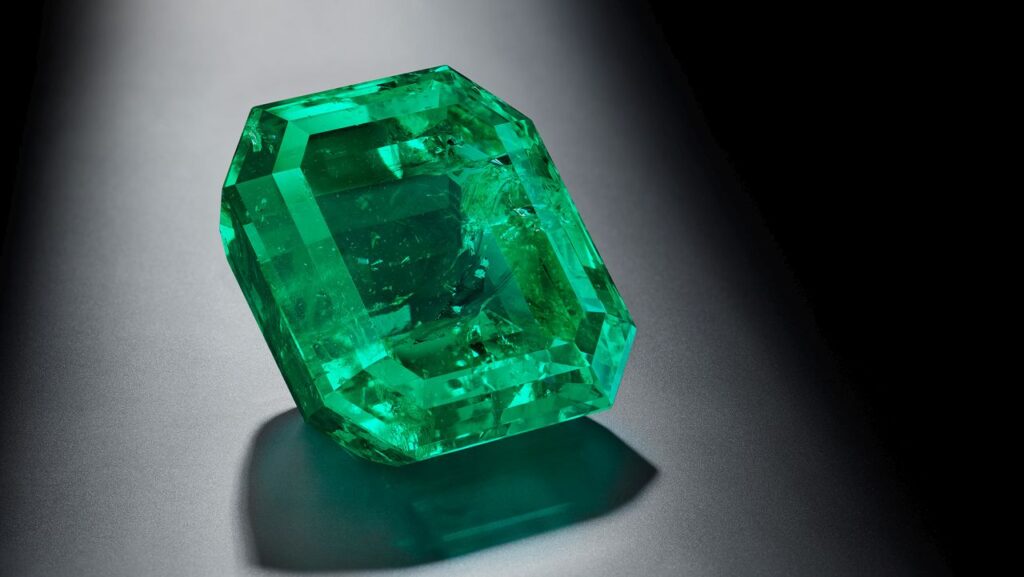
This 280.84-carat Colombian emerald is from a private collection. Known as The Amazon Queen, it carries an estimate of CHF 1.4 million to CHF 2.4 million ($1.5 million to $2.6 million).
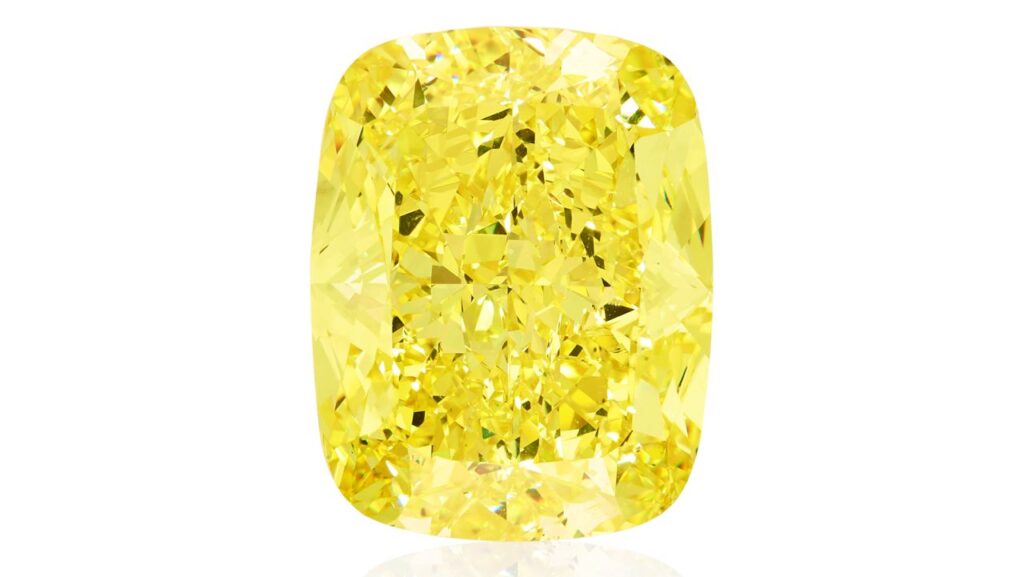
A 27.27-carat, fancy-vivid-yellow diamond ring will also go under the hammer. It is expected to bring in between CHF 1 million and CHF 1.8 million ($1.1 million to $2 million).
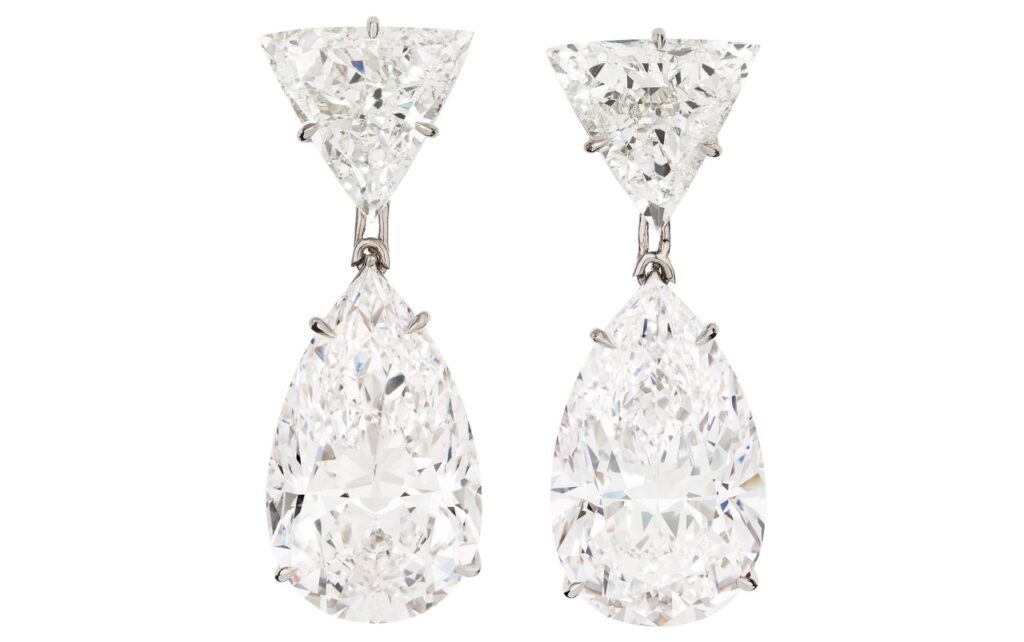
A pair of earrings set with pear-shaped, D-flawless, type IIa diamonds weighing 10.07 and 10.12 carats has a presale price range of CHF 1.2 million to CHF 1.6 million ($1.3 million to $1.8 million).
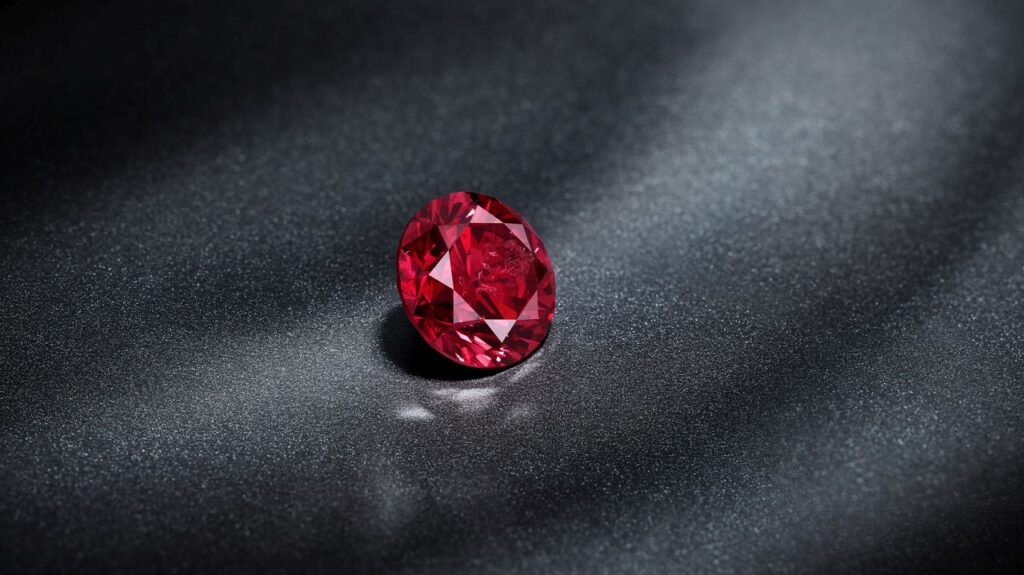
Phillips will offer this brilliant-cut, 1.56-carat, fancy-red Argyle diamond at the Geneva auction. Named The Argyle Phoenix, it is estimated at CHF 910,000 to CHF 1.4 million ($1 million to $1.5 million).

Source: DCLA

De Beers London launches Vibrations

  De Beers London presents Vibrations: a High Jewellery universe inspired by the quiet yet enduring power of inland water. The collection ce...