Showing posts with label pink argyle. Show all posts

Thursday, 29 October 2026

Geneva Auction to Feature Rare 8.63 Carat Pink Diamond

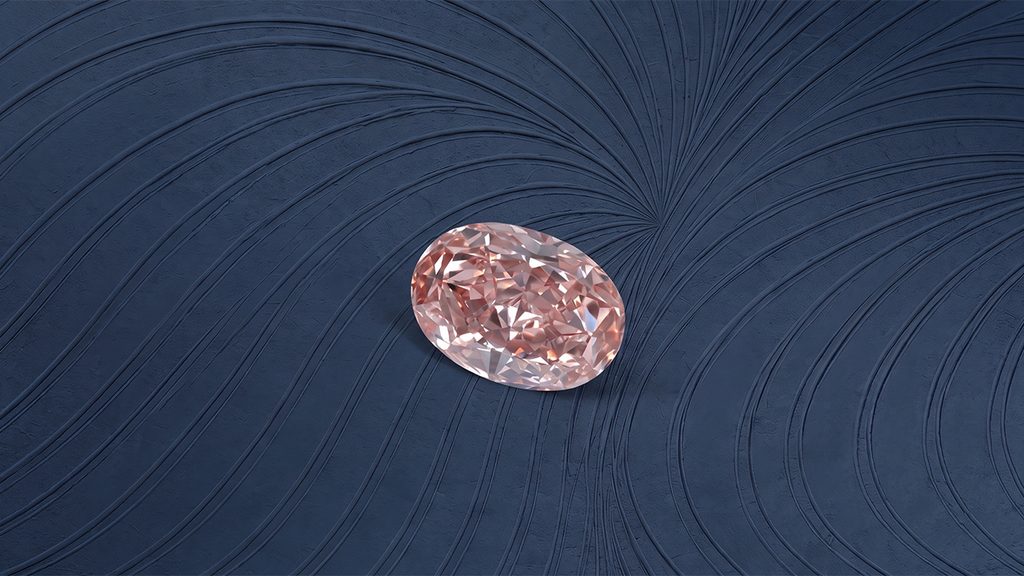
 An exceptional 8.63 carat natural pink diamond is set to take centre stage at Sotheby’s High Jewelry auction in Geneva on 11 November 2026

An exceptional 8.63 carat natural pink diamond is set to take centre stage at Sotheby’s High Jewelry auction in Geneva on 11 November 2026, with an estimated price of up to US$6 million. The stone highlights the extraordinary rarity of natural pink diamonds and the continuing fascination they hold for collectors of important gemstones.
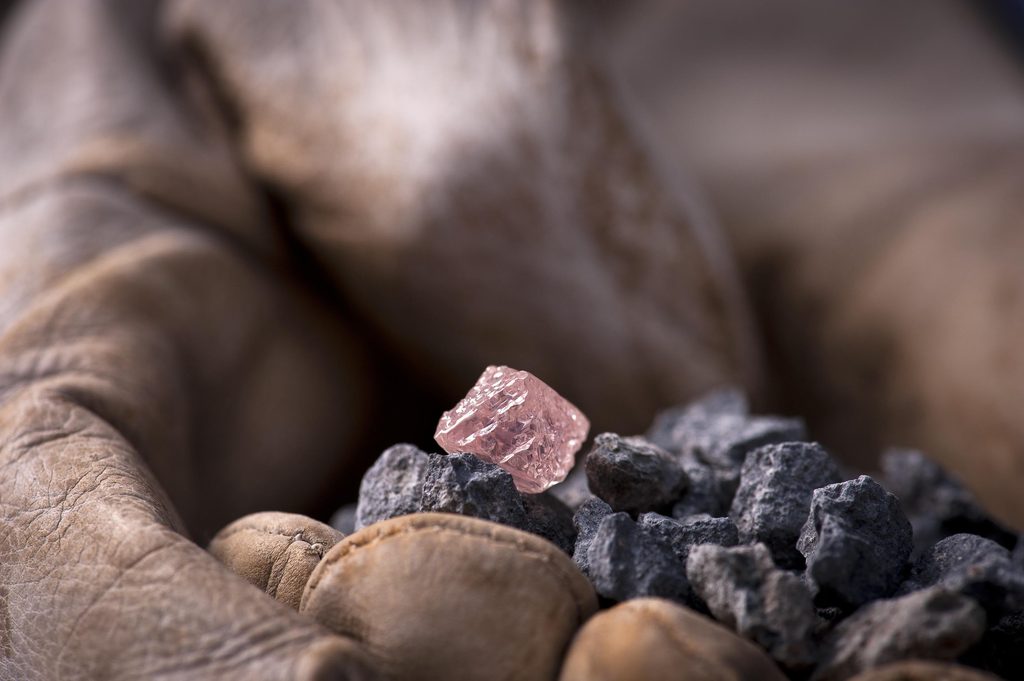
Natural pink diamonds have been recovered from several regions around the world, including Australia, South Africa, Lesotho, Tanzania, Russia, Brazil, Canada and historically India.

The unmounted oval modified brilliant cut diamond has been graded Fancy Intense Pink, VS2 clarity and Type IIa. Sotheby’s will present it as the leading lot in its High Jewelry sale, which will take place immediately before the auction house’s Royal & Noble Jewels sale in Geneva.

The diamond carries an estimated value of CHF 3.3 million to CHF 5 million, equivalent to approximately US$4 million to US$6 million. Its combination of substantial carat weight, intense natural colour and desirable gemological characteristics places it among the notable coloured diamonds appearing at international auction this season.
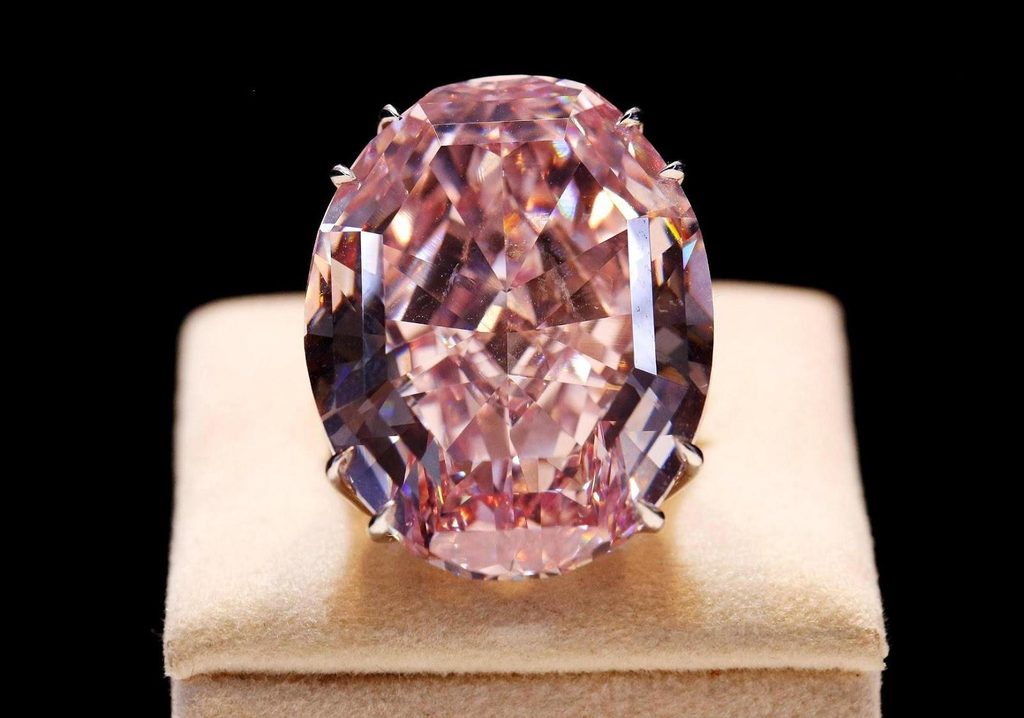
The Steinmetz Pink: a South African diamond of extraordinary scale

Where are natural pink diamonds found?

Natural pink diamonds have been recovered from several regions around the world, including Australia, South Africa, Lesotho, Tanzania, Russia, Brazil, Canada and historically India. However, these sources have not contributed equally to the market, and the geological conditions required to produce diamonds with a strong natural pink colour are exceptionally uncommon.

For decades, the most important commercial source was the Argyle diamond mine in Western Australia. Argyle became internationally renowned for its pink and red diamonds, despite these stones representing only a tiny fraction of the mine’s overall diamond production. The mine ceased operations in 2020, bringing an end to the regular supply from the world’s most significant historical source of pink diamonds.

Since the closure, the market has become even more conscious of the finite supply of Argyle-origin stones. However, pink diamonds continue to be found elsewhere, and discoveries in places such as Lesotho demonstrate that the geological potential for exceptional pink diamonds extends beyond Australia.

South Africa has its own distinguished place in this history, having produced some of the most famous large pink diamonds ever discovered.

The Steinmetz Pink: a South African diamond of extraordinary scale

One of the most remarkable examples of South Africa’s contribution to the world of natural pink diamonds is the legendary 59.60 carat Steinmetz Pink, now known as the CTF Pink Star.

The diamond began as a 132.50 carat rough crystal mined by De Beers in Africa in 1999. It was subsequently cut and polished by Steinmetz Diamonds over nearly two years, emerging as an oval diamond graded Fancy Vivid Pink and Internally Flawless by the Gemological Institute of America (GIA). It was unveiled publicly in Monaco in 2003 as the Steinmetz Pink.

The diamond later became known as the Pink Star and, following its acquisition by Hong Kong jewellery group Chow Tai Fook, the CTF Pink Star. In April 2017, it sold at Sotheby’s Hong Kong auction for HK$553 million, approximately US$71.2 million, setting a world auction record for a diamond or gemstone.

Its history illustrates why South Africa remains an important part of the story of exceptional pink diamonds. The country’s historic diamond fields have produced important coloured stones, including diamonds of remarkable size and quality.
Why are some pink diamonds so large?


The size of an exceptional pink diamond is not simply a consequence of its colour. Pink diamonds can occur in different geological environments, and their colour is associated with structural deformation within the diamond’s crystal lattice. This deformation affects how the stone interacts with light, producing its characteristic pink appearance. The precise mechanisms responsible for colour can vary between stones.
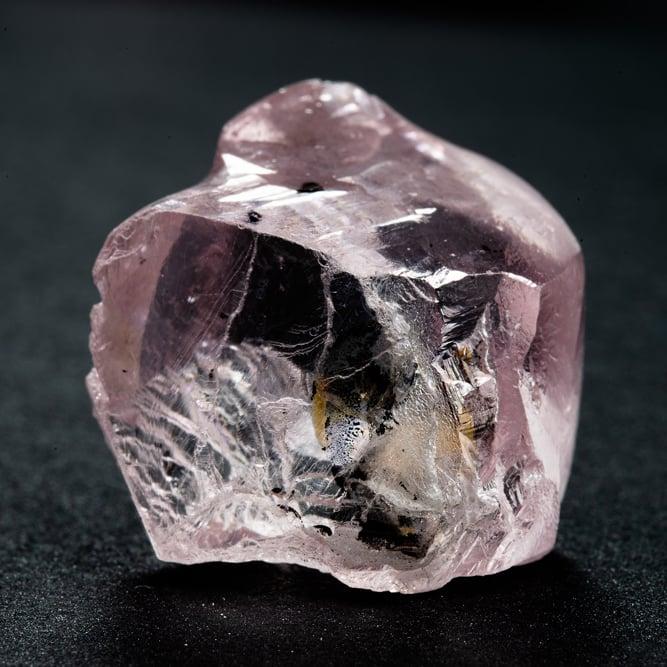
South Africa's historic diamond deposits have produced large, important pink diamonds

South Africa’s historic diamond deposits have produced large, important diamonds, while the Argyle mine in Australia became the dominant commercial source of pink diamonds because of the frequency with which pink stones appeared in its production. These are distinct geological and mining histories, rather than evidence that one country exclusively produces the largest pink diamonds.

The Steinmetz Pink demonstrates what can happen when a substantial rough diamond combines with exceptional colour and clarity. Its finished weight of 59.60 carats is particularly extraordinary because cutting a rough diamond involves balancing the retention of carat weight against the need to maximise colour, clarity, symmetry and overall appearance.

Unlike colourless diamonds, where the absence of colour is a major grading consideration, fancy coloured diamonds are assessed principally for their colour characteristics. These include hue, tone and saturation, alongside the stone’s clarity, carat weight, cut and overall appearance.

The distinction between Fancy Intense Pink and Fancy Vivid Pink is important. Fancy Vivid Pink represents a higher colour-intensity category, but it does not automatically follow that every vivid pink diamond is more valuable than every intense pink diamond. Size, clarity, colour distribution, cutting quality and market demand all influence the final price.

The November Geneva offering is graded Fancy Intense Pink with VS2 clarity. Its 8.63 carat weight and reported Type IIa classification add further gemological interest. Type IIa diamonds contain extremely low levels of nitrogen and can possess exceptional optical properties, although this classification alone does not establish a diamond’s value or geographic origin.

For DCLA, the auction is a reminder of the importance of independent gemological assessment when dealing with exceptional natural coloured diamonds. Reliable identification, colour grading, clarity assessment and documentation are essential to understanding what makes each stone distinctive.

A rare natural treasure in a changing market

The closure of the Argyle mine has brought greater attention to the scarcity of natural pink diamonds, particularly stones with strong colour and significant carat weight. While new discoveries remain possible in other diamond-producing regions, exceptional natural pink diamonds continue to be rare.

The upcoming Sotheby’s Geneva sale will provide another opportunity to see how collectors respond to a remarkable natural coloured diamond. Whether the 8.63 carat stone reaches its upper estimate remains to be seen, but its appearance at auction reinforces the enduring appeal of gemstones whose beauty is the result of extraordinary geological processes.

From South Africa’s famous Steinmetz Pink to the celebrated pink diamonds of Australia’s Argyle mine, these stones represent some of the most remarkable achievements of nature and the skill of the diamond cutter.

For further reading, explore DCLA’s coverage of Boodles and its major Argyle diamond acquisition and the laboratory’s historical report on the 59.60 carat pink diamond’s record-breaking auction.

DCLA is the Diamond Certification Laboratory of Australia. Independent gemological examination and accurate reporting help establish a diamond’s characteristics and support informed understanding of these rare natural treasures.

Tuesday, 6 October 2026

Boodles Goes Pink with Major Argyle Diamond Acquisition

 British jeweller secures rare Argyle pink diamond inventory as the legacy of Australia’s legendary mine enters a new chapter

British jeweller secures rare Argyle pink diamond inventory as the legacy of Australia’s legendary mine enters a new chapter

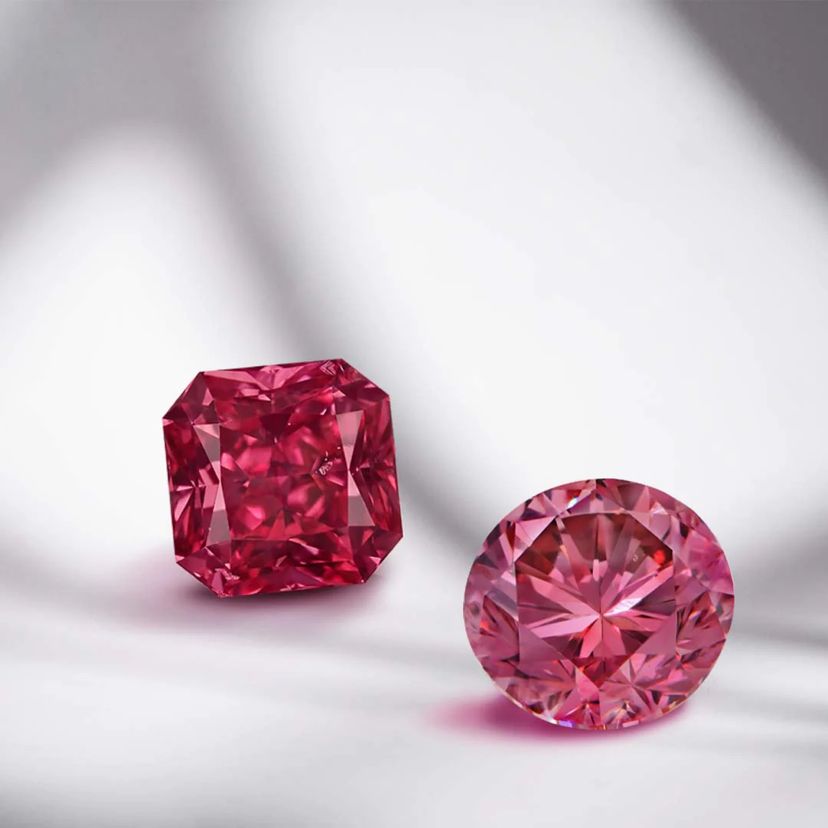
British luxury jeweller Boodles has strengthened its position in the highly exclusive world of fancy coloured diamonds after acquiring the remaining inventory of Argyle Pink Diamonds from Rio Tinto, together with ownership of the iconic Argyle Pink Diamonds brand.

The agreement gives Boodles control of the brand, associated trademarks, website and digital assets, as well as a collection of some of the exceptionally rare pink diamonds produced by the Argyle mine in Western Australia.

For Boodles, the transaction represents much more than the acquisition of a collection of diamonds. It is a long term investment in one of the most recognisable and historically significant coloured diamond brands in the world.

Jody Wainwright, joint managing director of Boodles, described the transaction as a significant, long term investment and said the company intends to release the diamonds gradually over approximately a decade.

“Each one is like a Picasso,” he said, reflecting the extraordinary rarity and individuality of the stones.

The Argyle legacy

The Argyle mine, located in Western Australia’s remote East Kimberley region, became synonymous with pink diamonds and, for decades, supplied more than 90 per cent of the world’s pink diamond production.

Mining ceased in November 2020 after the mine had produced approximately 865 million carats of rough diamonds. Yet only a tiny fraction of that enormous production was pink.

According to Rio Tinto, less than 0.1 per cent of Argyle’s total rough diamond production was pink, illustrating why these stones have become so highly prized.

DCLA has previously examined the extraordinary rarity of pink diamonds and the geological processes responsible for their colour in its article on Pink Diamonds.

The closure of Argyle permanently changed the supply equation for pink diamonds. Unlike white diamonds, where new production continues from mines around the world, there is no comparable source capable of replacing Argyle’s extraordinary output of pink diamonds.

This has transformed existing Argyle pink diamonds into a finite historical inventory.

Boodles has had a long relationship with Argyle pink diamonds. The jeweller purchased its first Argyle pink diamond in 1998 and later participated in the famous annual Argyle Pink Diamonds Tender, where some of the world’s finest stones were offered to a select group of international dealers, jewellers and collectors.

Pink diamonds are extraordinarily rare

Pink diamonds occupy a special position within the coloured diamond market.

Unlike blue diamonds, where the colour is generally associated with boron, or many yellow diamonds, where nitrogen plays an important role, the precise cause of the pink colour is associated with structural distortion within the diamond’s crystal lattice.

The geological forces required to create this distortion are exceptionally unusual.

DCLA’s Diamond Colour Authentication and Advanced Diamond Testing explains the importance of determining whether the colour of a fancy coloured diamond is natural or the result of treatment.

This distinction is critical because natural colour is one of the fundamental characteristics that determines the rarity and value of a fancy coloured diamond.

Pink diamonds from around the world

While Argyle became the world’s dominant source of pink diamonds, it was certainly not the only source of important pink stones.

Some of the most significant and celebrated pink diamonds in history have originated from South Africa, Lesotho, Russia, Canada and other African diamond producing nations.

South Africa has a particularly important place in coloured diamond history. The country’s historic diamond mines have produced exceptional pink and other fancy coloured stones, including some of the world’s most famous diamonds.

One of the most important examples is the extraordinary 59.60 carat CTF Pink Star, which was mined by De Beers in South Africa before being cut and polished into the famous Fancy Vivid Pink diamond. DCLA has previously documented the remarkable history of the Pink Star.

Lesotho has also emerged as an important source of exceptional pink diamonds. The Kao mine produced the 108.39 carat rough crystal from which the remarkable Kao Legend Collection was created, including the 20.49 carat Fancy Intense Purplish Pink Kao Legend.

Canada has produced notable coloured diamonds, while Russia’s Siberian diamond mines have also yielded rare pink stones.

The important point is that exceptional pink diamonds can occur in several geological environments. What made Argyle unique was the extraordinary frequency with which its geology produced pink diamonds and the sheer volume of rare coloured stones recovered during the mine’s lifetime.

Provenance matters

The story of Argyle also demonstrates why provenance has become increasingly important in the world of exceptional diamonds.

A diamond may display characteristics associated with a particular mine, but those characteristics do not necessarily constitute scientific proof of origin.

DCLA recently examined this issue in detail in Where Did My Diamond Come From?, explaining the distinction between a diamond displaying characteristics associated with a particular locality and scientifically establishing its geographic origin.

For Argyle diamonds, however, historical documentation, provenance and the established Argyle brand can add another dimension to a stone’s story.

A finite supply

The closure of Argyle has fundamentally altered the market.

The Fancy Color Research Foundation reported that pink diamond prices had increased by almost 390 per cent between 2005 and the second quarter of 2026.

With no new Argyle production coming to market, collectors and investors increasingly focus on provenance, colour intensity, size, quality and historical significance.

DCLA has followed this market closely, including recent coverage of major pink diamonds appearing at international auctions and the continuing demand for exceptional natural coloured diamonds.

The DCLA Pink Diamond archive provides an extensive history of major pink diamonds, auctions and developments in the market.

The world’s auction houses have repeatedly demonstrated the extraordinary prices that exceptional pink diamonds can command.

The CTF Pink Star, a 59.60 carat Fancy Vivid Pink diamond, remains one of the most famous gemstones ever offered at auction. It achieved HK$553 million, approximately US$71.2 million at the time, at Sotheby’s in Hong Kong in 2017.

However, size alone does not determine the value of a pink diamond. In the world of fancy coloured diamonds, colour saturation, hue, distribution, clarity, cut and provenance can have an enormous influence on value.

A small but intensely coloured pink diamond can therefore be considerably more valuable than a much larger stone with a weaker colour.

Boodles builds on a long association with pink diamonds

Pink diamonds already account for approximately 5 per cent of Boodles’ jewellery production by volume.

The company incorporates them into collections including Raindance, Play of Light and Be Boodles, as well as selected engagement rings.

Boodles is also planning a new high jewellery collection inspired by Australia, with Argyle pink diamonds expected to feature prominently.

The company has also incorporated the history of Argyle into its new London premises at 23 Old Bond Street, including an Argyle Lounge featuring jewellery, historical material and artefacts connected with the mine.

Among the items are examples of the original Argyle colour grading system and materials documenting the history of the mine and its remarkable contribution to the coloured diamond industry.

From mine to museum piece

The Boodles acquisition illustrates an important change taking place in the diamond market.

Argyle pink diamonds are no longer simply newly mined commodities. They are increasingly being viewed as pieces of geological and mining history.

Every Argyle pink diamond that has been recovered is now part of a finite population.

The mine is closed, the geological source cannot be replenished and the world’s remaining Argyle pink diamonds will progressively move from miners and dealers into the hands of jewellers, collectors and private owners.

This gives provenance an increasingly important role.

For the diamond industry, Argyle represents one of the clearest examples of how a mine can become a brand in its own right. The combination of geological rarity, Australian provenance, recognised colour grading and a finite supply has created an identity that extends well beyond the intrinsic characteristics of the individual diamond.

DCLA’s recent article on The World’s Most Valuable Coloured Diamonds explores this broader world of natural fancy coloured diamonds and explains why the rarest colours can command extraordinary values.

Boodles’ acquisition ensures that the Argyle Pink Diamonds name will continue to have a place in the luxury jewellery market.

It also highlights a fundamental truth about exceptional coloured diamonds:

When the source disappears, the diamonds already recovered become part of a finite piece of history.

For collectors, the appeal is therefore not simply owning a beautiful pink diamond. It is owning a small piece of the geological history of the Earth — from a mine that will never produce another Argyle pink diamond.

Tuesday, 28 July 2026

The Art of Contrast: Why Mixing Coloured Diamonds Creates Extraordinary Jewellery

 The Importance of Colour Matching

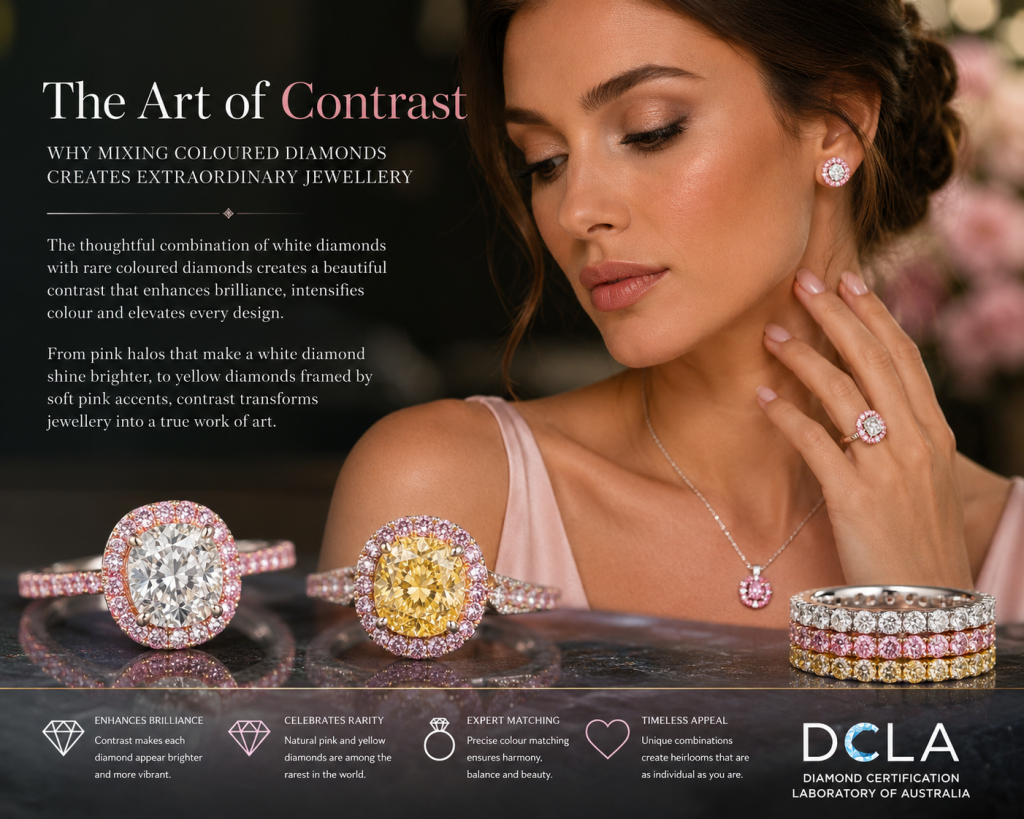
For centuries, white diamonds have been regarded as the ultimate symbol of elegance and timeless beauty. Today, however, the world’s leading jewellery designers are embracing a more artistic approach combining white diamonds with rare coloured diamonds to create striking pieces that are as unique as they are valuable.

From delicate pink diamond halos surrounding a brilliant white centre stone to vivid yellow diamonds framed by soft pink accents, the thoughtful use of contrasting colours can transform an already beautiful diamond into an exceptional work of art.

The result is jewellery that is not only visually captivating but often far more distinctive than traditional all-white diamond designs.

Colour Creates Emotion

The human eye is naturally drawn to contrast.

Artists have understood this for centuries, using complementary colours to create depth, balance and visual impact. Jewellery designers apply the same principles when working with diamonds.

A perfectly colourless diamond surrounded by a halo of natural pink diamonds immediately appears brighter and more vibrant. The soft blush tones create warmth around the crisp white centre stone, producing a romantic and luxurious appearance that cannot be achieved with white diamonds alone.

Similarly, a rich yellow diamond surrounded by pink diamonds creates a dramatic contrast. The warmth of the yellow is enhanced by the cool undertones of the pink, allowing each colour to appear richer and more saturated.

Rather than competing with one another, the colours work together to produce greater visual intensity.

The Rise of Coloured Diamond Combinations

While coloured diamonds have always been prized by collectors, improvements in jewellery design and precision manufacturing have encouraged designers to use them in increasingly creative ways.

Some of today’s most sought-after combinations include:

  • A colourless diamond framed by a halo of natural pink diamonds.
  • Fancy Yellow diamonds surrounded by Argyle pink diamonds.
  • Fancy Intense Yellow centre stones with white diamond halos.
  • White diamonds accented with blue or champagne diamonds.
  • Pink diamonds paired with white pavé settings.
  • Three-stone rings featuring contrasting diamond colours.
  • Alternating white and coloured diamonds in eternity bands.

Each combination creates its own personality, allowing jewellery to become an expression of individual style rather than simply following tradition.

Pink Diamonds: Small Stones with Extraordinary Impact

Natural pink diamonds occupy a unique position within the diamond world.

Even very small pink diamonds possess remarkable rarity, particularly those originating from Australia’s now-closed Argyle Mine. Their limited availability has made them highly desirable among collectors and designers alike.

A halo of pink diamonds surrounding a larger white diamond allows jewellers to showcase this rarity without requiring a large pink centre stone.

The effect is remarkable.

The pink diamonds add warmth and sophistication while visually enhancing the brilliance of the colourless centre diamond.

Because the halo consists of numerous carefully matched stones, the overall impression is one of richness and refinement.

Yellow Diamonds Come Alive with Contrast

More Than Beauty, A Celebration of Rarity


Yellow diamonds are among the most popular naturally coloured diamonds available today.

When used as the centrepiece of a ring, they radiate warmth and vibrancy. However, surrounding a yellow diamond with carefully selected pink diamonds introduces an entirely new dimension.

The soft pink tones gently frame the yellow centre, making its colour appear deeper and more saturated. At the same time, the yellow diamond provides a striking focal point against the delicate pink border.

Many luxury jewellery houses have embraced this combination because it creates an appearance that is simultaneously elegant, modern and unmistakably distinctive.

More Than Beauty, A Celebration of Rarity

Combining different coloured diamonds is not simply a design trend.

It is often a celebration of rarity.

Natural fancy coloured diamonds account for only a very small percentage of all diamonds recovered worldwide. Finding matching stones with similar colour intensity, clarity and size requires exceptional expertise.

Every carefully matched halo represents countless hours of diamond selection.

The more precisely the colours complement one another, the more harmonious and valuable the finished piece becomes.

The Importance of Colour Matching

Creating a successful coloured diamond design involves far more than selecting attractive stones.

Professional jewellers carefully consider:

  • Colour hue
  • Colour intensity
  • Tone
  • Saturation
  • Diamond size
  • Cut precision
  • Overall symmetry

Even slight variations between pink diamonds can affect the appearance of a halo.

Likewise, white accent diamonds must be matched for colour and brilliance to ensure they enhance rather than distract from the centre stone.

This meticulous attention to detail is what separates exceptional jewellery from ordinary jewellery.

Precious Metals Complete the Design

The choice of metal plays an equally important role.

Platinum and white gold enhance the brilliance of colourless diamonds and provide a contemporary appearance.

Yellow gold intensifies the warmth of yellow diamonds while offering a classic, timeless aesthetic.

Rose gold has become increasingly popular for pink diamond jewellery, complementing the delicate blush tones and creating a seamless flow of colour throughout the design.

Some of the most sophisticated creations combine multiple precious metals, allowing each section of the ring to highlight a different coloured diamond.

A New Era of Personal Expression

Today’s clients are increasingly seeking jewellery that reflects their individuality.

Mixing coloured diamonds allows designers to create bespoke pieces that cannot be replicated simply by increasing diamond size or carat weight.

Whether choosing a white diamond embraced by a halo of rare pink diamonds or a radiant yellow diamond accented with white and pink stones, these combinations create jewellery that tells a story through colour, contrast and craftsmanship.

Beauty Enhanced by Contrast

The finest jewellery is rarely about excess it is about balance.

The careful pairing of white, pink and yellow diamonds demonstrates how contrast can enhance brilliance, intensify colour and elevate an already beautiful design into something truly extraordinary.

As coloured diamonds continue to capture the imagination of collectors and jewellery lovers around the world, their thoughtful combination with traditional white diamonds is redefining modern luxury.

When selected with care and expertly matched, contrasting diamond colours do more than create visual impact they create timeless pieces whose beauty lies not only in the rarity of the individual diamonds, but in the harmony they achieve together.

Source: DCLA

Geneva Auction to Feature Rare 8.63 Carat Pink Diamond

  An exceptional 8.63 carat natural pink diamond is set to take centre stage at Sotheby’s High Jewelry auction in Geneva on 11 November 2026...