Showing posts with label fancy pink diamond. Show all posts

Wednesday, 15 July 2026

Nature's Rarest Masterpieces: The World's Most Valuable Coloured Diamonds and the Science Behind Their Extraordinary Colours

 The Rarest Diamond Colours Ranked

While the classic colourless diamond remains the benchmark for brilliance and purity, some of the world’s most valuable gemstones owe their beauty to something entirely different rare imperfections deep within the Earth. These exceptional coloured diamonds, known as Fancy Colour Diamonds, represent some of the rarest natural treasures ever discovered.

Unlike colourless diamonds, which are prized for the absence of colour, fancy coloured diamonds derive their remarkable hues from trace elements, atomic irregularities and geological forces that occurred billions of years ago during their formation under immense heat and pressure.

Only around one in every 10,000 gem-quality natural diamonds possesses a naturally occurring fancy colour, and only a tiny fraction of these display the intense saturation required to achieve the highest values.

The Rarest Diamond Colours Ranked

1. Red Diamonds – The Rarest Diamond on Earth

Red diamonds occupy the pinnacle of rarity.

Red diamonds occupy the pinnacle of rarity.

Fewer than 30 true Fancy Red diamonds are known to exist worldwide, with most weighing less than one carat. The famous 5.11-carat Moussaieff Red Diamond remains one of the most celebrated coloured diamonds ever discovered.

Unlike many coloured diamonds, red diamonds contain no measurable trace elements responsible for their colour.

Instead, scientists believe their colour results from extreme plastic deformation of the diamond crystal lattice while deep within the Earth’s mantle. As enormous tectonic pressures distort the crystal structure, light passing through the diamond is selectively absorbed, producing its remarkable crimson appearance.

Because the exact combination of deformation required is extraordinarily rare, red diamonds remain virtually impossible to find.


2. Blue Diamonds – Coloured by Boron

Blue diamonds owe their magnificent colour to one of the rarest impurities found in diamonds—boron

Blue diamonds owe their magnificent colour to one of the rarest impurities found in diamonds boron.

Only a few atoms of boron replacing carbon atoms during crystal growth are enough to create shades ranging from pale blue to vivid ocean blue.

Boron also gives blue diamonds another unusual property they conduct electricity, unlike ordinary diamonds.

The legendary Hope Diamond, weighing 45.52 carats, is perhaps the world’s best-known blue diamond.

Natural Fancy Vivid Blue diamonds regularly command prices exceeding US$3–5 million per carat, making them among the world’s most valuable gemstones.


3. Pink Diamonds – Formed by Crystal Distortion

For decades, Australia’s Argyle Mine produced over 90% of the world’s pink diamonds before closing in 2020.

Like red diamonds, pink diamonds derive their colour not from impurities but from plastic deformation of the crystal lattice during formation.

The difference lies in the degree of distortion.

Slight deformation creates pink tones, while much greater distortion may produce the exceptionally rare red diamonds.

Because no new major source of pink diamonds has replaced Argyle, prices have risen dramatically over recent years.


4. Green Diamonds – Naturally Irradiated

Green diamonds receive their colour from natural radiation exposure over millions of years.

Radioactive minerals surrounding the diamond emit particles that alter the crystal’s atomic structure, affecting only the outer layers in most cases.

Unlike laboratory irradiation, natural irradiation occurs over geological time and is exceptionally uncommon.

The famous Dresden Green Diamond, weighing over 41 carats, is one of the finest examples known.


5. Orange Diamonds – Pure Fire

Pure orange diamonds are among the least frequently encountered fancy colours.

Their colour is generally associated with complex interactions involving nitrogen atoms within the crystal structure.

Finding an orange diamond without secondary yellow or brown modifiers is exceptionally rare.

Collectors prize diamonds graded simply as Fancy Vivid Orange because of their scarcity.


6. Violet Diamonds – An Enigmatic Beauty

Violet diamonds remain one of gemology’s greatest mysteries.

Scientists believe their colour may result from a combination of hydrogen impurities, crystal defects and trace structural irregularities.

Only a handful of significant violet diamonds exist, making them highly desirable among collectors.

Several originated from Australia’s Argyle Mine, further increasing their rarity.


7. Purple Diamonds – A Delicate Combination

Purple diamonds are even less common than many collectors realise.

Their colour often results from a combination of crystal deformation together with hydrogen-related defects within the crystal lattice.

Many display subtle pink or grey secondary hues.

Pure Fancy Purple diamonds remain exceptionally scarce.


8. Yellow Diamonds – Nature’s Sunshine

Yellow diamonds are created by the presence of nitrogen atoms replacing carbon atoms during crystal growth.

Nitrogen absorbs blue wavelengths of light, allowing yellow tones to dominate.

Yellow is the most common naturally occurring fancy colour, yet highly saturated Fancy Vivid Yellow diamonds remain rare and valuable.

The famous Tiffany Yellow Diamond, weighing 128.54 carats, demonstrates the extraordinary beauty achievable from this natural process.


9. Brown Diamonds – The Power of Pressure

Brown diamonds are among the most abundant fancy colours but still have fascinating origins.

Rather than impurities, their colour results primarily from plastic deformation within the crystal lattice caused by intense geological pressure.

The distortion changes the way light travels through the diamond.

In recent decades, carefully selected brown diamonds have gained popularity under luxury trade names such as Champagne, Cognac and Chocolate Diamonds.


How Trace Elements Create Colour

Every diamond begins as pure carbon.

However, during crystallisation deep beneath the Earth’s surface, tiny changes can occur.

Some carbon atoms may be replaced by other elements:

Element or Structural ChangeResulting Colour
BoronBlue
NitrogenYellow, Orange
Hydrogen-related defectsViolet, Purple
Plastic deformationPink, Red, Brown
Natural radiationGreen

These changes occur at the atomic level sometimes involving only a handful of atoms within billions of carbon atoms—yet they dramatically alter how the diamond interacts with light.


Why Are Fancy Coloured Diamonds So Rare?

Natural coloured diamonds require an extraordinary sequence of geological events.

First, the diamond must form approximately 150 to 250 kilometres beneath the Earth’s surface under immense pressure and temperatures exceeding 1,000°C.

Then, during or after formation, precisely the right combination of trace elements, radiation exposure or crystal deformation must occur without damaging the stone.

Finally, the diamond must survive billions of years before being transported to the Earth’s surface through volcanic kimberlite eruptions.

The probability of every one of these conditions occurring together is extraordinarily small.

That is why exceptional coloured diamonds continue to command record-breaking prices at auction and remain among the most coveted gemstones in the world.

DCLA Expert Insight

Understanding the origin of a diamond’s colour is one of the most specialised areas of modern gemology. Advanced laboratory analysis is essential to determine whether a colour is natural, treated or laboratory-induced, as many enhancement techniques can imitate nature’s rarest creations.

At DCLA (Diamond Certification Laboratory of Australia), sophisticated gemological testing enables the accurate identification and grading of natural fancy coloured diamonds, providing confidence for collectors, jewellers and investors alike.

In the world of diamonds, it is often nature’s tiniest imperfections that create its greatest masterpieces. From the almost mythical Fancy Red to the electrically conductive Fancy Blue, each coloured diamond tells the story of billions of years of geological evolution making every natural fancy colour diamond truly one of a kind.

Wednesday, 8 April 2026

World Diamond Day: The Most Valuable Diamonds Ever Sold at Auction

In recognition of World Diamond Day, we reflect on some of the most extraordinary diamonds ever offered at auction stones that not only achieved record-breaking prices but also represent the pinnacle of rarity, craftsmanship, and natural beauty.

Established by the Natural Diamond Council, World Diamond Day celebrates the enduring significance of natural diamonds, highlighting their provenance, emotional value, and the moments they commemorate. It is also an opportunity to examine the exceptional stones that continue to define the upper limits of the global diamond market.

Below is a selection of some of the most important diamonds ever sold at auction.


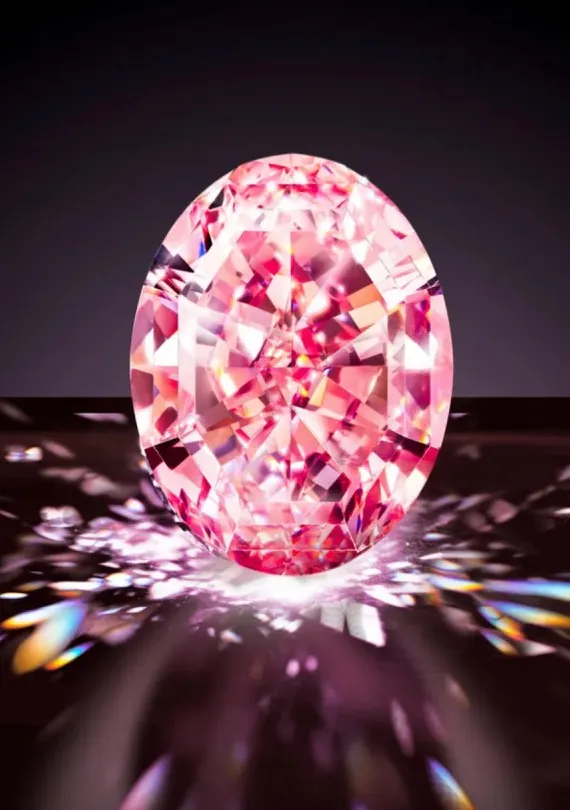
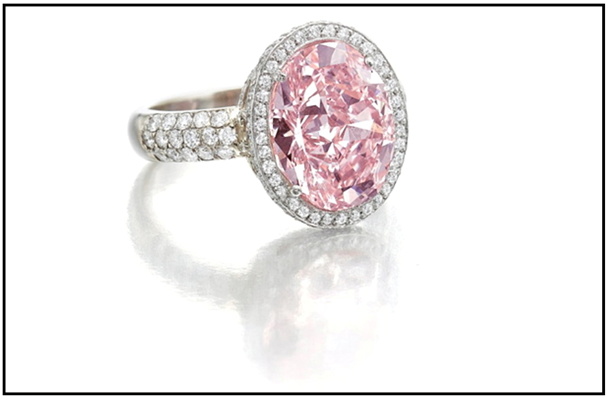
The CTF Pink Star

CTF Pink Star

The CTF Pink Star remains the most expensive diamond ever sold at auction. This 59.60 carat oval-shaped, fancy vivid pink diamond achieved US$71.2 million at Sotheby’s Hong Kong in 2017.

Internally flawless and cut from a 132.5 carat rough discovered in 1999, the stone required over two years of meticulous planning and craftsmanship to realise its final form. It was acquired by Chow Tai Fook, setting a benchmark for coloured diamonds globally.


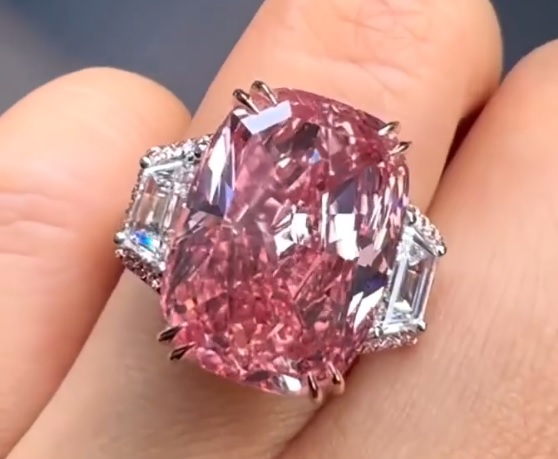
The Williamson Pink Star

The Williamson Pink Star

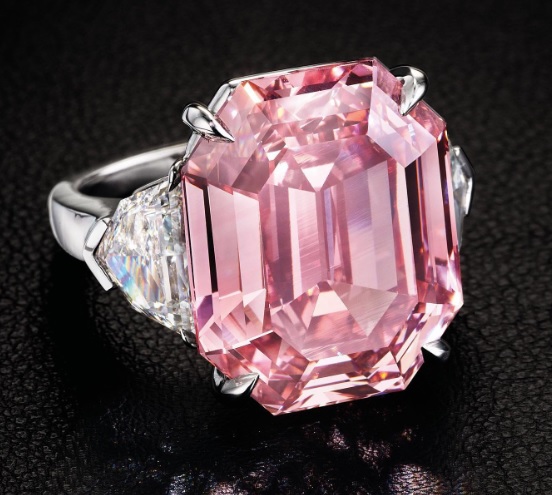
Achieving US$57.7 million in 2022, this 11.15 carat cushion-cut fancy vivid pink diamond is among the finest ever graded.

Originating from a 32.32 carat rough from Tanzania’s Williamson mine, it was classified as internally flawless by the Gemological Institute of America, placing it among the rarest gemstones known.


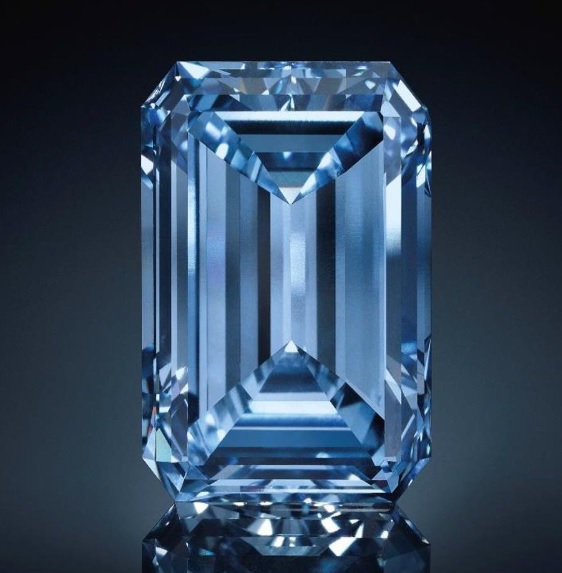
The Oppenheimer Blue

The Oppenheimer Blue

This 14.62 carat emerald-cut vivid blue diamond sold for US$57.5 million at Christie’s Geneva in 2016.

Named after its former owner, Sir Philip Oppenheimer, the diamond drew intense global attention and was ultimately secured after a competitive international bidding process.


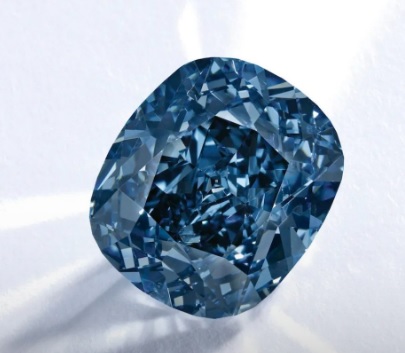
The Blue Moon of Josephine

The Blue Moon of Josephine

Cut from a 29.62 carat rough discovered in South Africa in 2014, this 12.03 carat fancy vivid blue diamond achieved US$48.4 million at Sotheby’s Hong Kong in 2015.

Purchased by Hong Kong collector Joseph Lau, it was renamed in honour of his daughter, further cementing its place in modern diamond history.


The Graff Pink

The Graff Pink

This 24.78 carat fancy intense pink diamond sold for over US$46 million at Sotheby’s Geneva in 2010.

Acquired by Laurence Graff, the stone had not appeared on the market for more than 60 years prior to its sale, adding to its provenance and desirability.


The Princie Diamond

The Princie Diamond

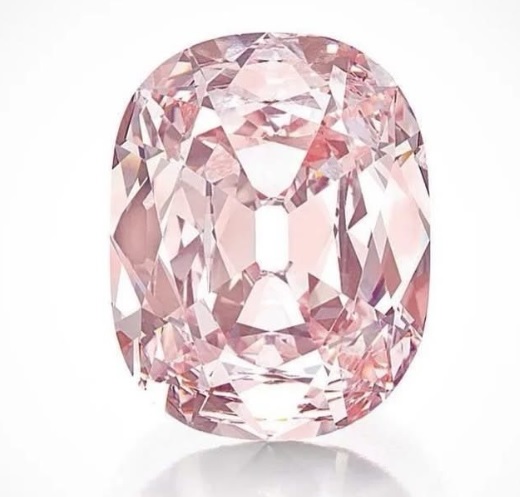
Selling for US$39.3 million at Christie’s New York in 2013, the Princie Diamond carries remarkable historical significance.

Originating from India’s famed Golconda mines and once owned by the Nizams of Hyderabad, the diamond reflects the rich heritage of some of the world’s most celebrated diamond sources.


The The Orange

The The Orange

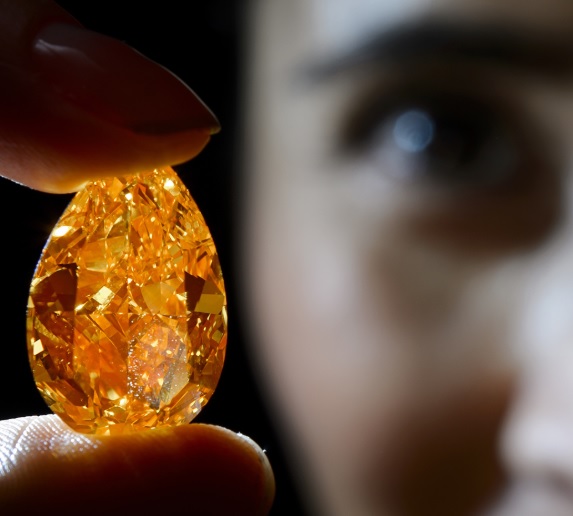
Weighing 14.82 carats, this pear-shaped fancy vivid orange diamond remains the largest of its kind ever recorded.

It achieved US$35.5 million at Christie’s Geneva in 2013, significantly exceeding pre-sale expectations and reinforcing the rarity of orange diamonds.


The Magnificent Oval Diamond

The Magnificent Oval Diamond

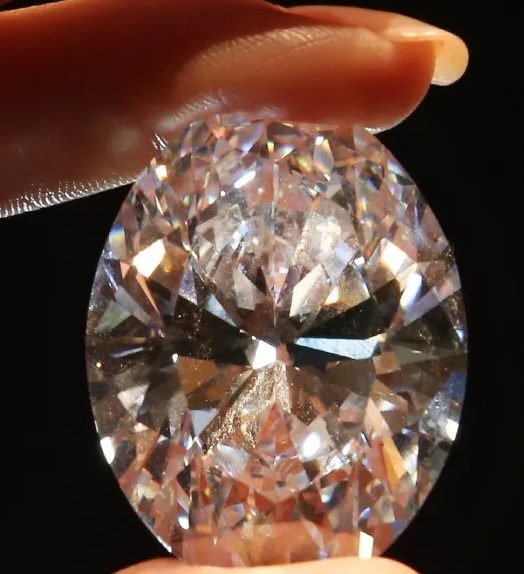
One of the largest D-colour flawless diamonds ever to appear at auction, this 118.28 carat oval-cut stone sold for US$30.8 million at Sotheby’s Hong Kong in 2013.

Its exceptional colour and clarity grading underscore the importance of strict laboratory standards in determining value—an area where independent certification remains critical.


A Reflection on Rarity and Value

These diamonds are more than record-breaking assets—they are geological miracles shaped over billions of years and refined through exceptional human skill. Their value lies not only in carat weight or colour grading, but in rarity, provenance, and the precision of their cutting and certification.

As World Diamond Day highlights, natural diamonds continue to occupy a unique position in both the luxury and investment landscape. For laboratories such as the Diamond Certification Laboratory of Australia, the role of accurate and independent grading remains fundamental in preserving confidence and transparency within the global diamond market.

Source: DCLA

Sunday, 16 November 2025

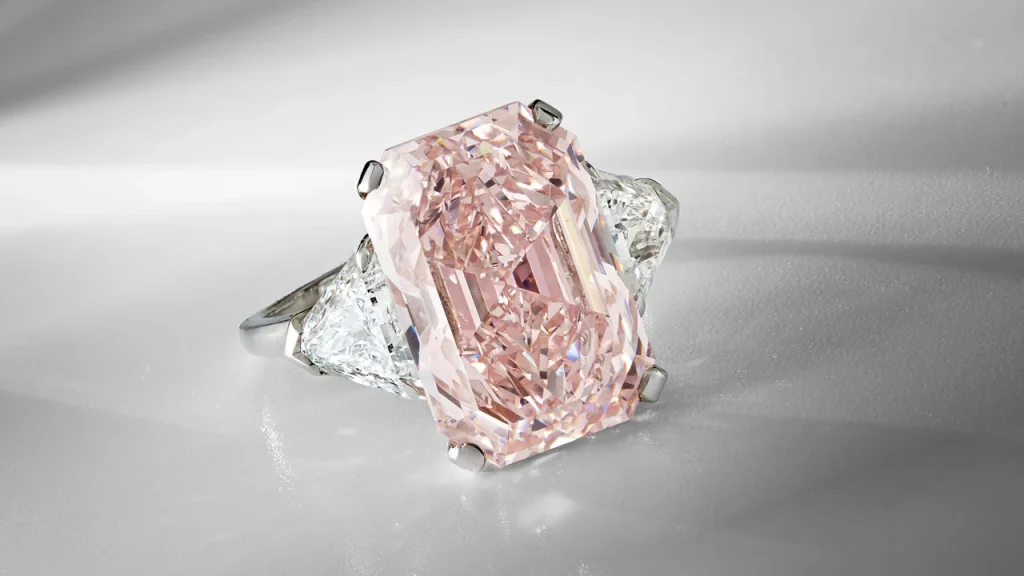
6.17-ct Fancy Pink could Fetch $1.8m

6.17-ct Fancy Pink

A 6.17-carat fancy pink diamond is expected to fetch up to $1.8m in an online auction.

The Angelina belonged to Willa Dean Lyon, wife of Maj Gen William Lyon, and was named after their granddaughter.

Maj Gen Lyon was a successful businessman and real estate magnate from Southern California who built over 100,000 homes across the US. He died in 2020, aged 97. His wife died last year, aged 92.

The VVS2 oval modified brilliant diamond is set in an 18k white and rose gold ring, with about 1.00-cts of near-colorless diamonds.

It is being sold by Heritage Auctions, based in Dallas, as part of its Holiday Fine Jewelry Signature Auction, which closes on 3 December. The estimate is $1.2m to $1.8m.

According to the Fancy Color Research Foundation (FCRF), fancy pinks have appreciated by roughly 116 per cent over the past decade, outpacing all other fancy color categories for their investment potential.

Source: DCLA

Sunday, 26 October 2025

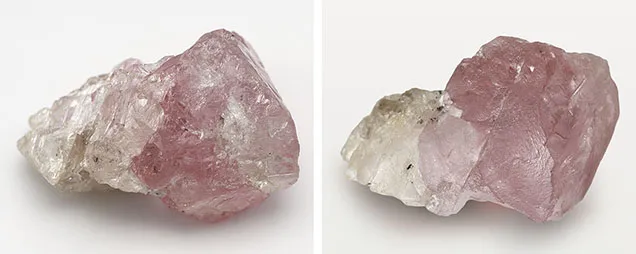
Rare Half-Pink 37.4-Carat Diamond Unearthed in Botswana

Rare Half-Pink 37.4-Carat Diamond

A remarkable two-coloured natural diamond has been discovered in Botswana, astonishing experts with its size and formation. The gem half pink and half colourless weighs an impressive 37.41 carats and measures approximately 24.3 x 16 x 14.5 millimetres, according to the Gemological Institute of America (GIA).

The GIA describes the stone as having formed in two distinct geological stages. Sally Eaton-Magaña, Senior Manager of Diamond Identification at the GIA, explained that the pink section likely began as colourless before undergoing plastic deformation possibly caused by a mountain-forming event millions of years ago. This natural deformation altered the crystal lattice, giving rise to the diamond’s vivid pink hue. The colourless section, in contrast, appears to have formed later under more stable conditions.

half pink and half colourless weighs an impressive 37.41 carats

Pink diamonds are among the rarest gems on Earth, prized for their beauty and scientific intrigue. Unlike coloured diamonds that owe their hue to trace elements or radiation exposure, pink diamonds result from structural distortions within the crystal lattice. This phenomenon must occur under highly specific pressure and temperature conditions too little deformation and the diamond remains colourless; too much and it turns brown.

“It’s a geological balancing act like Goldilocks,” noted Curtin University geologist Luc Doucet, referencing the fine threshold that determines a diamond’s colour outcome.

What makes this new discovery even more extraordinary is its size. While other bi-coloured diamonds have been documented, they are typically no larger than 2 carats. The 37.4-carat specimen from Botswana represents a significant leap in both scale and scientific importance.

The diamond was unearthed at Lucara Diamond Corporation’s Karowe mine, one of the world’s most productive sources of exceptional diamonds. The Karowe mine has previously yielded some of the most celebrated finds in modern history, including the 2,488-carat “Motswedi” diamond, the second-largest rough diamond ever recovered, and the 62-carat “Boitumelo” pink diamond.

This latest discovery further cements Botswana’s position at the forefront of the global diamond industry and provides scientists with another remarkable glimpse into the complex natural processes that create the Earth’s most coveted gemstones.

Source: DCLA

Thursday, 16 October 2025

$20 Million ‘Glowing Rose’ Pink Diamond to Headline Sotheby’s Geneva Auction

10.08-carat fancy vivid pink diamond ring, named The Glowing Rose

A rare 10.08-carat fancy vivid pink diamond ring, named The Glowing Rose, is set to take centre stage at Sotheby’s upcoming High Jewellery sale in Geneva on 12 November. Expected to achieve around USD 20 million, the stone represents one of the most important pink diamonds to reach the auction block in recent years.

This exceptional cushion brilliant-cut diamond crafted by luxury jeweller Boodles originates from a 21-carat rough unearthed in Angola in 2023. Its vivid, pure pink hue and balanced proportions exemplify the rarest qualities of natural fancy coloured diamonds. According to Sotheby’s, it is only the third cushion cut vivid pink diamond over 10 carats to appear at auction within the past decade.

The cushion cut, recently popularised by Taylor Swift’s engagement ring, has become increasingly sought after among collectors for its romantic and timeless appeal.

Sotheby’s has a strong record of achieving exceptional results for vivid pink diamonds. In 2022, the auction house sold the Williamson Pink Star an 11.15 carat, fancy vivid pink, internally flawless diamond for USD 57.7 million in Hong Kong. The following year, a 10.57 carat vivid purplish-pink diamond fetched USD 34.8 million in New York. Earlier this year, Sotheby’s Geneva achieved USD 21.5 million for the Mediterranean Blue, a 10.03-carat fancy vivid blue diamond.

“With the continued global demand for rare coloured diamonds, we are delighted to present The Glowing Rose,” said Jessica Wyndham, Head of High Jewellery at Sotheby’s Geneva. “Following the remarkable success of the Mediterranean Blue, this sale offers collectors another extraordinary opportunity to acquire a truly exceptional gem.”

Before its appearance in Geneva, The Glowing Rose will be showcased in Singapore and Taipei, giving collectors and connoisseurs a preview of one of the year’s most significant pink diamonds.

DCLA notes that fancy vivid pink diamonds remain among the most coveted and valuable gems in the world, combining extraordinary rarity with strong global demand from collectors and investors alike.

Thursday, 4 September 2025

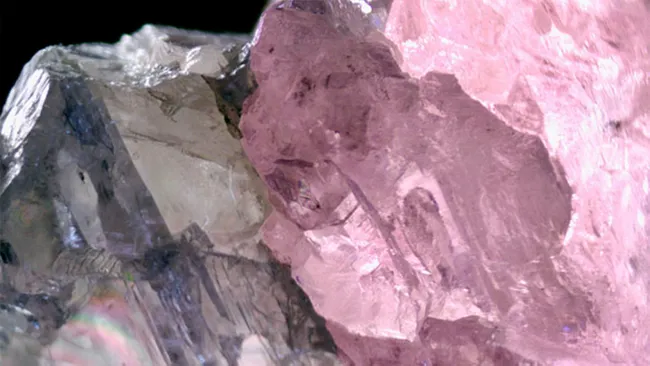
Lucara Recovers Rare 37-Carat Pink Diamond from Karowe

37-Carat Pink Diamond from Karowe

Lucara Diamond Corp. has announced the recovery of a rare and unusual pink diamond from its Karowe mine in Botswana.

The 37.42-carat stone, classified as a Type IIa, was unearthed in August and is described as near-gem quality with a distinctive bicoloured appearance. While the majority of the diamond displays an intense pink hue, part of the stone appears partially colourless an exceptionally rare feature.

HB Antwerp, Lucara’s cutting and technology partner, described the discovery as “a rare and remarkable find.” Oded Mansori, co-founder of HB Antwerp, noted:
“This stone has the potential to become one of the most important pink diamonds ever polished. Its intensely rich coloration is a testament to the geological uniqueness of the Karowe mine, and our expertise in the manufacturing process will ensure its vibrant colour is maximised.”

The recovery underscores Karowe’s reputation as a consistent source of exceptional diamonds. Also in August, Lucara recovered a 1,019.85-carat non-gem-quality diamond, the third stone of more than 1,000 carats to be found at Karowe in 2025. This brings the total number of diamonds over 1,000 carats from the mine to nine.

Both diamonds were recovered from the EM/PK(S) section of the deposit using Lucara’s Mega Diamond Recovery (MDR) unit, an advanced X-ray transmission system installed in 2017 to identify and preserve large stones. The MDR is credited with detecting several of Karowe’s most significant recoveries, including the 2,492-carat diamond discovered in August 2024—the second-largest rough diamond ever found.

Meanwhile, Lucara has announced a $10 million drawdown from its $63 million standby loan facility with Nemesia, its largest shareholder, to address short-term funding needs for the Karowe underground expansion project. The $683 million project, now scheduled for completion in the first half of 2028, is expected to extend the mine’s life to at least 2040.

Lucara President and CEO William Lamb said the arrangement reflects the company’s commitment to financial prudence while advancing the underground project.
“This funding mechanism demonstrates the continued confidence and support of our major shareholders in Lucara’s long-term strategy and in the exceptional value potential of the Karowe mine, including the ongoing recovery of some of the world’s most significant diamonds.”

Source: DCLA

Wednesday, 3 September 2025

Sotheby’s to Sell 31.86 carat Pink Diamond in Abu Dhabi

Desert Rose 31.86 carat Pink Diamond

Sotheby’s is to offer for sale the largest fancy vivid orangy pink diamond ever graded, at a debut event in Abu Dhabi in December.

The pear-shaped gem, known as the Desert Rose, weighs 31.86 carats and is expected to fetch $5m to $7m.

It is the jewelry highlight of Sotheby’s inaugural Abu Dhabi Collectors’ Week of exhibitions, sales, masterclasses and panel discussions.

The Desert Rose is part of a single-owner collection of watches and jewelry, including vintage and contemporary signed pieces, that is estimated to raise more than $20m in total.

Among the watch highlights is an exceptionally rare Rolex “Oyster Albino” Daytona, reference 6263, produced in the late 1960s and early 1970s, with an estimate of $500,000 to $1m.

Abu Dhabi Collectors’ Week takes place from 2 – 5 December on Saadiyat Island, just off the Abu Dhabi coast.

It coincides with the Abu Dhabi Grand Prix and features auctions of collector cars, real estate, and international fine art exhibitions.

Source: DCL

Monday, 4 August 2025

The Kao Legend Collection: A Rare Suite of Pink Diamonds from Lesotho

A Rare Suite of Pink Diamonds from Lesotho

The Kao Legend Collection represents an extraordinary achievement in diamond cutting and curation. Cut from a single 108.39-carat pink diamond crystal unearthed at the renowned Kao Mine in Lesotho, this suite features seven magnificent pink diamonds each documented in detail by the GIA Monograph.

At the heart of the collection lies the Kao Legend, a 20.49-carat diamond graded Fancy Intense Purplish Pink by the Gemological Institute of America (GIA). The accompanying diamonds in the collection range in colour from Fancy Intense Purplish Pink to Faint Pink, showcasing a delicate and rare spectrum of pink hues.

What sets this collection apart is not only its shared origin and harmonious beauty but also the diamonds’ classification. All seven are Type IIa diamonds known for their exceptional chemical purity and rarity, comprising less than 2% of all natural diamonds. Type IIa pink diamonds are especially coveted for their remarkable clarity and vibrant colour saturation.

The Kao Mine, one of Lesotho’s most prominent diamond sources, has established a reputation for yielding high-quality pink diamonds. Alongside the Kao Legend, the mine also produced the celebrated Pink Eternity, a 47.80-carat gem of international acclaim.

For gemmologists and collectors alike, the Kao Legend Collection exemplifies nature’s artistry and the pinnacle of diamond excellence.

Tuesday, 17 June 2025

Rare purple diamond unearthed at Diavik

Vibrant 0.45-carat gem adds final flourish to Diavik's closing years.

Vibrant 0.45-carat gem adds final flourish to Diavik’s closing years.
Just when it seemed Diavik had given all it could give, a rare purple diamond has been unearthed at the Northern Canadian mine – a 0.45-carat stone that stands out in a region better known for producing predominantly colorless gems and the occasional yellow stone, adding a splash of unexpected color as the operation approaches the final years of its mine life.

The discovery, quietly announced by Rio Tinto via social media, comes just weeks after the recovery of a 158.2-carat yellow diamond and a 50-million-year-old petrified log – both of which drew attention to the remarkable geological and historical treasures still surfacing from the remote subarctic site.

“We recently had a unique discovery at Diavik – a rare purple diamond weighing in at 0.45 carats,” the company wrote in a social media post on LinkedIn.

“Diavik diamonds are typically white, so this came as a pleasant surprise,” the post continued. “The purple colour likely comes from a trace element such as hydrogen or a twist in the crystal lattice structure of the diamond. The shape of the rough diamond is known as a ‘makeable’ which means it will likely be cut into a single diamond.”

Though small in size, the stone is striking for its rarity, with colored diamonds of any kind making up less than 1% of Diavik’s total production over more than two decades of operation.

Among them, purple diamonds are the rarest, their distinctive hue typically attributed to hydrogen impurities or plastic deformation deep in the Earth’s mantle – a result of the intense pressure and heat that alters the crystal structure during formation.

In gemological terms, purple diamonds are often classified under the broader category of “fancy color” stones, though few attain the deep saturation necessary for that label. More often, their shades fall within the purplish-pink or violet spectrum, with pure purple standing as one of the most elusive colors in the diamond world.

For Diavik, the recovery of such a specimen near the end of its mine life serves as both a scientific curiosity and a symbolic capstone.

Since beginning production in 2003, the mine has yielded over 140 million carats of rough diamonds – predominantly colorless, with a handful of exceptional yellow stones including the 552-carat “egg” discovered in 2018 and the more recent 158.2-carat find earlier this year.

Yet, while the occasional yellow diamond has offered moments of brilliance, the purple discovery stands out for its singularity.

While not the first purple diamond recovered from Diavik – industry veterans have noted smaller specimens dating back more than a decade – this 0.45-carat stone ranks among the most notable, particularly for its size, clarity, and timing near the end of the mine’s operational life.

Purple diamonds are so rare that only a few notable examples have surfaced globally, often fetching premium prices far beyond their white or even pink counterparts. Their appearance in the trade is sporadic, and their origin even more geographically restricted – making a Canadian purple diamond an especially uncommon occurrence.

Diavik’s purple gem is expected to be cut into a single polished stone, though no details have been released about where it might end up – in private hands, a high-profile auction, or perhaps a Canadian institution.

Whatever its path, the find adds a final chapter to Diavik’s legacy – a small but vibrant reminder that even in its twilight, the remote Arctic mine remains full of surprises.

Source: DCLA

Choosing the Right Precious Metal for Fine Diamond Jewellery

  Why Gold Purity, Colour and Craftsmanship Matter When purchasing a fine diamond, most buyers focus on the stone itself its cut, colour, cl...