Showing posts with label Pink diamonds. Show all posts

Wednesday, 16 September 2026

The Extraordinary Rarity of Pink Diamonds: Christie’s Sets a $12 Million Estimate

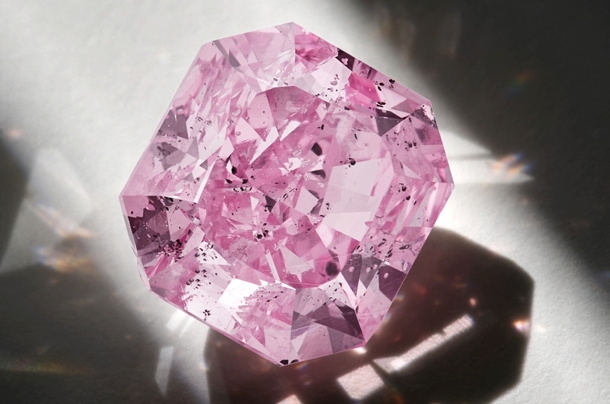
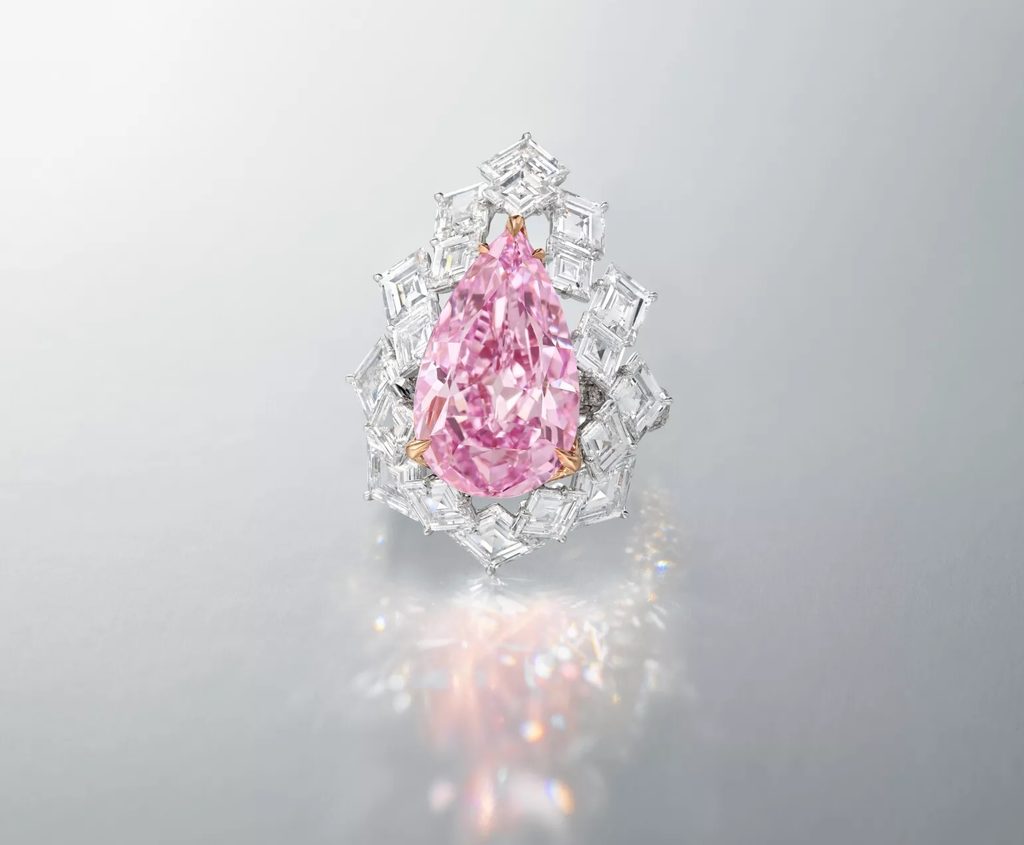
 8.41-carat pear modified brilliant-cut Fancy Vivid Purple-Pink diamond

Few gemstones command the combination of fascination, rarity and value associated with a natural pink diamond.

Unlike many coloured gemstones, the extraordinary pink colour of a natural diamond is not simply the result of a trace element creating a familiar colour. The science behind natural pink diamonds is considerably more complex. Their colour is generally associated with structural distortion within the diamond’s crystal lattice, created deep within the Earth over immense periods of geological time.

It is this extraordinary combination of natural rarity, geological history and optical beauty that has placed the finest pink diamonds among the world’s most coveted gemstones.

Now, Christie’s is preparing to offer another remarkable example.

At its Hong Kong Magnificent Jewels Autumn Auction on November 24, Christie’s will present an 8.41-carat pear modified brilliant-cut Fancy Vivid Purple-Pink diamond, with an estimate reaching HKD 95 million, approximately US$12 million.

The stone is also classified as Type IIa, adding another notable dimension to its gemmological profile.

When colour becomes the rarity

In the world of diamonds, carat weight is only one part of the story.

For exceptional coloured diamonds, hue, tone, saturation and distribution of colour can be every bit as important as size. A diamond may be large, yet its colour characteristics can determine whether it becomes merely unusual or genuinely extraordinary.

The Christie’s diamond combines several characteristics rarely encountered together: significant size, a strong purple-pink colour, Fancy Vivid intensity and Type IIa classification.

The result is a gemstone occupying an exceptionally rare position within the natural diamond market.

The distinction between a pink diamond and an exceptional pink diamond can be subtle to the untrained eye. Under professional examination, however, the precise characteristics of colour become a sophisticated subject of gemmological analysis.

The science behind natural pink

The colour of most natural diamonds is associated with impurities within the crystal structure. Nitrogen, for example, plays a major role in many yellow diamonds.

Pink diamonds are different.

Their colour is generally linked to deformation of the diamond’s atomic lattice, rather than simply the presence of a colouring impurity. Scientists believe that immense geological forces can distort the crystal structure during the diamond’s formation and subsequent journey toward the Earth’s surface.

This distortion affects the way light interacts with the diamond, producing the extraordinary pink appearance for which these stones are renowned.

The exact relationship between crystal deformation and the resulting colour remains an area of sophisticated scientific study, making pink diamonds particularly fascinating from both a gemmological and geological perspective.

Type IIa: exceptional chemical purity

The Christie’s diamond is classified as Type IIa, a designation that describes the diamond’s chemical composition.

Type IIa diamonds contain extremely low levels of detectable nitrogen and are regarded as among the chemically purest diamonds.

This classification should not, however, be confused with a quality grade.

Type IIa is a scientific classification, not a statement that a diamond is automatically more valuable. A diamond’s desirability and market value depend on the complete combination of its characteristics.

In this case, Type IIa adds another intriguing scientific feature to an already exceptional natural coloured diamond.

Why the strongest pinks are so difficult to find

The rarity of exceptional natural pink diamonds has been reinforced by the limited availability of significant sources of these stones.

For decades, Australia’s Argyle mine in Western Australia was internationally recognised as the world’s most important source of natural pink diamonds. The mine produced an extraordinary range of pink, red and purplish diamonds, but ceased production in 2020.

Its closure fundamentally changed the landscape for the supply of important natural pink diamonds.

While pink diamonds can occur in other deposits around the world, stones possessing the combination of strong colour, exceptional saturation, significant size and desirable clarity remain exceptionally uncommon.

This scarcity has helped establish the finest natural pink diamonds as important collector gemstones rather than simply luxury jewellery.

The auction market for exceptional colour

Major jewellery auctions provide a fascinating window into the upper end of the natural coloured diamond market.

When a rare stone comes to auction, collectors are not simply buying carat weight. They are competing for a combination of characteristics that may never be replicated.

The provenance of a jewel, its laboratory documentation, its natural colour, treatment status, cutting quality and historical significance can all contribute to its desirability.

For a gemstone of this calibre, laboratory examination is therefore fundamental.

A second extraordinary jewel

Christie’s Hong Kong sale will feature another remarkable gemstone in the form of a 10.10-carat Burmese ruby, set within a Cartier brooch incorporating triangular and square diamonds.

The jewel carries a high estimate of approximately HKD 60 million, or US$7.7 million.

The ruby is particularly significant for its Burmese origin and substantial size, while the Cartier design connects the jewel with the maison’s pioneering use of platinum during the early 20th century.

Exceptional Burmese rubies are among the world’s most celebrated coloured gemstones, particularly when they display desirable colour, transparency and other characteristics associated with fine-quality material.

The importance of knowing what lies beneath the beauty

At the highest levels of the jewellery market, beauty and science increasingly go hand in hand.

A spectacular diamond may capture the eye, but professional gemmology seeks to establish what the stone actually is, how its characteristics were formed and whether those characteristics are natural or treatment-related.

For coloured diamonds, this distinction can be particularly important.

Independent laboratory examination can investigate characteristics such as natural versus laboratory-grown origin, colour treatment, diamond type and other identifying features. For important stones, such documentation provides an objective scientific foundation for the jewel’s description.

At DCLA, the Diamond Certification Laboratory of Australia, gemmological examination is centred on independent scientific assessment and reporting in accordance with recognised international standards.

A jewel measured in rarity, not simply carats

The Christie’s 8.41-carat Fancy Vivid Purple-Pink diamond illustrates why exceptional gemstones occupy a category of their own.

Its significance lies not simply in its weight.

It is the combination of natural colour, vivid intensity, purple-pink hue, substantial size, Type IIa classification and exceptional geological rarity that makes the stone so compelling.

As it takes its place under the hammer in Hong Kong, collectors will once again be reminded of one of the enduring truths of the diamond world:

The rarest diamonds are not necessarily the largest. They are the diamonds in which nature has created something extraordinarily difficult to reproduce.

And in the case of a truly exceptional natural pink diamond, that rarity began billions of years before it ever became a jewel.

Tuesday, 15 September 2026

Rare Orangey Pink Diamond to Take Centre Stage at Christie’s Geneva Auction

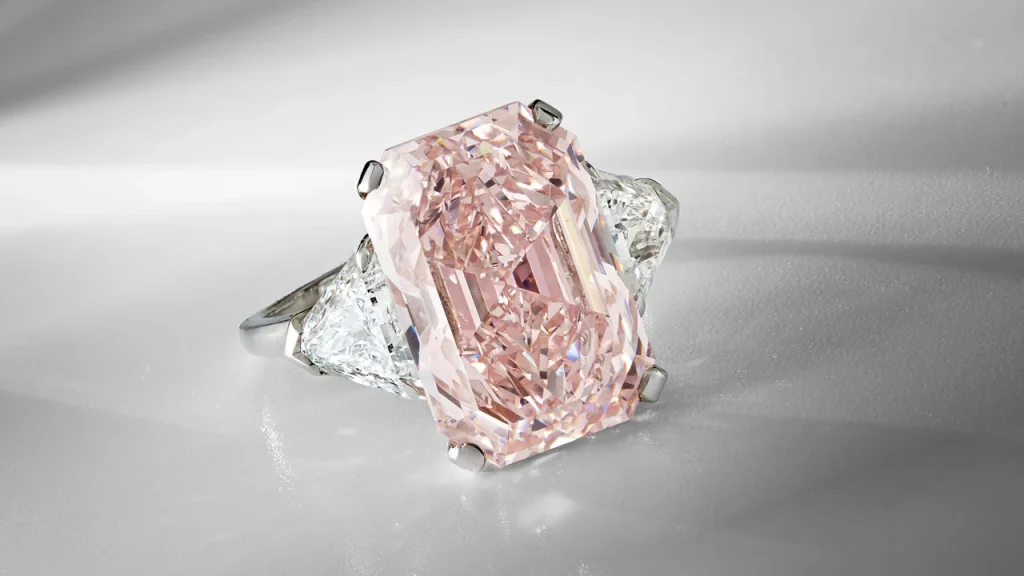
 14.63 carat fancy orangey pink natural diamond

A remarkable 14.63 carat fancy orangey pink natural diamond is set to be one of the highlights of Christie’s upcoming Geneva jewellery auction, with the David Morris ring carrying an upper estimate of approximately US$2.6 million.

The exceptional stone will be offered as part of Christie’s Exceptional Jewels & Objects of Elegance: A Connoisseur’s Collection, taking place in Geneva on November 10, with an accompanying online auction running from November 5 to 17.

The private collection comprises almost 300 lots and includes important jewellery from internationally recognised maisons including Van Cleef & Arpels, Bulgari and Graff, alongside Art Deco vanity cases and finely crafted gold objects.

Why are natural pink diamonds pink?

Pink diamonds are among the most intriguing of all natural diamonds because, unlike many other coloured diamonds, their colour is not easily explained by the presence of a specific trace element.

The colour of a natural pink diamond is generally associated with changes in the diamond’s crystal structure that occurred deep within the Earth during its formation. Diamonds are made from carbon atoms arranged in an exceptionally precise crystal lattice. In some diamonds, geological forces cause distortions within that lattice.

These microscopic structural distortions affect the way light passes through the diamond, producing the remarkable pink colour that makes these stones so desirable.

When the colour moves towards orangey pink, the diamond displays a combination of pink and orange body colour. The precise appearance can vary considerably from one diamond to another, ranging from delicate pastel tones to highly saturated and vivid colours.

This is one reason every exceptional natural coloured diamond is effectively unique.

For more information about diamond structure, properties and the differences between natural and laboratory-grown diamonds, see DCLA’s guide to What Is a Diamond? Natural vs Laboratory-Grown – Structure, Science and Pricing.

Why are pink diamonds so rare?

Natural diamonds occur in many parts of the world, but diamonds with a strong and attractive natural pink colour are extraordinarily uncommon.

Diamonds are formed under immense pressure and temperature deep within the Earth’s mantle and can take billions of years to reach the surface through geological processes. Only a very small proportion develop the particular crystal characteristics responsible for a natural pink colour.

Importantly, pink diamonds are not confined to one location. Natural pink diamonds have been discovered in diamond-producing regions around the world. However, the supply of fine-quality pink diamonds is exceptionally limited.

The rarity becomes even greater when factors such as carat weight, colour intensity, clarity, cut and overall beauty are taken into account.

A large pink diamond with strong colour and good clarity is therefore extraordinarily difficult to find.

DCLA has explored the extraordinary rarity of large natural diamonds in its article Nature vs Technology: Why Large Natural Diamonds Are Exceptionally Rare, explaining why increasing diamond size results in dramatically greater natural scarcity.

Size changes everything

With coloured diamonds, rarity increases dramatically as size increases.

A small natural pink diamond may already be a scarce gemstone, but a large stone with an attractive, saturated colour can be in an entirely different category.

The 14.63 carat diamond being offered in Geneva is therefore significant not simply because it is pink, but because of its combination of natural colour, substantial size and orangey pink appearance.

At more than 14 carats, the stone belongs to a category where the number of comparable natural diamonds available to the market is extremely small.

This scarcity is one of the fundamental reasons exceptional pink diamonds can command prices far beyond those of similarly sized colourless diamonds.

Natural colour is the key

The distinction between a natural coloured diamond and a treated or laboratory-grown diamond is particularly important when discussing rare pink diamonds.

A natural pink diamond has acquired its colour through the geological processes that formed the stone over an immense period of time. The colour is part of the diamond’s natural characteristics.

Modern technology can produce laboratory-grown diamonds and can also alter the colour of diamonds through various treatments. These stones can be beautiful in their own right, but they are fundamentally different from a rare natural coloured diamond.

For an important natural coloured diamond, independent examination and documentation are therefore critical.

DCLA explains the importance of determining diamond origin in its article Natural or Laboratory-Grown? How Can You Tell What Diamond Is in Your Ring?, which explains why visual examination or a basic diamond tester cannot reliably establish whether a diamond is natural or laboratory-grown.

The challenge of grading coloured diamonds

Coloured diamonds are assessed differently from traditional colourless diamonds.

The colour itself is a major component of the stone’s rarity and desirability, with factors including hue, tone and saturation playing an important role.

Two diamonds of exactly the same carat weight can therefore have dramatically different values because their colours differ in strength, distribution and attractiveness.

For a buyer or collector, establishing whether the colour is natural, determining the characteristics of the diamond and confirming any treatments is essential.

At the Diamond Certification Laboratory of Australia (DCLA), diamonds undergo detailed examination using advanced laboratory technology. DCLA states that every diamond is screened for known treatments, tested to establish whether it is natural or man-made, and graded according to International Diamond Council (IDC) rules.

Learn more about the DCLA Diamond Grading and Certification Process.

Why independent certification matters

With an exceptionally rare coloured diamond, establishing exactly what the stone is becomes particularly important.

A DCLA diamond grading report provides a technical breakdown including carat weight, colour, clarity, measurements, stone type, treatments or enhancements, cut, symmetry, polish, transparency and fluorescence.

For rare natural coloured diamonds, documentation can therefore become an important part of the stone’s history and provenance.

DCLA’s Diamond Grading Report service provides independent documentation of the diamond’s characteristics.

Why exceptional pink diamonds command exceptional prices

The market for the finest natural pink diamonds is ultimately driven by a simple combination:

Nature created very few of them, and the world’s supply cannot simply be increased.

A large, naturally coloured pink diamond with attractive colour, good clarity and excellent cutting represents the convergence of several rare characteristics.

This scarcity is particularly important in today’s diamond market. While laboratory-grown diamonds can be produced using controlled manufacturing processes, the supply of large, exceptional natural diamonds remains limited by geology.

DCLA’s research into the changing natural diamond market notes that large, rare and unusually coloured natural diamonds continue to command strong premiums because of their exceptional rarity and provenance.

The Christie’s Geneva offering demonstrates the continuing fascination with these extraordinary natural treasures. While the US$2.6 million upper estimate is substantial, the importance of the stone extends beyond its auction price.

It is a reminder that in the world of natural diamonds, rarity is not simply about size. It is about how many times nature was able to create the right combination of colour, structure, clarity, size and beauty.

And when that combination occurs naturally, there may be very few comparable diamonds anywhere in the world.

DCLA — Independent Diamond Expertise

For consumers, collectors, jewellers and insurers, independent examination can provide confidence that a diamond is accurately identified and documented.

Diamond Certification Laboratory of Australia (DCLA) is Australia’s internationally accredited diamond certification laboratory, providing independent grading and testing of natural and laboratory-grown diamonds in its Sydney laboratory.

DCLA — Where nature’s rarest diamonds meet independent science.

Tuesday, 28 July 2026

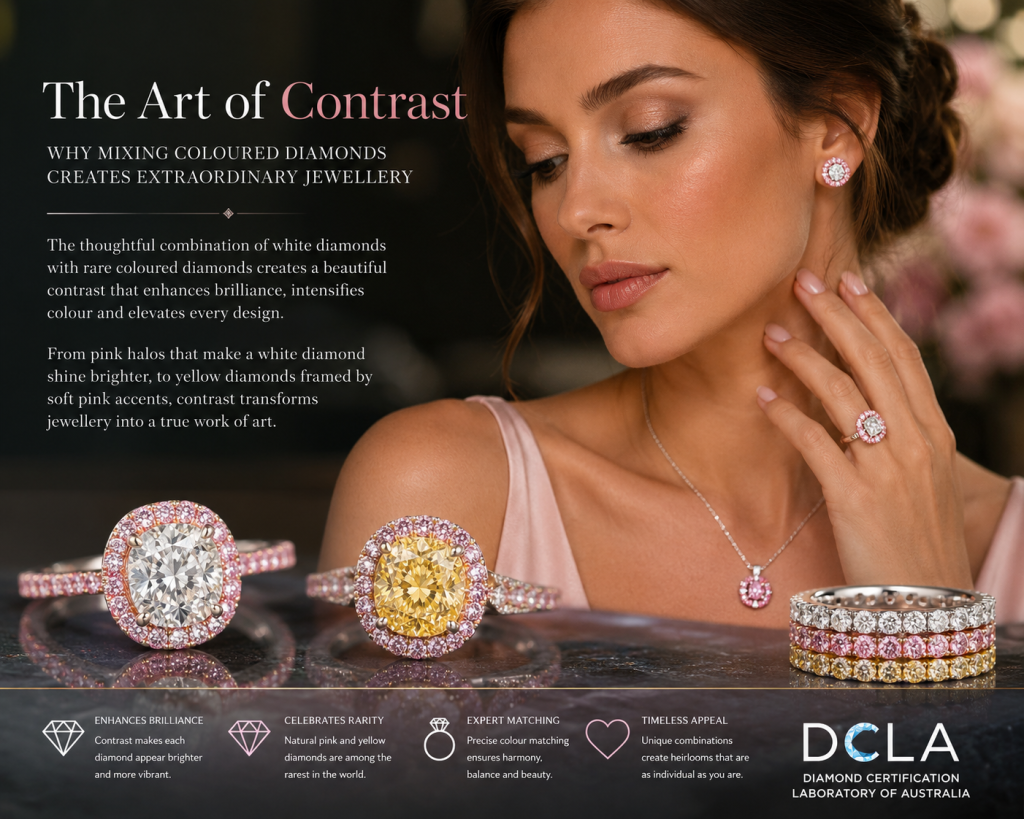
The Art of Contrast: Why Mixing Coloured Diamonds Creates Extraordinary Jewellery

 The Importance of Colour Matching

For centuries, white diamonds have been regarded as the ultimate symbol of elegance and timeless beauty. Today, however, the world’s leading jewellery designers are embracing a more artistic approach combining white diamonds with rare coloured diamonds to create striking pieces that are as unique as they are valuable.

From delicate pink diamond halos surrounding a brilliant white centre stone to vivid yellow diamonds framed by soft pink accents, the thoughtful use of contrasting colours can transform an already beautiful diamond into an exceptional work of art.

The result is jewellery that is not only visually captivating but often far more distinctive than traditional all-white diamond designs.

Colour Creates Emotion

The human eye is naturally drawn to contrast.

Artists have understood this for centuries, using complementary colours to create depth, balance and visual impact. Jewellery designers apply the same principles when working with diamonds.

A perfectly colourless diamond surrounded by a halo of natural pink diamonds immediately appears brighter and more vibrant. The soft blush tones create warmth around the crisp white centre stone, producing a romantic and luxurious appearance that cannot be achieved with white diamonds alone.

Similarly, a rich yellow diamond surrounded by pink diamonds creates a dramatic contrast. The warmth of the yellow is enhanced by the cool undertones of the pink, allowing each colour to appear richer and more saturated.

Rather than competing with one another, the colours work together to produce greater visual intensity.

The Rise of Coloured Diamond Combinations

While coloured diamonds have always been prized by collectors, improvements in jewellery design and precision manufacturing have encouraged designers to use them in increasingly creative ways.

Some of today’s most sought-after combinations include:

  • A colourless diamond framed by a halo of natural pink diamonds.
  • Fancy Yellow diamonds surrounded by Argyle pink diamonds.
  • Fancy Intense Yellow centre stones with white diamond halos.
  • White diamonds accented with blue or champagne diamonds.
  • Pink diamonds paired with white pavé settings.
  • Three-stone rings featuring contrasting diamond colours.
  • Alternating white and coloured diamonds in eternity bands.

Each combination creates its own personality, allowing jewellery to become an expression of individual style rather than simply following tradition.

Pink Diamonds: Small Stones with Extraordinary Impact

Natural pink diamonds occupy a unique position within the diamond world.

Even very small pink diamonds possess remarkable rarity, particularly those originating from Australia’s now-closed Argyle Mine. Their limited availability has made them highly desirable among collectors and designers alike.

A halo of pink diamonds surrounding a larger white diamond allows jewellers to showcase this rarity without requiring a large pink centre stone.

The effect is remarkable.

The pink diamonds add warmth and sophistication while visually enhancing the brilliance of the colourless centre diamond.

Because the halo consists of numerous carefully matched stones, the overall impression is one of richness and refinement.

Yellow Diamonds Come Alive with Contrast

More Than Beauty, A Celebration of Rarity


Yellow diamonds are among the most popular naturally coloured diamonds available today.

When used as the centrepiece of a ring, they radiate warmth and vibrancy. However, surrounding a yellow diamond with carefully selected pink diamonds introduces an entirely new dimension.

The soft pink tones gently frame the yellow centre, making its colour appear deeper and more saturated. At the same time, the yellow diamond provides a striking focal point against the delicate pink border.

Many luxury jewellery houses have embraced this combination because it creates an appearance that is simultaneously elegant, modern and unmistakably distinctive.

More Than Beauty, A Celebration of Rarity

Combining different coloured diamonds is not simply a design trend.

It is often a celebration of rarity.

Natural fancy coloured diamonds account for only a very small percentage of all diamonds recovered worldwide. Finding matching stones with similar colour intensity, clarity and size requires exceptional expertise.

Every carefully matched halo represents countless hours of diamond selection.

The more precisely the colours complement one another, the more harmonious and valuable the finished piece becomes.

The Importance of Colour Matching

Creating a successful coloured diamond design involves far more than selecting attractive stones.

Professional jewellers carefully consider:

  • Colour hue
  • Colour intensity
  • Tone
  • Saturation
  • Diamond size
  • Cut precision
  • Overall symmetry

Even slight variations between pink diamonds can affect the appearance of a halo.

Likewise, white accent diamonds must be matched for colour and brilliance to ensure they enhance rather than distract from the centre stone.

This meticulous attention to detail is what separates exceptional jewellery from ordinary jewellery.

Precious Metals Complete the Design

The choice of metal plays an equally important role.

Platinum and white gold enhance the brilliance of colourless diamonds and provide a contemporary appearance.

Yellow gold intensifies the warmth of yellow diamonds while offering a classic, timeless aesthetic.

Rose gold has become increasingly popular for pink diamond jewellery, complementing the delicate blush tones and creating a seamless flow of colour throughout the design.

Some of the most sophisticated creations combine multiple precious metals, allowing each section of the ring to highlight a different coloured diamond.

A New Era of Personal Expression

Today’s clients are increasingly seeking jewellery that reflects their individuality.

Mixing coloured diamonds allows designers to create bespoke pieces that cannot be replicated simply by increasing diamond size or carat weight.

Whether choosing a white diamond embraced by a halo of rare pink diamonds or a radiant yellow diamond accented with white and pink stones, these combinations create jewellery that tells a story through colour, contrast and craftsmanship.

Beauty Enhanced by Contrast

The finest jewellery is rarely about excess it is about balance.

The careful pairing of white, pink and yellow diamonds demonstrates how contrast can enhance brilliance, intensify colour and elevate an already beautiful design into something truly extraordinary.

As coloured diamonds continue to capture the imagination of collectors and jewellery lovers around the world, their thoughtful combination with traditional white diamonds is redefining modern luxury.

When selected with care and expertly matched, contrasting diamond colours do more than create visual impact they create timeless pieces whose beauty lies not only in the rarity of the individual diamonds, but in the harmony they achieve together.

Source: DCLA

Friday, 19 December 2025

3.63-ct “Salt and Pepper” Pink Fails to Sell

3.63-carat fancy vivid purple-pink diamond

The highlight of Sotheby’s Fine Jewelry sale in New York – a rare 3.63-carat fancy vivid purple-pink diamond failed to find a buyer.

The unmounted, cut-cornered rectangular modified brilliant-cut stone carried a pre-auction estimate of $1m to $1.5m , reflecting both its unusual color and its potential appeal to collectors.

But bidding at the auction, on 11 December, stalled below the consignor’s undisclosed reserve, leaving the stone unsold.

Market observers suggested that bidders were likely deterred by the diamond’s noticeable “salt and pepper” inclusions, which significantly affected its clarity.

The Gemological Institute of America (GIA) graded the stone as I2 clarity, raising concerns about transparency and overall visual appeal.

Observers say buyers in today’s cautious high-end market are increasingly unwilling to compromise on clarity, particularly for unmounted stones, where inclusions are more apparent, even when the color is considered rare and desirable.

Source: DCLA

Friday, 5 September 2025

Lucara Recovers Rare 37-Carat Pink Diamond from Karowe

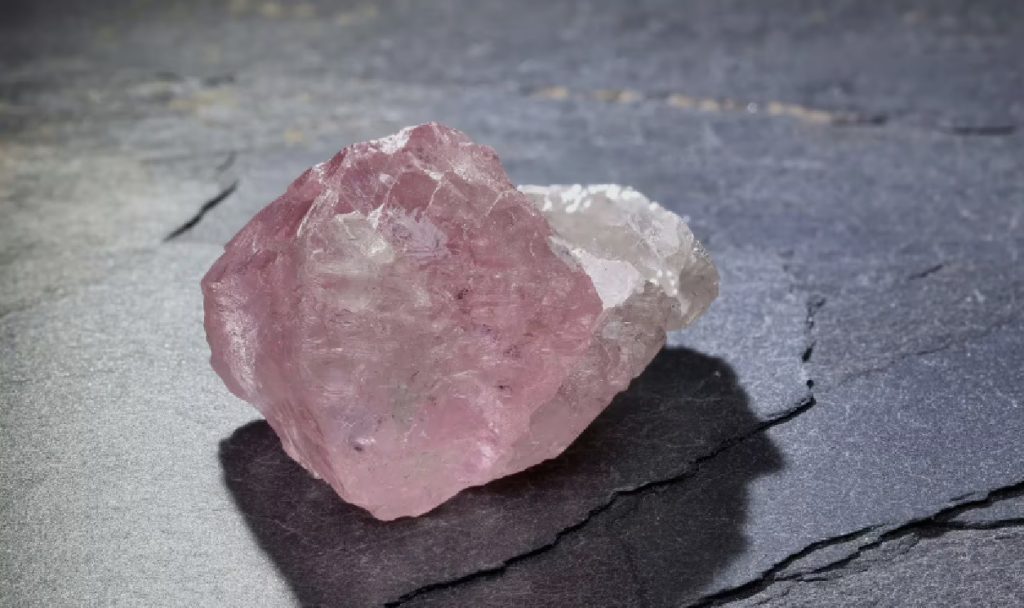
37-Carat Pink Diamond from Karowe

Lucara Diamond Corp. has announced the recovery of a rare and unusual pink diamond from its Karowe mine in Botswana.

The 37.42-carat stone, classified as a Type IIa, was unearthed in August and is described as near-gem quality with a distinctive bicoloured appearance. While the majority of the diamond displays an intense pink hue, part of the stone appears partially colourless an exceptionally rare feature.

HB Antwerp, Lucara’s cutting and technology partner, described the discovery as “a rare and remarkable find.” Oded Mansori, co-founder of HB Antwerp, noted:
“This stone has the potential to become one of the most important pink diamonds ever polished. Its intensely rich coloration is a testament to the geological uniqueness of the Karowe mine, and our expertise in the manufacturing process will ensure its vibrant colour is maximised.”

The recovery underscores Karowe’s reputation as a consistent source of exceptional diamonds. Also in August, Lucara recovered a 1,019.85-carat non-gem-quality diamond, the third stone of more than 1,000 carats to be found at Karowe in 2025. This brings the total number of diamonds over 1,000 carats from the mine to nine.

Both diamonds were recovered from the EM/PK(S) section of the deposit using Lucara’s Mega Diamond Recovery (MDR) unit, an advanced X-ray transmission system installed in 2017 to identify and preserve large stones. The MDR is credited with detecting several of Karowe’s most significant recoveries, including the 2,492-carat diamond discovered in August 2024—the second-largest rough diamond ever found.

Meanwhile, Lucara has announced a $10 million drawdown from its $63 million standby loan facility with Nemesia, its largest shareholder, to address short-term funding needs for the Karowe underground expansion project. The $683 million project, now scheduled for completion in the first half of 2028, is expected to extend the mine’s life to at least 2040.

Lucara President and CEO William Lamb said the arrangement reflects the company’s commitment to financial prudence while advancing the underground project.
“This funding mechanism demonstrates the continued confidence and support of our major shareholders in Lucara’s long-term strategy and in the exceptional value potential of the Karowe mine, including the ongoing recovery of some of the world’s most significant diamonds.”

Source: DCLA

Thursday, 4 September 2025

Sotheby’s to Sell 31.86 carat Pink Diamond in Abu Dhabi

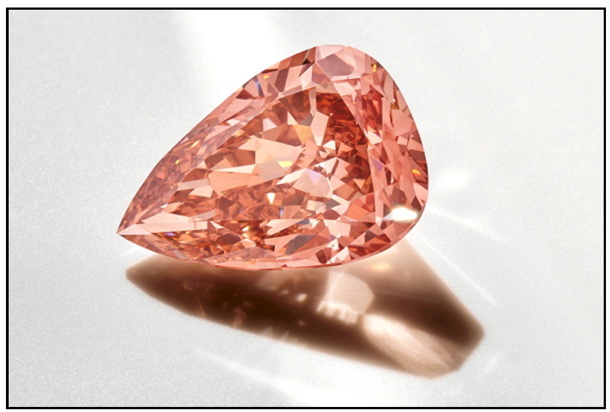
Desert Rose 31.86 carat Pink Diamond

Sotheby’s is to offer for sale the largest fancy vivid orangy pink diamond ever graded, at a debut event in Abu Dhabi in December.

The pear-shaped gem, known as the Desert Rose, weighs 31.86 carats and is expected to fetch $5m to $7m.

It is the jewelry highlight of Sotheby’s inaugural Abu Dhabi Collectors’ Week of exhibitions, sales, masterclasses and panel discussions.

The Desert Rose is part of a single-owner collection of watches and jewelry, including vintage and contemporary signed pieces, that is estimated to raise more than $20m in total.

Among the watch highlights is an exceptionally rare Rolex “Oyster Albino” Daytona, reference 6263, produced in the late 1960s and early 1970s, with an estimate of $500,000 to $1m.

Abu Dhabi Collectors’ Week takes place from 2 – 5 December on Saadiyat Island, just off the Abu Dhabi coast.

It coincides with the Abu Dhabi Grand Prix and features auctions of collector cars, real estate, and international fine art exhibitions.

Source: DCL

Friday, 16 May 2025

Tanzania’s Williamson Diamonds goes totally Pink

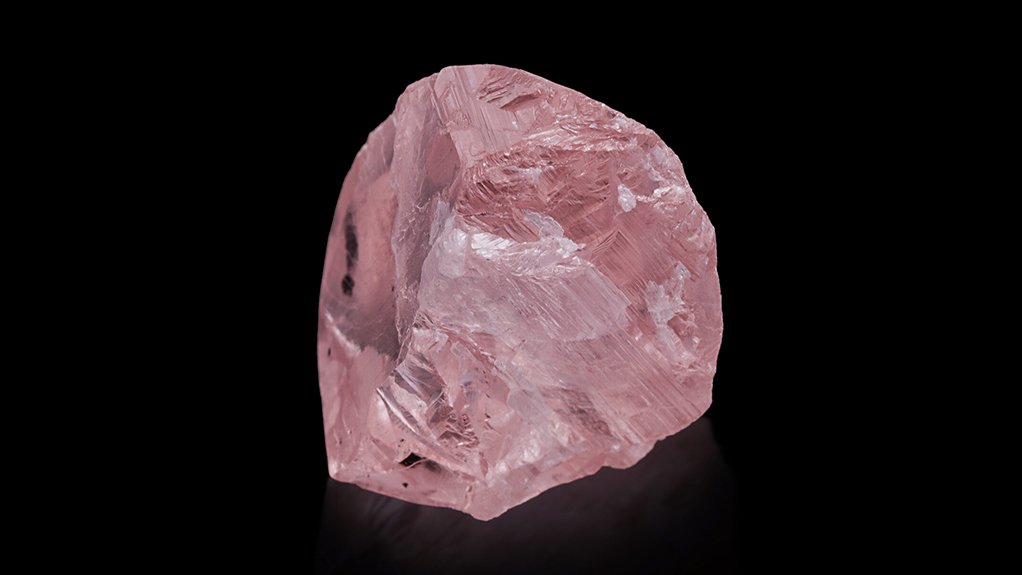
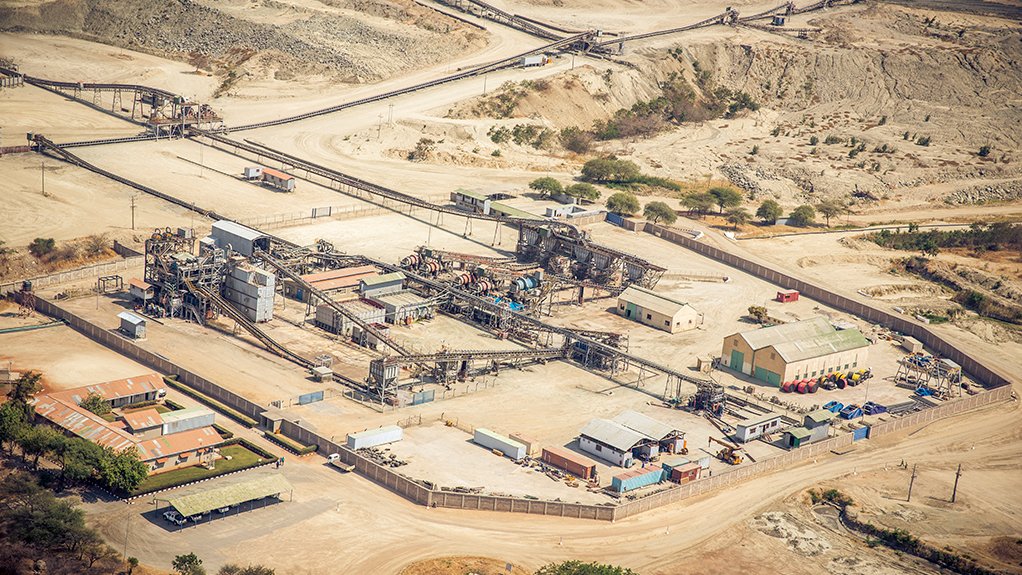
Williamson Pink Diamonds

London-listed and South Africa-active Petra Diamonds has sold its entire shareholding in Williamson Diamonds of Tanzania, plus all shareholder loans owed to it, to Pink Diamonds Investments, also of Tanzania.

Pink diamonds are known for their pink hue, ranging from light to deep rose.

The up-to-$16-million transaction has obtained Tanzanian Fair Competition Commission approval for Williamson ownership now vesting entirely with Pink, a Taifa affiliate, which is viewed as possessing the technical and financial capability to conduct operations for the benefit of stakeholders.

With more than three decades of mining-related experience, Taifa’s working relationships extend to mining majors such as De Beers, Barrick and AngloGold Ashanti, and the company is now entering a phase of exclusive ownership of an asset where about 1 100 people are employed, most of them Tanzanian.

The mine’s reserves and resources as of June 30 were reported as 37.17-million carats. With liquidity challenges continuing, further capital investment will be required.

Petra Diamonds

Twenty per cent of any distributable cash generated annually by Williamson will be payable by Pink Diamonds to Petra until the selling price is met, Petra joint interim CEO Vivek Gadodia outlined in a release to Mining Weekly, in which he wished Pink all of the best as its takes over the mine, the kimberlite pipe of which was discovered by Canadian geologist John Williamson in 1940 and which led to ongoing operation since then, making it one of the world’s oldest continuous operating diamond mines. Its yield of 19-million-plus diamond carats includes a 54.5 ct Williamson pink diamond that was presented to British royalty in 1947.

Meanwhile, Petra, with the Cullinan and Finsch underground diamond mines in South Africa, is focusing on value rather than volume at a time when diamond-mining headwinds are tending to dominate the headlines and the usual sale of rough diamonds at acceptable prices is reportedly proving difficult.

This has resulted in the stockpile of rough diamonds held by De Beers, for example, rising to $2-billion, which, according to a report in the Financial Times, is the biggest hold back of rough diamonds since the financial crisis of 2008.

Source: DCLA

De Beers London launches Vibrations

  De Beers London presents Vibrations: a High Jewellery universe inspired by the quiet yet enduring power of inland water. The collection ce...