Showing posts with label Large Pink Diamond. Show all posts

Wednesday, 16 September 2026

The Extraordinary Rarity of Pink Diamonds: Christie’s Sets a $12 Million Estimate

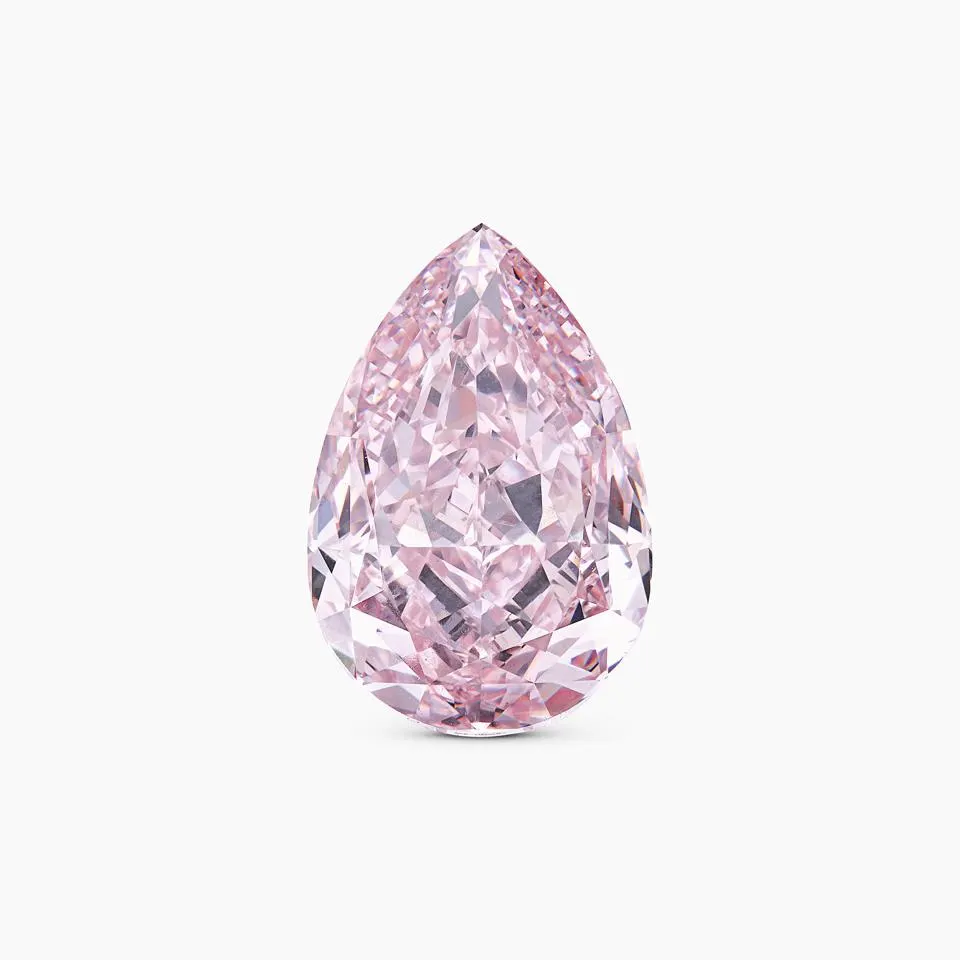
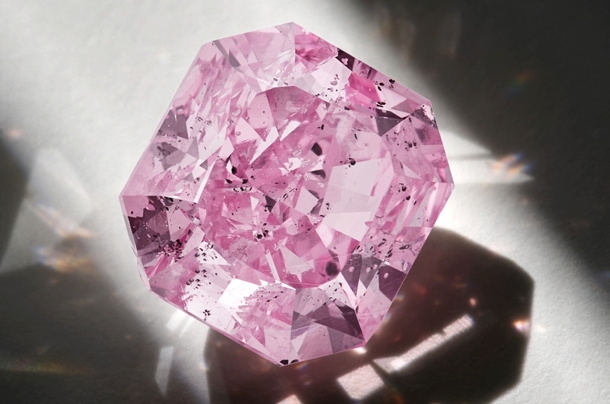
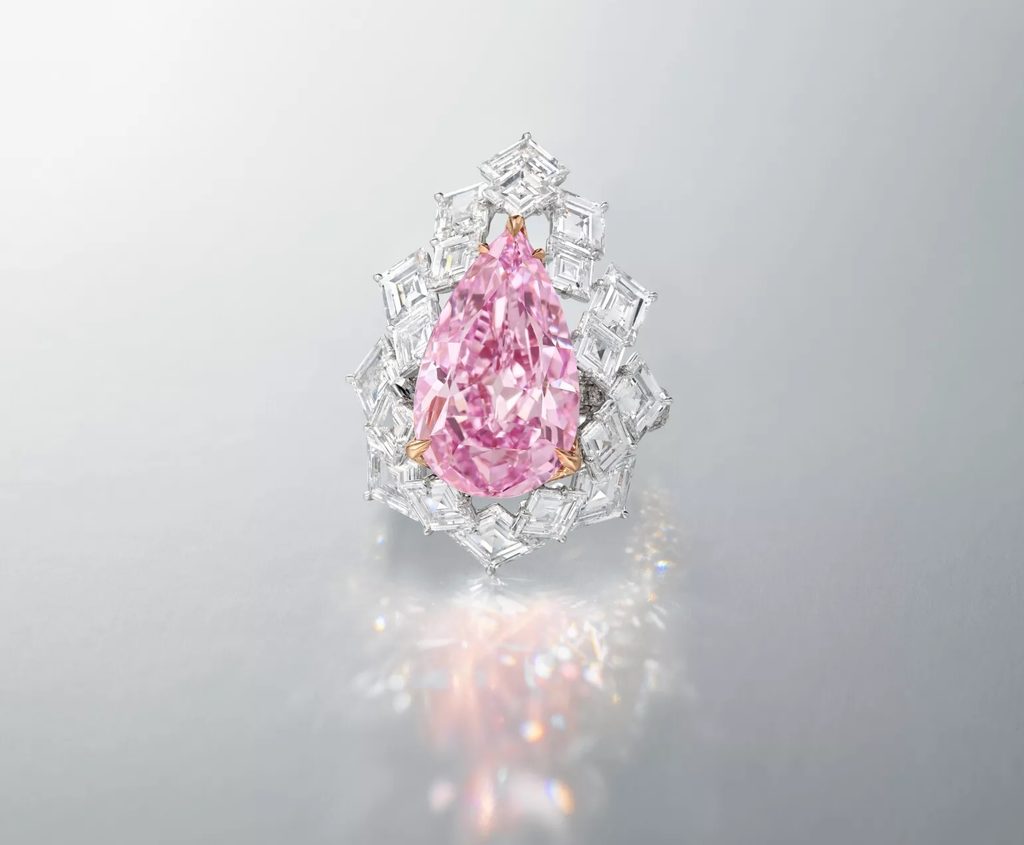
 8.41-carat pear modified brilliant-cut Fancy Vivid Purple-Pink diamond

Few gemstones command the combination of fascination, rarity and value associated with a natural pink diamond.

Unlike many coloured gemstones, the extraordinary pink colour of a natural diamond is not simply the result of a trace element creating a familiar colour. The science behind natural pink diamonds is considerably more complex. Their colour is generally associated with structural distortion within the diamond’s crystal lattice, created deep within the Earth over immense periods of geological time.

It is this extraordinary combination of natural rarity, geological history and optical beauty that has placed the finest pink diamonds among the world’s most coveted gemstones.

Now, Christie’s is preparing to offer another remarkable example.

At its Hong Kong Magnificent Jewels Autumn Auction on November 24, Christie’s will present an 8.41-carat pear modified brilliant-cut Fancy Vivid Purple-Pink diamond, with an estimate reaching HKD 95 million, approximately US$12 million.

The stone is also classified as Type IIa, adding another notable dimension to its gemmological profile.

When colour becomes the rarity

In the world of diamonds, carat weight is only one part of the story.

For exceptional coloured diamonds, hue, tone, saturation and distribution of colour can be every bit as important as size. A diamond may be large, yet its colour characteristics can determine whether it becomes merely unusual or genuinely extraordinary.

The Christie’s diamond combines several characteristics rarely encountered together: significant size, a strong purple-pink colour, Fancy Vivid intensity and Type IIa classification.

The result is a gemstone occupying an exceptionally rare position within the natural diamond market.

The distinction between a pink diamond and an exceptional pink diamond can be subtle to the untrained eye. Under professional examination, however, the precise characteristics of colour become a sophisticated subject of gemmological analysis.

The science behind natural pink

The colour of most natural diamonds is associated with impurities within the crystal structure. Nitrogen, for example, plays a major role in many yellow diamonds.

Pink diamonds are different.

Their colour is generally linked to deformation of the diamond’s atomic lattice, rather than simply the presence of a colouring impurity. Scientists believe that immense geological forces can distort the crystal structure during the diamond’s formation and subsequent journey toward the Earth’s surface.

This distortion affects the way light interacts with the diamond, producing the extraordinary pink appearance for which these stones are renowned.

The exact relationship between crystal deformation and the resulting colour remains an area of sophisticated scientific study, making pink diamonds particularly fascinating from both a gemmological and geological perspective.

Type IIa: exceptional chemical purity

The Christie’s diamond is classified as Type IIa, a designation that describes the diamond’s chemical composition.

Type IIa diamonds contain extremely low levels of detectable nitrogen and are regarded as among the chemically purest diamonds.

This classification should not, however, be confused with a quality grade.

Type IIa is a scientific classification, not a statement that a diamond is automatically more valuable. A diamond’s desirability and market value depend on the complete combination of its characteristics.

In this case, Type IIa adds another intriguing scientific feature to an already exceptional natural coloured diamond.

Why the strongest pinks are so difficult to find

The rarity of exceptional natural pink diamonds has been reinforced by the limited availability of significant sources of these stones.

For decades, Australia’s Argyle mine in Western Australia was internationally recognised as the world’s most important source of natural pink diamonds. The mine produced an extraordinary range of pink, red and purplish diamonds, but ceased production in 2020.

Its closure fundamentally changed the landscape for the supply of important natural pink diamonds.

While pink diamonds can occur in other deposits around the world, stones possessing the combination of strong colour, exceptional saturation, significant size and desirable clarity remain exceptionally uncommon.

This scarcity has helped establish the finest natural pink diamonds as important collector gemstones rather than simply luxury jewellery.

The auction market for exceptional colour

Major jewellery auctions provide a fascinating window into the upper end of the natural coloured diamond market.

When a rare stone comes to auction, collectors are not simply buying carat weight. They are competing for a combination of characteristics that may never be replicated.

The provenance of a jewel, its laboratory documentation, its natural colour, treatment status, cutting quality and historical significance can all contribute to its desirability.

For a gemstone of this calibre, laboratory examination is therefore fundamental.

A second extraordinary jewel

Christie’s Hong Kong sale will feature another remarkable gemstone in the form of a 10.10-carat Burmese ruby, set within a Cartier brooch incorporating triangular and square diamonds.

The jewel carries a high estimate of approximately HKD 60 million, or US$7.7 million.

The ruby is particularly significant for its Burmese origin and substantial size, while the Cartier design connects the jewel with the maison’s pioneering use of platinum during the early 20th century.

Exceptional Burmese rubies are among the world’s most celebrated coloured gemstones, particularly when they display desirable colour, transparency and other characteristics associated with fine-quality material.

The importance of knowing what lies beneath the beauty

At the highest levels of the jewellery market, beauty and science increasingly go hand in hand.

A spectacular diamond may capture the eye, but professional gemmology seeks to establish what the stone actually is, how its characteristics were formed and whether those characteristics are natural or treatment-related.

For coloured diamonds, this distinction can be particularly important.

Independent laboratory examination can investigate characteristics such as natural versus laboratory-grown origin, colour treatment, diamond type and other identifying features. For important stones, such documentation provides an objective scientific foundation for the jewel’s description.

At DCLA, the Diamond Certification Laboratory of Australia, gemmological examination is centred on independent scientific assessment and reporting in accordance with recognised international standards.

A jewel measured in rarity, not simply carats

The Christie’s 8.41-carat Fancy Vivid Purple-Pink diamond illustrates why exceptional gemstones occupy a category of their own.

Its significance lies not simply in its weight.

It is the combination of natural colour, vivid intensity, purple-pink hue, substantial size, Type IIa classification and exceptional geological rarity that makes the stone so compelling.

As it takes its place under the hammer in Hong Kong, collectors will once again be reminded of one of the enduring truths of the diamond world:

The rarest diamonds are not necessarily the largest. They are the diamonds in which nature has created something extraordinarily difficult to reproduce.

And in the case of a truly exceptional natural pink diamond, that rarity began billions of years before it ever became a jewel.

Tuesday, 28 July 2026

The Art of Contrast: Why Mixing Coloured Diamonds Creates Extraordinary Jewellery

 The Importance of Colour Matching

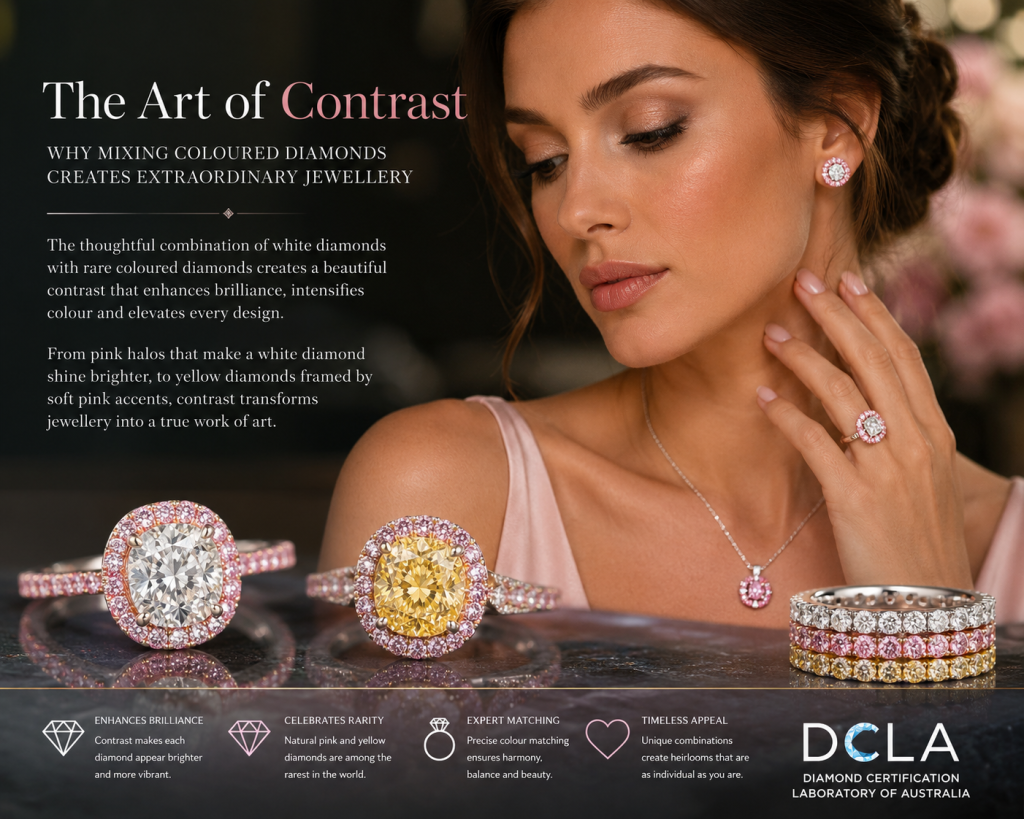
For centuries, white diamonds have been regarded as the ultimate symbol of elegance and timeless beauty. Today, however, the world’s leading jewellery designers are embracing a more artistic approach combining white diamonds with rare coloured diamonds to create striking pieces that are as unique as they are valuable.

From delicate pink diamond halos surrounding a brilliant white centre stone to vivid yellow diamonds framed by soft pink accents, the thoughtful use of contrasting colours can transform an already beautiful diamond into an exceptional work of art.

The result is jewellery that is not only visually captivating but often far more distinctive than traditional all-white diamond designs.

Colour Creates Emotion

The human eye is naturally drawn to contrast.

Artists have understood this for centuries, using complementary colours to create depth, balance and visual impact. Jewellery designers apply the same principles when working with diamonds.

A perfectly colourless diamond surrounded by a halo of natural pink diamonds immediately appears brighter and more vibrant. The soft blush tones create warmth around the crisp white centre stone, producing a romantic and luxurious appearance that cannot be achieved with white diamonds alone.

Similarly, a rich yellow diamond surrounded by pink diamonds creates a dramatic contrast. The warmth of the yellow is enhanced by the cool undertones of the pink, allowing each colour to appear richer and more saturated.

Rather than competing with one another, the colours work together to produce greater visual intensity.

The Rise of Coloured Diamond Combinations

While coloured diamonds have always been prized by collectors, improvements in jewellery design and precision manufacturing have encouraged designers to use them in increasingly creative ways.

Some of today’s most sought-after combinations include:

  • A colourless diamond framed by a halo of natural pink diamonds.
  • Fancy Yellow diamonds surrounded by Argyle pink diamonds.
  • Fancy Intense Yellow centre stones with white diamond halos.
  • White diamonds accented with blue or champagne diamonds.
  • Pink diamonds paired with white pavĂ© settings.
  • Three-stone rings featuring contrasting diamond colours.
  • Alternating white and coloured diamonds in eternity bands.

Each combination creates its own personality, allowing jewellery to become an expression of individual style rather than simply following tradition.

Pink Diamonds: Small Stones with Extraordinary Impact

Natural pink diamonds occupy a unique position within the diamond world.

Even very small pink diamonds possess remarkable rarity, particularly those originating from Australia’s now-closed Argyle Mine. Their limited availability has made them highly desirable among collectors and designers alike.

A halo of pink diamonds surrounding a larger white diamond allows jewellers to showcase this rarity without requiring a large pink centre stone.

The effect is remarkable.

The pink diamonds add warmth and sophistication while visually enhancing the brilliance of the colourless centre diamond.

Because the halo consists of numerous carefully matched stones, the overall impression is one of richness and refinement.

Yellow Diamonds Come Alive with Contrast

More Than Beauty, A Celebration of Rarity


Yellow diamonds are among the most popular naturally coloured diamonds available today.

When used as the centrepiece of a ring, they radiate warmth and vibrancy. However, surrounding a yellow diamond with carefully selected pink diamonds introduces an entirely new dimension.

The soft pink tones gently frame the yellow centre, making its colour appear deeper and more saturated. At the same time, the yellow diamond provides a striking focal point against the delicate pink border.

Many luxury jewellery houses have embraced this combination because it creates an appearance that is simultaneously elegant, modern and unmistakably distinctive.

More Than Beauty, A Celebration of Rarity

Combining different coloured diamonds is not simply a design trend.

It is often a celebration of rarity.

Natural fancy coloured diamonds account for only a very small percentage of all diamonds recovered worldwide. Finding matching stones with similar colour intensity, clarity and size requires exceptional expertise.

Every carefully matched halo represents countless hours of diamond selection.

The more precisely the colours complement one another, the more harmonious and valuable the finished piece becomes.

The Importance of Colour Matching

Creating a successful coloured diamond design involves far more than selecting attractive stones.

Professional jewellers carefully consider:

  • Colour hue
  • Colour intensity
  • Tone
  • Saturation
  • Diamond size
  • Cut precision
  • Overall symmetry

Even slight variations between pink diamonds can affect the appearance of a halo.

Likewise, white accent diamonds must be matched for colour and brilliance to ensure they enhance rather than distract from the centre stone.

This meticulous attention to detail is what separates exceptional jewellery from ordinary jewellery.

Precious Metals Complete the Design

The choice of metal plays an equally important role.

Platinum and white gold enhance the brilliance of colourless diamonds and provide a contemporary appearance.

Yellow gold intensifies the warmth of yellow diamonds while offering a classic, timeless aesthetic.

Rose gold has become increasingly popular for pink diamond jewellery, complementing the delicate blush tones and creating a seamless flow of colour throughout the design.

Some of the most sophisticated creations combine multiple precious metals, allowing each section of the ring to highlight a different coloured diamond.

A New Era of Personal Expression

Today’s clients are increasingly seeking jewellery that reflects their individuality.

Mixing coloured diamonds allows designers to create bespoke pieces that cannot be replicated simply by increasing diamond size or carat weight.

Whether choosing a white diamond embraced by a halo of rare pink diamonds or a radiant yellow diamond accented with white and pink stones, these combinations create jewellery that tells a story through colour, contrast and craftsmanship.

Beauty Enhanced by Contrast

The finest jewellery is rarely about excess it is about balance.

The careful pairing of white, pink and yellow diamonds demonstrates how contrast can enhance brilliance, intensify colour and elevate an already beautiful design into something truly extraordinary.

As coloured diamonds continue to capture the imagination of collectors and jewellery lovers around the world, their thoughtful combination with traditional white diamonds is redefining modern luxury.

When selected with care and expertly matched, contrasting diamond colours do more than create visual impact they create timeless pieces whose beauty lies not only in the rarity of the individual diamonds, but in the harmony they achieve together.

Source: DCLA

Friday, 15 May 2026

6.03 Carat Internally Flawless Blue Diamond Unsold at Major Geneva Auction


Rare 6.03 Carat Vivid Blue Diamond Fails to Sell at Sotheby’s Geneva Despite $12 Million Estimate

A rare 6.03 carat fancy vivid blue internally flawless diamond failed to secure a buyer at the recent Sotheby’s Geneva High Jewelry Sale, despite carrying a pre sale estimate between USD $9 million and $12 million. The exceptional blue diamond was the headline lot of the May 12 auction held at the Mandarin Oriental in Geneva.

matched pair of unmounted diamonds, each weighing 18.38 carats. Both diamonds were graded Type IIa and D colour


Although the blue diamond remained unsold, the auction itself was considered a strong success, achieving more than USD $30 million in total sales with 93% of lots sold. Sotheby’s reported its highest participation levels in a Geneva jewellery sale in more than five years, with an average of more than five bidders competing for each sold lot.

Collectors from over 30 countries participated in the auction, with strong interest from buyers across the United States, Asia, Europe and the United Kingdom. Fancy coloured diamonds, important gemstones and signed vintage jewellery continued to dominate buyer demand.

According to Jessica Wyndham, Head of High Jewelry at Sotheby’s Geneva, collector appetite for coloured gemstones remains exceptionally strong, while white diamonds are also experiencing renewed demand. Signed jewellery from iconic maisons, particularly bold 1970s and 1980s designs from Bulgari, significantly exceeded expectations during the sale.

The top performing lot of the auction was a perfectly matched pair of unmounted diamonds, each weighing 18.38 carats. Both diamonds were graded Type IIa and D colour, with one graded flawless and the other internally flawless. The pair sold for more than USD $3.2 million. The diamonds were sourced by De Beers from Botswana’s renowned Jwaneng Mine as part of a collaboration with Sotheby’s showcasing exceptional provenance diamonds.

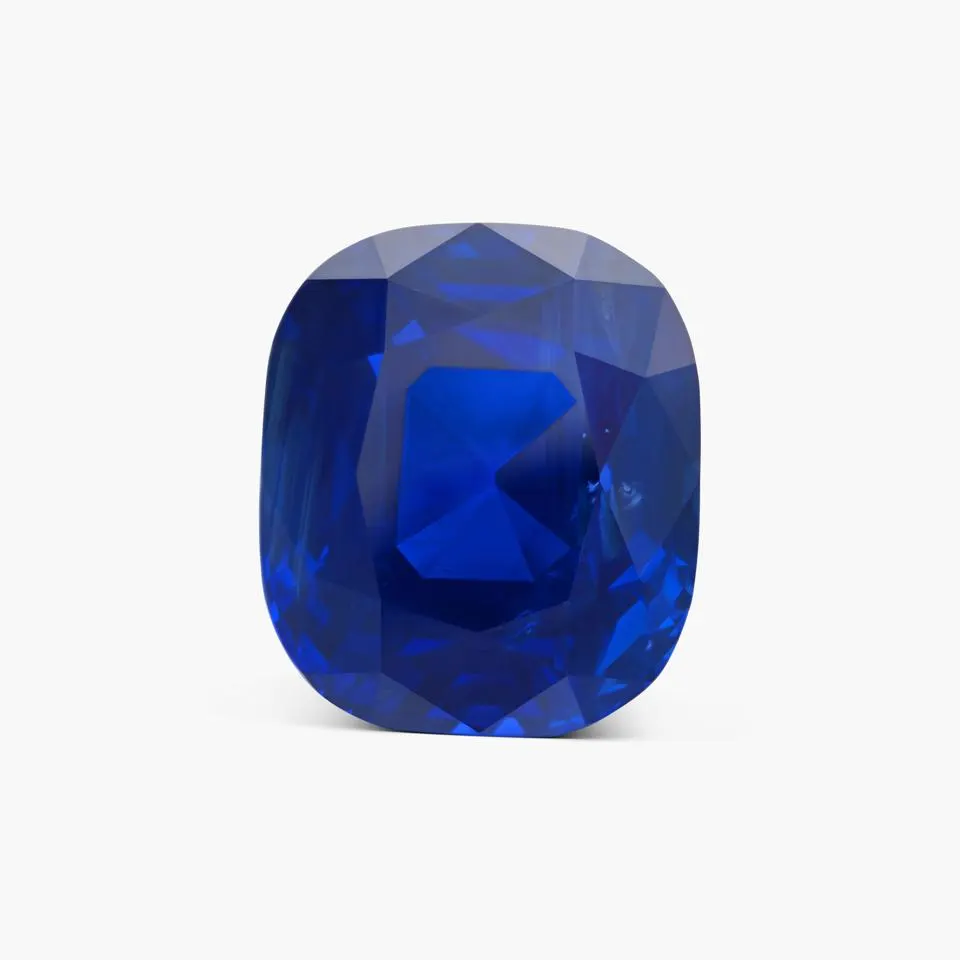
the “Peacock of Ceylon,” a remarkable 102.4 carat unheated cushion cut sapphire

Another standout lot was the “Peacock of Ceylon,” a remarkable 102.4 carat unheated cushion cut sapphire, which achieved nearly USD $2 million at auction.

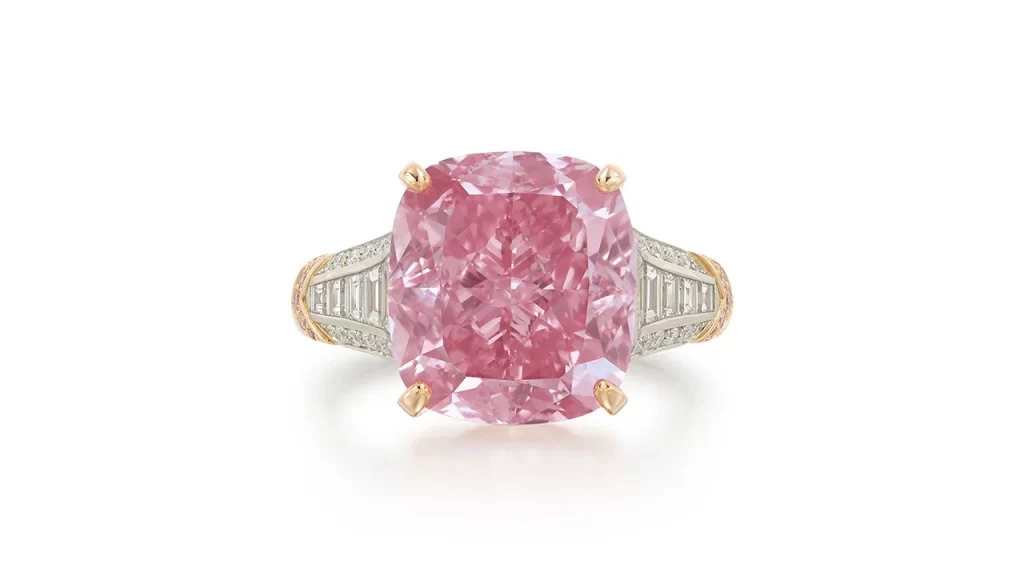
4.12 carat pear shaped fancy pink internally flawless diamond

A further highlight included a 4.12 carat pear shaped fancy pink internally flawless diamond ring, which sold for USD $1.4 million. The Type IIa diamond, graded by the Gemological Institute of America, featured excellent polish and was mounted between tapered baguette diamond shoulders.

The failure of the vivid blue diamond to sell highlights the increasingly selective nature of today’s high end gemstone market, where rarity alone is no longer enough to guarantee a record result.

Source: DCLA

Thursday, 9 April 2026

World Diamond Day: The Most Valuable Diamonds Ever Sold at Auction

In recognition of World Diamond Day, we reflect on some of the most extraordinary diamonds ever offered at auction stones that not only achieved record-breaking prices but also represent the pinnacle of rarity, craftsmanship, and natural beauty.

Established by the Natural Diamond Council, World Diamond Day celebrates the enduring significance of natural diamonds, highlighting their provenance, emotional value, and the moments they commemorate. It is also an opportunity to examine the exceptional stones that continue to define the upper limits of the global diamond market.

Below is a selection of some of the most important diamonds ever sold at auction.


The CTF Pink Star

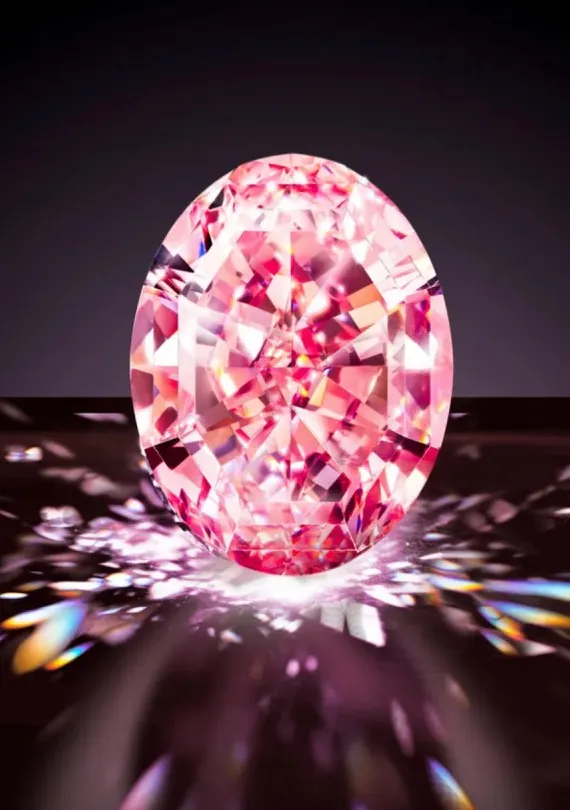
CTF Pink Star

The CTF Pink Star remains the most expensive diamond ever sold at auction. This 59.60 carat oval-shaped, fancy vivid pink diamond achieved US$71.2 million at Sotheby’s Hong Kong in 2017.

Internally flawless and cut from a 132.5 carat rough discovered in 1999, the stone required over two years of meticulous planning and craftsmanship to realise its final form. It was acquired by Chow Tai Fook, setting a benchmark for coloured diamonds globally.


The Williamson Pink Star

The Williamson Pink Star

Achieving US$57.7 million in 2022, this 11.15 carat cushion-cut fancy vivid pink diamond is among the finest ever graded.

Originating from a 32.32 carat rough from Tanzania’s Williamson mine, it was classified as internally flawless by the Gemological Institute of America, placing it among the rarest gemstones known.


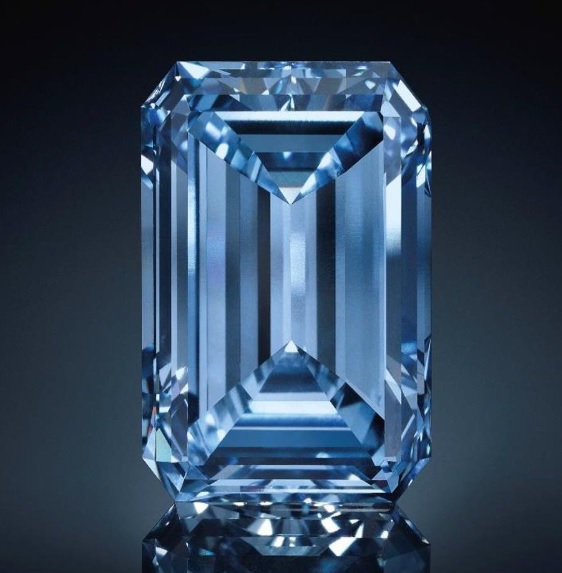
The Oppenheimer Blue

The Oppenheimer Blue

This 14.62 carat emerald-cut vivid blue diamond sold for US$57.5 million at Christie’s Geneva in 2016.

Named after its former owner, Sir Philip Oppenheimer, the diamond drew intense global attention and was ultimately secured after a competitive international bidding process.


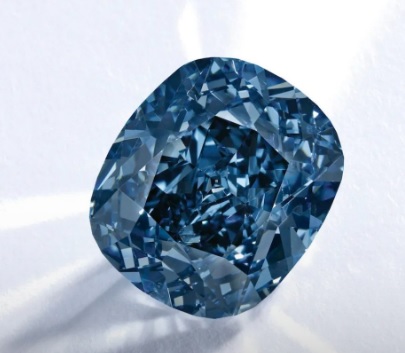
The Blue Moon of Josephine

The Blue Moon of Josephine

Cut from a 29.62 carat rough discovered in South Africa in 2014, this 12.03 carat fancy vivid blue diamond achieved US$48.4 million at Sotheby’s Hong Kong in 2015.

Purchased by Hong Kong collector Joseph Lau, it was renamed in honour of his daughter, further cementing its place in modern diamond history.


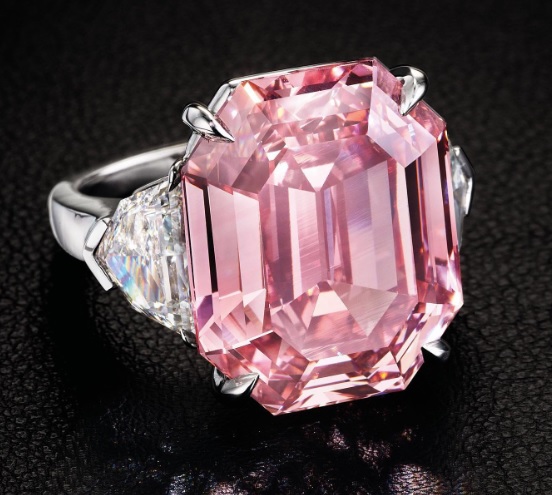
The Graff Pink

The Graff Pink

This 24.78 carat fancy intense pink diamond sold for over US$46 million at Sotheby’s Geneva in 2010.

Acquired by Laurence Graff, the stone had not appeared on the market for more than 60 years prior to its sale, adding to its provenance and desirability.


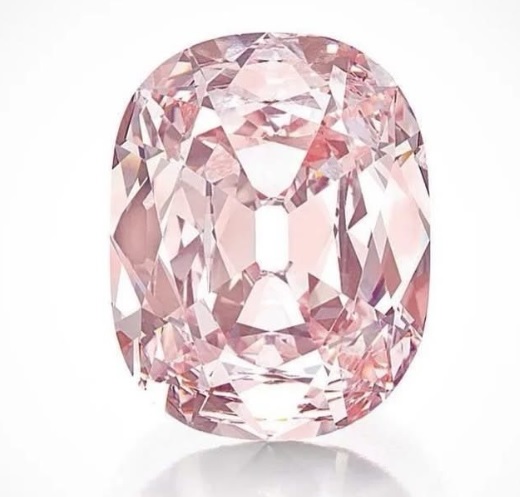
The Princie Diamond

The Princie Diamond

Selling for US$39.3 million at Christie’s New York in 2013, the Princie Diamond carries remarkable historical significance.

Originating from India’s famed Golconda mines and once owned by the Nizams of Hyderabad, the diamond reflects the rich heritage of some of the world’s most celebrated diamond sources.


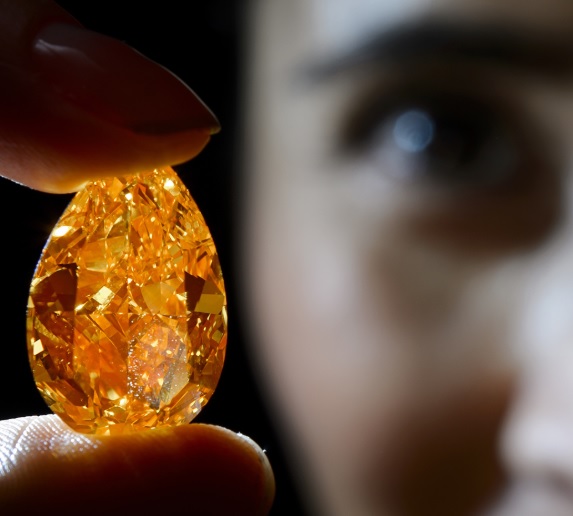
The The Orange

The The Orange

Weighing 14.82 carats, this pear-shaped fancy vivid orange diamond remains the largest of its kind ever recorded.

It achieved US$35.5 million at Christie’s Geneva in 2013, significantly exceeding pre-sale expectations and reinforcing the rarity of orange diamonds.


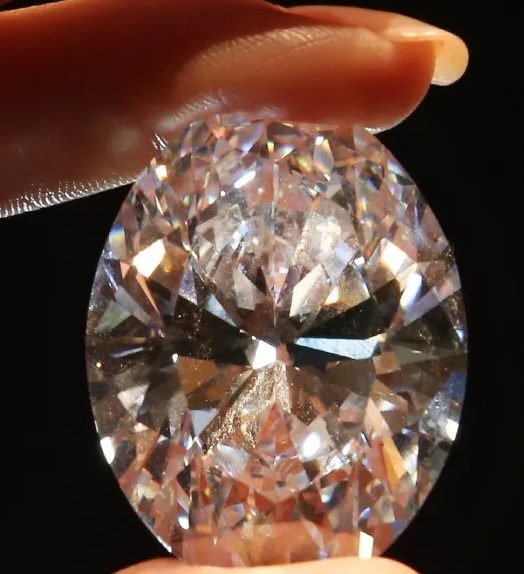
The Magnificent Oval Diamond

The Magnificent Oval Diamond

One of the largest D-colour flawless diamonds ever to appear at auction, this 118.28 carat oval-cut stone sold for US$30.8 million at Sotheby’s Hong Kong in 2013.

Its exceptional colour and clarity grading underscore the importance of strict laboratory standards in determining value—an area where independent certification remains critical.


A Reflection on Rarity and Value

These diamonds are more than record-breaking assets—they are geological miracles shaped over billions of years and refined through exceptional human skill. Their value lies not only in carat weight or colour grading, but in rarity, provenance, and the precision of their cutting and certification.

As World Diamond Day highlights, natural diamonds continue to occupy a unique position in both the luxury and investment landscape. For laboratories such as the Diamond Certification Laboratory of Australia, the role of accurate and independent grading remains fundamental in preserving confidence and transparency within the global diamond market.

Source: DCLA

Friday, 19 December 2025

3.63-ct “Salt and Pepper” Pink Fails to Sell

3.63-carat fancy vivid purple-pink diamond

The highlight of Sotheby’s Fine Jewelry sale in New York – a rare 3.63-carat fancy vivid purple-pink diamond failed to find a buyer.

The unmounted, cut-cornered rectangular modified brilliant-cut stone carried a pre-auction estimate of $1m to $1.5m , reflecting both its unusual color and its potential appeal to collectors.

But bidding at the auction, on 11 December, stalled below the consignor’s undisclosed reserve, leaving the stone unsold.

Market observers suggested that bidders were likely deterred by the diamond’s noticeable “salt and pepper” inclusions, which significantly affected its clarity.

The Gemological Institute of America (GIA) graded the stone as I2 clarity, raising concerns about transparency and overall visual appeal.

Observers say buyers in today’s cautious high-end market are increasingly unwilling to compromise on clarity, particularly for unmounted stones, where inclusions are more apparent, even when the color is considered rare and desirable.

Source: DCLA

Friday, 17 October 2025

$20 Million ‘Glowing Rose’ Pink Diamond to Headline Sotheby’s Geneva Auction

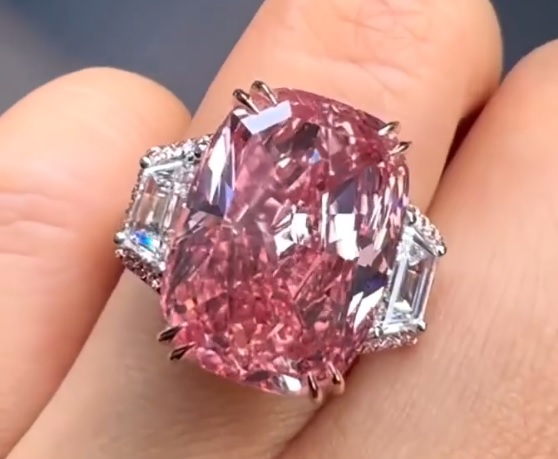
10.08-carat fancy vivid pink diamond ring, named The Glowing Rose

A rare 10.08-carat fancy vivid pink diamond ring, named The Glowing Rose, is set to take centre stage at Sotheby’s upcoming High Jewellery sale in Geneva on 12 November. Expected to achieve around USD 20 million, the stone represents one of the most important pink diamonds to reach the auction block in recent years.

This exceptional cushion brilliant-cut diamond crafted by luxury jeweller Boodles originates from a 21-carat rough unearthed in Angola in 2023. Its vivid, pure pink hue and balanced proportions exemplify the rarest qualities of natural fancy coloured diamonds. According to Sotheby’s, it is only the third cushion cut vivid pink diamond over 10 carats to appear at auction within the past decade.

The cushion cut, recently popularised by Taylor Swift’s engagement ring, has become increasingly sought after among collectors for its romantic and timeless appeal.

Sotheby’s has a strong record of achieving exceptional results for vivid pink diamonds. In 2022, the auction house sold the Williamson Pink Star an 11.15 carat, fancy vivid pink, internally flawless diamond for USD 57.7 million in Hong Kong. The following year, a 10.57 carat vivid purplish-pink diamond fetched USD 34.8 million in New York. Earlier this year, Sotheby’s Geneva achieved USD 21.5 million for the Mediterranean Blue, a 10.03-carat fancy vivid blue diamond.

“With the continued global demand for rare coloured diamonds, we are delighted to present The Glowing Rose,” said Jessica Wyndham, Head of High Jewellery at Sotheby’s Geneva. “Following the remarkable success of the Mediterranean Blue, this sale offers collectors another extraordinary opportunity to acquire a truly exceptional gem.”

Before its appearance in Geneva, The Glowing Rose will be showcased in Singapore and Taipei, giving collectors and connoisseurs a preview of one of the year’s most significant pink diamonds.

DCLA notes that fancy vivid pink diamonds remain among the most coveted and valuable gems in the world, combining extraordinary rarity with strong global demand from collectors and investors alike.

De Beers London launches Vibrations

  De Beers London presents Vibrations: a High Jewellery universe inspired by the quiet yet enduring power of inland water. The collection ce...