Showing posts with label Fancy Vivid Pink Diamond. Show all posts

Wednesday, 16 September 2026

The Extraordinary Rarity of Pink Diamonds: Christie’s Sets a $12 Million Estimate

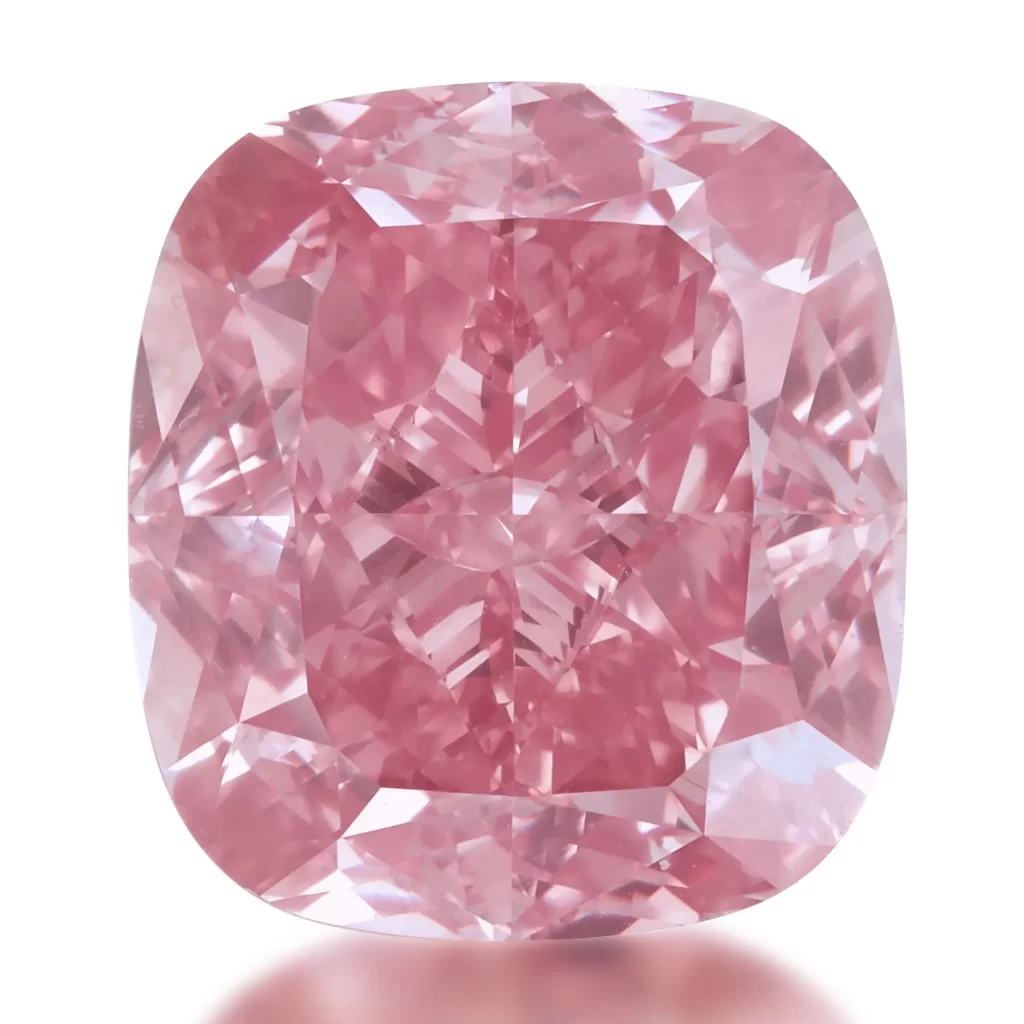
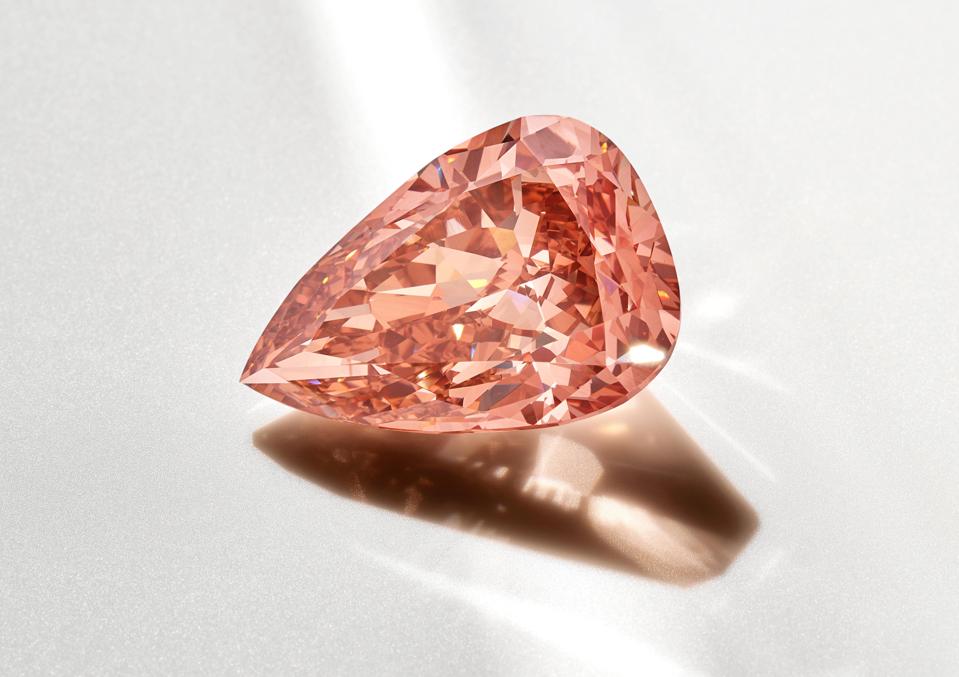
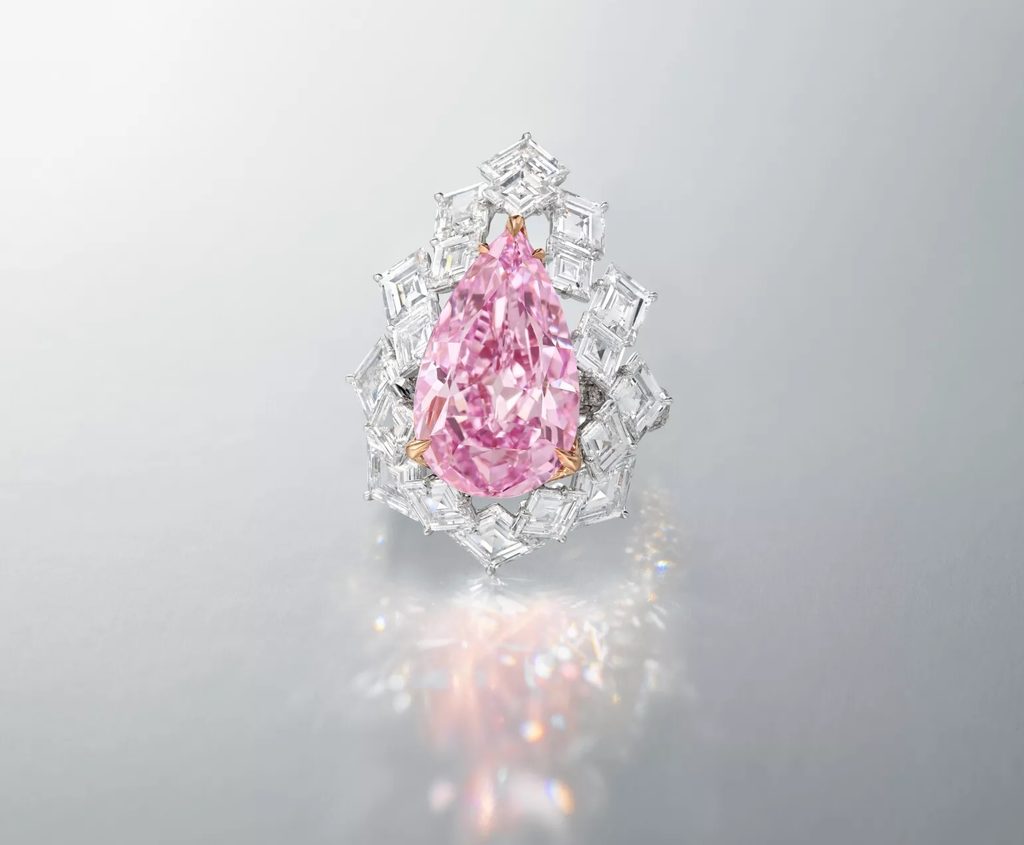
 8.41-carat pear modified brilliant-cut Fancy Vivid Purple-Pink diamond

Few gemstones command the combination of fascination, rarity and value associated with a natural pink diamond.

Unlike many coloured gemstones, the extraordinary pink colour of a natural diamond is not simply the result of a trace element creating a familiar colour. The science behind natural pink diamonds is considerably more complex. Their colour is generally associated with structural distortion within the diamond’s crystal lattice, created deep within the Earth over immense periods of geological time.

It is this extraordinary combination of natural rarity, geological history and optical beauty that has placed the finest pink diamonds among the world’s most coveted gemstones.

Now, Christie’s is preparing to offer another remarkable example.

At its Hong Kong Magnificent Jewels Autumn Auction on November 24, Christie’s will present an 8.41-carat pear modified brilliant-cut Fancy Vivid Purple-Pink diamond, with an estimate reaching HKD 95 million, approximately US$12 million.

The stone is also classified as Type IIa, adding another notable dimension to its gemmological profile.

When colour becomes the rarity

In the world of diamonds, carat weight is only one part of the story.

For exceptional coloured diamonds, hue, tone, saturation and distribution of colour can be every bit as important as size. A diamond may be large, yet its colour characteristics can determine whether it becomes merely unusual or genuinely extraordinary.

The Christie’s diamond combines several characteristics rarely encountered together: significant size, a strong purple-pink colour, Fancy Vivid intensity and Type IIa classification.

The result is a gemstone occupying an exceptionally rare position within the natural diamond market.

The distinction between a pink diamond and an exceptional pink diamond can be subtle to the untrained eye. Under professional examination, however, the precise characteristics of colour become a sophisticated subject of gemmological analysis.

The science behind natural pink

The colour of most natural diamonds is associated with impurities within the crystal structure. Nitrogen, for example, plays a major role in many yellow diamonds.

Pink diamonds are different.

Their colour is generally linked to deformation of the diamond’s atomic lattice, rather than simply the presence of a colouring impurity. Scientists believe that immense geological forces can distort the crystal structure during the diamond’s formation and subsequent journey toward the Earth’s surface.

This distortion affects the way light interacts with the diamond, producing the extraordinary pink appearance for which these stones are renowned.

The exact relationship between crystal deformation and the resulting colour remains an area of sophisticated scientific study, making pink diamonds particularly fascinating from both a gemmological and geological perspective.

Type IIa: exceptional chemical purity

The Christie’s diamond is classified as Type IIa, a designation that describes the diamond’s chemical composition.

Type IIa diamonds contain extremely low levels of detectable nitrogen and are regarded as among the chemically purest diamonds.

This classification should not, however, be confused with a quality grade.

Type IIa is a scientific classification, not a statement that a diamond is automatically more valuable. A diamond’s desirability and market value depend on the complete combination of its characteristics.

In this case, Type IIa adds another intriguing scientific feature to an already exceptional natural coloured diamond.

Why the strongest pinks are so difficult to find

The rarity of exceptional natural pink diamonds has been reinforced by the limited availability of significant sources of these stones.

For decades, Australia’s Argyle mine in Western Australia was internationally recognised as the world’s most important source of natural pink diamonds. The mine produced an extraordinary range of pink, red and purplish diamonds, but ceased production in 2020.

Its closure fundamentally changed the landscape for the supply of important natural pink diamonds.

While pink diamonds can occur in other deposits around the world, stones possessing the combination of strong colour, exceptional saturation, significant size and desirable clarity remain exceptionally uncommon.

This scarcity has helped establish the finest natural pink diamonds as important collector gemstones rather than simply luxury jewellery.

The auction market for exceptional colour

Major jewellery auctions provide a fascinating window into the upper end of the natural coloured diamond market.

When a rare stone comes to auction, collectors are not simply buying carat weight. They are competing for a combination of characteristics that may never be replicated.

The provenance of a jewel, its laboratory documentation, its natural colour, treatment status, cutting quality and historical significance can all contribute to its desirability.

For a gemstone of this calibre, laboratory examination is therefore fundamental.

A second extraordinary jewel

Christie’s Hong Kong sale will feature another remarkable gemstone in the form of a 10.10-carat Burmese ruby, set within a Cartier brooch incorporating triangular and square diamonds.

The jewel carries a high estimate of approximately HKD 60 million, or US$7.7 million.

The ruby is particularly significant for its Burmese origin and substantial size, while the Cartier design connects the jewel with the maison’s pioneering use of platinum during the early 20th century.

Exceptional Burmese rubies are among the world’s most celebrated coloured gemstones, particularly when they display desirable colour, transparency and other characteristics associated with fine-quality material.

The importance of knowing what lies beneath the beauty

At the highest levels of the jewellery market, beauty and science increasingly go hand in hand.

A spectacular diamond may capture the eye, but professional gemmology seeks to establish what the stone actually is, how its characteristics were formed and whether those characteristics are natural or treatment-related.

For coloured diamonds, this distinction can be particularly important.

Independent laboratory examination can investigate characteristics such as natural versus laboratory-grown origin, colour treatment, diamond type and other identifying features. For important stones, such documentation provides an objective scientific foundation for the jewel’s description.

At DCLA, the Diamond Certification Laboratory of Australia, gemmological examination is centred on independent scientific assessment and reporting in accordance with recognised international standards.

A jewel measured in rarity, not simply carats

The Christie’s 8.41-carat Fancy Vivid Purple-Pink diamond illustrates why exceptional gemstones occupy a category of their own.

Its significance lies not simply in its weight.

It is the combination of natural colour, vivid intensity, purple-pink hue, substantial size, Type IIa classification and exceptional geological rarity that makes the stone so compelling.

As it takes its place under the hammer in Hong Kong, collectors will once again be reminded of one of the enduring truths of the diamond world:

The rarest diamonds are not necessarily the largest. They are the diamonds in which nature has created something extraordinarily difficult to reproduce.

And in the case of a truly exceptional natural pink diamond, that rarity began billions of years before it ever became a jewel.

Friday, 28 August 2026

Fancy Colour Diamonds, From Hollywood Statement to the Ultimate Collectable

natural fancy colour diamonds


For generations, the traditional diamond engagement ring has been dominated by the classic colourless stone. But the world of exceptional diamonds is changing. Increasingly, collectors, celebrities and high jewellery connoisseurs are turning towards something far rarer and far more individual: natural fancy colour diamonds.

From vivid pinks and intense blues to extraordinary greens, yellows and the exceptionally rare reds, these diamonds are no longer simply an alternative to the traditional white diamond. They are becoming recognised as some of the most desirable and collectible gems in the world.

Jennifer Lopez Put Green Diamonds in the Spotlight

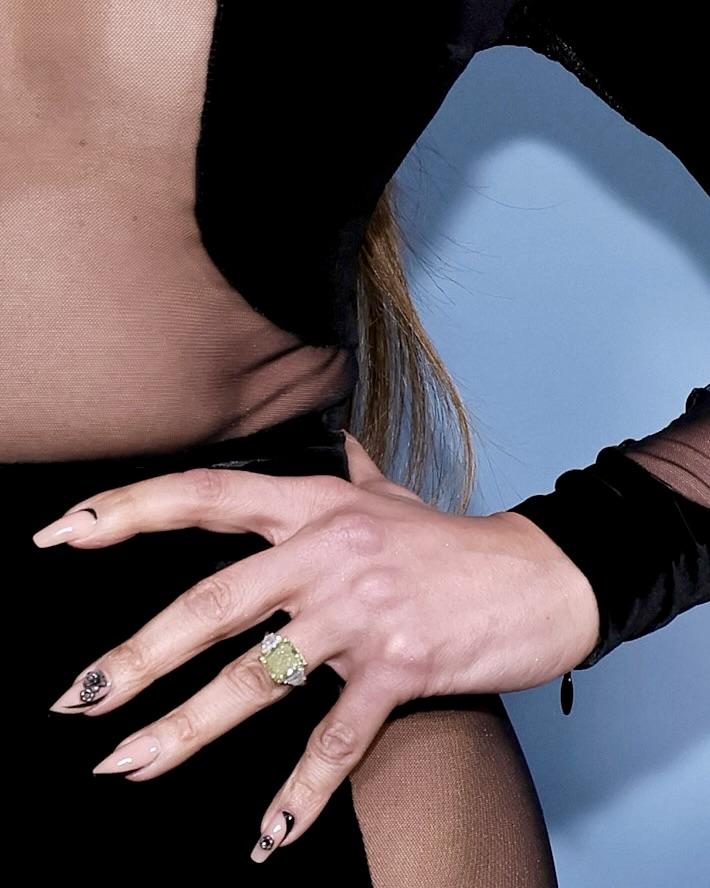
One of the most talked-about examples came in 2022, when Ben Affleck proposed to Jennifer Lopez with an extraordinary natural green diamond.

The choice was particularly appropriate for Lopez, who has long associated the colour green with good fortune and famously wore the iconic green Versace dress at the 2000 Grammy Awards.

But the ring represented more than a celebrity engagement.

It introduced millions of people to a diamond category that had traditionally been the domain of specialist collectors and serious diamond enthusiasts.

Green diamonds are exceptionally unusual. Unlike many other coloured diamonds, their colour is generally associated with natural radiation occurring over geological time. Importantly, green colour can be concentrated near the surface of the diamond, making the cutting and preservation of the stone particularly challenging.

The result is a diamond where colour, rarity, provenance and individuality can all become major components of its value.

According to GIA, natural fancy colour diamonds are among the rarest gemstones, with red, green, purple and orange among the rarest colours.

What Makes a Fancy Colour Diamond So Special?

With a conventional D-to-Z diamond, the absence of colour is generally desirable.

Fancy colour diamonds work differently.

Their value can increase with the strength, purity and quality of the colour. GIA’s grading system assesses factors including hue, tone and saturation, with descriptions such as Fancy, Fancy Intense, Fancy Vivid and Fancy Deep.

This creates a fascinating situation in the diamond market.

Two diamonds of exactly the same weight can have dramatically different values because their colours are different.

A small variation in hue or saturation can transform a beautiful diamond into an exceptional one.

And when the colour is extremely rare, the difference can be enormous.

The most coveted colours include:

Red – among the rarest of all natural diamond colours.

Pink – historically one of the most sought-after colours among collectors.

Blue – exceptionally rare, with its colour generally associated with boron.

Green – extraordinarily unusual and often associated with natural radiation.

Orange – rare and highly prized when the colour is strong and pure.

Yellow – more commonly encountered than green, blue or red, but spectacular vivid yellow diamonds can be exceptionally valuable.

GIA notes that saturated pinks, blues and greens are among the rarest and most valuable fancy colour diamonds.

Celebrities Are Changing the Conversation

Fancy colour diamonds have a long relationship with Hollywood and international celebrity culture.

The legendary Tiffany Yellow Diamond, weighing 128.54 carats, is one of the world’s most famous yellow diamonds. It has been associated with Audrey Hepburn, Lady Gaga and BeyoncĂ©, helping demonstrate how a coloured diamond can become part of popular culture rather than simply a gemological curiosity.

Other celebrities including Beyoncé, Paris Hilton, Miley Cyrus, Angelina Jolie and Heidi Klum have also worn fancy colour diamonds on major occasions.

And the trend is very much alive today.

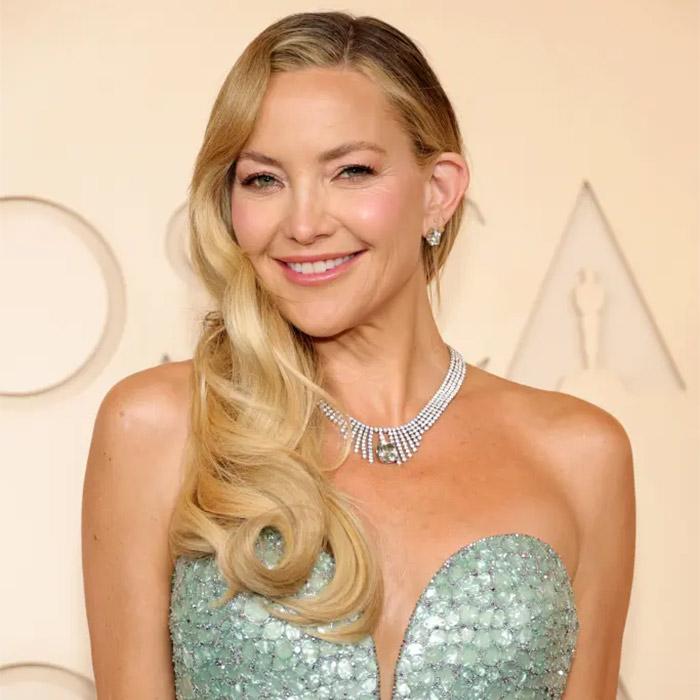
At the 2026 Oscars, Kate Hudson made headlines wearing more than 41 carats of rare green diamonds by Milan-based Garatti.

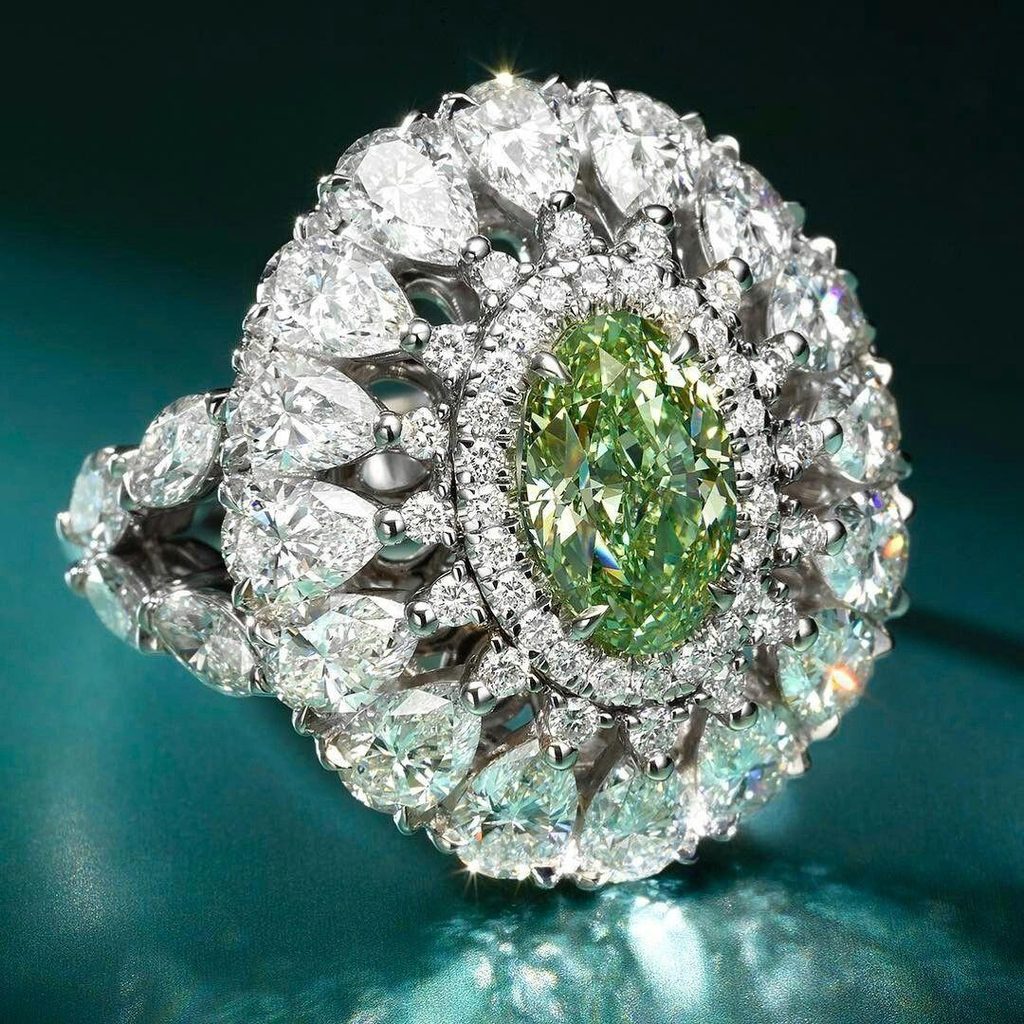
At the 2026 Oscars, Kate Hudson made headlines wearing more than 41 carats of rare green diamonds by Milan-based Garatti. Her spectacular jewellery included a 16-carat fancy green diamond necklace, a 15-carat Fancy Deep green diamond ring and matching green diamond earrings. The collection was reported at approximately US$35 million.

Lupita Nyong’o also brought green diamonds to the red carpet in 2026, wearing Garatti earrings incorporating Fancy Intense Green diamonds at The Odyssey world premiere in London.

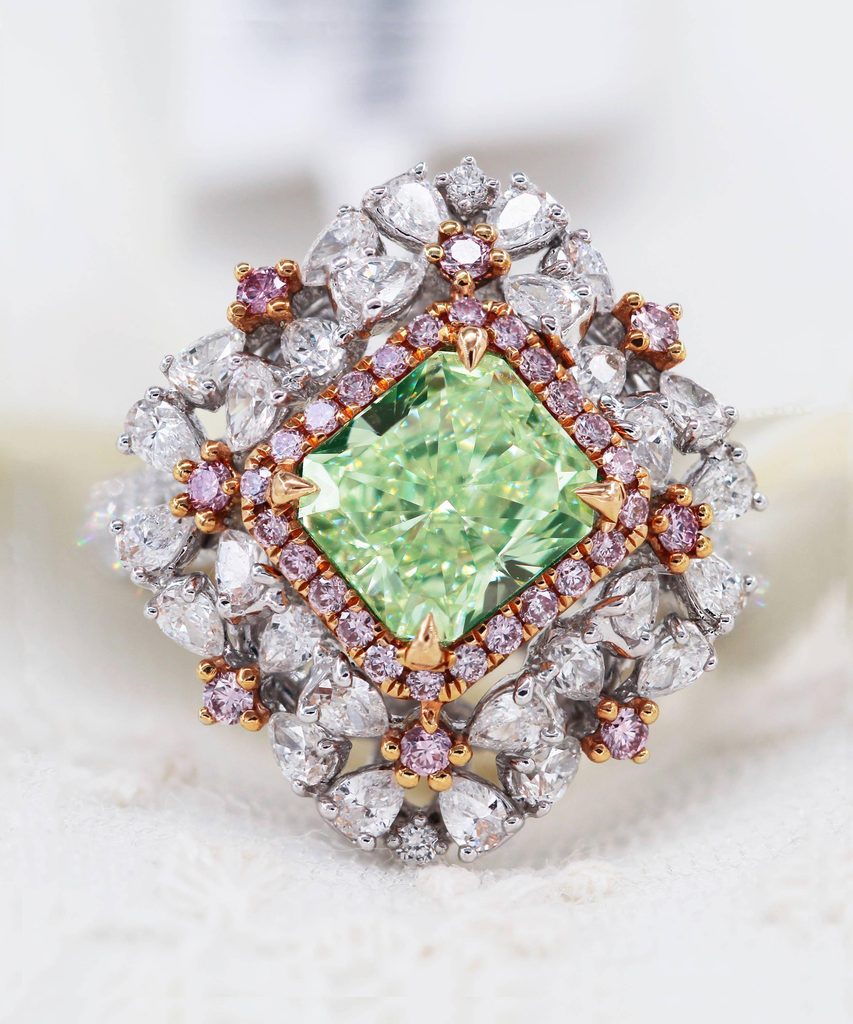
At the 2026 Golden Globes, Kate Hudson again wore green diamonds, including a 5-carat pear-shaped Fancy green diamond and a 3.19-carat Fancy Deep green diamond combined with pink and white diamonds.

These appearances are important because they expose a much wider audience to a category of diamond that was once largely understood only by specialists.

The Rise of the Collector’s Diamond

Green Diamonds Require Specialist Knowledge

The greatest appeal of a natural fancy colour diamond is that it can be much more than jewellery.

It can become a collectable gemstone.

Unlike mass-market jewellery, exceptional natural colour diamonds are finite. There is no guarantee that another stone with exactly the same combination of colour, saturation, size, clarity, shape and provenance will ever appear.

That individuality is fundamental to their attraction.

A collector may therefore look at a fancy colour diamond in much the same way an art collector looks at a unique painting.

The question isn’t simply:

“How much does it cost?”

It becomes:

“How rare is it, how exceptional is it, and will another one like it ever come onto the market?”

Green Diamonds Require Specialist Knowledge

Green diamonds are particularly fascinating because their colour formation and appearance can be complex.

GIA explains that the green colour in many natural green diamonds is concentrated near the surface of the stone, which means cutters often attempt to preserve natural rough material around the girdle.

This makes identification and grading particularly important.

A purchaser should never rely simply on the description “green diamond”.

The exact grading terminology matters.

Natural or laboratory-grown?

What is the origin of the colour?

What is the strength and distribution of the colour?

What laboratory has graded the stone?

What does the certificate actually say?

For a significant fancy colour diamond, independent laboratory documentation is essential.

Fancy Colour Diamonds Are Not Just a Fashion

What Makes a Fancy Colour Diamond So Special

Celebrity attention can create trends, but the fascination with fancy colour diamonds goes much deeper.

Their rarity is geological.

Their beauty is natural.

Their individuality is impossible to reproduce precisely.

And the finest examples can occupy a completely different level of the diamond market from ordinary jewellery diamonds.

This is why the current interest in green diamonds should not simply be dismissed as another celebrity fashion.

Jennifer Lopez may have helped introduce green diamonds to a global audience, but the stones themselves have been extraordinary for millions of years.

Today, collectors are beginning to appreciate what specialist diamond dealers and gemmologists have known for decades:

the world’s rarest diamonds are not necessarily the whitest.

Sometimes, the colour is the most valuable thing of all.

DCLA: Knowledge Matters

For anyone considering the purchase of a significant fancy colour diamond, independent expertise is critical.

At the Diamond Certification Laboratory of Australia (DCLA), the assessment of a diamond goes beyond simply looking at whether a stone appears attractive.

Fancy colour diamonds require specialist knowledge and careful assessment because subtle differences in colour can have a substantial effect on rarity, classification and value.

A beautiful coloured diamond is an exciting purchase.

An authenticated, professionally graded natural fancy colour diamond can be something much more significant: a rare gemstone with the potential to become a family heirloom and a serious collector’s asset.

DCLA — where diamond knowledge, science and independent assessment come together.

Sources

Fancy Color Diamond Quality Factors

The Magic of Colored Diamonds

Colored Diamonds Buyer’s Guide

Tiffany Yellow Diamond history

Natural Diamonds — Oscars 2026

Natural Diamonds — The Odyssey 2026

People — Kate Hudson’s 2026 Oscars green diamond jewellery

Thursday, 25 June 2026

Why Fancy Colour Diamonds Are Becoming the New Frontier of Natural Diamond Luxury


The Rarity Behind Fancy Colour Diamonds

For decades, the diamond industry has been built around the traditional colourless diamond market, where stones are graded, traded and priced against established benchmarks such as the Rapaport Price List. However, a growing number of dealers and retailers are turning their attention to a segment of the market where rarity, beauty and individuality matter more than a standard price formula: natural fancy colour diamonds.

In 2016, diamond dealer and former banker Chopra received advice that would shape her future direction. A mentor encouraged her to look beyond the diamonds that could be easily compared on a price list.

“Don’t focus on the diamonds that are on the list. Focus on the diamonds you can’t find on a list. That’s where the magic happens.”

That philosophy became the foundation of Khepri Jewels, a company founded in 2023 specialising in natural fancy colour diamonds in unique shapes and exceptional qualities.

Unlike colourless diamonds, where value is largely determined by the traditional 4Cs of colour, clarity, cut and carat weight, fancy colour diamonds are valued through a combination of rarity, intensity of colour, origin, size, and market demand. Each stone is unique, and many cannot be directly compared with another diamond.

This rarity is what makes fancy colour diamonds some of the most desirable gems in the world.

The Rarity Behind Fancy Colour Diamonds

Natural diamonds receive their colours through extraordinary geological events that occur deep within the Earth over billions of years. Trace elements and structural changes within the diamond crystal create colours ranging from subtle champagne and cognac shades to highly prized pinks, blues, greens and reds.

Only a tiny percentage of all diamonds mined display natural colour strong enough to be classified as fancy colour diamonds. Among these, the most intense and vivid colours are exceptionally rare.

For example:

Pink Diamonds
Natural pink diamonds are among the rarest gemstones on Earth. Their colour is not caused by trace elements but is believed to come from changes in the diamond’s crystal structure. The closure of the historic Argyle Diamond Mine in 2020 removed the world’s largest source of rare pink diamonds, increasing their scarcity.

Exceptional examples include the Pink Star diamond, one of the most famous diamonds ever sold, and the Williamson Pink Diamond, gifted to Queen Elizabeth II.

Blue Diamonds
Blue diamonds are extraordinarily rare and derive their colour from the presence of boron within the diamond crystal. Famous examples include the Hope Diamond, one of the most recognised gemstones in history, and the Oppenheimer Blue, which achieved one of the highest prices ever recorded for a diamond at auction.

Red Diamonds
Red diamonds are considered the rarest of all fancy colours. True red diamonds are incredibly scarce, with only a handful of significant examples known worldwide. The famous Moussaieff Red Diamond is regarded as one of the finest examples.

Green Diamonds
Natural green diamonds are created through exposure to natural radiation over millions of years. Their rarity and unusual colour make them highly collectible, with the Dresden Green Diamond being one of the most famous green diamonds in existence.

Why Retailers Are Looking Beyond Traditional Diamonds

The rise of laboratory grown diamonds has created increasing competition in the traditional colourless diamond market. Many retailers are finding it more challenging to explain the difference in value between a natural white diamond and a lab grown diamond to consumers who are primarily focused on price.

Fancy colour diamonds offer a different proposition.

They are not simply a diamond purchase. They are rare natural treasures with geological stories that cannot be replicated. Their value is linked to scarcity, collectability and emotional connection.

At luxury jewellery events, dealers specialising in fancy colour diamonds are seeing increased interest from retailers looking for something distinctive, something that cannot be easily compared online or reproduced in a laboratory.

The future of natural diamond luxury may increasingly move away from mass comparison and towards individuality, rarity and provenance.

As Chopra’s mentor recognised years ago, the greatest opportunities often exist in the diamonds that cannot be placed on a simple price list.

The diamonds without a formula may ultimately become the diamonds with the greatest story.

Source: DCLA

Thursday, 6 November 2025

Sotheby’s Geneva Showcases Exceptional Provenance and Record-Breaking Natural Diamonds

Each November, Geneva takes centre stage in the world of fine jewellery, and Sotheby’s 2025 High Jewellery and Royal & Noble Jewels sales reaffirm why the city remains its beating heart.

Each November, Geneva takes centre stage in the world of fine jewellery, and Sotheby’s 2025 High Jewellery and Royal & Noble Jewels sales reaffirm why the city remains its beating heart. This year’s auctions bring together a breathtaking display of natural diamonds, historical heirlooms, and masterful craftsmanship that celebrate centuries of artistry and provenance.

At the forefront of the Sotheby’s High Jewellery Sale is The Glowing Rose, an extraordinary 10.08-carat Fancy Vivid Pink diamond estimated at around USD 20 million. Its rare, “pure pink” hue—free from secondary tones—places it among the most valuable gemstones in existence. Comparable to celebrated stones such as the Williamson Pink Star and Pink Legacy, this exceptional diamond embodies the geological miracle of atomic distortion, which gives natural pink diamonds their ethereal glow. Stones of this size and purity are exceedingly rare, making The Glowing Rose the undeniable star of the season.

10.08-carat Fancy Vivid Pink diamond

Colour remains the hallmark of this year’s Geneva sale. A pair of Fancy Vivid Yellow diamond earrings, weighing 38.66 and 38.88 carats, are expected to achieve between CHF 2,000,000 and CHF 3,800,000. Their radiant colour intensity and impressive carat weight represent the highest standards of fancy diamond grading. Equally captivating is a 4.50-carat Fancy Vivid Blue diamond, internally flawless and estimated at CHF 4,400,000 to CHF 5,800,000. The blue hue, caused by trace boron, adds to its rarity and appeal, offering collectors the coveted trifecta of exceptional colour, clarity, and size.

Among the coloured gemstones, a 7.69-carat “Royal Blue” Kashmir sapphire set in a ring-pendant combination by Van Cleef & Arpels is a standout. Revered for their velvety “sleepy” lustre, Kashmir sapphires are among the most desirable in the world, and this piece exemplifies the pinnacle of gemological beauty. Further artistry is showcased through a pair of sapphire, tsavorite garnet, and diamond earclips by JAR—vividly imaginative and estimated at CHF 300,000 to CHF 500,000—reflecting the contemporary genius of Joel Arthur Rosenthal.

The sale also includes signature creations by Van Cleef & Arpels, Cartier, Graff, and De Grisogono. Highlights include a 10.04-carat marquise-shaped D-colour diamond ring by Graff (VVS2 clarity, estimated CHF 320,000–560,000) and a De Grisogono ruby and diamond bombĂ© ring featuring two step-cut diamonds (estimated CHF 55,000–75,000).

In tribute to a century of Art Deco design, Sotheby’s presents an array of geometric masterpieces from Cartier and Van Cleef & Arpels, embodying the symmetry and elegance that shaped modern jewellery aesthetics. Two private collections will also headline the event: one dedicated exclusively to Van Cleef & Arpels, and another—Aria of Jewels: The Collection of Antje-Katrin KĂĽhnemann—featuring exceptional Cartier and De Grisogono pieces from the late philanthropist’s private trove.

The Royal & Noble Jewels: A Journey Through History

Complementing the High Jewellery Sale, Sotheby’s Royal & Noble Jewels auction unveils some of the most historically significant diamonds and heirlooms ever offered. Among them is a diamond brooch once owned by Emperor Napoleon Bonaparte, lost during his flight after Waterloo and later recovered by the Prussian Royal family. After more than two centuries in private hands, it now re-emerges for the first time at auction.

Also featured is a light pink diamond ring with royal lineage, once belonging to Empress Catherine I of Russia and later to Princess Neslishah Sultan, estimated between CHF 240,000 and CHF 400,000. A natural pearl and diamond jewel formerly owned by Cunegonde of Saxony (cousin of Louis XVI) carries an estimate of CHF 340,000 to CHF 500,000, while a diamond tiara with a wild roses motif from the Duchess of Portland (1774–1844) is expected to fetch CHF 100,000 to CHF 170,000.

Adding to the grandeur is a Cartier emerald and diamond necklace featuring an 11.78-carat Colombian emerald, commissioned in 1932, exemplifying Art Deco refinement and royal provenance.

Celebrating Provenance, Craftsmanship, and Natural Rarity

From Napoleon’s lost brooch to The Glowing Rose, Sotheby’s Geneva continues to highlight how exceptional gems transcend beauty—they embody heritage, artistry, and history. These November 2025 auctions remind the world that in fine jewellery, rarity, provenance, and craftsmanship remain the ultimate symbols of enduring value.

About DCLA
The Diamond Certification Laboratory of Australia (DCLA) is the official CIBJO-accredited laboratory for Australia, recognised for its expertise in diamond grading and certification. DCLA continues to support transparency and integrity within the global diamond trade, celebrating events such as Sotheby’s Geneva that showcase the brilliance and authenticity of natural diamonds.

Tuesday, 4 November 2025

31-Carat ‘Desert Rose’ Diamond Expected to Fetch $7 Million at Abu Dhabi Auction

31-Carat ‘Desert Rose’ Diamond Expected to Fetch $7 Million at Abu Dhabi Auction

Sotheby’s is set to showcase one of the world’s rarest diamonds during its upcoming series of luxury auctions and exhibitions in Abu Dhabi, held from 2 to 5 December at The St. Regis Saadiyat Island Resort. The events form part of Abu Dhabi Collectors’ Week, which will feature masterclasses, panel discussions, and curated exhibitions highlighting fine jewellery, timepieces, collector cars, luxury real estate, and other exceptional assets.

The highlight of the auction is “The Desert Rose”, a 31.86-carat fancy vivid orangy-pink diamond, the largest of its kind ever graded. This extraordinary pear-shaped gem—first unveiled in Sotheby’s “Beyond: The World’s Rarest Diamonds” exhibition earlier this year—makes its auction debut with an estimated value of USD $5–$7 million.

The timing of the event coincides with one of Abu Dhabi’s busiest weeks, which includes the Formula 1 Grand Prix, the Milken Institute Middle East and Africa Summit 2025Abu Dhabi Finance Week, and Bitcoin MENA. Together, these prestigious gatherings are expected to attract a global audience of collectors, investors, and cultural leaders.

Following Sotheby’s successful inaugural sale in Saudi Arabia earlier this year, the Abu Dhabi auctions further underscore the Middle East’s growing influence in the global luxury and cultural landscape. Saadiyat Island, home to institutions such as the Louvre Abu Dhabi, the forthcoming Guggenheim Abu Dhabi, and the Zayed National Museum, continues to establish itself as a world-class destination for art and high-value collectibles.

The Desert Rose diamond’s debut marks a milestone in coloured diamond history—its rarity, hue, and size exemplify the exceptional standards that define the world’s most coveted gems.

— DCLA News Team

Monday, 27 October 2025

Rare Half-Pink 37.4-Carat Diamond Unearthed in Botswana

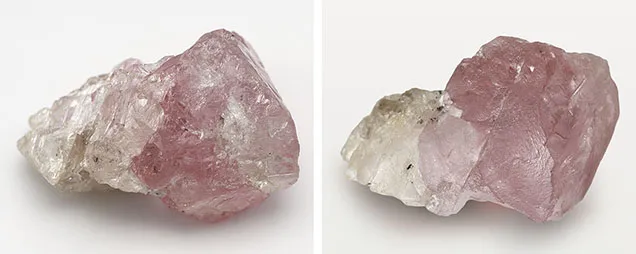
Rare Half-Pink 37.4-Carat Diamond

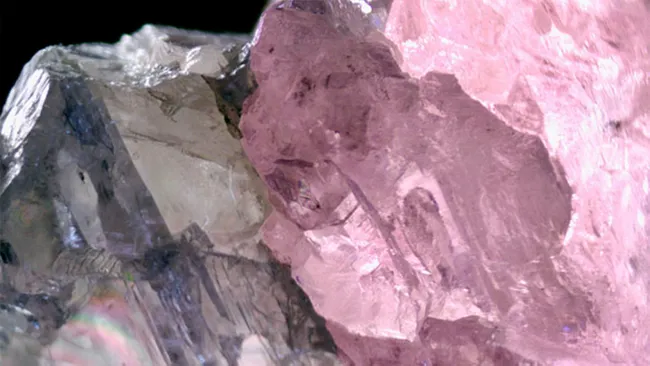
A remarkable two-coloured natural diamond has been discovered in Botswana, astonishing experts with its size and formation. The gem half pink and half colourless weighs an impressive 37.41 carats and measures approximately 24.3 x 16 x 14.5 millimetres, according to the Gemological Institute of America (GIA).

The GIA describes the stone as having formed in two distinct geological stages. Sally Eaton-Magaña, Senior Manager of Diamond Identification at the GIA, explained that the pink section likely began as colourless before undergoing plastic deformation possibly caused by a mountain-forming event millions of years ago. This natural deformation altered the crystal lattice, giving rise to the diamond’s vivid pink hue. The colourless section, in contrast, appears to have formed later under more stable conditions.

half pink and half colourless weighs an impressive 37.41 carats

Pink diamonds are among the rarest gems on Earth, prized for their beauty and scientific intrigue. Unlike coloured diamonds that owe their hue to trace elements or radiation exposure, pink diamonds result from structural distortions within the crystal lattice. This phenomenon must occur under highly specific pressure and temperature conditions too little deformation and the diamond remains colourless; too much and it turns brown.

“It’s a geological balancing act like Goldilocks,” noted Curtin University geologist Luc Doucet, referencing the fine threshold that determines a diamond’s colour outcome.

What makes this new discovery even more extraordinary is its size. While other bi-coloured diamonds have been documented, they are typically no larger than 2 carats. The 37.4-carat specimen from Botswana represents a significant leap in both scale and scientific importance.

The diamond was unearthed at Lucara Diamond Corporation’s Karowe mine, one of the world’s most productive sources of exceptional diamonds. The Karowe mine has previously yielded some of the most celebrated finds in modern history, including the 2,488-carat “Motswedi” diamond, the second-largest rough diamond ever recovered, and the 62-carat “Boitumelo” pink diamond.

This latest discovery further cements Botswana’s position at the forefront of the global diamond industry and provides scientists with another remarkable glimpse into the complex natural processes that create the Earth’s most coveted gemstones.

Source: DCLA

De Beers London launches Vibrations

  De Beers London presents Vibrations: a High Jewellery universe inspired by the quiet yet enduring power of inland water. The collection ce...