Showing posts with label fancy vivid pink. Show all posts

Wednesday, 16 September 2026

The Extraordinary Rarity of Pink Diamonds: Christie’s Sets a $12 Million Estimate

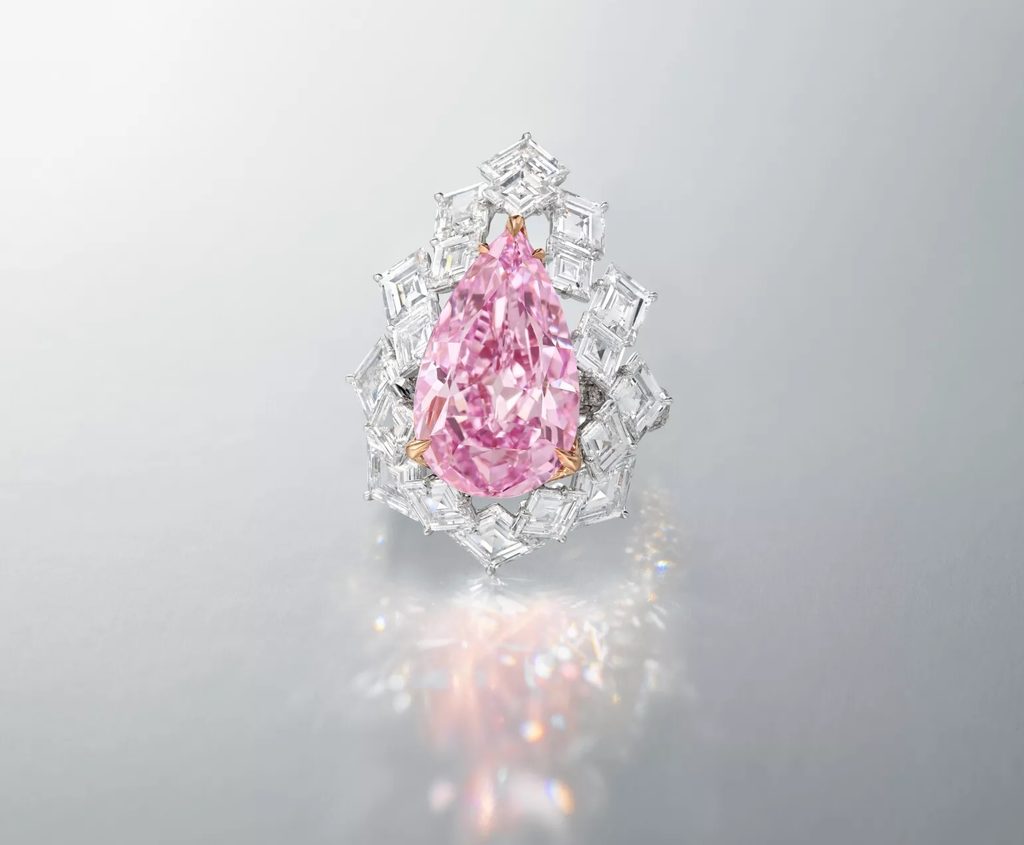
 8.41-carat pear modified brilliant-cut Fancy Vivid Purple-Pink diamond

Few gemstones command the combination of fascination, rarity and value associated with a natural pink diamond.

Unlike many coloured gemstones, the extraordinary pink colour of a natural diamond is not simply the result of a trace element creating a familiar colour. The science behind natural pink diamonds is considerably more complex. Their colour is generally associated with structural distortion within the diamond’s crystal lattice, created deep within the Earth over immense periods of geological time.

It is this extraordinary combination of natural rarity, geological history and optical beauty that has placed the finest pink diamonds among the world’s most coveted gemstones.

Now, Christie’s is preparing to offer another remarkable example.

At its Hong Kong Magnificent Jewels Autumn Auction on November 24, Christie’s will present an 8.41-carat pear modified brilliant-cut Fancy Vivid Purple-Pink diamond, with an estimate reaching HKD 95 million, approximately US$12 million.

The stone is also classified as Type IIa, adding another notable dimension to its gemmological profile.

When colour becomes the rarity

In the world of diamonds, carat weight is only one part of the story.

For exceptional coloured diamonds, hue, tone, saturation and distribution of colour can be every bit as important as size. A diamond may be large, yet its colour characteristics can determine whether it becomes merely unusual or genuinely extraordinary.

The Christie’s diamond combines several characteristics rarely encountered together: significant size, a strong purple-pink colour, Fancy Vivid intensity and Type IIa classification.

The result is a gemstone occupying an exceptionally rare position within the natural diamond market.

The distinction between a pink diamond and an exceptional pink diamond can be subtle to the untrained eye. Under professional examination, however, the precise characteristics of colour become a sophisticated subject of gemmological analysis.

The science behind natural pink

The colour of most natural diamonds is associated with impurities within the crystal structure. Nitrogen, for example, plays a major role in many yellow diamonds.

Pink diamonds are different.

Their colour is generally linked to deformation of the diamond’s atomic lattice, rather than simply the presence of a colouring impurity. Scientists believe that immense geological forces can distort the crystal structure during the diamond’s formation and subsequent journey toward the Earth’s surface.

This distortion affects the way light interacts with the diamond, producing the extraordinary pink appearance for which these stones are renowned.

The exact relationship between crystal deformation and the resulting colour remains an area of sophisticated scientific study, making pink diamonds particularly fascinating from both a gemmological and geological perspective.

Type IIa: exceptional chemical purity

The Christie’s diamond is classified as Type IIa, a designation that describes the diamond’s chemical composition.

Type IIa diamonds contain extremely low levels of detectable nitrogen and are regarded as among the chemically purest diamonds.

This classification should not, however, be confused with a quality grade.

Type IIa is a scientific classification, not a statement that a diamond is automatically more valuable. A diamond’s desirability and market value depend on the complete combination of its characteristics.

In this case, Type IIa adds another intriguing scientific feature to an already exceptional natural coloured diamond.

Why the strongest pinks are so difficult to find

The rarity of exceptional natural pink diamonds has been reinforced by the limited availability of significant sources of these stones.

For decades, Australia’s Argyle mine in Western Australia was internationally recognised as the world’s most important source of natural pink diamonds. The mine produced an extraordinary range of pink, red and purplish diamonds, but ceased production in 2020.

Its closure fundamentally changed the landscape for the supply of important natural pink diamonds.

While pink diamonds can occur in other deposits around the world, stones possessing the combination of strong colour, exceptional saturation, significant size and desirable clarity remain exceptionally uncommon.

This scarcity has helped establish the finest natural pink diamonds as important collector gemstones rather than simply luxury jewellery.

The auction market for exceptional colour

Major jewellery auctions provide a fascinating window into the upper end of the natural coloured diamond market.

When a rare stone comes to auction, collectors are not simply buying carat weight. They are competing for a combination of characteristics that may never be replicated.

The provenance of a jewel, its laboratory documentation, its natural colour, treatment status, cutting quality and historical significance can all contribute to its desirability.

For a gemstone of this calibre, laboratory examination is therefore fundamental.

A second extraordinary jewel

Christie’s Hong Kong sale will feature another remarkable gemstone in the form of a 10.10-carat Burmese ruby, set within a Cartier brooch incorporating triangular and square diamonds.

The jewel carries a high estimate of approximately HKD 60 million, or US$7.7 million.

The ruby is particularly significant for its Burmese origin and substantial size, while the Cartier design connects the jewel with the maison’s pioneering use of platinum during the early 20th century.

Exceptional Burmese rubies are among the world’s most celebrated coloured gemstones, particularly when they display desirable colour, transparency and other characteristics associated with fine-quality material.

The importance of knowing what lies beneath the beauty

At the highest levels of the jewellery market, beauty and science increasingly go hand in hand.

A spectacular diamond may capture the eye, but professional gemmology seeks to establish what the stone actually is, how its characteristics were formed and whether those characteristics are natural or treatment-related.

For coloured diamonds, this distinction can be particularly important.

Independent laboratory examination can investigate characteristics such as natural versus laboratory-grown origin, colour treatment, diamond type and other identifying features. For important stones, such documentation provides an objective scientific foundation for the jewel’s description.

At DCLA, the Diamond Certification Laboratory of Australia, gemmological examination is centred on independent scientific assessment and reporting in accordance with recognised international standards.

A jewel measured in rarity, not simply carats

The Christie’s 8.41-carat Fancy Vivid Purple-Pink diamond illustrates why exceptional gemstones occupy a category of their own.

Its significance lies not simply in its weight.

It is the combination of natural colour, vivid intensity, purple-pink hue, substantial size, Type IIa classification and exceptional geological rarity that makes the stone so compelling.

As it takes its place under the hammer in Hong Kong, collectors will once again be reminded of one of the enduring truths of the diamond world:

The rarest diamonds are not necessarily the largest. They are the diamonds in which nature has created something extraordinarily difficult to reproduce.

And in the case of a truly exceptional natural pink diamond, that rarity began billions of years before it ever became a jewel.

Tuesday, 15 September 2026

Rare Orangey Pink Diamond to Take Centre Stage at Christie’s Geneva Auction

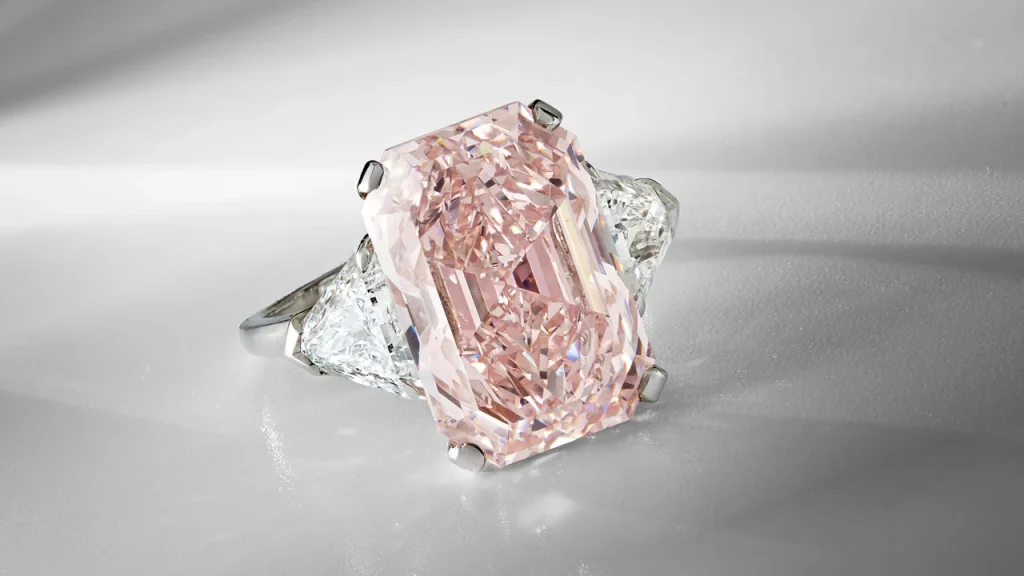
 14.63 carat fancy orangey pink natural diamond

A remarkable 14.63 carat fancy orangey pink natural diamond is set to be one of the highlights of Christie’s upcoming Geneva jewellery auction, with the David Morris ring carrying an upper estimate of approximately US$2.6 million.

The exceptional stone will be offered as part of Christie’s Exceptional Jewels & Objects of Elegance: A Connoisseur’s Collection, taking place in Geneva on November 10, with an accompanying online auction running from November 5 to 17.

The private collection comprises almost 300 lots and includes important jewellery from internationally recognised maisons including Van Cleef & Arpels, Bulgari and Graff, alongside Art Deco vanity cases and finely crafted gold objects.

Why are natural pink diamonds pink?

Pink diamonds are among the most intriguing of all natural diamonds because, unlike many other coloured diamonds, their colour is not easily explained by the presence of a specific trace element.

The colour of a natural pink diamond is generally associated with changes in the diamond’s crystal structure that occurred deep within the Earth during its formation. Diamonds are made from carbon atoms arranged in an exceptionally precise crystal lattice. In some diamonds, geological forces cause distortions within that lattice.

These microscopic structural distortions affect the way light passes through the diamond, producing the remarkable pink colour that makes these stones so desirable.

When the colour moves towards orangey pink, the diamond displays a combination of pink and orange body colour. The precise appearance can vary considerably from one diamond to another, ranging from delicate pastel tones to highly saturated and vivid colours.

This is one reason every exceptional natural coloured diamond is effectively unique.

For more information about diamond structure, properties and the differences between natural and laboratory-grown diamonds, see DCLA’s guide to What Is a Diamond? Natural vs Laboratory-Grown – Structure, Science and Pricing.

Why are pink diamonds so rare?

Natural diamonds occur in many parts of the world, but diamonds with a strong and attractive natural pink colour are extraordinarily uncommon.

Diamonds are formed under immense pressure and temperature deep within the Earth’s mantle and can take billions of years to reach the surface through geological processes. Only a very small proportion develop the particular crystal characteristics responsible for a natural pink colour.

Importantly, pink diamonds are not confined to one location. Natural pink diamonds have been discovered in diamond-producing regions around the world. However, the supply of fine-quality pink diamonds is exceptionally limited.

The rarity becomes even greater when factors such as carat weight, colour intensity, clarity, cut and overall beauty are taken into account.

A large pink diamond with strong colour and good clarity is therefore extraordinarily difficult to find.

DCLA has explored the extraordinary rarity of large natural diamonds in its article Nature vs Technology: Why Large Natural Diamonds Are Exceptionally Rare, explaining why increasing diamond size results in dramatically greater natural scarcity.

Size changes everything

With coloured diamonds, rarity increases dramatically as size increases.

A small natural pink diamond may already be a scarce gemstone, but a large stone with an attractive, saturated colour can be in an entirely different category.

The 14.63 carat diamond being offered in Geneva is therefore significant not simply because it is pink, but because of its combination of natural colour, substantial size and orangey pink appearance.

At more than 14 carats, the stone belongs to a category where the number of comparable natural diamonds available to the market is extremely small.

This scarcity is one of the fundamental reasons exceptional pink diamonds can command prices far beyond those of similarly sized colourless diamonds.

Natural colour is the key

The distinction between a natural coloured diamond and a treated or laboratory-grown diamond is particularly important when discussing rare pink diamonds.

A natural pink diamond has acquired its colour through the geological processes that formed the stone over an immense period of time. The colour is part of the diamond’s natural characteristics.

Modern technology can produce laboratory-grown diamonds and can also alter the colour of diamonds through various treatments. These stones can be beautiful in their own right, but they are fundamentally different from a rare natural coloured diamond.

For an important natural coloured diamond, independent examination and documentation are therefore critical.

DCLA explains the importance of determining diamond origin in its article Natural or Laboratory-Grown? How Can You Tell What Diamond Is in Your Ring?, which explains why visual examination or a basic diamond tester cannot reliably establish whether a diamond is natural or laboratory-grown.

The challenge of grading coloured diamonds

Coloured diamonds are assessed differently from traditional colourless diamonds.

The colour itself is a major component of the stone’s rarity and desirability, with factors including hue, tone and saturation playing an important role.

Two diamonds of exactly the same carat weight can therefore have dramatically different values because their colours differ in strength, distribution and attractiveness.

For a buyer or collector, establishing whether the colour is natural, determining the characteristics of the diamond and confirming any treatments is essential.

At the Diamond Certification Laboratory of Australia (DCLA), diamonds undergo detailed examination using advanced laboratory technology. DCLA states that every diamond is screened for known treatments, tested to establish whether it is natural or man-made, and graded according to International Diamond Council (IDC) rules.

Learn more about the DCLA Diamond Grading and Certification Process.

Why independent certification matters

With an exceptionally rare coloured diamond, establishing exactly what the stone is becomes particularly important.

A DCLA diamond grading report provides a technical breakdown including carat weight, colour, clarity, measurements, stone type, treatments or enhancements, cut, symmetry, polish, transparency and fluorescence.

For rare natural coloured diamonds, documentation can therefore become an important part of the stone’s history and provenance.

DCLA’s Diamond Grading Report service provides independent documentation of the diamond’s characteristics.

Why exceptional pink diamonds command exceptional prices

The market for the finest natural pink diamonds is ultimately driven by a simple combination:

Nature created very few of them, and the world’s supply cannot simply be increased.

A large, naturally coloured pink diamond with attractive colour, good clarity and excellent cutting represents the convergence of several rare characteristics.

This scarcity is particularly important in today’s diamond market. While laboratory-grown diamonds can be produced using controlled manufacturing processes, the supply of large, exceptional natural diamonds remains limited by geology.

DCLA’s research into the changing natural diamond market notes that large, rare and unusually coloured natural diamonds continue to command strong premiums because of their exceptional rarity and provenance.

The Christie’s Geneva offering demonstrates the continuing fascination with these extraordinary natural treasures. While the US$2.6 million upper estimate is substantial, the importance of the stone extends beyond its auction price.

It is a reminder that in the world of natural diamonds, rarity is not simply about size. It is about how many times nature was able to create the right combination of colour, structure, clarity, size and beauty.

And when that combination occurs naturally, there may be very few comparable diamonds anywhere in the world.

DCLA — Independent Diamond Expertise

For consumers, collectors, jewellers and insurers, independent examination can provide confidence that a diamond is accurately identified and documented.

Diamond Certification Laboratory of Australia (DCLA) is Australia’s internationally accredited diamond certification laboratory, providing independent grading and testing of natural and laboratory-grown diamonds in its Sydney laboratory.

DCLA — Where nature’s rarest diamonds meet independent science.

Friday, 28 August 2026

Fancy Colour Diamonds, From Hollywood Statement to the Ultimate Collectable

natural fancy colour diamonds


For generations, the traditional diamond engagement ring has been dominated by the classic colourless stone. But the world of exceptional diamonds is changing. Increasingly, collectors, celebrities and high jewellery connoisseurs are turning towards something far rarer and far more individual: natural fancy colour diamonds.

From vivid pinks and intense blues to extraordinary greens, yellows and the exceptionally rare reds, these diamonds are no longer simply an alternative to the traditional white diamond. They are becoming recognised as some of the most desirable and collectible gems in the world.

Jennifer Lopez Put Green Diamonds in the Spotlight

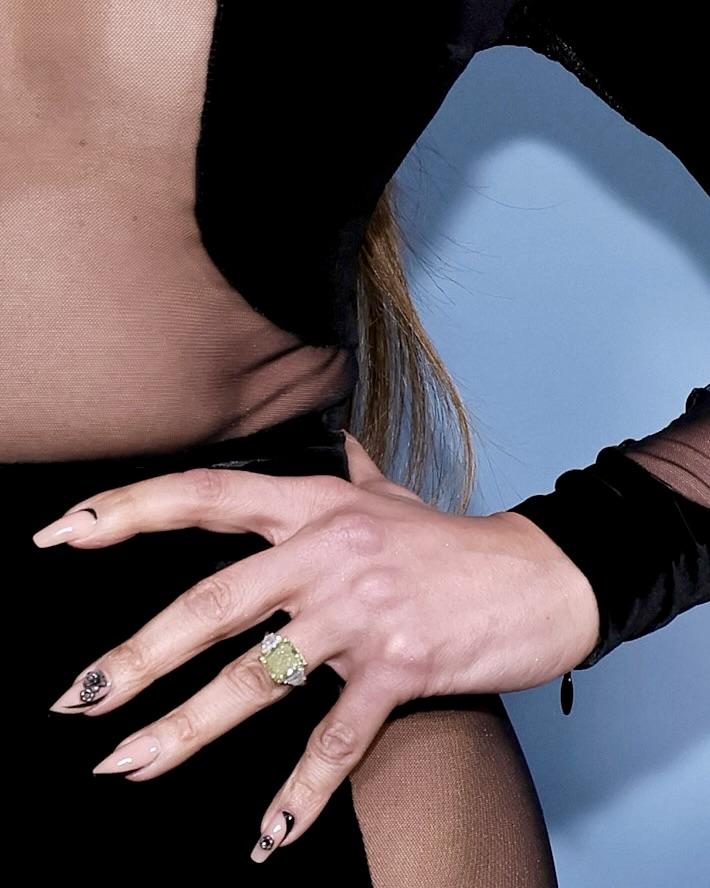
One of the most talked-about examples came in 2022, when Ben Affleck proposed to Jennifer Lopez with an extraordinary natural green diamond.

The choice was particularly appropriate for Lopez, who has long associated the colour green with good fortune and famously wore the iconic green Versace dress at the 2000 Grammy Awards.

But the ring represented more than a celebrity engagement.

It introduced millions of people to a diamond category that had traditionally been the domain of specialist collectors and serious diamond enthusiasts.

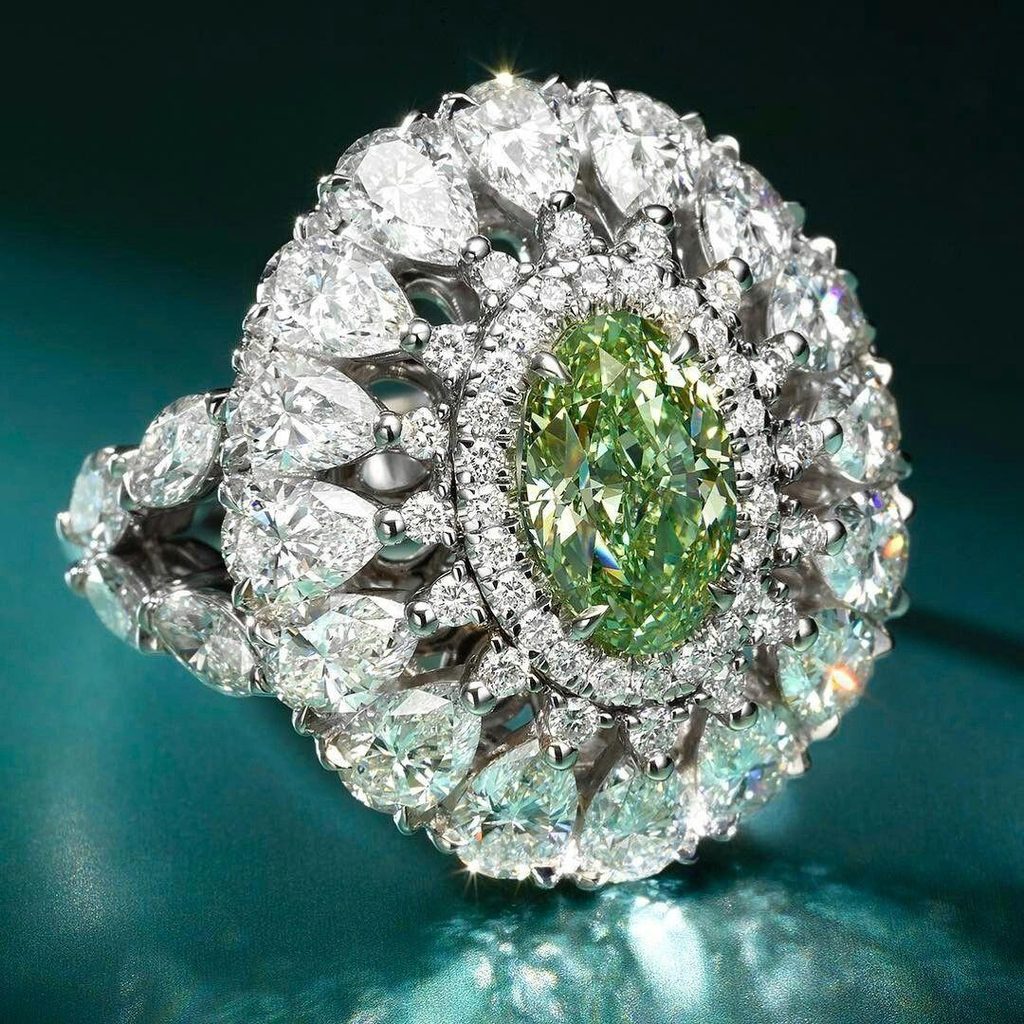
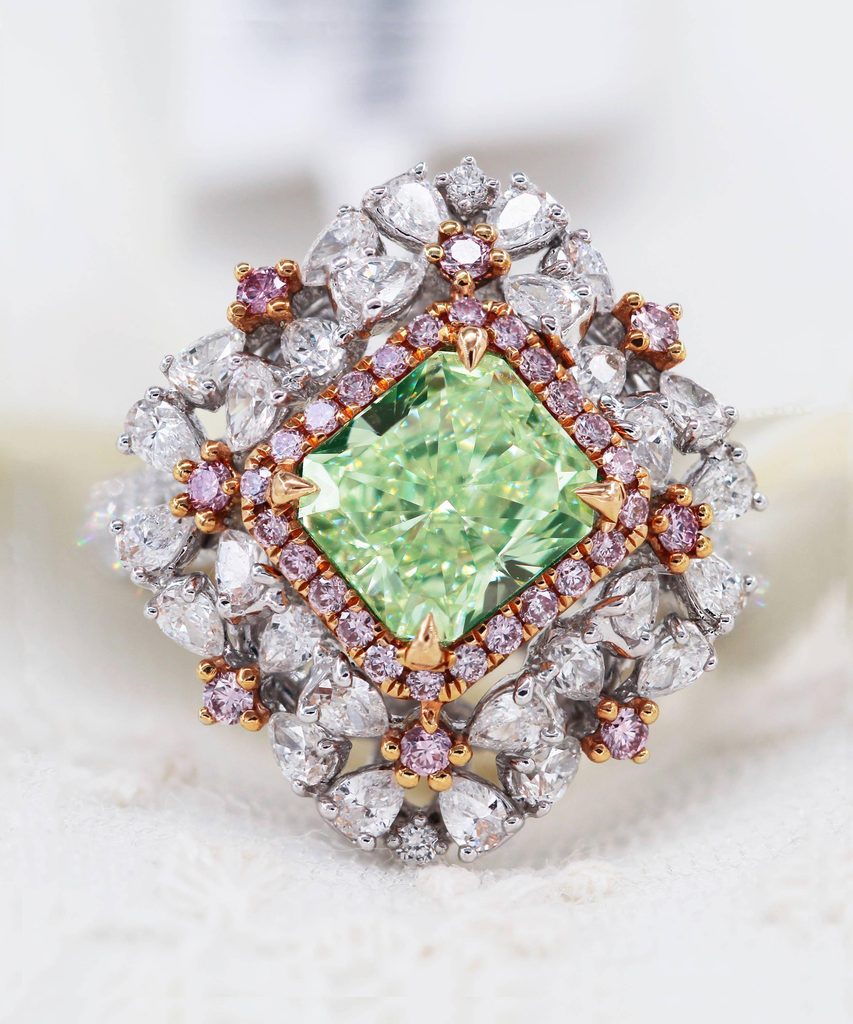
Green diamonds are exceptionally unusual. Unlike many other coloured diamonds, their colour is generally associated with natural radiation occurring over geological time. Importantly, green colour can be concentrated near the surface of the diamond, making the cutting and preservation of the stone particularly challenging.

The result is a diamond where colour, rarity, provenance and individuality can all become major components of its value.

According to GIA, natural fancy colour diamonds are among the rarest gemstones, with red, green, purple and orange among the rarest colours.

What Makes a Fancy Colour Diamond So Special?

With a conventional D-to-Z diamond, the absence of colour is generally desirable.

Fancy colour diamonds work differently.

Their value can increase with the strength, purity and quality of the colour. GIA’s grading system assesses factors including hue, tone and saturation, with descriptions such as Fancy, Fancy Intense, Fancy Vivid and Fancy Deep.

This creates a fascinating situation in the diamond market.

Two diamonds of exactly the same weight can have dramatically different values because their colours are different.

A small variation in hue or saturation can transform a beautiful diamond into an exceptional one.

And when the colour is extremely rare, the difference can be enormous.

The most coveted colours include:

Red – among the rarest of all natural diamond colours.

Pink – historically one of the most sought-after colours among collectors.

Blue – exceptionally rare, with its colour generally associated with boron.

Green – extraordinarily unusual and often associated with natural radiation.

Orange – rare and highly prized when the colour is strong and pure.

Yellow – more commonly encountered than green, blue or red, but spectacular vivid yellow diamonds can be exceptionally valuable.

GIA notes that saturated pinks, blues and greens are among the rarest and most valuable fancy colour diamonds.

Celebrities Are Changing the Conversation

Fancy colour diamonds have a long relationship with Hollywood and international celebrity culture.

The legendary Tiffany Yellow Diamond, weighing 128.54 carats, is one of the world’s most famous yellow diamonds. It has been associated with Audrey Hepburn, Lady Gaga and Beyoncé, helping demonstrate how a coloured diamond can become part of popular culture rather than simply a gemological curiosity.

Other celebrities including Beyoncé, Paris Hilton, Miley Cyrus, Angelina Jolie and Heidi Klum have also worn fancy colour diamonds on major occasions.

And the trend is very much alive today.

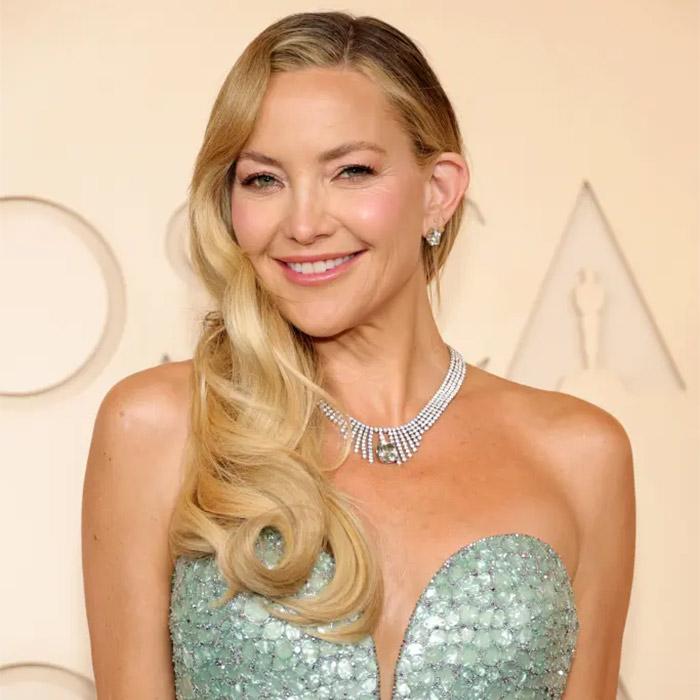
At the 2026 Oscars, Kate Hudson made headlines wearing more than 41 carats of rare green diamonds by Milan-based Garatti.

At the 2026 Oscars, Kate Hudson made headlines wearing more than 41 carats of rare green diamonds by Milan-based Garatti. Her spectacular jewellery included a 16-carat fancy green diamond necklace, a 15-carat Fancy Deep green diamond ring and matching green diamond earrings. The collection was reported at approximately US$35 million.

Lupita Nyong’o also brought green diamonds to the red carpet in 2026, wearing Garatti earrings incorporating Fancy Intense Green diamonds at The Odyssey world premiere in London.

At the 2026 Golden Globes, Kate Hudson again wore green diamonds, including a 5-carat pear-shaped Fancy green diamond and a 3.19-carat Fancy Deep green diamond combined with pink and white diamonds.

These appearances are important because they expose a much wider audience to a category of diamond that was once largely understood only by specialists.

The Rise of the Collector’s Diamond

Green Diamonds Require Specialist Knowledge

The greatest appeal of a natural fancy colour diamond is that it can be much more than jewellery.

It can become a collectable gemstone.

Unlike mass-market jewellery, exceptional natural colour diamonds are finite. There is no guarantee that another stone with exactly the same combination of colour, saturation, size, clarity, shape and provenance will ever appear.

That individuality is fundamental to their attraction.

A collector may therefore look at a fancy colour diamond in much the same way an art collector looks at a unique painting.

The question isn’t simply:

“How much does it cost?”

It becomes:

“How rare is it, how exceptional is it, and will another one like it ever come onto the market?”

Green Diamonds Require Specialist Knowledge

Green diamonds are particularly fascinating because their colour formation and appearance can be complex.

GIA explains that the green colour in many natural green diamonds is concentrated near the surface of the stone, which means cutters often attempt to preserve natural rough material around the girdle.

This makes identification and grading particularly important.

A purchaser should never rely simply on the description “green diamond”.

The exact grading terminology matters.

Natural or laboratory-grown?

What is the origin of the colour?

What is the strength and distribution of the colour?

What laboratory has graded the stone?

What does the certificate actually say?

For a significant fancy colour diamond, independent laboratory documentation is essential.

Fancy Colour Diamonds Are Not Just a Fashion

What Makes a Fancy Colour Diamond So Special

Celebrity attention can create trends, but the fascination with fancy colour diamonds goes much deeper.

Their rarity is geological.

Their beauty is natural.

Their individuality is impossible to reproduce precisely.

And the finest examples can occupy a completely different level of the diamond market from ordinary jewellery diamonds.

This is why the current interest in green diamonds should not simply be dismissed as another celebrity fashion.

Jennifer Lopez may have helped introduce green diamonds to a global audience, but the stones themselves have been extraordinary for millions of years.

Today, collectors are beginning to appreciate what specialist diamond dealers and gemmologists have known for decades:

the world’s rarest diamonds are not necessarily the whitest.

Sometimes, the colour is the most valuable thing of all.

DCLA: Knowledge Matters

For anyone considering the purchase of a significant fancy colour diamond, independent expertise is critical.

At the Diamond Certification Laboratory of Australia (DCLA), the assessment of a diamond goes beyond simply looking at whether a stone appears attractive.

Fancy colour diamonds require specialist knowledge and careful assessment because subtle differences in colour can have a substantial effect on rarity, classification and value.

A beautiful coloured diamond is an exciting purchase.

An authenticated, professionally graded natural fancy colour diamond can be something much more significant: a rare gemstone with the potential to become a family heirloom and a serious collector’s asset.

DCLA — where diamond knowledge, science and independent assessment come together.

Sources

Fancy Color Diamond Quality Factors

The Magic of Colored Diamonds

Colored Diamonds Buyer’s Guide

Tiffany Yellow Diamond history

Natural Diamonds — Oscars 2026

Natural Diamonds — The Odyssey 2026

People — Kate Hudson’s 2026 Oscars green diamond jewellery

Thursday, 25 June 2026

Why Fancy Colour Diamonds Are Becoming the New Frontier of Natural Diamond Luxury


The Rarity Behind Fancy Colour Diamonds

For decades, the diamond industry has been built around the traditional colourless diamond market, where stones are graded, traded and priced against established benchmarks such as the Rapaport Price List. However, a growing number of dealers and retailers are turning their attention to a segment of the market where rarity, beauty and individuality matter more than a standard price formula: natural fancy colour diamonds.

In 2016, diamond dealer and former banker Chopra received advice that would shape her future direction. A mentor encouraged her to look beyond the diamonds that could be easily compared on a price list.

“Don’t focus on the diamonds that are on the list. Focus on the diamonds you can’t find on a list. That’s where the magic happens.”

That philosophy became the foundation of Khepri Jewels, a company founded in 2023 specialising in natural fancy colour diamonds in unique shapes and exceptional qualities.

Unlike colourless diamonds, where value is largely determined by the traditional 4Cs of colour, clarity, cut and carat weight, fancy colour diamonds are valued through a combination of rarity, intensity of colour, origin, size, and market demand. Each stone is unique, and many cannot be directly compared with another diamond.

This rarity is what makes fancy colour diamonds some of the most desirable gems in the world.

The Rarity Behind Fancy Colour Diamonds

Natural diamonds receive their colours through extraordinary geological events that occur deep within the Earth over billions of years. Trace elements and structural changes within the diamond crystal create colours ranging from subtle champagne and cognac shades to highly prized pinks, blues, greens and reds.

Only a tiny percentage of all diamonds mined display natural colour strong enough to be classified as fancy colour diamonds. Among these, the most intense and vivid colours are exceptionally rare.

For example:

Pink Diamonds
Natural pink diamonds are among the rarest gemstones on Earth. Their colour is not caused by trace elements but is believed to come from changes in the diamond’s crystal structure. The closure of the historic Argyle Diamond Mine in 2020 removed the world’s largest source of rare pink diamonds, increasing their scarcity.

Exceptional examples include the Pink Star diamond, one of the most famous diamonds ever sold, and the Williamson Pink Diamond, gifted to Queen Elizabeth II.

Blue Diamonds
Blue diamonds are extraordinarily rare and derive their colour from the presence of boron within the diamond crystal. Famous examples include the Hope Diamond, one of the most recognised gemstones in history, and the Oppenheimer Blue, which achieved one of the highest prices ever recorded for a diamond at auction.

Red Diamonds
Red diamonds are considered the rarest of all fancy colours. True red diamonds are incredibly scarce, with only a handful of significant examples known worldwide. The famous Moussaieff Red Diamond is regarded as one of the finest examples.

Green Diamonds
Natural green diamonds are created through exposure to natural radiation over millions of years. Their rarity and unusual colour make them highly collectible, with the Dresden Green Diamond being one of the most famous green diamonds in existence.

Why Retailers Are Looking Beyond Traditional Diamonds

The rise of laboratory grown diamonds has created increasing competition in the traditional colourless diamond market. Many retailers are finding it more challenging to explain the difference in value between a natural white diamond and a lab grown diamond to consumers who are primarily focused on price.

Fancy colour diamonds offer a different proposition.

They are not simply a diamond purchase. They are rare natural treasures with geological stories that cannot be replicated. Their value is linked to scarcity, collectability and emotional connection.

At luxury jewellery events, dealers specialising in fancy colour diamonds are seeing increased interest from retailers looking for something distinctive, something that cannot be easily compared online or reproduced in a laboratory.

The future of natural diamond luxury may increasingly move away from mass comparison and towards individuality, rarity and provenance.

As Chopra’s mentor recognised years ago, the greatest opportunities often exist in the diamonds that cannot be placed on a simple price list.

The diamonds without a formula may ultimately become the diamonds with the greatest story.

Source: DCLA

De Beers London launches Vibrations

  De Beers London presents Vibrations: a High Jewellery universe inspired by the quiet yet enduring power of inland water. The collection ce...