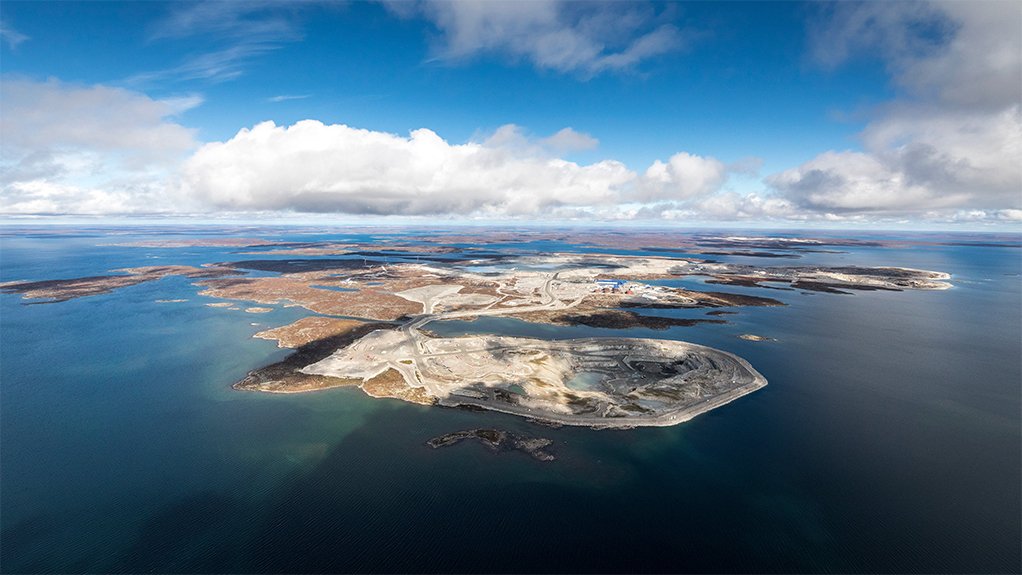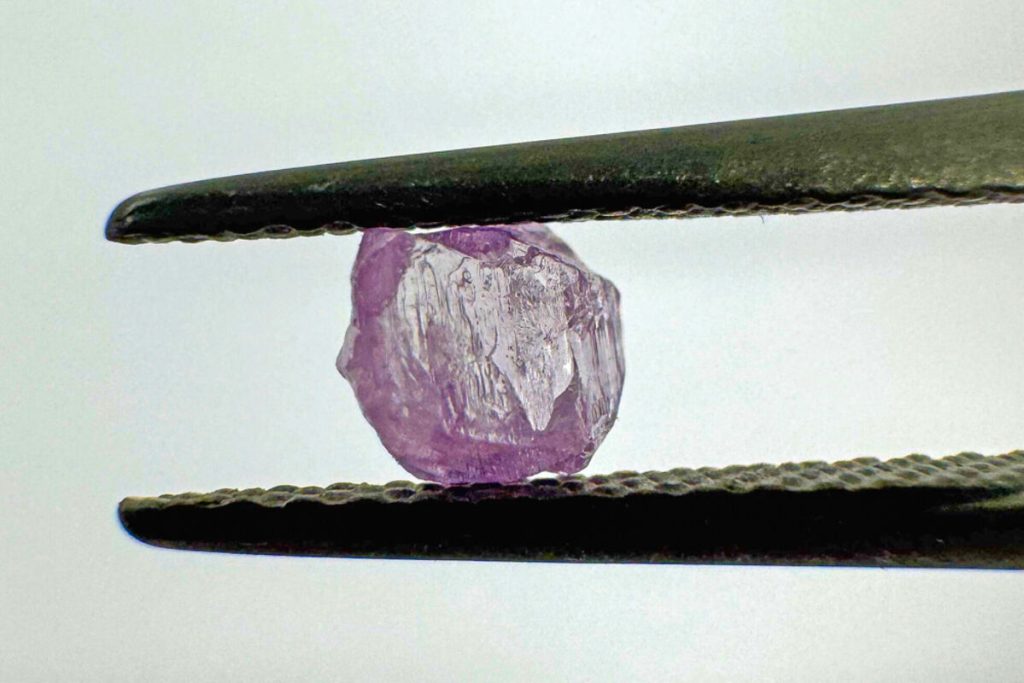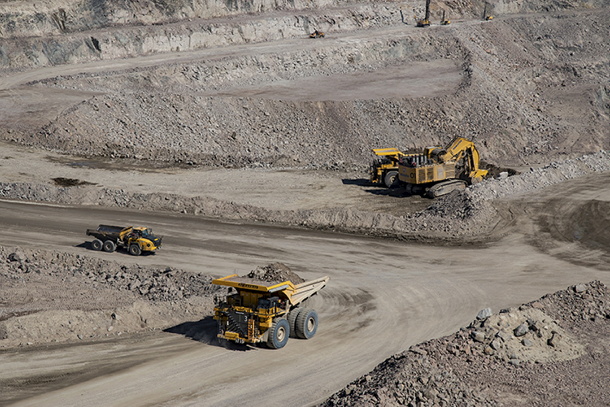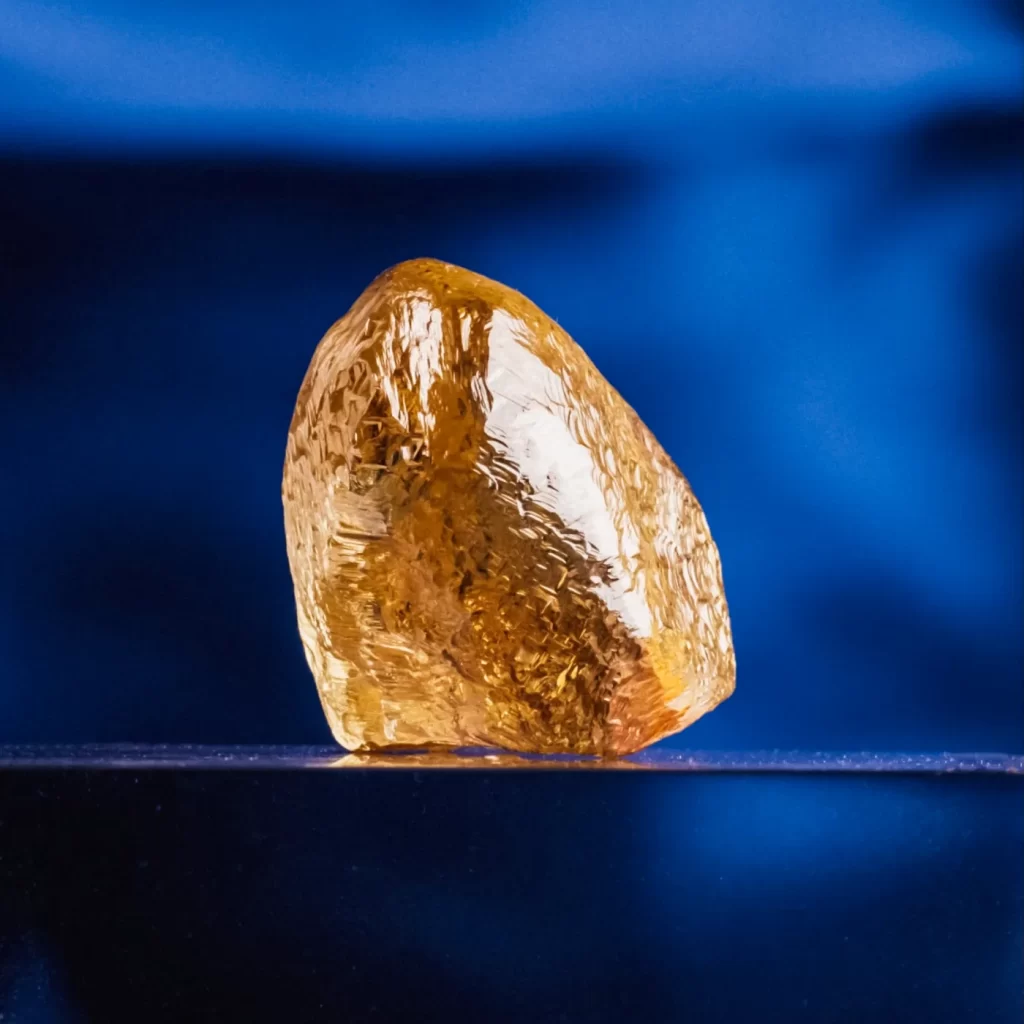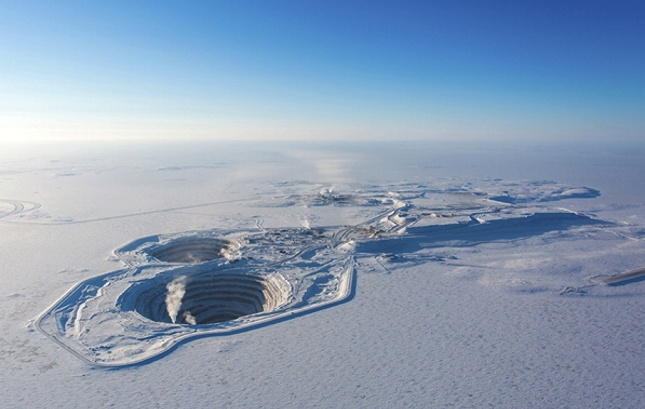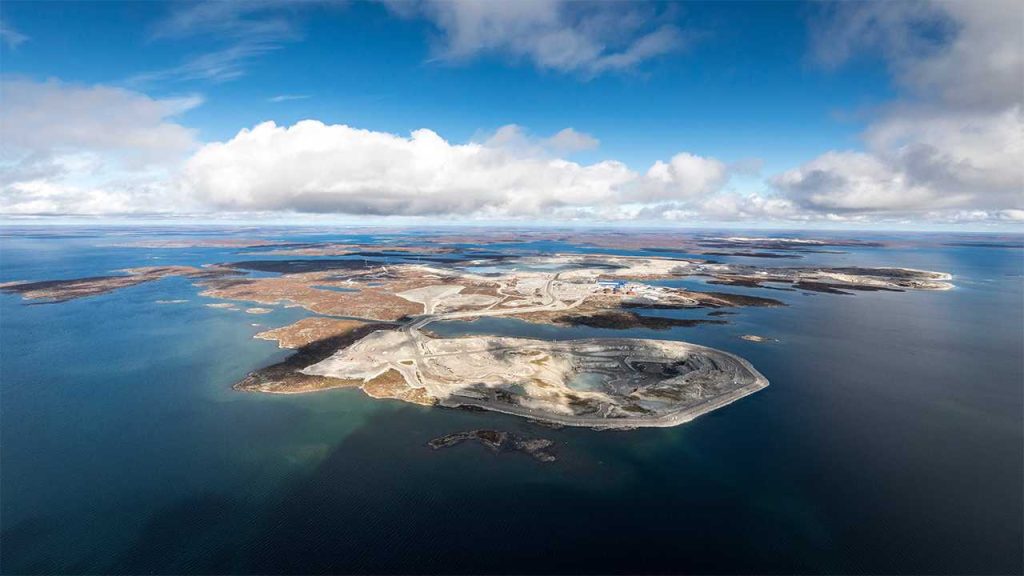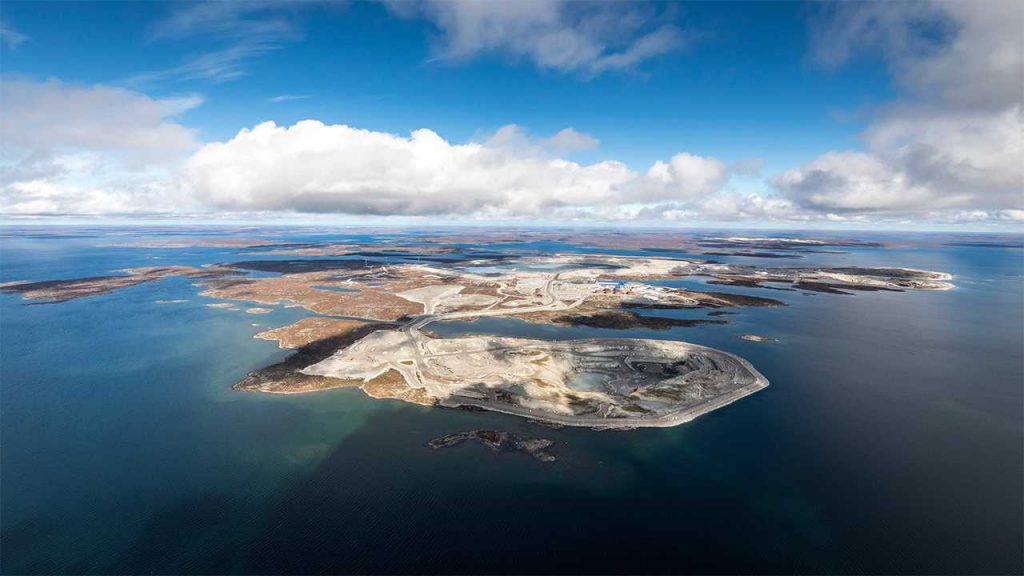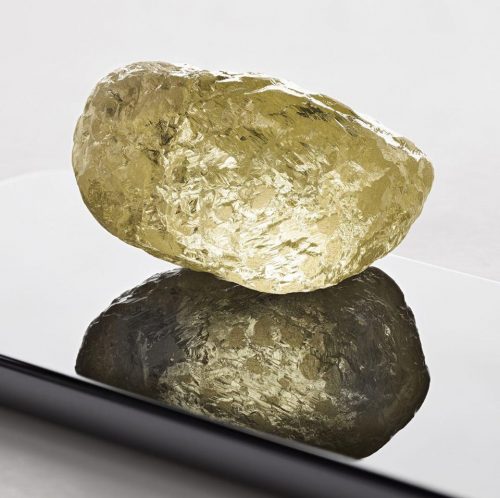
Earlier this month, the Diavik Diamond Mine officially ceased operations, drawing to a close a remarkable 23-year chapter in Canada’s diamond history. Over its lifespan, the mine produced approximately 150 million carats, earning a reputation for consistent output and high-quality stones. Now, attention turns to a symbolic question: what will become of the final diamond recovered from this iconic deposit?
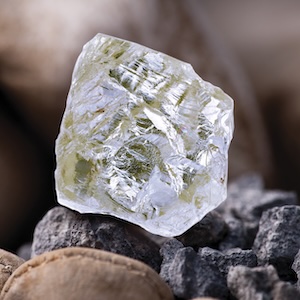
As processing of the last ore continues, the ultimate stone has yet to be identified. According to Matt Breen, it may take several weeks to fully clear the system and assess the final production. Diavik was particularly known for its 3 to 4 carat octahedral diamonds, and there is cautious optimism that the last parcel may still yield notable stones.
Any exceptional diamonds recovered during this final phase are likely to be preserved due to their historical significance. Potential outcomes include placement in a regional museum or retention by Rio Tinto as part of its corporate heritage collection.
A Mine at the End of Its Natural Life
While broader softness in the diamond market has led some to speculate on the timing of the closure, Breen emphasised that Diavik has simply reached the end of its economic life. Operating in Canada’s remote north presents unique challenges, including extreme weather, seasonal access via ice roads, and substantial energy requirements. Maintaining profitability required sustained production levels of 300,000 to 350,000 carats per month thresholds no longer achievable at the site.
Despite this, the closure does not necessarily signal the end of diamond development in the region. Infrastructure remains the key constraint. Future viability will depend heavily on reduced logistical costs, particularly through potential government-backed initiatives such as the Arctic Economic & Security Corridor, which could unlock access to known but undeveloped deposits.
The Human Legacy of Diavik
Beyond production figures, Diavik’s legacy is fundamentally a human story. From its discovery by Eira Thomas and her father Grenville Thomas, to the thousands of workers who operated under some of the harshest conditions in the mining world, the project stands as a testament to resilience and ingenuity.
Breen reflected on the unique culture forged at the mine, where extreme conditions were part of daily life. In one instance, during a rescue operation in temperatures nearing minus 30 degrees Celsius, a worker remarked: “For you, it’s cold, dark, and windy. For us, it’s Thursday.” The comment encapsulates the spirit that defined Diavik’s workforce.
Importantly, the mine also leaves behind a strong economic and social contribution to Northern communities. Of the approximately CAD 11 billion spent over its lifetime, CAD 8 billion was directed to Northern businesses, with around half benefiting Indigenous enterprises.
Closure and Beyond
The formal closure process for Diavik is expected to take approximately four years, involving site rehabilitation and environmental management. As the final diamond emerges from the last ore processed, it will serve not only as a geological artefact but as a symbol of one of Canada’s most significant modern mining achievements.
In the end, the true legacy of Diavik may not rest in a single stone, but in the enduring impact it has had on the industry, the region, and the people who brought it to life.
Source: DCLA