Thursday, 23 April 2026

The Argyle Phoenix Sets Historic Benchmark as Antwerp Trade Rebounds


The Argyle Phoenix Redefines Rarity at Auction

The Argyle Phoenix Redefines Rarity at Auction

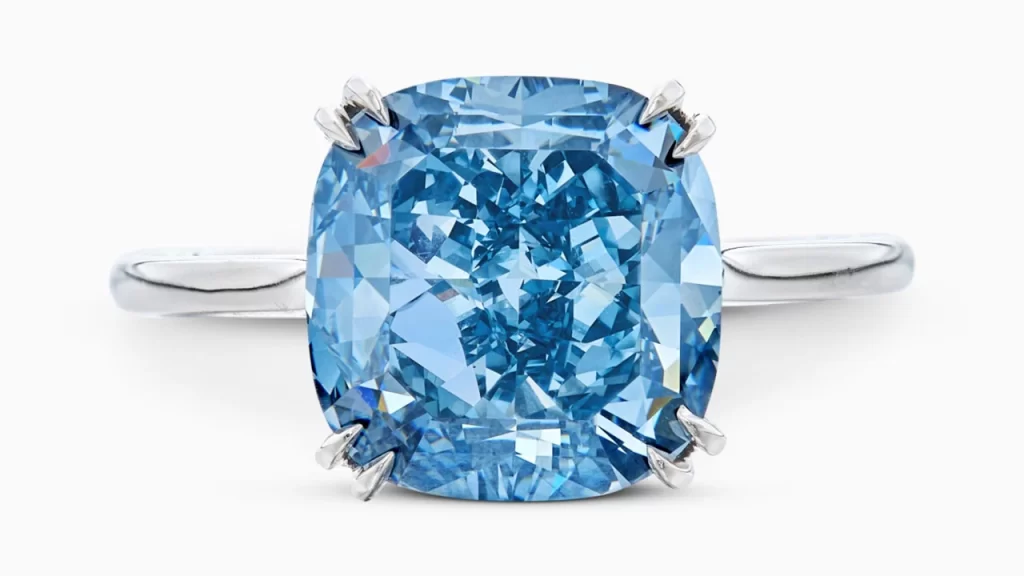
At the 2024 Phillips Geneva Auction, the extraordinary Argyle Phoenix Diamond achieved a landmark result, selling to renowned diamantaire Laurence Graff for CHF 3.8 million (approximately USD 4.2 million). This equates to an exceptional USD 2.7 million per carat more than double its pre-sale estimate.

The result established two significant auction records simultaneously: the highest price ever achieved for a fancy red diamond and the highest price per carat for any diamond of its kind at auction.

For Graff, whose career has been defined by acquiring the world’s most exceptional gemstones, the purchase is emblematic. Stones of this calibre particularly natural reds are not simply rare; they are effectively non-recurring assets in the global market.


The Rarest of the Rare: Natural Red Diamonds

To understand the significance of the Argyle Phoenix, one must place red diamonds within the broader hierarchy of gemstone rarity.

According to the Gemological Institute of America, fewer than 0.4% of all diamonds graded over the past two decades qualify as “fancy colour.” Within this already rare category, red diamonds stand alone at the pinnacle. Fewer than thirty true natural red diamonds are believed to exist worldwide not annually, but in total known supply.

Unlike other fancy colour diamonds, which derive their hues from trace elements, red diamonds owe their colour to a phenomenon known as crystal lattice distortion. Under extreme geological conditions, the atomic structure of the diamond is altered, affecting how light is absorbed and reflected. While similar processes produce pink diamonds, red diamonds represent the most intense and rare expression of this structural transformation.

The rarity is so profound that scientific study remains limited; nature produces these stones too infrequently for comprehensive analysis. As such, natural red diamonds remain among the least understood and most coveted gemological phenomena.


Antwerp Diamond Trade Shows Signs of Recovery

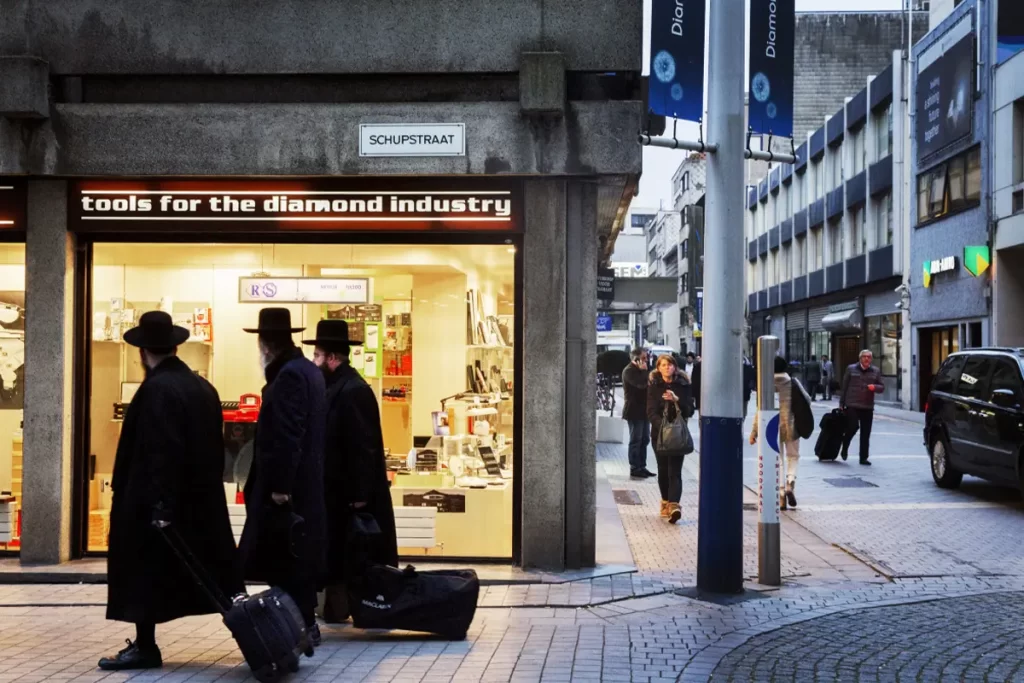
Meanwhile, the global diamond trade is demonstrating early signs of stabilisation, particularly in Antwerp, historically one of the world’s most important diamond centres.

Antwerp Diamond Trade Shows Signs of Recovery

Figures released by the Antwerp World Diamond Centre indicate that total diamond trading volume rose by nearly 20% in the first quarter of 2026 compared with the same period in 2025. This marks a continuation of the recovery that began cautiously in late 2025.

CEO Karen Rentmeesters attributes the improvement to a combination of structural reforms and shifting geopolitical dynamics. Measures such as streamlined visa processes for international traders and the formal recognition of diamond cutters and sorters as critical occupations have enhanced Antwerp’s competitiveness.

Additionally, increased cooperation between Belgian and broader European institutions has reinforced the trading hub’s stability and appeal.


Geopolitical Shifts Reshape Trade Flows

Global geopolitical tensions are also influencing the movement of diamond trade activity. Ongoing instability in the Middle East has made alternative centres, such as Antwerp, more attractive to international diamantaires seeking operational certainty.

This shift is further supported by notable supply-side developments, including large-scale auctions such as those conducted by Congolese producer SACIM, which recently sold over 288,000 carats of rough diamonds in Antwerp.


Market Pressures Persist

Despite improving trade volumes, pricing remains under significant pressure. Rough diamond prices declined by approximately 27% in the first quarter of 2026 compared with the previous year.

This downturn is primarily driven by subdued demand for polished diamonds, compounded by the growing market share of synthetic alternatives and residual inventory build-up following the 2022 market peak.


DCLA Perspective

From a DCLA standpoint, the divergence within the diamond market is becoming increasingly clear. At the very top end, ultra-rare natural diamonds such as the Argyle Phoenix continue to command record-breaking prices, driven by extreme scarcity and collector demand.

Conversely, the broader commercial market faces structural challenges, including shifting consumer preferences and increased competition from lab-grown diamonds.

This bifurcation underscores a critical trend: rarity, provenance, and natural origin are becoming more important than ever in defining long-term value within the global diamond industry.

Source: DCLA

Wednesday, 22 April 2026

Mother’s Day Jewellery Demand Drives Record Consumer Spending


Mother’s Day Jewellery Demand

Jewellery is set to play a leading role in what is to be a record-breaking Mother’s Day for consumer spending in the United States, according to the latest survey released by the National Retail Federation (NRF).

Despite ongoing economic uncertainty, sentiment remains resilient. Consumers continue to prioritise meaningful gifting, with jewellery emerging as a key category driven by emotional value and lasting significance.

“Mother’s Day remains a priority for many Americans,” noted Mark Mathews, Chief Economist at the NRF. “Consumers are increasingly seeking unique, sentimental gifts that create enduring memories.”

Total spending for the holiday is projected to reach a record US$38 billion, surpassing last year’s US$34.1 billion and exceeding the previous high of US$35.7 billion set in 2023. Within this, jewellery alone is expected to account for US$7.5 billion, representing a 10% increase year-on-year and reinforcing its position as one of the most significant gifting categories.

On an individual level, consumers are forecast to spend an average of US$284, marking a continued upward trend in per-person expenditure.

Beyond jewellery, experiential gifting continues to gain traction, with special outings projected to generate US$6.4 billion in spending. Electronics are expected to reach US$4.4 billion, followed by flowers at US$3.2 billion and greeting cards at US$1.3 billion.

According to Phil Rist of Prosper Insights & Analytics, consumers are not only budgeting more but also diversifying their spending across multiple gift categories.

The survey further highlights that:

  • 54% of consumers plan to purchase gifts for their mother or stepmother
  • 22% will buy for a spouse
  • 13% intend to purchase gifts for daughters

Retail channels remain mixed, with 33% of shoppers favouring online and department stores, while 29% opt for specialty retailers a segment particularly relevant to the jewellery trade and 26% turning to discount outlets.

For the jewellery industry, the data underscores continued strength in consumer demand for pieces that combine emotional resonance with intrinsic value, reinforcing jewellery’s role as both a luxury purchase and a meaningful store of sentiment.


Swiss Watch Exports Ease as Key Markets Show Weakness

Swiss watch exports recorded a modest decline in March, reflecting softer demand across several key international markets, according to figures released by the Federation of the Swiss Watch Industry.

Total shipments fell 1% year-on-year to CHF 2.11 billion (US$2.71 billion), following a period of strong growth in February across major markets.

The United States, the largest export destination for Swiss watches, led the downturn with a 1.6% decline to CHF 398.9 million. More pronounced weakness was observed in Asia and Europe, with exports to Japan falling 13% and Germany declining 9%.

While some markets showed resilience exports to the United Kingdom rose 3.2%, and China posted a 4.2% increase these gains were insufficient to offset broader softness. France recorded a sharp 72% increase, although this was largely attributed to re-exports rather than underlying consumer demand.

The Middle East presented a mixed picture. Exports to the United Arab Emirates edged up 0.7%, indicating continued stability, while Saudi Arabia experienced a notable 17% contraction.

From a pricing perspective, the only segment to record growth was watches priced between CHF 200 and CHF 500, which rose 15%. All other categories declined:

  • Entry-level watches (below CHF 200): down 0.3%
  • Mid-range (CHF 500–CHF 3,000): down 3.7%
  • High-end (above CHF 3,000): down 0.5%

Despite the March slowdown, the first quarter as a whole remained positive, with exports increasing 1.4% to CHF 6.2 billion (US$7.95 billion).

The data suggests a market entering a phase of consolidation following periods of strong post-pandemic growth, with demand becoming increasingly uneven across regions and price segments.

Source: IDEX

Tuesday, 21 April 2026

Chanel’s $4 Million Diamond Chessboard: A Masterpiece of Haute Horlogerie and High Jewellery

 The 32-piece chess set is meticulously crafted from ceramic, gold, and an astonishing 9,000 diamonds.

In a breathtaking fusion of artistry, craftsmanship, and innovation, Chanel has redefined the traditional game of chess with a spectacular high jewellery creation valued at approximately $4 million.

Unveiled at Watches and Wonders Geneva, the extraordinary chess set forms the centrepiece of Chanel’s Coco Game collection a suite of 14 limited-edition timepieces conceived by Arnaud Chastaingt. Drawing inspiration from the codes and symbolism of games, the collection elevates horology into a realm of playful sophistication and technical brilliance.

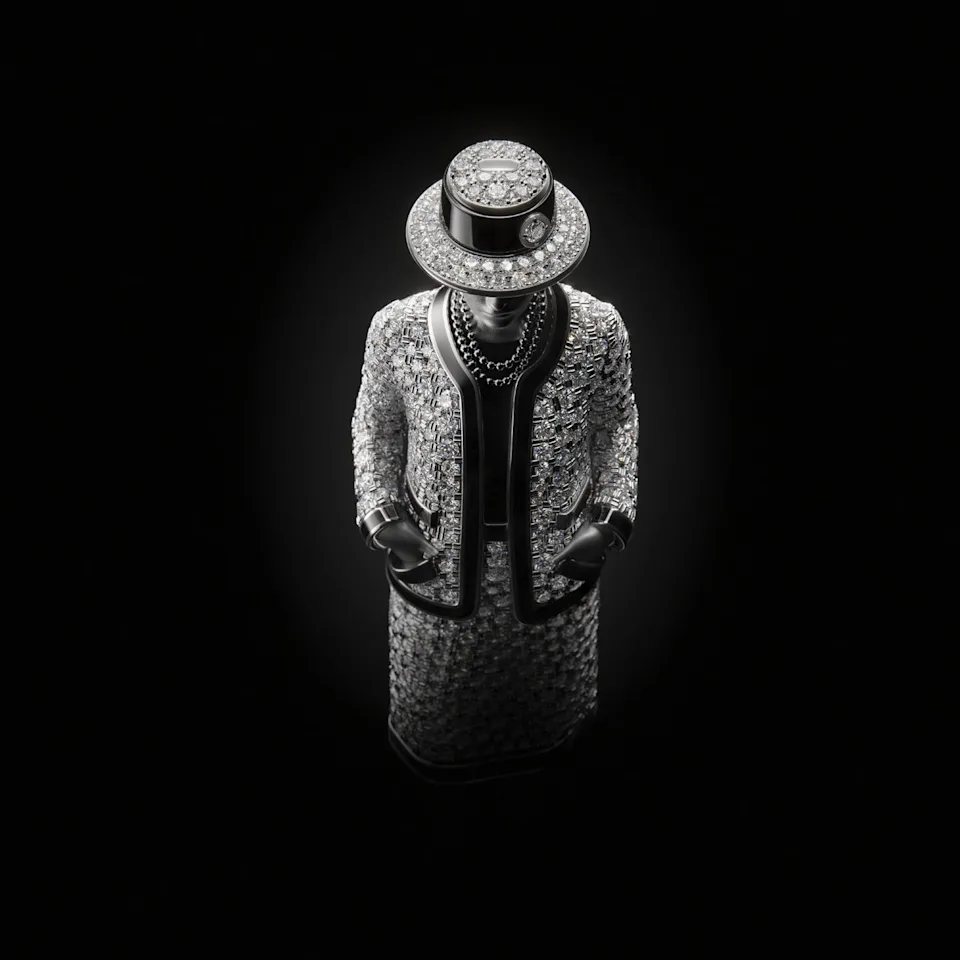
The 32-piece chess set is meticulously crafted from ceramic, gold, and an astonishing 9,000 diamonds. Each chess piece is a miniature work of art, representing iconic Chanel motifs such as the Vendôme Column, a mannequin bust, and the lion a symbol closely associated with Gabrielle Chanel. In a deeply personal touch, Coco Chanel herself is portrayed as both Queens, elegantly dressed in her signature tweed suit.

The Coco Chanel 32 piece chess set

Each figure is fashioned from 18-carat white gold and set with 193 brilliant-cut diamonds. Beyond their sculptural beauty, these pieces conceal a hidden complication a secret watch embedded within the base. Ingeniously designed, the timepiece can be removed and worn as a necklace, suspended from a white gold chain adorned with diamonds and onyx.

The chessboard itself is equally striking. Carved from black obsidian, it is framed by a scintillating border of 516 brilliant-cut diamonds, reinforcing the piece’s status as both a functional object and a collector’s masterpiece.

Elsewhere in the Coco Game collection, Chanel continues to explore the interplay between time and design. The Gabrielle Watch features a diamond-set depiction of Coco Chanel in her iconic white tweed suit, achieved through an intricate “tweed setting” technique. The Gabrielle Long Necklace transforms her silhouette into a refined pendant concealing yet another secret watch.

Additional highlights include the Première Coco Game cocktail ring, where a hidden dial is revealed by rotating a diamond, and the Première watch, whose bracelet is adorned with tiles spelling out the Chanel name a subtle nod to the maison’s enduring identity.

This remarkable collection is not merely about timekeeping; it is a celebration of heritage, creativity, and the enduring allure of diamonds where each piece tells a story as timeless as the brand itself.

Source: DCLA

Monday, 20 April 2026

ALROSA Shifts Strategy as Investment Diamond Sales Surge 40%

 With global diamond output declining and high-quality stones becoming increasingly scarce

Russia’s state-backed diamond giant, ALROSA, has reported a sharp rise in demand for investment-grade diamonds, with sales increasing by 40% over the past year highlighting a growing shift toward diamonds as a tangible store of wealth.
The surge has been driven by ALROSA’s strategic focus on polishing and distributing high-quality stones directly to private investors. These include colourless diamonds above 2 carats, ranging from D to F colour and IF to VS2 clarity, as well as rare fancy-coloured diamonds. Entry prices for these investment stones typically begin at around $20,000, placing them firmly in the high-net-worth category.
Rather than relying on traditional open tenders, ALROSA is increasingly channelling its premium stones through its Diamond Exclusive programme an initiative launched in 2019 to connect rare diamonds directly with wealthy clients via Russian banking partners. This approach provides the company with greater control over pricing and distribution, while offering investors a more streamlined acquisition process.
A key incentive behind this rising demand is the exemption from Russia’s 20% VAT on investment-grade diamond purchases. This tax advantage, combined with ongoing volatility in global financial markets, has positioned diamonds as an appealing alternative asset alongside gold and other physical stores of value.
The programme has gained significant traction since 2022, when G7 sanctions disrupted Russia’s access to traditional diamond trading channels. What began as a niche offering has since evolved into a meaningful revenue stream for the miner.
Speaking in Moscow on 16 April, Sergey Takhiev, ALROSA’s Head of Corporate Finance, confirmed the increase in investment diamond sales, although specific volumes were not disclosed.
Takhiev also pointed to tightening supply dynamics supporting long-term price growth. “Diamonds over 3 carats those most suitable for investment represent just 1–2% of global production,” he noted. “A shortage in this category is already becoming evident.”
With global diamond output declining and high-quality stones becoming increasingly scarce, ALROSA is positioning investment diamonds as a rare and finite asset class one that may see continued upward price pressure in the years ahead.

Souce: DCLA

Sunday, 19 April 2026

Angola’s Rough Diamond Production Climbs in 2025 as Market Pressures Persist

 Angola’s Rough Diamonds

Angola’s diamond sector delivered a stronger-than-expected performance in 2025, with rough-diamond production rising by 8% year-on-year despite mounting pressures across the global market.

Total output reached 15.2 million carats, exceeding both the initial forecast of 15.1 million carats and the revised estimate of 14.8 million carats. The figures were confirmed by Jânio Víctor, Secretary of State for Mineral Resources, following the official release by the Ministry of Mineral Resources, Petroleum and Gas.

Export performance was equally robust. Angola shipped more than 17 million carats of rough diamonds during the year, generating approximately $1.6 billion in revenue. This represents a significant 70% increase in volume, although value rose by a more modest 7%, highlighting the ongoing pressure on global diamond prices. The majority of exports were directed to the United Arab Emirates, which accounted for 79% of shipments, while Belgium received a further 20%.

While these results underscore Angola’s growing importance as a key supplier of natural diamonds, they come at a time when the broader diamond market is facing considerable headwinds. Prices remain under pressure due to a combination of factors, including subdued consumer demand in key markets such as the United States and China, elevated inventory levels across the midstream, and the continued rise of lab grown diamonds, which are reshaping pricing dynamics and consumer perception.

In addition, cautious buying patterns, tighter liquidity within the cutting and polishing sector, and ongoing macroeconomic uncertainty have all contributed to a more challenging trading environment for natural diamonds.

Despite these conditions, Angolan officials remain optimistic about the sector’s resilience. The government expects gradual stabilisation in 2026, supported by improved supply discipline and a shift towards more selective, demand-driven purchasing. However, external factors, including global economic conditions and the evolving competitive landscape between natural and synthetic diamonds, are expected to continue influencing market performance.

From a DCLA perspective, the divergence between rising production and softening prices reinforces the importance of quality, rarity, and precise grading standards. As supply expands in a subdued market, the premium attached to well-certified, high-quality natural diamonds is likely to become even more pronounced.

Source: DCLA

Thursday, 16 April 2026

Consumers Switching to Platinum as Gold Price Soars

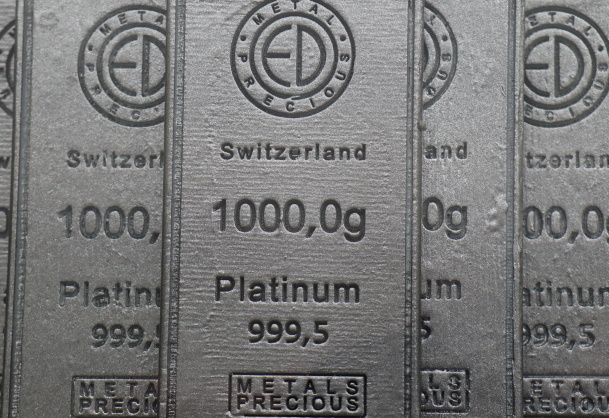
 bars of platinum, noble metals

Consumers are switching from gold to platinum as the price gap between the metals widens, according to a report published today (15 April) by the Platinum Guild International (PGI).

In the US, unit sales of platinum jewelry fell (-10% year-on-year), says its Q4 2025 Platinum Jewellery Business Review, but the value increased (+48% year-on-year).

The PGI does not provide hard figures on volumes or values, but says its strategic partners reported double-digit revenue growth during the quarter.

Platinum traditionally traded above gold, but the switch came in December 2008 during the global financial crisis.

Gold is now more than twice the price of platinum. Today’s spot prices show gold at approximately $4,825 per ounce and platinum at about $2,148 per ounce.

White gold remains less costly than platinum though, because it is generally used in an alloy with palladium or nickel.

“The momentum we observed across key regions in the fourth quarter validates platinum’s growing relevance in today’s jewellery market,” said Tim Schlick, CEO of PGI.

 “With gold prices remaining elevated, platinum continues to offer a premium yet accessible alternative that appeals to value-conscious consumers and luxury buyers alike.”

Retail sales of platinum jewelry grew 10% by value in India, and 7% by volume in China.

Source: DCLA

Wednesday, 15 April 2026

Hublot Unveils a Diamond Masterpiece: Big Bang Impact One Million


Hublot Diamond Masterpiece Big Bang Impact One Million

Renowned for its million-dollar horological statements, Hublot once again elevates the intersection of haute horlogerie and high jewellery with the unveiling of the Big Bang Impact One Million. This exceptional timepiece features an intricate composition of over 500 diamonds, totalling approximately 44.6 carats, arranged in a dramatic vortex that converges upon a central flying tourbillon a powerful visual metaphor for energy, precision, and mechanical mastery.

Celebrating the tenth anniversary of the brand’s pioneering Big Bang Impact setting, this latest creation underscores Hublot’s uncompromising commitment to innovation. The piece transforms traditional gem-setting into a bold, architectural expression, reinforcing the maison’s reputation for crafting some of the world’s most collectible, fully diamond-set watches.

At the heart of the design lies a meticulously engineered setting technique that alternates baguette and fancy-cut diamonds in radiating formations. By seamlessly integrating invisible and closed-set methods, the watch achieves a striking three-dimensional effect, amplifying both brilliance and depth. For only the second time in the brand’s history, the flying tourbillon is placed centre stage suspended, skeletonised, and supported from a single side, enhancing both its visual drama and technical complexity.

Encased in polished 18K white gold, the 45mm timepiece is powered by the hand-wound HUB9015 calibre, delivering an impressive 120-hour power reserve. Every diamond used is ethically sourced and fully traceable, reflecting the highest standards of responsible luxury.

The creation of the Big Bang Impact One Million demanded hundreds of hours of expert craftsmanship and extensive research to achieve the precise interplay of diamond cuts within such a complex structure. The result is a timepiece that not only exemplifies technical excellence but also embodies the philosophy of Hublot where the “Art of Fusion” transcends materials to become a defining expression of identity and innovation.

Source: DCLA

Tuesday, 14 April 2026

UAE Dominates Angola’s Diamond Exports as Production Surges in 2025


Angola’s Diamond Exports as Production Surges in 2025


Angola’s diamond sector delivered a strong production performance in 2025, with output rising 8% year-on-year to 15.19 million carats comfortably exceeding the government’s target of 14.8 million carats. The growth underscores Angola’s continued push to expand its position in the global diamond market.

A defining feature of the year was the overwhelming dominance of the United Arab Emirates as a destination for Angolan diamonds. The UAE accounted for 78.6% of total exports, reinforcing its role as a global trading hub for rough stones. Belgium followed as the second-largest market, taking 19.9%, with Antwerp maintaining its historical importance in diamond distribution.

Total exports surpassed 17 million carats, generating approximately $1.6 billion in gross value. According to Angola’s Secretary of State for Mineral Resources, Janio Correa Victor, the volume of diamonds marketed surged by around 70% compared to 2024, while overall value rose by a more modest 6.7%. This disparity highlights the ongoing pressure on diamond prices despite increased supply.

Angola continues to position itself as a resilient and increasingly credible supplier in the global diamond pipeline.


While Angola remains sub-Saharan Africa’s second-largest oil producer after Nigeria, its diamond industry has steadily expanded since the end of the Angolan Civil War in 2002. However, the sector is now navigating a more complex global landscape, marked by softening natural diamond prices and increasing competition from lab-grown alternatives.

Despite these headwinds, Angola continues to position itself as a resilient and increasingly credible supplier in the global diamond pipeline.

Strategically, Angola is also seeking to deepen its influence within the industry. The government is pursuing a 20%–30% stake in De Beers, the diamond unit of Anglo American, which is currently under consideration for sale. Such a move would signal a significant shift towards greater upstream and downstream control, aligning with a broader trend among resource-rich nations aiming to capture more value from their natural assets.

Source: DCLA

Monday, 13 April 2026

Diamond Prices Crash to Lowest Level This Century: Structural Reset Shakes Global Market


Diamond Prices Crash to Lowest Level This Century

The global diamond market is undergoing one of its most severe contractions in modern history, with prices falling to their lowest levels this century. What began as a cyclical downturn has now evolved into a structural correction, driven by shifting consumer behaviour, rising synthetic supply, and a recalibration of global luxury demand.

Industry participants are describing the current environment not simply as a “dip”, but as a full repricing of diamonds across multiple categories from small melee stones through to larger certified gems.


A Century Low in Real Terms

While diamond markets have experienced volatility before, the current decline is being widely characterised as unprecedented in scale when adjusted for inflation and long-term price baselines.

Polished diamond prices have fallen sharply across most categories, with mid-range stones seeing the steepest erosion. Even traditionally resilient segments such as one-carat GIA certified stones have not been immune.

Market dealers report that in many trading hubs, prices are now comparable to or below levels seen in the early phases of modern global diamond trading, effectively erasing years of price appreciation built during the 2000s and early 2010s.


Key Drivers Behind the Collapse

1. Expansion of Lab-Grown Diamonds

The most significant structural pressure continues to come from lab-grown diamonds. Once positioned as a niche alternative, synthetic stones now represent a mainstream supply channel in both retail and wholesale markets.

Retailers have rapidly expanded lab-grown offerings due to:

  • Lower procurement costs
  • Higher margins
  • Consumer acceptance in fashion jewellery segments
  • Faster inventory turnover

As a result, natural diamonds particularly in commercial grades are facing sustained downward price pressure.


2. Weakening Global Luxury Demand

Global luxury demand has softened amid persistent macroeconomic uncertainty. Inflationary pressures, higher interest rates, and reduced discretionary spending have all contributed to weaker jewellery sales across key markets, including the United States, China, and Europe.

Engagement-related jewellery demand, traditionally a cornerstone of diamond consumption, has also shifted. Younger consumers are increasingly price-sensitive and open to alternative gemstones or synthetic options.


3. Inventory Overhang Across the Supply Chain

One of the most critical factors in the current crash is excess inventory.

Cutters, polishers, wholesalers, and retailers are all holding elevated stock levels accumulated during previous supply cycles. As liquidity tightens, many are forced to sell at reduced margins or accept losses to maintain cash flow.

This cascading effect has accelerated downward price momentum across all tiers of the supply chain.


4. Strategic Output Adjustments from Producers

Major producers have responded with production cuts and supply discipline measures. However, these efforts have so far been insufficient to offset declining demand and secondary market liquidation.

Even with reduced output, global supply remains adequate relative to current demand levels, reinforcing downward price pressure.


Market Sentiment: A Shift in Perception

Perhaps the most important change is psychological rather than purely economic.

Diamonds have long been perceived as a store of value and a symbol of price stability. That perception is now being challenged.

Dealers report that buyers are increasingly reluctant to treat diamonds as appreciating assets, instead viewing them as discretionary luxury goods with fluctuating resale value.

This shift in sentiment is contributing to reduced speculative buying and lower wholesale demand.


Impact on the Industry

Retail Sector

Jewellery retailers are adapting by:

  • Increasing promotion of lab-grown alternatives
  • Reducing natural diamond inventory exposure
  • Offering deeper discounts on slow-moving stock

Wholesale Market

Trading activity has slowed significantly, with many wholesalers prioritising liquidity over margin preservation.

Bid-ask spreads have widened, reflecting uncertainty around true market clearing prices.

Mining Sector

Mining companies are under pressure to reassess long-term capital expenditure plans. Some have already delayed expansion projects or revised output forecasts.


Is This the Bottom?

While the market is clearly under severe stress, analysts remain divided on whether prices have reached a true floor.

Bullish perspectives argue that:

  • Supply cuts will eventually stabilise pricing
  • Natural diamonds will retain premium positioning
  • Emotional and cultural demand remains intact

Bearish perspectives counter that:

  • Lab-grown diamonds permanently reset price ceilings
  • Consumer preferences have structurally changed
  • Inventory overhang will take years to clear

What is increasingly clear is that the market is no longer operating under the assumptions of the previous decade.


A Repricing Era

The diamond industry appears to be entering a long-term repricing phase rather than a short-term correction. Value will likely become more tightly linked to rarity, certification quality, and provenance, while commercial-grade stones may remain under sustained pressure.

For investors, traders, and retailers alike, the current environment demands caution, discipline, and a reassessment of traditional valuation models.

The era of predictable diamond price appreciation has, at least for now, come to an end.

Source: DCLA

Diamond Debut for De Beers and Sotheby's Collaboration

 The flawless D-color unmounted Jwaneng 28.88 - cut from a 114.83-carat rough recovered at Botswana's Jwaneng mine

The sale of the Jwaneng 28.88 diamond later this month marks the start of a collaboration between De Beers and Sotheby’s.

Together they aim to “present exceptional diamonds as works of art,” although no details on the terms or scope of the agreement have been made public.

The collaboration centers on joint marketing and storytelling, going beyond a standard consignment, in which the miner selects an auction house.

Both companies co-create a branded narrative – “earth to art” – to promote across their channels

The flawless D-color unmounted Jwaneng 28.88 – cut from a 114.83-carat rough recovered at Botswana’s Jwaneng mine (Debswana, De Beers’ 50-50 government venture) -leads the auction at Sotheby’s Magnificent Jewels & Jadeite sale in Hong Kong on 23 April.

It carries an estimate of HKD 17 million to HKD 22 million (USD 2.2 million to USD 2.8 million).

Other De Beers diamonds from Jwaneng will be offered at the same sale, including a solitaire ring and a pair of diamond earrings.

Source: DCLA

Sunday, 12 April 2026

Botswana’s President Challenges De Beers for Greater Control of the Diamond Industry

Botswana’s President Challenges De Beers for Greater Control of the Diamond Industry


Botswana’s escalating challenge to De Beers marks a defining moment in the global diamond sector, as resource-rich nations increasingly pursue greater control over their natural assets. The long-standing model where multinational mining firms oversee operations while host nations receive royalties is now being reshaped by state-driven strategies aimed at securing a larger share of the value chain.

This shift reflects a broader geopolitical trend, with emerging economies seeking vertical integration across critical mineral supply chains. By moving beyond extraction and into cutting, polishing, and distribution, countries like Botswana are positioning themselves to capture more of the downstream value traditionally dominated by international corporations.


What Is Driving Resource Sovereignty in Diamond-Producing Nations?

At the core of this movement is a clear economic reality: controlling extraction alone limits long-term wealth creation. In the diamond industry, mining accounts for just 15–20% of the final retail value, while the remaining 80–85% is generated through downstream activities such as processing, branding, and retail distribution.

Governments across Africa are increasingly aware of this imbalance and are taking steps to address it. The push for resource sovereignty is not only about increasing revenue, but also about building sustainable, locally anchored industries that create employment and long-term economic resilience.


The Economics of Vertical Integration

Botswana’s ongoing negotiations highlight the financial logic behind vertical integration. The current bid process for a significant stake in De Beers represents a strategic opportunity to restructure ownership and maximise national returns.

A breakdown of the diamond value chain illustrates the potential:

  • Upstream mining: 15–20% of total value
  • Midstream processing and sorting: 25–30%
  • Downstream distribution and retail: 45–55%
  • Branding and marketing premiums: 10–15%

By expanding into these higher-margin segments, producing nations can significantly enhance revenue capture and reduce reliance on external operators.

A comparable long-term strategy can be seen in Government Pension Fund Global, which transformed oil revenues into a globally diversified investment portfolio demonstrating how resource wealth can be leveraged beyond commodity cycles.


Geopolitical Implications of Resource Control

Beyond economics, control over diamond resources provides substantial geopolitical leverage. Botswana’s reported engagement with Gulf-based investment partners, including sovereign wealth funds from Oman, signals a shift toward diversified strategic alliances.

Such partnerships extend beyond mining, encompassing energy, infrastructure, and broader mineral development. This multi-sector approach strengthens negotiating power while aligning with global trends in supply chain security.

Across Africa, similar strategies are emerging:

  • Democratic Republic of the Congo tightening control over cobalt
  • Ghana refining gold sector regulations
  • Zambia restructuring its copper industry

These developments highlight a continent-wide shift towards sovereign resource management, driven by both economic ambition and geopolitical necessity.


A Structural Shift in the Diamond Industry

Botswana’s stance represents more than a contractual dispute it signals a structural transformation in how diamond resources are owned, managed, and monetised. As producing nations assert greater control, the traditional dominance of multinational mining companies is being challenged.

For the global diamond industry, this evolution could redefine supply chains, pricing dynamics, and the balance of power for decades to come.

Source: DCLA

The Argyle Phoenix Sets Historic Benchmark as Antwerp Trade Rebounds

  The Argyle Phoenix Redefines Rarity at Auction At the 2024 Phillips Geneva Auction, the extraordinary  Argyle Phoenix Diamond  achieved a ...