Showing posts with label buy gold. Show all posts

Tuesday, 24 February 2026

What Is Lab-Grown Gold? (And What It Really Means for Jewelry)

 What Is Lab-Grown Gold?

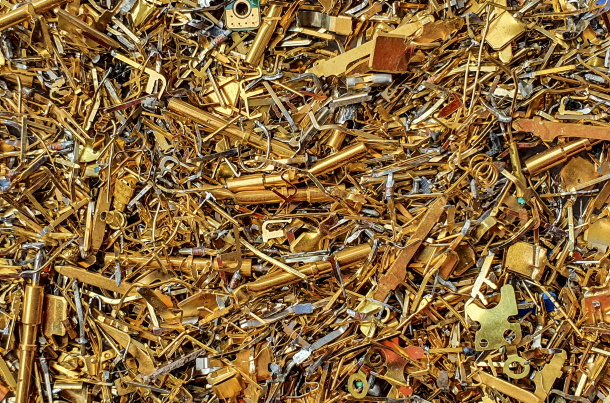
industrial gold waste from electronic components
Lab-grown gold is often used as a marketing term to simply refer to recycled or recovered gold. While it is possible for scientists to create lab-grown gold via scientific processes like nuclear transmutation, making true gold in a lab is highly impractical to do at scale.Products marketed as lab-grown gold (or recycled or recovered gold) are chemically identical to mined gold and, as such, are equivalent in monetary value. However, recycled gold may be more sustainable than its mined counterparts to some people and producers.Here’s everything you need to know around the topic of what is lab-grown gold and how you can shop for it confidently.
Can Gold Be Made in a Lab?
The short answer is, yes, it is possible to create gold in a lab. As IDEX reported in July 2025, a recent example is the US startup Marathon Fusion that has been working on the process using mercury-197 to produce gold. However, making gold via nuclear fusion requires an immense amount of energy. Additionally, gold produced under this method remains radioactive for up to 18 years.
Is It Similar to Lab-Grown Diamonds?
As lab-grown diamonds have become a highly popular alternative to natural diamonds, particularly for engagement rings, it’s fair to wonder, if it’s so easy to produce lab-grown stones, why can’t we do the same with a gold nugget? But really, it all has to do with how the two materials form in nature.Diamonds form when carbon is exposed to high-heat, high-pressure conditions – an environment that scientists can more easily replicate in a lab. In contrast, all the Earth’s natural gold was formed billions of years ago through cosmic events, before making its way to the surface of the planet. Think of the merger of neutron stars or massive stars exploding as a supernova. As such, these conditions are a little more difficult to copy in a man-made setting, and because of this challenge, true lab-grown gold hasn’t caught on the way lab-grown diamonds have.
The Lab-Grown Gold Market: A Quick Overview of Recycled Gold
As mentioned, what many sellers offer as “lab-grown gold” is, in reality, just recycled gold – or any gold reclaimed from unwanted jewelry, electronic waste, industrial waste, or automobiles. It’s then returned to its pure form before being transformed into a new piece of jewelry.Recycled gold is chemically the same as mined gold on a molecular level, meaning it holds the same scrap value per gram and exhibits identical long-term market value behavior. At the same time, recycled gold is considered by some to be a more eco-friendly option than mined gold as it reduces the need for traditional mining and the reliance on depleting natural gold deposits.
Lab-Grown Gold Vs. Recycled Gold Vs. Mined Gold

What About Other Types of Gold? An Overview of the Terminology
These are the primary terms you’ll see used to describe gold jewelry in the marketplace. It’s important to know their meanings, so you can be sure of what you’re buying:Solid gold (10k/14k/18k/24k): Pure 100% gold is too soft for jewelry so what you’re buying is gold mixed with other precious metals to form a more durable alloy. The varying karat counts refer to the concentration, and therefore, purity of the gold used. White gold and rose gold also fall under this category.Recycled gold: Real gold with the same value and purity as solid gold, but it’s made by reclaiming and refining previously existing quantities that were used for another purpose.Gold vermeil: The piece features a layer of gold applied over sterling silver; a specific thickness of gold must be applied.Gold plated/PVD-coated: A thin layer of gold is applied to a base metal; durability and value vary.Lab-made gold: Unless the seller is attempting to pose recycled gold as lab-made gold, actual lab-made gold is created via nuclear transmutation. However, you won’t find this in the mainstream jewelry supply.
What Kind of Gold Should You Buy?

Lab-Grown Gold and Recycled Gold Dos & Don’ts
Do: Treat “lab-grown gold” as a marketing term. Any time a seller uses this term, inquire further regarding the metal’s true origins.Don’t: Assume recycled gold will cost less than its natural counterpart (like lab-grown diamonds) or that recycled gold is automatically sustainable as some producers may still use unsustainable practices.Do: Use recycled gold as the most straightforward alternative for real gold jewelry.
Is Lab-Grown or Recycled Gold Considered Fake by Insurers?
No! If you work with a reputable specialty jewelry insurance provider like BriteCo, they will treat your lab-grown and recycled gold as authentic – because it is.Since both true lab-grown and recycled gold are chemically the same as mined gold, and therefore equivalent in value and value retention, BriteCo insures recycled and lab-associated gold jewelry exactly the same, as long as proper documentation is available at the time of appraisal.In the same way that BriteCo covers lab-grown diamonds, coverage is based on value and risk, not origin. So long as the piece of jewelry can be appraised and replaced, it can be insured, regardless of whether the gold is mined or recycled. Getting an online jewelry quote from BriteCo only requires an appraisal, photos, and purchase documentation. You can get coverage as soon as today to protect your jewelry from loss, theft, mysterious disappearance, and accidental damage anywhere in the world, 365 days a year, 7 days a week.
Lab-Grown Gold FAQs
Is Lab-Grown Gold Real Gold?The term lab-grown gold is often a misnomer used to describe recycled gold. However, recycled gold and gold that’s actually grown in a lab (while rare) are both identical to mined counterparts on a chemical level and in value.Can Gold Be Lab-Grown?Yes. While it is very difficult and rare, gold can be made in a lab through nuclear technology.Is Lab-Grown Gold the Same As Recycled Gold?In many cases, yes, lab-grown gold is the same as recycled gold, and some sellers may market recycled gold as lab-grown gold.Does Lab-Grown Gold Have a Karat Count?Yes, lab-grown gold is measured by karats the same way as mined gold.Is Gold Vermeil Better Than Gold-Plated Jewelry?Gold vermeil is better than gold-plated in most cases. Gold vermeil must include a certain thickness of gold applied to a sterling silver base, while gold-plated jewelry may feature any amount of gold and any base metal, leading to a potential lack of durability and value.

Source: DCLA

Monday, 22 December 2025

Namibia: Gold and Uranium Earnings Overtake Diamonds

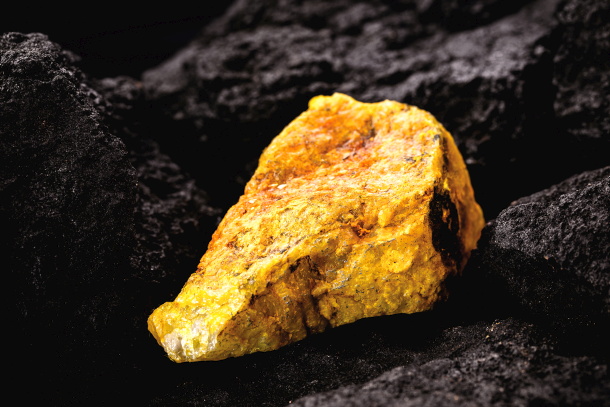
uranium ore in mine, mineral radiation concept, radioactive energy

Namibia has, for the first time, earned more tax revenue from gold and uranium than from diamonds.

Natural diamonds, primarily from marine operations, have long accounted for almost a third of Namibia’s export earnings.

But it has faced a severe contraction since mid-2022. At the same time, gold prices have been surging to record highs, and demand for uranium is rising for nuclear energy production.

Diamond mining is projected to decline by 4.5 per cent in 2025 and 5.7 per cent in 2026, the Bank of Namibia said in its August 2025 Economic Outlook.

“Non-diamond mineral revenues have surpassed diamond revenues for the first time, reinforcing a structural shift towards a more diversified and resilient mining revenue base,” the Chamber of Mines of Namibia said in its report for October, published last week.

It said tax revenue from diamonds in the six months to September was down 79 per cent, year on year. It did not provide like-for-like figures for gold or uranium.

But it said tax revenue from other minerals, mainly uranium and gold, had almost doubled the original budget estimate in the last financial year.

Source: DCLA

Thursday, 29 February 2024

Start your Investment Journey with FirstGold


Start your Investment Journey with FirstGold


Start Buying Gold, Platinum and Silver

FirstGold™ takes Gold, Platinum and Silver bullion accumulation and storage to a new level of security and convenience.

The FirstGold platform gives the smart investor the ultimate way to save in real bullion which is 100% Gold, Platinum and Silver stored in your physical account.

FirstGold is simple to use, safe and secure, and is your own physical asset.

Located in the heart of Sydney, FirstGold is a reputable and trusted player in the bullion industry, with a commitment to safeguarding and growing consumers wealth through bullion.

FirstGold makes accumulating physical investment bullion easy and safe. At the core of our business lies a dedication to customer service, and we take great pride in our multiple service awards, which are a testament to our commitment.

At FirstGold, we offer the most flexible and cost-effective means to save, providing a platform that adapts to your unique needs and preferences.

Read more: FirstGold

Tuesday, 8 February 2022

FirstGold™ Gold and Silver Bullion Company

 FirstGold™ #Gold and #Silver savings plan initiative that puts your financial future in your hands.


The freedom to buy, sell, or take deliver of your physical savings. Your future is in your hands. Get smart. Get real.


https://www.firstgold.com.au/

Sunday, 6 February 2022

Buying gold and silver

Buying, Vaulting and accumulating #gold and #silver has never been this easy.


FirstGold is the best way to cost average your physical bullion with storage and Lloyds insurance cover included for the year.

Visit https://www.firstgold.com.au/ to start a free account.

Tuesday, 4 May 2021

Is physical silver a good investment?

Simple near is YES.


As a physical asset, it has intrinsic worth, unlike the dollar or other currencies. 

Silver holds its value long term and fares well when interest rates are low and fixed-income investments aren't earning much.

In these ways, silver functions like gold as an investment, serving a similar "safe haven" role.

Buy physical silver at FirstGold https://firstgold.com.au/


Is physical silver a good investment?

Simple near is YES.


As a physical asset, it has intrinsic worth, unlike the dollar or other currencies. 

Silver holds its value long term and fares well when interest rates are low and fixed-income investments aren't earning much.

In these ways, silver functions like gold as an investment, serving a similar "safe haven" role.

Buy physical silver at FirstGold https://firstgold.com.au/


Tuesday, 18 February 2020

Gold Demand Lifts Mood at India Jewelry Show


Exhibitors at IIJS Signature in Mumbai expressed confidence India’s wedding tradition and enduring love of gold would help the nation’s jewelry industry overcome its current difficulties.
Economic uncertainty, high gold prices, tight regulation and the outbreak of the coronavirus in China have created challenges for the Indian jewelry sector, traders told Rapaport News during the fair, which ended Sunday at the Bombay Exhibition Centre. But fundamental features of the country’s consumer market should help limit the impact, dealers said.
“Gold prices have always gone up,” said Mitesh Gajera, a director at Laxmi Dia Jewel, a Mumbai-based manufacturer, retailer and wholesaler of jewelry. “Gold is a form of investment for Indian people. People trust in gold prices.”
The yellow metal has gained around 20% in value over the past year as investors view the commodity as a safe haven during global economic uncertainty. While that has dampened Indians’ ability to buy, many consumers still see it as a strong investment and even as a currency, with the price growth sometimes boosting their willingness to splurge before the rate increases further.
“In the middle of the night, if you want money, you can immediately get cash [in exchange for gold],” explained Anand Shah, a jewelry designer and owner of Anand Shah Jewels.
Lower price points
However, a shift by consumers toward pieces with less gold content and thinner profit margins for jewelers have offset the rise in gold demand over the past year, exhibitors said. India’s 12.5% import duty on the precious material has intensified the problem, Shah added. The government’s decision to maintain that rate — as well as a 7.5% levy on polished diamonds — in its annual budget earlier this month disappointed the trade, which had been campaigning for a reduction.
The state of the important bridal market also presents a complex mix of positive and negative trends. Suppliers at IIJS Signature reported a strong wedding period so far, with the season running from November until May, providing selling opportunities at the show.
But while Indian nuptials continue to feature bold displays of expensive jewelry, making it a constant source of demand, wedding budgets have decreased due to the sluggish economy. Diamond consumption has suffered as Indians opt for smaller jewelry, with the average Indian bride now wearing around 15 carats in total weight on her big day, compared with 30 carats two years ago, estimated Hardik Shah, the executive director of BR Designs, a Surat-based jewelry manufacturer and retailer.
Less diamond content
“People who would have bought a 10-carat [total weight] necklace [seven or eight months ago] will now buy 5 carats,” added Rhishabh Solanki, a director at jewelry manufacturer Shashat Impex.
Indians’ sacrifice of diamond quantity has been especially evident in the important southern Indian market — cities such as Chennai, Bangalore and Hyderabad — where the relatively educated population is known for being quality-conscious.
Consumers there are shifting to lower gold weights and fewer diamonds in their wedding jewelry, but aren’t compromising on color and clarity, according to Nilesh Soni, head of marketing for the southern region at Mumbai-based jewelry manufacturer Neo Diamonds. They’re still insisting on D-to-F, VVS diamonds, he observed, noting that his company’s sales at the show were mainly of mid-range wedding necklaces with those specifications, Soni reported.
“[Retailers] wouldn’t buy a very high-range [item] because it may sell or may not,” he explained. “The mid-range is a safe investment.”
Jewelry beats diamonds
Finished-jewelry suppliers accounted for the vast majority of exhibitors at IIJS Signature, and came away happier than the loose-diamond suppliers, of which there were only a handful. Some well-known diamond companies were present but displayed their jewelry instead of loose stones.
“For jewelry, the fair has been fantastic,” noted Hitesh Choksi, a sales executive at Hari Krishna Exports, which used the event to display both its diamonds and its finished jewelry. The company benefited from buyers carrying out their initial inquiries and purchases ahead of the festive season, which begins in August.
Sales of loose stones were more muted, as the Indian diamond market is less focused on domestic shows, Hitesh Choski explained. The goods that did sell were mainly in the 1- to 1.50-carat, I-to-K, VS-to-SI categories, as many buyers were from northern India, where consumers tend to choose larger but lower-quality diamonds, he noted. Another loose-diamond exhibitor reported making no sales across the entire event.
Regulatory creep
Aside from the relatively steep import duties, India’s jewelry industry is struggling with regulations designed to clean up the trade, such as a requirement from January 2021 for all gold to carry a hallmark. This type of restriction favors larger companies, according to Milan Choksi, a partner at Tanvirkumar & Company.
“Organized players get the opportunity to take business from those that cannot [handle] the regulations that you need to comply with,” Milan Choksi said. “There are too many things for a smaller business [to cope with], so they’ve had to drop parts of their business. These areas are available for us to capture.”
China impact
Compounding the difficulties is a volatile global situation, with the US-China trade war, protests in Hong Kong and now the coronavirus denting Indian exports. Last week, India’s Gem & Jewellery Export Promotion Council (GJEPC) warned that the near shutdown of business in greater China had threatened to delay payments to suppliers. The situation had a negative effect on morale at IIJS Signature, as some 35% to 40% of India’s gem and jewelry export business is with Hong Kong and mainland China, according to figures from the GJEPC.
While it’s too early to assess the full impact, “let’s assume it’s really bad and the next six months will be challenging for the Far East,” Milan Choksi warned.
However, India remains in a strong position on the global stage amid the turbulence, noted Abhishek Sand, a partner at Jaipur-based jewelry manufacturer Savio Jewellery. It enjoys a good relationship with the US and is likely to increase its trade with America, Sand explained. Meanwhile, some Chinese jewelry manufacturers are moving operations to India because of lower US tariffs and the coronavirus, he reported.
“There’s a liking of the American government toward India,” Sand noted. Trump doesn’t have a trade war with India, he stressed.
Source: DCLA

Gold Demand Lifts Mood at India Jewelry Show


Exhibitors at IIJS Signature in Mumbai expressed confidence India’s wedding tradition and enduring love of gold would help the nation’s jewelry industry overcome its current difficulties.
Economic uncertainty, high gold prices, tight regulation and the outbreak of the coronavirus in China have created challenges for the Indian jewelry sector, traders told Rapaport News during the fair, which ended Sunday at the Bombay Exhibition Centre. But fundamental features of the country’s consumer market should help limit the impact, dealers said.
“Gold prices have always gone up,” said Mitesh Gajera, a director at Laxmi Dia Jewel, a Mumbai-based manufacturer, retailer and wholesaler of jewelry. “Gold is a form of investment for Indian people. People trust in gold prices.”
The yellow metal has gained around 20% in value over the past year as investors view the commodity as a safe haven during global economic uncertainty. While that has dampened Indians’ ability to buy, many consumers still see it as a strong investment and even as a currency, with the price growth sometimes boosting their willingness to splurge before the rate increases further.
“In the middle of the night, if you want money, you can immediately get cash [in exchange for gold],” explained Anand Shah, a jewelry designer and owner of Anand Shah Jewels.
Lower price points
However, a shift by consumers toward pieces with less gold content and thinner profit margins for jewelers have offset the rise in gold demand over the past year, exhibitors said. India’s 12.5% import duty on the precious material has intensified the problem, Shah added. The government’s decision to maintain that rate — as well as a 7.5% levy on polished diamonds — in its annual budget earlier this month disappointed the trade, which had been campaigning for a reduction.
The state of the important bridal market also presents a complex mix of positive and negative trends. Suppliers at IIJS Signature reported a strong wedding period so far, with the season running from November until May, providing selling opportunities at the show.
But while Indian nuptials continue to feature bold displays of expensive jewelry, making it a constant source of demand, wedding budgets have decreased due to the sluggish economy. Diamond consumption has suffered as Indians opt for smaller jewelry, with the average Indian bride now wearing around 15 carats in total weight on her big day, compared with 30 carats two years ago, estimated Hardik Shah, the executive director of BR Designs, a Surat-based jewelry manufacturer and retailer.
Less diamond content
“People who would have bought a 10-carat [total weight] necklace [seven or eight months ago] will now buy 5 carats,” added Rhishabh Solanki, a director at jewelry manufacturer Shashat Impex.
Indians’ sacrifice of diamond quantity has been especially evident in the important southern Indian market — cities such as Chennai, Bangalore and Hyderabad — where the relatively educated population is known for being quality-conscious.
Consumers there are shifting to lower gold weights and fewer diamonds in their wedding jewelry, but aren’t compromising on color and clarity, according to Nilesh Soni, head of marketing for the southern region at Mumbai-based jewelry manufacturer Neo Diamonds. They’re still insisting on D-to-F, VVS diamonds, he observed, noting that his company’s sales at the show were mainly of mid-range wedding necklaces with those specifications, Soni reported.
“[Retailers] wouldn’t buy a very high-range [item] because it may sell or may not,” he explained. “The mid-range is a safe investment.”
Jewelry beats diamonds
Finished-jewelry suppliers accounted for the vast majority of exhibitors at IIJS Signature, and came away happier than the loose-diamond suppliers, of which there were only a handful. Some well-known diamond companies were present but displayed their jewelry instead of loose stones.
“For jewelry, the fair has been fantastic,” noted Hitesh Choksi, a sales executive at Hari Krishna Exports, which used the event to display both its diamonds and its finished jewelry. The company benefited from buyers carrying out their initial inquiries and purchases ahead of the festive season, which begins in August.
Sales of loose stones were more muted, as the Indian diamond market is less focused on domestic shows, Hitesh Choski explained. The goods that did sell were mainly in the 1- to 1.50-carat, I-to-K, VS-to-SI categories, as many buyers were from northern India, where consumers tend to choose larger but lower-quality diamonds, he noted. Another loose-diamond exhibitor reported making no sales across the entire event.
Regulatory creep
Aside from the relatively steep import duties, India’s jewelry industry is struggling with regulations designed to clean up the trade, such as a requirement from January 2021 for all gold to carry a hallmark. This type of restriction favors larger companies, according to Milan Choksi, a partner at Tanvirkumar & Company.
“Organized players get the opportunity to take business from those that cannot [handle] the regulations that you need to comply with,” Milan Choksi said. “There are too many things for a smaller business [to cope with], so they’ve had to drop parts of their business. These areas are available for us to capture.”
China impact
Compounding the difficulties is a volatile global situation, with the US-China trade war, protests in Hong Kong and now the coronavirus denting Indian exports. Last week, India’s Gem & Jewellery Export Promotion Council (GJEPC) warned that the near shutdown of business in greater China had threatened to delay payments to suppliers. The situation had a negative effect on morale at IIJS Signature, as some 35% to 40% of India’s gem and jewelry export business is with Hong Kong and mainland China, according to figures from the GJEPC.
While it’s too early to assess the full impact, “let’s assume it’s really bad and the next six months will be challenging for the Far East,” Milan Choksi warned.
However, India remains in a strong position on the global stage amid the turbulence, noted Abhishek Sand, a partner at Jaipur-based jewelry manufacturer Savio Jewellery. It enjoys a good relationship with the US and is likely to increase its trade with America, Sand explained. Meanwhile, some Chinese jewelry manufacturers are moving operations to India because of lower US tariffs and the coronavirus, he reported.
“There’s a liking of the American government toward India,” Sand noted. Trump doesn’t have a trade war with India, he stressed.
Source: DCLA

LUCARA RECOVERS EXCEPTIONAL 36.92 CARAT BLUE DIAMOND FROM KAROWE

  Lucara Diamond Corp. has announced the recovery of a remarkable 36.92 carat blue diamond from its wholly owned Karowe Diamond Mine in Bots...