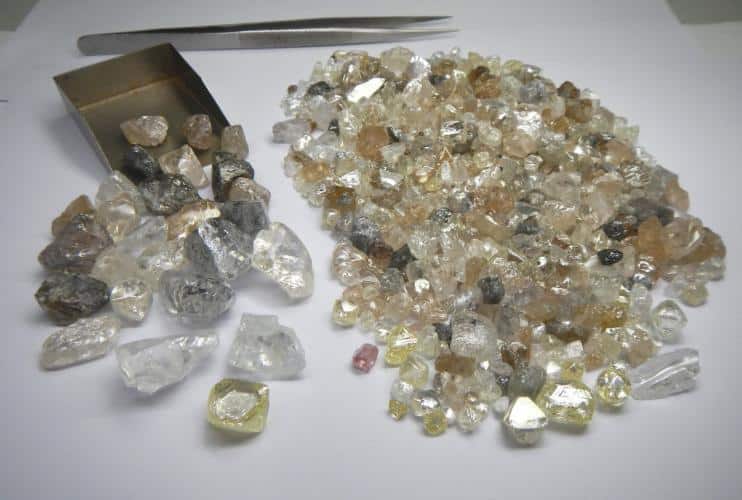
A major shift in the global diamond industry as African diamond-producing nations seek greater ownership and influence over one of the world’s most recognised diamond companies.
Angola is preparing to invest approximately US$180 million (A$270.3 million) to acquire a 10% stake in De Beers, marking another significant development in the changing ownership structure of the global diamond industry.
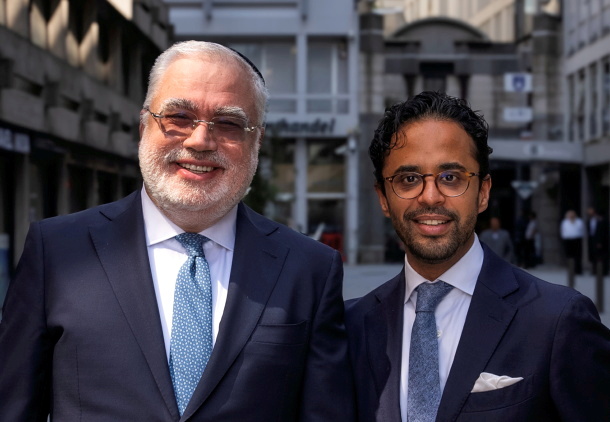
The announcement was made by José Manuel Augusto Ganga Júnior, CEO of Angola’s state-owned diamond company Endiama, who confirmed the proposed investment. The move forms part of a broader restructuring of De Beers following Anglo American’s decision to put the diamond business up for sale in 2024.
The proposed acquisition highlights a growing ambition among African diamond-producing nations to take a more direct role in controlling the companies, resources and revenues generated by their own diamond industries.
African nations seek greater control of the diamond trade
Anglo American’s decision to sell De Beers came during a challenging period for the global diamond market. Falling prices, weaker consumer demand, changing luxury spending patterns and increasing competition from laboratory-grown diamonds have placed considerable pressure on the natural diamond sector.
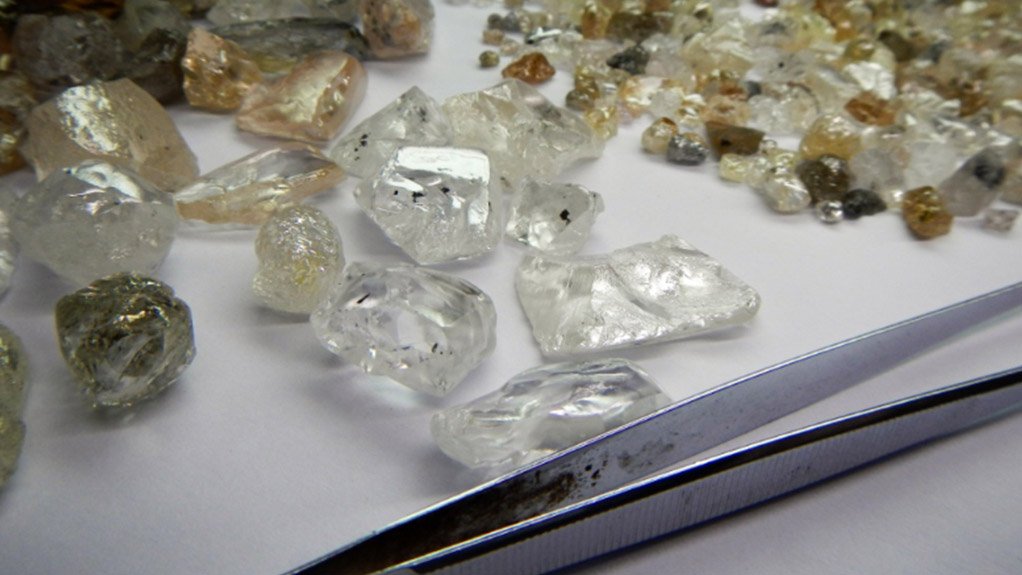
Despite these challenges, De Beers remains one of the most influential names in the international diamond industry, with a long-established presence in diamond exploration, mining, sorting, marketing and distribution.
Angola’s investment is part of a wider movement involving some of Africa’s most important diamond-producing countries.
Botswana, already holding a 15% interest in De Beers, is expected to remain a key shareholder. Angola and neighbouring Namibia are also set to join the ownership structure, according to an announcement by Botswana’s President Duma Boko on 9 November.
For Botswana, Angola and Namibia, greater participation in De Beers represents an opportunity to strengthen their influence over the future direction of the natural diamond business.
These countries are not simply suppliers of rough diamonds. They are major stakeholders in an industry that supports employment, infrastructure, government revenue and economic development across southern Africa.
Why Angola is investing despite falling diamond prices
The proposed investment comes at a time when diamond prices remain under pressure. The expansion of laboratory-grown diamonds has changed the competitive landscape, particularly in the commercial jewellery market, where consumers have increasingly been offered lower-priced alternatives.
However, Angola believes that acquiring a stake in De Beers remains strategically important.
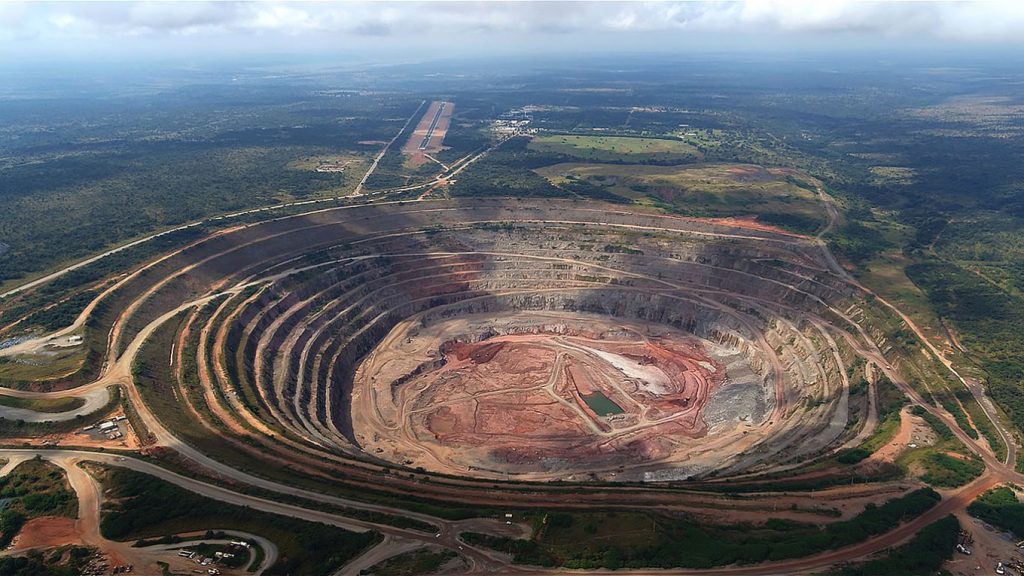
De Beers is already active in diamond exploration in Angola, giving the proposed investment an additional commercial dimension. A shareholding would potentially provide Angola with greater involvement in the international diamond business beyond its traditional role as a producer and exporter of rough diamonds.
The distinction is important. For many years, African diamond-producing nations have supplied some of the world’s most valuable natural resources, while much of the downstream commercial activity, including trading, cutting, polishing and jewellery manufacturing, has taken place elsewhere.
Greater ownership could help these countries capture more value from the entire diamond supply chain.
Angola also opens its first gold refinery
The announcement comes alongside another important development in Angola’s precious metals sector.
Endiama has commissioned the country’s first gold refinery in Luanda, with a stated processing capacity of 25 kilograms per day.
The refinery represents another step towards developing domestic mineral processing capabilities and reducing reliance on exporting unprocessed materials.
For Angola, the development of both its diamond and gold industries reflects a broader strategy of expanding its position in the international precious metals market.
Building local refining and processing capacity can create skilled employment, develop technical expertise and retain more economic activity within the country.
What does this mean for the future of natural diamonds?
The changing ownership of De Beers comes at a critical time for the natural diamond industry.
Laboratory-grown diamonds have introduced a new competitive force, while changing consumer preferences and economic uncertainty have affected demand for natural stones.
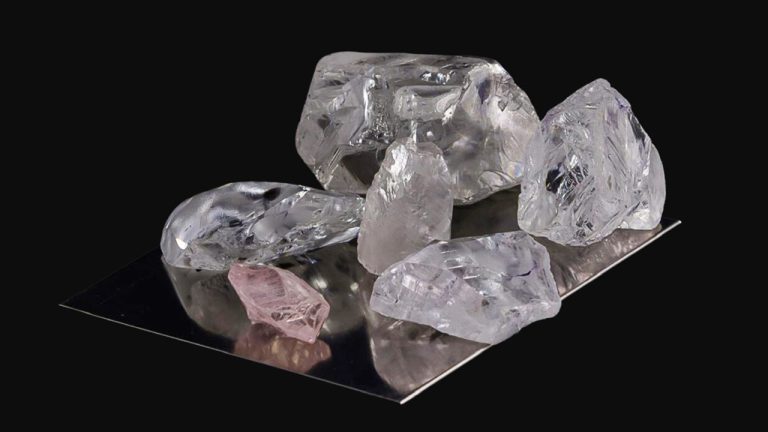
However, natural diamonds continue to occupy an established position in the luxury market, supported by their geological rarity, natural origin, heritage and long-standing association with significant life events.
The industry now faces the challenge of clearly communicating the differences between natural and laboratory-grown diamonds, maintaining consumer confidence and ensuring transparency throughout the supply chain.
There is also a growing question of who controls the future of the industry.
With Botswana, Angola and Namibia seeking greater ownership and influence, the traditional balance of power in the diamond business may be entering a new chapter.
The bigger picture: Africa is seeking a greater share of the value created by its natural resources. From diamond mining and international trading to cutting, polishing and precious metals refining, the future of the industry may increasingly be shaped by the countries where these resources originate.
For the natural diamond trade, the coming years will be about more than recovering prices. They will be about ownership, transparency, market confidence and the ability of the industry to adapt to a changing global marketplace.
Source: Statements attributed to Endiama CEO José Manuel Augusto Ganga Júnior and announcements by Botswana’s President Duma Boko.
Source: DCLA