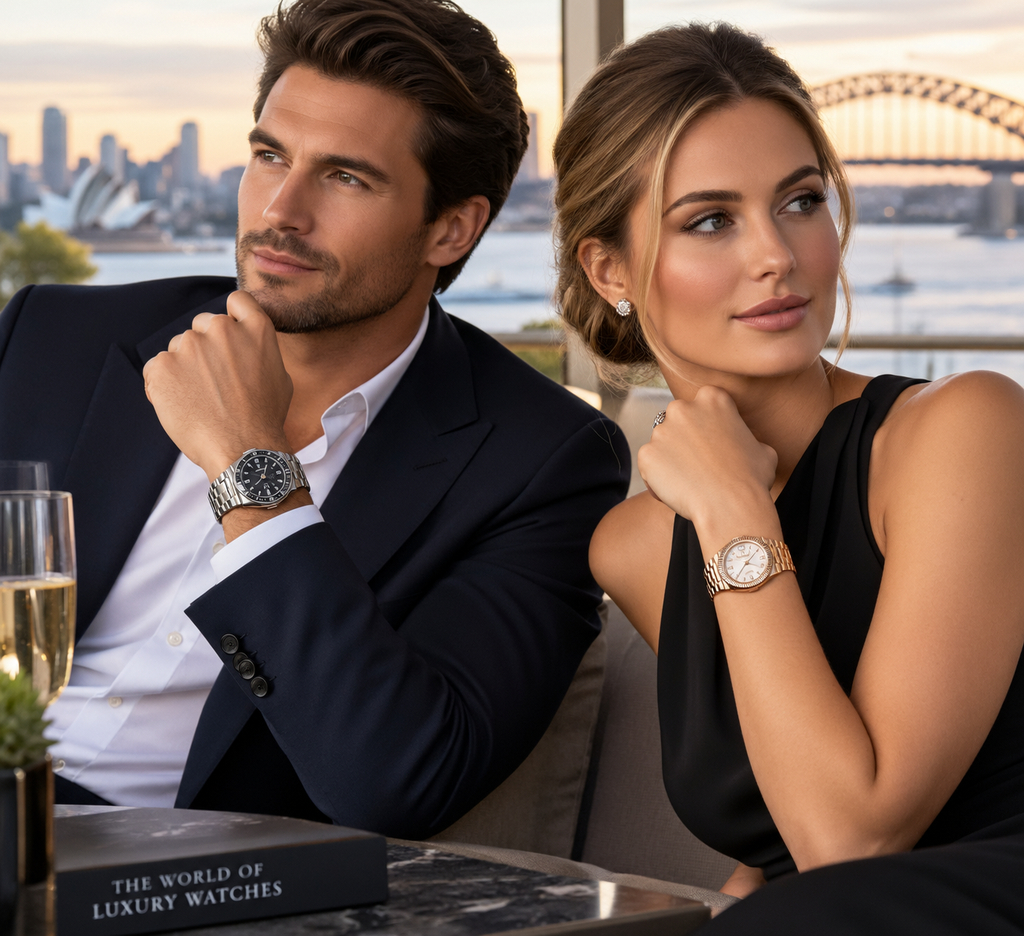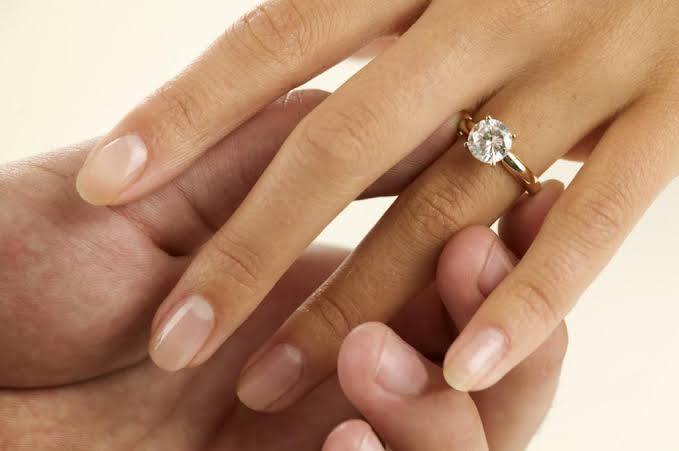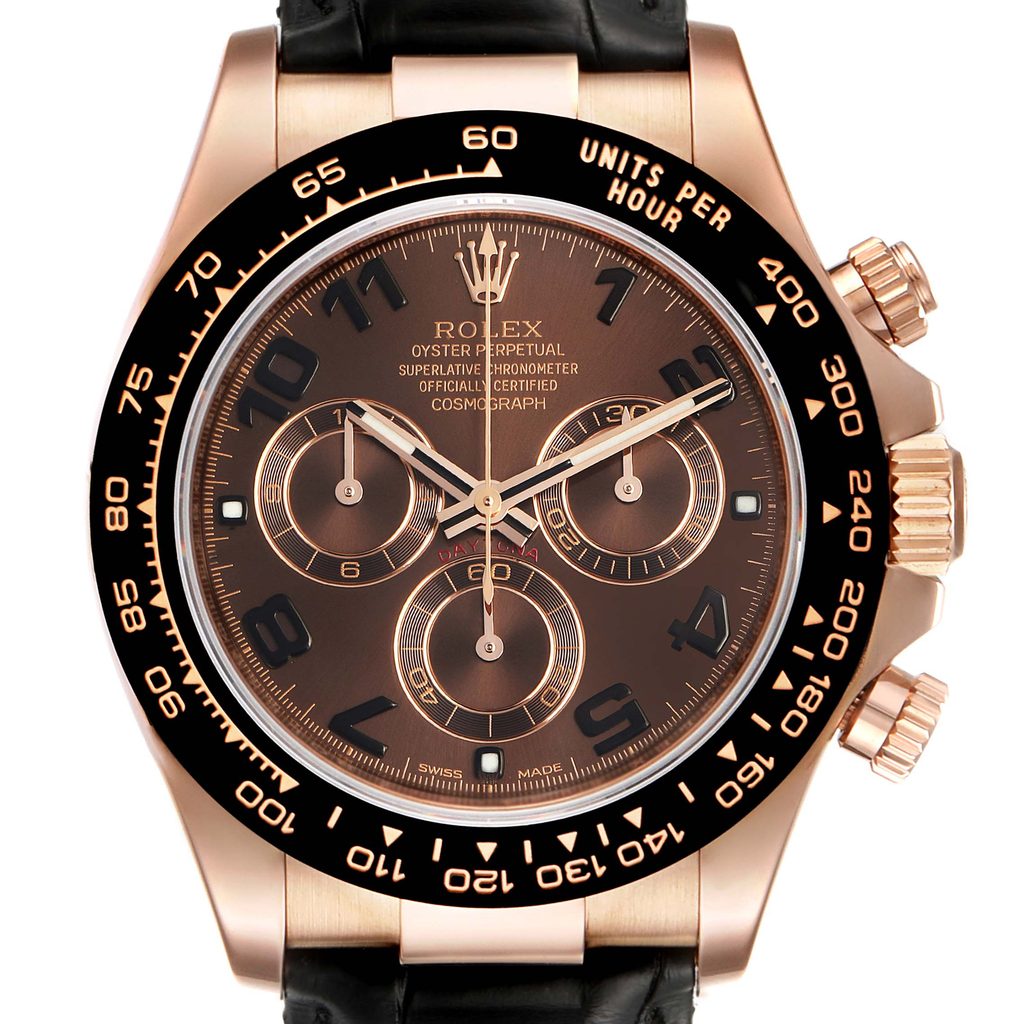
When diamonds meet fine watchmaking, is more always worth more?
A luxury watch is much more than a timekeeping instrument. For collectors, it represents precision engineering, heritage, craftsmanship and, in some cases, a significant store of value. Brands such as Rolex, Patek Philippe and Audemars Piguet have built their reputations over generations, with certain models becoming highly sought after by collectors around the world.
It is understandable that an owner might want to personalise a luxury watch by adding diamonds or coloured gemstones to its bezel, dial, bracelet or case. The result can be visually striking, but does it increase the watch’s market value?
A watch that looks more luxurious is not necessarily worth more.
The answer depends on the watch, the quality of the modification, its originality and, most importantly, what future buyers are prepared to pay for it.
1. Do diamonds increase the value of a luxury watch?
The first distinction is between a watch originally manufactured with factory-set diamonds and one modified later by an independent jeweller.
Although the two watches may look similar, collectors and specialist watch dealers can regard them very differently.
Factory-set diamonds
When a manufacturer offers a diamond-set model, the gemstones are selected, set and finished as part of the original production process. The setting is designed around the watch, and the finished piece forms part of the manufacturer’s specifications.
The stones, craftsmanship, model reference, rarity and original documentation all contribute to the watch’s identity.
Certain factory-set Rolex Day-Date and Datejust models, diamond-set Patek Philippe watches and gem-set Audemars Piguet Royal Oak models are desirable in their own right. However, factory-set diamonds do not automatically guarantee a higher resale price. The particular model, condition, originality and market demand remain important.
Aftermarket diamonds and gemstones
An aftermarket modification occurs when diamonds or other gemstones are added after the watch leaves the manufacturer, usually by an independent jeweller or specialist customisation company.
Although the stones themselves may have genuine monetary value, the cost of the materials and workmanship is not necessarily reflected in the resale price of the finished watch.
Consider a hypothetical example.
An owner purchases a luxury watch for $30,000 and spends another $10,000 having diamonds added to the bezel and bracelet. The total expenditure is now $40,000, but this does not mean the modified watch will sell for $40,000 or more.
A prospective buyer may prefer the original watch, question the quality of the setting or simply be unwilling to pay extra for a design that does not reflect the manufacturer’s specifications.
The modification may appeal to a particular buyer who appreciates the appearance. However, it can also reduce the pool of potential buyers.
The value of the diamonds and the value of the watch are two separate considerations.
A qualified gemmologist can assess the gemstones independently, but that assessment does not establish the resale value of the complete watch.
2. Will Rolex service a modified watch?
This is one of the most important questions to consider before making any alterations.
Rolex has established a global reputation for precision, reliability, durability and consistent manufacturing standards. Its watches are designed and tested as complete products, with cases, bezels, dials, bracelets and movements engineered to work together.
When an independent jeweller adds diamonds or changes original components, several issues may arise.
Rolex’s official servicing process involves a technical and aesthetic assessment of the watch. The company examines its components, services the movement as required and conducts tests that include checking water resistance and timekeeping performance.
Alterations by unauthorised third parties can affect the manufacturer’s warranty and may influence whether a watch is accepted for particular servicing work.
An aftermarket diamond bezel, modified dial or altered bracelet may create difficulties if the watch no longer meets the manufacturer’s specifications. Depending on the watch and the nature of the alteration, the service centre may require the watch to be returned to an acceptable original configuration or may decline certain work.
It is important to distinguish between a watch being accepted for assessment, being eligible for a particular repair and being eligible for a complete official service. These are not necessarily the same thing.
Owners should contact an authorised Rolex retailer or service centre before modifying their watch rather than assuming that future servicing will remain unaffected.
For a valuable or collectible Rolex, preserving the original components and configuration is generally the more conservative approach.
The same principle applies to other prestigious manufacturers, including Patek Philippe and Audemars Piguet. Each has its own service requirements and policies, so owners should seek confirmation directly from the relevant manufacturer.
3. How modifications can affect future resale value
The secondary market for luxury watches is influenced by several factors beyond the original purchase price.
These include:
- Originality: Collectors often favour watches that retain their original manufacturer-specified components.
- Model and reference: Some models have a much stronger collector following than others.
- Condition: Damage, poor workmanship, excessive polishing or changes to the case can affect desirability.
- Provenance: Original paperwork, service records, purchase history and matching components can help establish authenticity and history.
- Manufacturer support: Confidence in future servicing can influence a buyer’s decision.
- Market demand: A customised design may appeal strongly to one buyer while discouraging many others.
A modification can therefore have three broad outcomes.
It may add value to a specific buyer. Someone seeking a distinctive, diamond-encrusted watch may be prepared to pay a premium for its appearance.
It may have little effect on value. The buyer may consider the stones an additional feature but place most of the value on the underlying watch.
It may reduce value. Collectors seeking an original example may avoid the watch, particularly when the modification affects important original components or creates uncertainty about servicing.
The financial risk is that the owner pays for the customisation but cannot recover the cost when selling.
For watches with strong collector demand, preserving originality may be more valuable in the long term than adding decorative features.
There are exceptions. Some historical watches with unusual modifications, bespoke commissions or documented provenance can become highly desirable. However, these exceptional cases should not be treated as a general rule for modern luxury watches.
4. What about coloured gemstones?
Diamonds are not the only stones used to customise luxury watches. Sapphires, rubies and emeralds can be incorporated into bezels, hour markers and other decorative elements.
From a gemmological perspective, their value depends on factors such as natural or laboratory-grown origin, colour, clarity, treatment, carat weight and cutting quality. For certain stones, origin and the presence or absence of treatments can also have a substantial effect on value.
However, the same principle applies: a valuable gemstone does not automatically increase the value of the watch into which it has been set.
The setting method matters as well. Drilling, cutting, removing or replacing original components can permanently alter the watch. Poorly executed work may damage the metal, compromise the fit of components or affect the integrity of the case.
Water resistance is another consideration. A watch designed for a particular level of water resistance should not be assumed to retain that performance following modification.
Before any work begins, owners should establish whether the proposed design can be completed without compromising the watch’s construction or future serviceability.
5. The world’s leading high-end watchmakers
To understand why originality matters, it helps to appreciate the history and identity of the leading names in fine watchmaking. These manufacturers are not simply selling precious metals and gemstones. They are selling design, engineering, heritage and reputations built over generations.
1. Rolex
Founded in 1905 by Hans Wilsdorf and Alfred Davis in London, Rolex moved its operations to Geneva in 1919. The company became synonymous with robust, precise and dependable wristwatches.
Milestones include the Oyster waterproof case introduced in 1926 and the Perpetual self-winding rotor system introduced in 1931.
Iconic collections include the Submariner, Daytona, Datejust, Day-Date and GMT-Master.
Rolex enjoys enormous global recognition, but its watches are not all equally collectible. Originality, reference, rarity and condition remain important when assessing resale value.
Official website: https://www.rolex.com/
2. Audemars Piguet
Established in 1875 by Jules Louis Audemars and Edward Auguste Piguet in Le Brassus, Switzerland, Audemars Piguet is one of the great independent names in Swiss haute horlogerie, or high watchmaking.
Its defining moment came in 1972 with the introduction of the Royal Oak, designed by Gérald Genta. Its exposed screws, octagonal bezel and integrated bracelet challenged the convention that luxury watches should be made primarily from gold or platinum.
The use of stainless steel in a high-end sports watch helped create an entirely new luxury category.
Today, the Royal Oak and Royal Oak Offshore are among the brand’s best-known collections. Because design details and originality are central to their appeal, modifying a desirable example warrants particular care.
Official website: https://www.audemarspiguet.com/
3. Patek Philippe
Founded in Geneva in 1839 by Antoni Patek and Adrien Philippe, Patek Philippe is among the most prestigious names in traditional watchmaking.
The company is celebrated for intricate mechanical movements, perpetual calendars, minute repeaters and other sophisticated complications.
Its notable collections include the Calatrava, Nautilus, Aquanaut and Grand Complications. Certain rare Patek Philippe watches have achieved extraordinary results at international auctions.
The brand’s emphasis on craftsmanship, provenance and continuity across generations makes originality particularly relevant to collectors. An aftermarket modification can make an otherwise desirable reference less attractive to buyers seeking a watch that retains its intended factory specification.
Official website: https://www.patek.com/
4. Vacheron Constantin
Founded in Geneva in 1755, Vacheron Constantin is widely recognised as the oldest watch manufacturer with an uninterrupted history of production.
It is renowned for elegant designs, elaborate complications, hand finishing and exceptional craftsmanship.
Its Overseas, Patrimony and Traditionnelle collections range from luxury sports watches to traditional dress watches. Its long history and specialist production make it a major name among serious collectors.
Official website: https://www.vacheron-constantin.com/
5. A. Lange & Söhne
Founded in 1845 in Glashütte, Germany, A. Lange & Söhne represents the finest tradition of German mechanical watchmaking.
After the disruption of the Second World War and the division of Germany, the brand was revived in 1990 by Walter Lange.
Its Lange 1, Datograph and Zeitwerk collections are admired for distinctive design, intricate movements and meticulous finishing. The company attracts collectors who value technical sophistication and traditional craftsmanship.
Official website: https://www.alange-soehne.com/
6. Jaeger-LeCoultre
Founded in 1833 in Le Sentier, Switzerland, Jaeger-LeCoultre is known for technical innovation and in-house movements.
The Reverso, created in 1931 with a case that flips over, is one of the most recognisable designs in horology.
Its Master and Duomètre collections demonstrate the company’s expertise in complicated movements. The brand’s historical designs and engineering are important components of its identity.
Official website: https://www.jaeger-lecoultre.com/
7. Breguet
Founded in 1775 by Abraham-Louis Breguet, the company is associated with some of the most influential developments in mechanical watchmaking.
Abraham-Louis Breguet is credited with inventing the tourbillon, patented in 1801. The brand also became known for distinctive guilloché dials, elegant hands and refined case designs.
Its Classique, Marine and Tradition collections continue to reflect this historic identity.
Official website: https://www.breguet.com/
8. Blancpain
Founded in 1735, Blancpain is one of Switzerland’s historic watch brands and is closely associated with traditional mechanical watchmaking.
Its Fifty Fathoms, introduced in 1953, became a landmark in the development of modern dive watches.
The company is also known for sophisticated complications and its Villeret collection. Its heritage appeals to collectors interested in mechanical craftsmanship and specialist watch history.
Official website: https://www.blancpain.com/
9. Richard Mille
Founded in 2001, Richard Mille takes a contemporary approach to high-end watchmaking, using advanced materials, lightweight construction and highly technical movement designs.
Its distinctive tonneau-shaped cases and limited production have made the brand recognisable among luxury watch buyers.
Its comparatively recent history illustrates that prestige can be built through innovation and a strong design identity as well as centuries of tradition.
Official website: https://www.richardmille.com/
10. Cartier
Founded in Paris in 1847, Cartier occupies a distinctive position at the intersection of fine jewellery and watchmaking.
The Santos, developed in the early twentieth century, and the Tank, introduced in 1917, became enduring design icons.
Cartier is especially relevant to the relationship between watches and gemstones because jewellery craftsmanship is central to its heritage. Nevertheless, an original factory-set Cartier watch and an independently modified example can have very different appeal in the secondary market.
Official website: https://www.cartier.com/
Other notable high-end watchmakers
Other important names in fine watchmaking include:
- F.P. Journe: Independent watchmaking, distinctive movements and limited production.
- Greubel Forsey: Highly elaborate mechanisms and exceptional hand finishing.
- H. Moser & Cie.: Refined minimalism, distinctive dials and in-house movements.
- Parmigiani Fleurier: Traditional craftsmanship and sophisticated complications.
- Chopard: Luxury jewellery alongside its L.U.C. mechanical watchmaking collection.
- Piaget: Ultra-thin movements and gem-set luxury designs.
- Harry Winston: Exceptional gemstones and high jewellery, alongside elaborate timepieces.
- Grand Seiko: Precision, distinctive dial finishing and Japanese craftsmanship.
- IWC Schaffhausen: Engineering-led designs, pilot watches and the Portugieser collection.
- Omega: Historic associations with space exploration, Olympic timekeeping, and the Seamaster and Speedmaster collections.
- Zenith: Known for the El Primero high-frequency automatic chronograph.
- Bulgari: Combines Italian design with advanced Swiss watchmaking, notably in the Octo Finissimo range.
- Hublot: Contemporary designs and combinations of unconventional materials.
These brands occupy different positions in the market. Not every model from a prestigious manufacturer is rare or appreciates in value, and there is no universal ranking that determines future resale performance.
6. Why factory originality matters to collectors
One of the most important lessons in both the diamond and luxury watch markets is that quality and originality are not the same thing.
A beautifully cut diamond can be valuable. A finely crafted watch can be valuable. But combining the two does not automatically create an object worth more than the sum of its parts.
Manufacturers such as Rolex and Patek Philippe have built their reputations on carefully controlled production standards. Their servicing and restoration processes are designed to maintain the technical and aesthetic integrity of their watches.
For collectors, an alteration may introduce uncertainty about:
- Whether the original bezel, dial or bracelet has been replaced.
- Whether the gemstones were set without damaging the original components.
- Whether the watch can still be serviced by the manufacturer.
- Whether the watch retains its original specifications and provenance.
- Whether a future buyer will regard the modification as desirable.
These concerns can influence the price a buyer is willing to offer, even when the added diamonds are of excellent quality.
7. What should you consider before modifying a luxury watch?
If you own a Rolex, Audemars Piguet, Patek Philippe or another high-end timepiece, consider the following before authorising any diamond or gemstone work.
Contact the manufacturer first. Ask whether the proposed modification will affect warranty coverage, official servicing or eligibility for repairs.
Obtain an independent valuation. Establish the watch’s current market value before spending money on alterations. For a rare or collectible watch, seek advice from a specialist who understands its exact reference.
Document the gemstones. Keep invoices and obtain appropriate gemmological documentation where warranted. Record whether the stones are natural or laboratory-grown, together with relevant quality characteristics and any treatments.
Preserve all original components. Keep the original bezel, dial, bracelet and other removed parts, along with the box, papers, receipts and service records. These may be important if the watch is later restored or sold.
Consider the eventual buyer. If resale is important, ask an independent specialist how the proposed work is likely to affect demand. The cost of customisation should never be assumed to translate directly into additional resale value.
8. The DCLA perspective: understanding the value of diamonds
At the Diamond Certification Laboratory of Australia (DCLA), we recognise that diamonds and fine jewellery can carry considerable financial and sentimental value. Understanding what you own is an important part of making informed decisions about its future.
When diamonds are incorporated into a luxury watch, several separate questions need to be answered:
- Are the gemstones natural or laboratory-grown?
- What is their quality, and are there treatments that affect their value?
- Is the setting workmanship of an appropriate standard?
- Has the modification affected the integrity or originality of the watch?
- What is the market value of the complete watch in its current condition?
These are different questions and may require different specialists.
A gemmological report can help establish the characteristics of a diamond, but it is not automatically a valuation of the stone, the watch or the complete customised item. Likewise, a watch valuation must take account of the manufacturer, model, reference, condition, provenance and current market demand.
For a high-value piece, it may be appropriate to obtain both an independent gemmological assessment and a specialist watch valuation.
Final thoughts: personalise your watch or preserve its value?
Adding diamonds to a luxury watch can produce a striking piece of jewellery, and there is nothing wrong with personalising a watch for your own enjoyment. The important consideration is whether you are doing so for personal satisfaction or with the expectation of increasing its financial value.
If you intend to wear the watch for years and have no intention of selling it, personal preference may be the deciding factor.
If you own a collectible Rolex, Audemars Piguet or Patek Philippe, however, modifying the original design could reduce its appeal to future buyers and complicate servicing. The added gemstones may have genuine value, but that does not mean the overall watch will command a higher price.
Before changing a luxury watch, understand the value of what you already own. A modification that looks more expensive is not necessarily worth more.
At DCLA, we encourage owners to understand the quality, authenticity and value of their diamonds and jewellery before making decisions that could affect their long-term worth.
Disclaimer: This article is intended for general educational purposes and is not financial advice or a formal valuation. Watch servicing policies, warranty conditions and secondary-market values vary by manufacturer, model and circumstances. Contact the relevant manufacturer or authorised service centre before modifying a watch, and consult qualified specialists for individual assessments.
References and further reading
- Rolex — Official servicing procedure: https://www.rolex.com/en-au/watch-care-and-service/the-rolex-servicing-procedure
- Rolex — Official watch care and service FAQs: https://www.rolex.com/en-au/watch-care-and-service/faq
- Patek Philippe — Service and restoration: https://www.patek.com/en/service/our-commitment-to-service/our-commitment-to-service
- Audemars Piguet — Official heritage: https://www.audemarspiguet.com/com/en/about/origins.html
- Vacheron Constantin — History and heritage: https://www.vacheron-constantin.com/au/en/maison/heritage/the-hour-lounge.html
- Christie’s — A collector’s guide to leading luxury watch brands: https://www.christies.com/en/stories/top-luxury-watch-brands-guide-d570d0b7e3fc4bcf8c0957e4ae058a7b
DCLA — Diamond Certification Laboratory of Australia