Showing posts with label Argyle Diamond Mine in Australia. tiffany. Show all posts

Tuesday, 6 October 2026

Boodles Goes Pink with Major Argyle Diamond Acquisition

 British jeweller secures rare Argyle pink diamond inventory as the legacy of Australia’s legendary mine enters a new chapter

British jeweller secures rare Argyle pink diamond inventory as the legacy of Australia’s legendary mine enters a new chapter

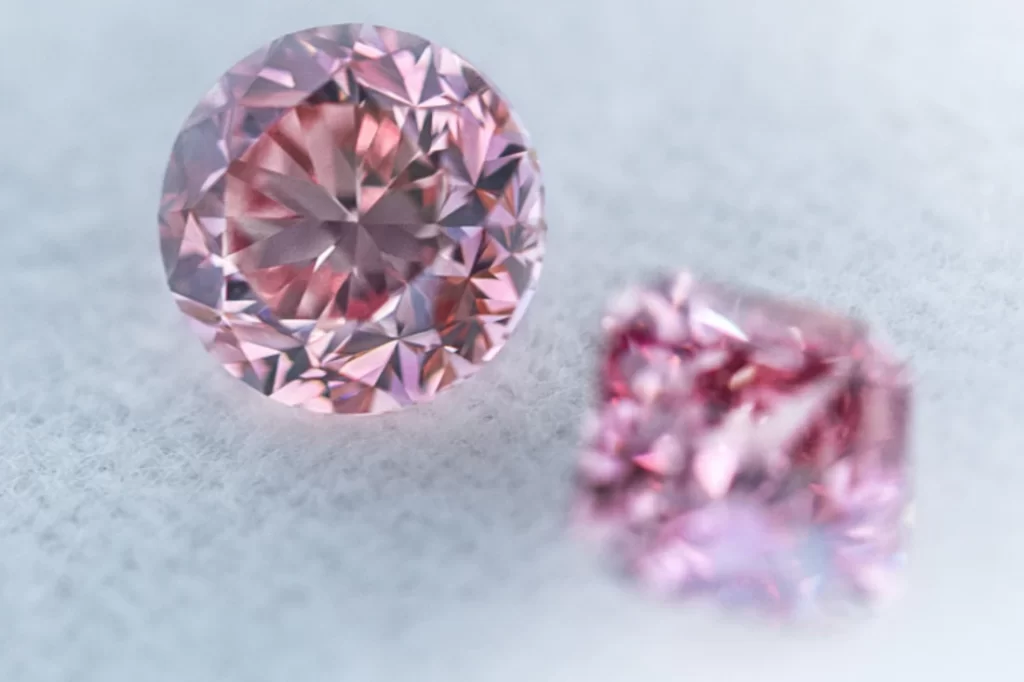
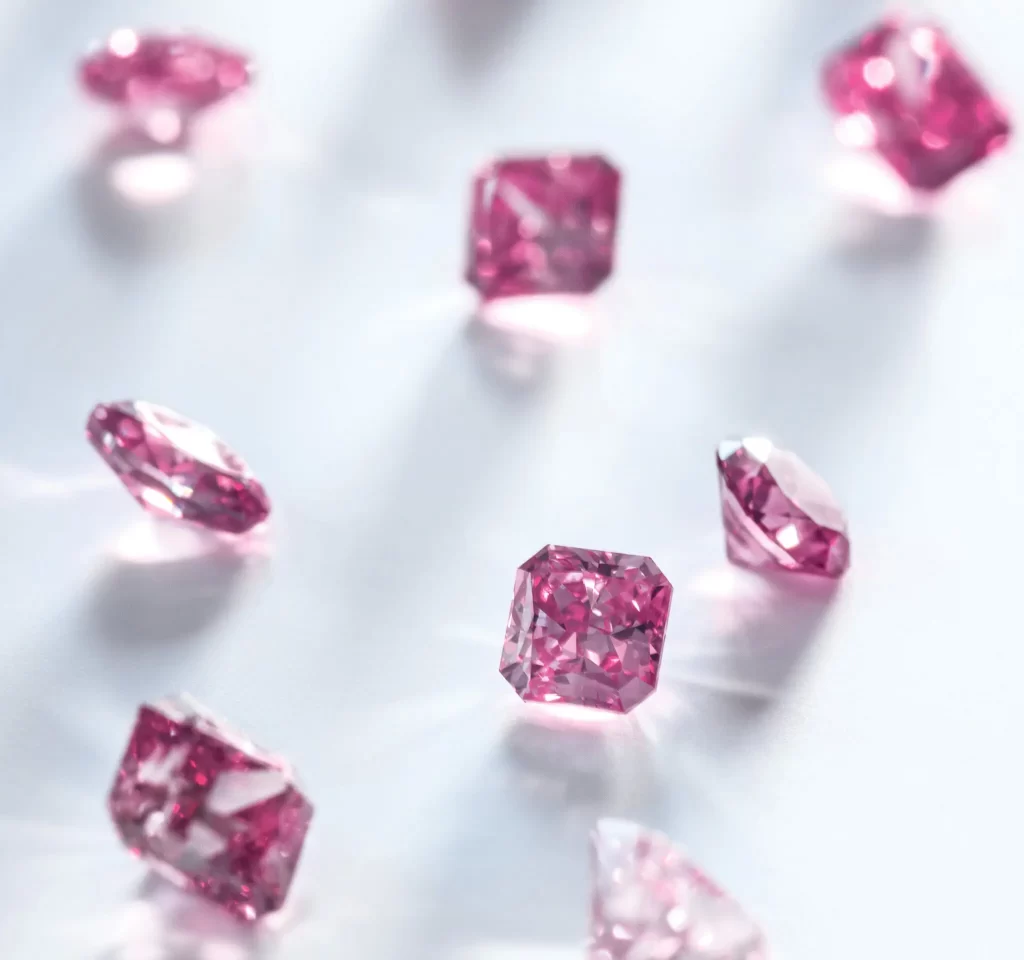
British luxury jeweller Boodles has strengthened its position in the highly exclusive world of fancy coloured diamonds after acquiring the remaining inventory of Argyle Pink Diamonds from Rio Tinto, together with ownership of the iconic Argyle Pink Diamonds brand.

The agreement gives Boodles control of the brand, associated trademarks, website and digital assets, as well as a collection of some of the exceptionally rare pink diamonds produced by the Argyle mine in Western Australia.

For Boodles, the transaction represents much more than the acquisition of a collection of diamonds. It is a long term investment in one of the most recognisable and historically significant coloured diamond brands in the world.

Jody Wainwright, joint managing director of Boodles, described the transaction as a significant, long term investment and said the company intends to release the diamonds gradually over approximately a decade.

“Each one is like a Picasso,” he said, reflecting the extraordinary rarity and individuality of the stones.

The Argyle legacy

The Argyle mine, located in Western Australia’s remote East Kimberley region, became synonymous with pink diamonds and, for decades, supplied more than 90 per cent of the world’s pink diamond production.

Mining ceased in November 2020 after the mine had produced approximately 865 million carats of rough diamonds. Yet only a tiny fraction of that enormous production was pink.

According to Rio Tinto, less than 0.1 per cent of Argyle’s total rough diamond production was pink, illustrating why these stones have become so highly prized.

DCLA has previously examined the extraordinary rarity of pink diamonds and the geological processes responsible for their colour in its article on Pink Diamonds.

The closure of Argyle permanently changed the supply equation for pink diamonds. Unlike white diamonds, where new production continues from mines around the world, there is no comparable source capable of replacing Argyle’s extraordinary output of pink diamonds.

This has transformed existing Argyle pink diamonds into a finite historical inventory.

Boodles has had a long relationship with Argyle pink diamonds. The jeweller purchased its first Argyle pink diamond in 1998 and later participated in the famous annual Argyle Pink Diamonds Tender, where some of the world’s finest stones were offered to a select group of international dealers, jewellers and collectors.

Pink diamonds are extraordinarily rare

Pink diamonds occupy a special position within the coloured diamond market.

Unlike blue diamonds, where the colour is generally associated with boron, or many yellow diamonds, where nitrogen plays an important role, the precise cause of the pink colour is associated with structural distortion within the diamond’s crystal lattice.

The geological forces required to create this distortion are exceptionally unusual.

DCLA’s Diamond Colour Authentication and Advanced Diamond Testing explains the importance of determining whether the colour of a fancy coloured diamond is natural or the result of treatment.

This distinction is critical because natural colour is one of the fundamental characteristics that determines the rarity and value of a fancy coloured diamond.

Pink diamonds from around the world

While Argyle became the world’s dominant source of pink diamonds, it was certainly not the only source of important pink stones.

Some of the most significant and celebrated pink diamonds in history have originated from South Africa, Lesotho, Russia, Canada and other African diamond producing nations.

South Africa has a particularly important place in coloured diamond history. The country’s historic diamond mines have produced exceptional pink and other fancy coloured stones, including some of the world’s most famous diamonds.

One of the most important examples is the extraordinary 59.60 carat CTF Pink Star, which was mined by De Beers in South Africa before being cut and polished into the famous Fancy Vivid Pink diamond. DCLA has previously documented the remarkable history of the Pink Star.

Lesotho has also emerged as an important source of exceptional pink diamonds. The Kao mine produced the 108.39 carat rough crystal from which the remarkable Kao Legend Collection was created, including the 20.49 carat Fancy Intense Purplish Pink Kao Legend.

Canada has produced notable coloured diamonds, while Russia’s Siberian diamond mines have also yielded rare pink stones.

The important point is that exceptional pink diamonds can occur in several geological environments. What made Argyle unique was the extraordinary frequency with which its geology produced pink diamonds and the sheer volume of rare coloured stones recovered during the mine’s lifetime.

Provenance matters

The story of Argyle also demonstrates why provenance has become increasingly important in the world of exceptional diamonds.

A diamond may display characteristics associated with a particular mine, but those characteristics do not necessarily constitute scientific proof of origin.

DCLA recently examined this issue in detail in Where Did My Diamond Come From?, explaining the distinction between a diamond displaying characteristics associated with a particular locality and scientifically establishing its geographic origin.

For Argyle diamonds, however, historical documentation, provenance and the established Argyle brand can add another dimension to a stone’s story.

A finite supply

The closure of Argyle has fundamentally altered the market.

The Fancy Color Research Foundation reported that pink diamond prices had increased by almost 390 per cent between 2005 and the second quarter of 2026.

With no new Argyle production coming to market, collectors and investors increasingly focus on provenance, colour intensity, size, quality and historical significance.

DCLA has followed this market closely, including recent coverage of major pink diamonds appearing at international auctions and the continuing demand for exceptional natural coloured diamonds.

The DCLA Pink Diamond archive provides an extensive history of major pink diamonds, auctions and developments in the market.

The world’s auction houses have repeatedly demonstrated the extraordinary prices that exceptional pink diamonds can command.

The CTF Pink Star, a 59.60 carat Fancy Vivid Pink diamond, remains one of the most famous gemstones ever offered at auction. It achieved HK$553 million, approximately US$71.2 million at the time, at Sotheby’s in Hong Kong in 2017.

However, size alone does not determine the value of a pink diamond. In the world of fancy coloured diamonds, colour saturation, hue, distribution, clarity, cut and provenance can have an enormous influence on value.

A small but intensely coloured pink diamond can therefore be considerably more valuable than a much larger stone with a weaker colour.

Boodles builds on a long association with pink diamonds

Pink diamonds already account for approximately 5 per cent of Boodles’ jewellery production by volume.

The company incorporates them into collections including Raindance, Play of Light and Be Boodles, as well as selected engagement rings.

Boodles is also planning a new high jewellery collection inspired by Australia, with Argyle pink diamonds expected to feature prominently.

The company has also incorporated the history of Argyle into its new London premises at 23 Old Bond Street, including an Argyle Lounge featuring jewellery, historical material and artefacts connected with the mine.

Among the items are examples of the original Argyle colour grading system and materials documenting the history of the mine and its remarkable contribution to the coloured diamond industry.

From mine to museum piece

The Boodles acquisition illustrates an important change taking place in the diamond market.

Argyle pink diamonds are no longer simply newly mined commodities. They are increasingly being viewed as pieces of geological and mining history.

Every Argyle pink diamond that has been recovered is now part of a finite population.

The mine is closed, the geological source cannot be replenished and the world’s remaining Argyle pink diamonds will progressively move from miners and dealers into the hands of jewellers, collectors and private owners.

This gives provenance an increasingly important role.

For the diamond industry, Argyle represents one of the clearest examples of how a mine can become a brand in its own right. The combination of geological rarity, Australian provenance, recognised colour grading and a finite supply has created an identity that extends well beyond the intrinsic characteristics of the individual diamond.

DCLA’s recent article on The World’s Most Valuable Coloured Diamonds explores this broader world of natural fancy coloured diamonds and explains why the rarest colours can command extraordinary values.

Boodles’ acquisition ensures that the Argyle Pink Diamonds name will continue to have a place in the luxury jewellery market.

It also highlights a fundamental truth about exceptional coloured diamonds:

When the source disappears, the diamonds already recovered become part of a finite piece of history.

For collectors, the appeal is therefore not simply owning a beautiful pink diamond. It is owning a small piece of the geological history of the Earth — from a mine that will never produce another Argyle pink diamond.

Monday, 22 September 2025

Rio Tinto ends diamond era with historic final auction

Argyle mine in Australia

Rio Tinto is auctioning its final collection of rare diamonds from its closed Argyle mine in Australia and the soon-to-shutter Diavik operation in Canada. 

The tender, called Beyond Rare, includes 52 lots totalling 45.44 carats and marks the end of an era for two of the world’s most celebrated diamond mines.

The centrepieces are six diamond sets selected to represent the peak of production from the East Kimberley region of Western Australia and the Northwest Territories of Canada. The tender also features 39 individual stones and seven curated sets.

Rio Tinto Diamonds’ general manager of sales and marketing, Patrick Coppens, called the auction a historic moment. “It is hard to overstate the importance of this final collection,” he said in the statement. “No other mining company in the world has custody of such an exquisite range of diamond colours, shapes and sizes.”

Rio Tinto closed Argyle in 2020, ending production of the famed pink, red and violet stones that made the mine world-renowned. Although Argyle accounted for about 75% of Rio’s diamond output, the impact on the company’s earnings was minimal, with diamonds contributing only about 2% of revenue. Diavik, the miner’s last diamond asset, is scheduled to close in 2026.

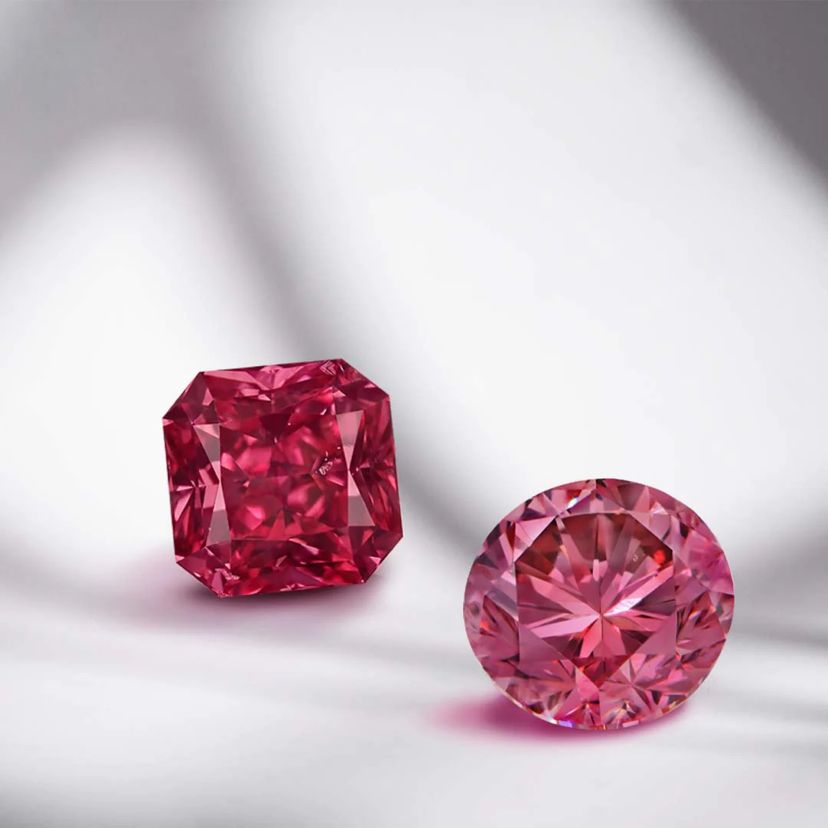
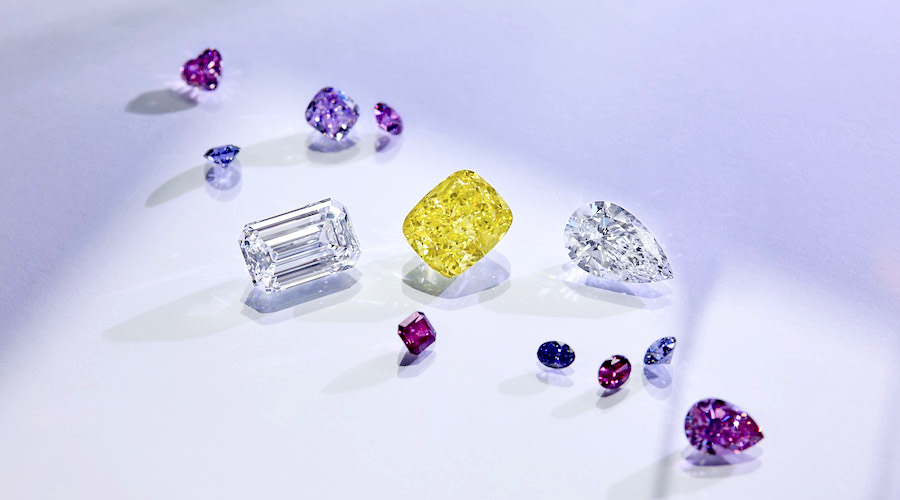
The collection includes one GIA Fancy Red diamond, 12 Fancy Violet, and 76 Fancy Pink and Purple-Pink stones from Argyle’s legacy inventory. From Diavik, highlights include two flawless D-colour white diamonds, an emerald cut weighing 5.11 carats and a pear shape of 3.02 carats. Both of them were cut from the same rough stone. 

Rio Tinto ends diamond era with historic final auction
Collection includes one GIA Fancy Red diamond, 12 Fancy Violet, and 76 Fancy Pink and Purple-Pink stones from Argyle’s legacy inventory.

The tender also features a Fancy Vivid Yellow diamond weighing 6.12 carats.

The diamonds will tour Hong Kong, Australia and Antwerp before bids close on October 20. Industry insiders expect strong competition from top jewellers, collectors and connoisseurs.

Source: Mining.com

Monday, 31 March 2025

Guilty: Deloitte Director Bought Pink Diamonds on Company Credit Card

A former director of the Deloitte auditing company in Australia has admitted claiming almost AUD 2.8m ($1.8m) in fraudulent work expenses to buy pink diamonds, high-end art and other luxuries.

Melbourne, Australia – County court building

A former director of the Deloitte auditing company in Australia has admitted claiming almost AUD 2.8m ($1.8m) in fraudulent work expenses to buy pink diamonds, high-end art and other luxuries.

Paul Quill, 45, used his corporate credit card to make the purchases from 2016 to 2022, passing some of them off as payments for stationary, postage, photocopying and court fees. He admitted two counts of obtaining financial advantage by deception.

The County Court of Victoria, in Melbourne, heard last Thursday (27 March) that among the sums stolen was AUD 682,587 ($429,000) from Joe Gutnick’s Merlin Diamonds, the mining company that was wound up in 2020 after a series of losses.

The court heard that Quill lost control after the breakdown of a relationship. He will be sentenced on 15 April.

He was dismissed in 2022 after his crime was revealed during a routine audit. Deloitte said at the time that it would make sure all clients were repaid in full.

Source: IDEX

Wednesday, 16 October 2024

Rio Tinto buys back famed Argyle pink and red diamonds for latest tender due to dwindling stockpile

Rio Tinto buys back famed Argyle pink and red diamonds

A select few with deep pockets are rolling into Perth to snap up the latest collection of Argyle diamonds, as unsold inventory of the ultra-rare gems whittles down to a “teaspoon”.

A top secret location in the CBD this week will host prospective buyers from Australia and overseas vying for 76 polished pink, red, and other coloured diamonds — predominantly unearthed at Rio Tinto’s shuttered Argyle mine in the east Kimberley region.

Argyle operated for 37 years up until 2020, and about 95 per cent of the world’s circulation of pink and red diamonds can be traced back to the mine.

Each carat of an Argyle pink or red can easily fetch a multi-million-dollar sum. Earlier this year a 1.56ct Argyle red sold for $US4.3 million ($6.4m) in Geneva, equating to $US2.7m a carat. One of the pinks in the latest collection weighs 2.63ct.

But not all of the famed gems sold are destined for an extravagant jewellery piece, with many opting to keep their purchase locked away in a vault as an investment.

“We have seen double digit price growth year on year for the past 20 years . . . and we seeing demand continue unabated for these stones,” Rio Tinto diamond sales and business development manager Michelle Sherring told The West Australian.

“The constrained supply means the value of pink diamonds has eclipsed any kind of comparable equity indices, like the Dow Jones and Hang Seng et cetera, over the years.”

Since mining ceased at Argyle Rio has touted each of its annual tenders for the diamonds as being one of the last.

“We now have a mere teaspoon (of unsold Argyle pinks and reds) remaining within our own inventory,” Ms Sherring said.

Stockpiles are now so low that for the first time ever the collection includes diamonds Rio has bought back from customers.

“Including the secondary market is a new concept for this year, we have very strong relationships with our long running customers,” Ms Sheering said.

“So I approached a handful of them at the beginning of the year in terms of the concept and we have over these years understood where some of the important diamonds sit and which safes they might be held in.

“It was a process of curation, and ultimately, what we have is a set of seven round diamonds which represent the real pinnacle of rarity.”

Of the 76 stones in the latest collection, 74 are from Argyle — the pink, red and blue diamonds — while the remaining two are a yellow and white diamond sourced from Rio’s Daivik mine in Canada.

Rio is displaying the collection — comprising 48 separate lots and weighing a combined 39.44 carats — on an invite-only basis in Perth, London, Singapore and Belgium. Bids for the tender will close on November 18.

Murray Rayner, who was previously the chief geologist for Argyle Diamonds, last year told The West that the existence of Argyle’s pink diamonds was due to a “fluke of nature” that will be extremely difficult to replicate.

Mr Rayner said the pink diamonds emerged around 1.8 billion years ago when the Kimberley collided into Australia, bringing pink diamonds closer to the Earth’s surface.

These pink diamonds were originally created at one point three billion years ago when our planet’s once-connected continents began to rip apart, with the intense pressure from this event causing the pink colouration in the diamonds.

“To find another deposit would be an extraordinarily rare event in its own right, we’ve looked over the last few decades without any success,” he said.

Source: DCLA

Friday, 9 August 2024

One of the Last Argyle Pinks Leads Online Auction

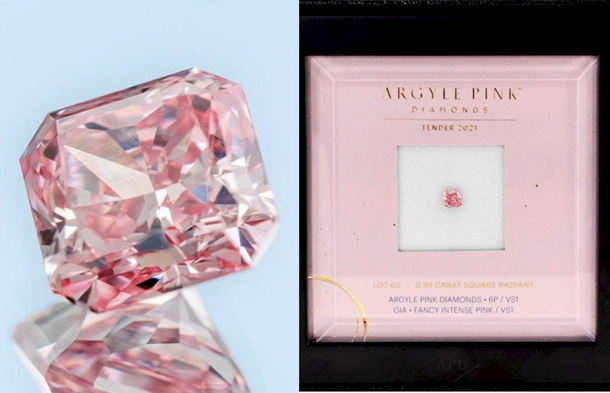
0.94 carat Argyle Pink

A loose 0.94 carat Argyle Pink – one of the last recovered from the iconic mine in Western Australia – is being sold at auction.

It is the highlight of a 416-lot online event (ending 11 August), featuring many items that belonged to Graham Jackson, former owner of Loloma Jewellers, located in Townsville, Australia, who died aged 92 in May.

The cushion cut fancy intense VS1 gem is designated as 6P – 6/10 for intensity of hue and P for pink as the dominant hue.

It was sold at the 2021 Argyle Pink Tender-Rio Tinto’s Final Collection, the last tender from the mine, which closed in November 2020 after 37 years, during which it produced 90 per cent of the world’s pink diamonds.

The stone is being sold by Sydney-based First State Auctions, with an estimate of AUD$700,000 to AUD$800,000 (US$455,000 to U$520,000).

Last January Tiffany & Co. has bought a parcel of 35 Argyle pinks – from 0.35 carats to 1.52 carats – for “select clients”.

Source: DCLA

Monday, 5 August 2024

Fancy Color Diamond Prices: First Drop in Almost Four Years

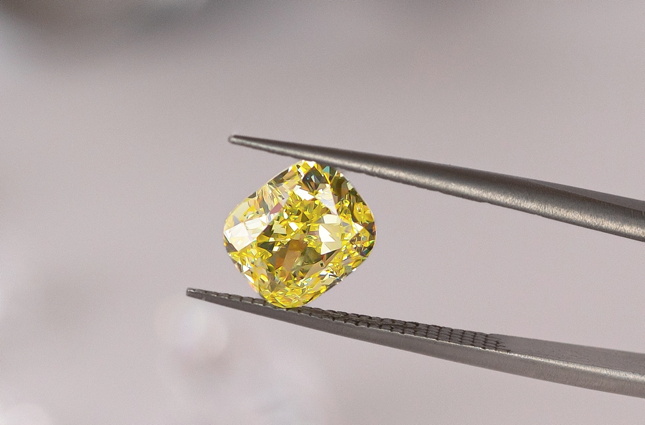
Fancy yellow diamond
Fancy yellow cushion cut diamond

The Index tracking fancy color diamond prices fell during the last quarter, for the first time in almost four years.

The Fancy Color Diamond Index, which monitors pricing data for of all sizes and intensities of fancy color diamonds, fell by 0.7 per cent during Q2 2024, according to an update published yesterday (30 July) by the Fancy Color Research Foundation (FCRF).

The last recorded fall was back in Q3 2020 – in the depths of the Covid crisis – when the Index also fell by 0.7 per cent. That came after two quarters when sales were too slow for the FCRF to produce figures at all.

The trend over the last year or so has been of slower growth. The Index was up 1.3 per cent in Q1 2023, followed by +0.5 per cent (Q2); +0.4 per cent (Q3); +0.1 per cent (Q4) and +0.1 per cent (Q1 2024).

The New York-based FCRF played down the Q2 dip, describing it as “a minor fluctuation when compared to broader market movements”.

It said in a statement: “This stability is particularly evident relative to the sharper declines in the white diamond market and the Dow Jones index, which fell by 3.6 per cent and 1.7 per cent respectively during the same period.

Yellow diamonds (all sizes, all intensities) suffered the biggest drop, down 1.7 per cent. Pinks and blues were both down 0.3 per cent.

The FCRF said its Index had enjoyed an overall increase of 211 per cent since it began compiling data in 2005. During that time it said the price of yellow diamonds had risen by 56 per cent, pinks by 398 per cent and blues by 248 per cent.

Source: DCLA

Monday, 8 May 2023

Tiffany’s tickled pink to be grabbing the world’s last Argyle diamonds

Tiffany’s

“This is truly once in a lifetime,” says the jeweller’s chief gemologist of the 35 sparklers acquired from the now-closed mine in the Kimberley.

Vicky Reynolds wants to take you on a date with a diamond.

Reynolds, Tiffany & Co’s chief gemologist, has had the enviable task of chaperoning the final 35 Argyle diamonds sold around the world, meeting with potential buyers and discussing exactly how these incredibly rare and exceptional gemstones will be used.

It is, she says, “the stuff my dreams are made of. This is truly once in a lifetime.”

Reynolds has worked with New York-based Tiffany & Co since 1987 – almost as long as the Argyle diamond mine, owned by Rio Tinto, operated in Western Australia’s East Kimberley region (it opened in 1983). When the mine closed in 2020 due to finite resources, the final annual tender – ordinarily a highly anticipated and prestigious event on the gemstone calendar – was considered the hottest ticket going.

The Argyle mine produced 90 per cent of the world’s pink diamonds, and each year, only 50 to 60 were ever offered in an invitation-only tender process. So when Rio Tinto rang Reynolds after the tender, to offer Tiffany and Co a further 35 diamonds noted for their vivid pink and purple colour, she jumped at the chance.

Source: DCLA

Thursday, 4 May 2023

 Rio Tinto unveils Argyle Rose heirloom piece

The Argyle Rose. Image from Rio Tinto.

Rio Tinto has unveiled the latest heirloom piece of Argyle Pink Diamonds jewellery, featuring one of the last diamonds to be mined from the iconic Argyle mine in the East Kimberley, Western Australia.

Mining ended at Argyle in November 2020, after 37 years of uninterrupted production, during which the mine became the source of about 90% of the world’s prized rose-to-magenta hued stones. The mine produced more than 865 million carats of rough diamonds.

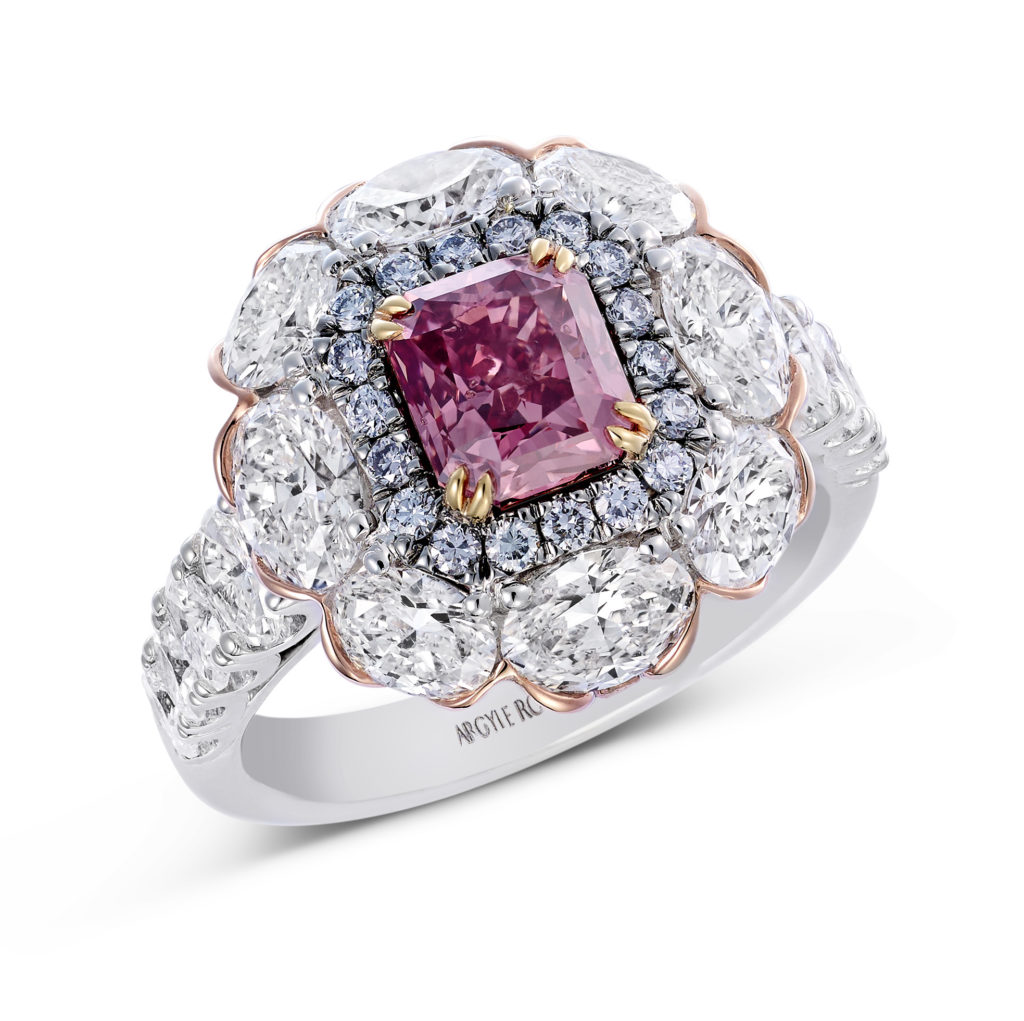
Designed by Western Australian jeweller Solid Gold Diamonds, the Argyle Rose features a total of 3.25 carats of rare Argyle pink and blue diamonds encrusted in a rose motif, surrounded by white diamonds and hand-set in platinum and 18 karat gold.

The heart of this piece is an extremely rare 1.36 carat, Fancy Deep Pink radiant cut diamond. It is just one of twelve radiant cut diamonds over one carat with a colour grading, 1P, from the last 30 years of production from Argyle.

The surrounding petaled design of pink and blue Argyle Diamonds totals 1.89 carats, together with 2.80 carats of white diamonds. The Argyle Rose is for sale at Solid Gold Diamonds in Perth for A$2 million.

“I am delighted to launch the Argyle Rose. Encapsulating a rich history and an extraordinary provenance, it is both a contemporary treasure and an heirloom for tomorrow,” Sinead Kaufman, Chief Executive of Rio Tinto Minerals said in a statement.

“These rare and precious diamonds are one and a half billion years old, from one of the most beautiful places on earth, and the world is simply not producing them anymore.”

Source: DCLA

Monday, 23 January 2023

Tiffany Buys Some of a Legendary Diamond Mine’s Last Finds


 Argyle Diamonds
               Argyle Diamond Mine in Australia.

The new Tiffany Collection comprises 35 gems, including an unusual red stone, from the Argyle Diamond Mine in Australia.

About a year ago, a representative of the Argyle Diamond Mine — a site in Western Australia that was the pre-eminent source of pink diamonds until it closed in 2020 — approached Tiffany & Company’s chief gemologist with an unusual offer: the chance to purchase a collection of diamonds that were among the last stones taken from the mine.

The decision, Tiffany executives said, didn’t require much consideration.

“We had to do it,” Anthony Ledru, the brand’s president and chief executive, said in his bright office in New York’s Flatiron district. “It’s perfect with what we stand for.”

The purchase, which was finalized several months ago, involved 35 diamonds of various shades: pink, almost purple and even one red gem, an especially unusual color for a diamond. The gems, which had already been cut in various styles, “checked off all of those boxes: rarity, scarcity and beauty,” said Victoria Reynolds, Tiffany’s chief gemologist.

But the stones are small, ranging from 0.35 carats to 1.52 carats, considerably more petite than the statement-size gemstones frequently used in engagement rings and solitaire necklaces.

“These are small, there’s no doubt,” Ms. Reynolds said, “but for connoisseurs, collectors who understand how rare these are, it’s incredibly appealing.”

How much did the jeweler pay for what it now calls the Tiffany Collection? Mr. Ledru wouldn’t disclose the sum, but said it was “probably not enough compared to what it’s going to become in the next five, 10 years.” (He did note that it was Tiffany’s largest single purchase of 2022.)

Exactly how the diamonds will be used in jewelry hasn’t been decided, although Mr. Ledru said it was likely that they all would be used in one-of-a-kind designs. In the meantime, the diamonds are being shown to select clients in New York City and, next month, in Doha, the capital of Qatar.

The eventual prices are sure to be high. “You pay a premium for anything that says ‘Argyle pink diamond,’” said Renée Newman, an independent gemologist and author based in Los Angeles.

Source: DCLA

The Diamond You Choose, Natural Rarity or Laboratory Grown Quality

  When the choice is yours, what matters most: rarity, size, beauty or simply the diamond you fall in love with? There was a time when choos...