Showing posts with label Botswana diamonds. Show all posts

Tuesday, 31 March 2026

Botswana to Settle for Smaller De Beers' Stake?

 Botswana De Beers

Botswana may now settle for a minority stake in De Beers rather than seeking majority control, according to a report in The Economist.

It says the government is now pursuing at “least 25%,” which would indicate a significant softening in President Duma Boko’s position.

He has previously insisted, on many occasions, that he wants a controlling stake in the company, framing such a move as a matter of “economic sovereignty”.

The Economist also quotes an unnamed executive at Debswana – the government’s joint venture with De Beers, as saying: “It probably doesn’t make sense to go all out.”

Botswana currently owns 15% of the loss-making diamond miner, which is being sold by parent company Anglo American.

In December 2025, the IMF cautioned against Botswana’s plans to increase its stake, given the country’s struggling economy.

The president rejected that call in no uncertain terms saying it was for the people of Botswana to decide, not the IMF.

“It’s our people who are running this country, and we said we want De Beers, and we are going to take it,” he said.

Angola’s government has also expressed an interest in acquiring a significant stake in De Beers, and Namibia is also a potential bidder.

Experts believe the most likely outcome will be that a consortium or private investors will buy a controlling stake, and African governments including Botswana will hold minority shares.

Source: DCLA

Wednesday, 25 March 2026

Botswana seeks to raise debt ceiling to weather diamond market downturn

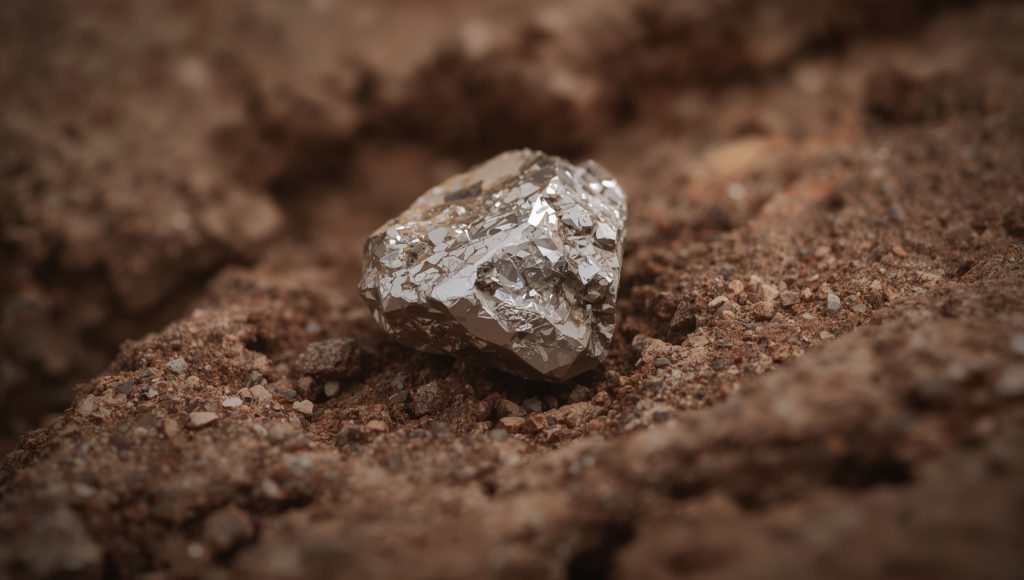
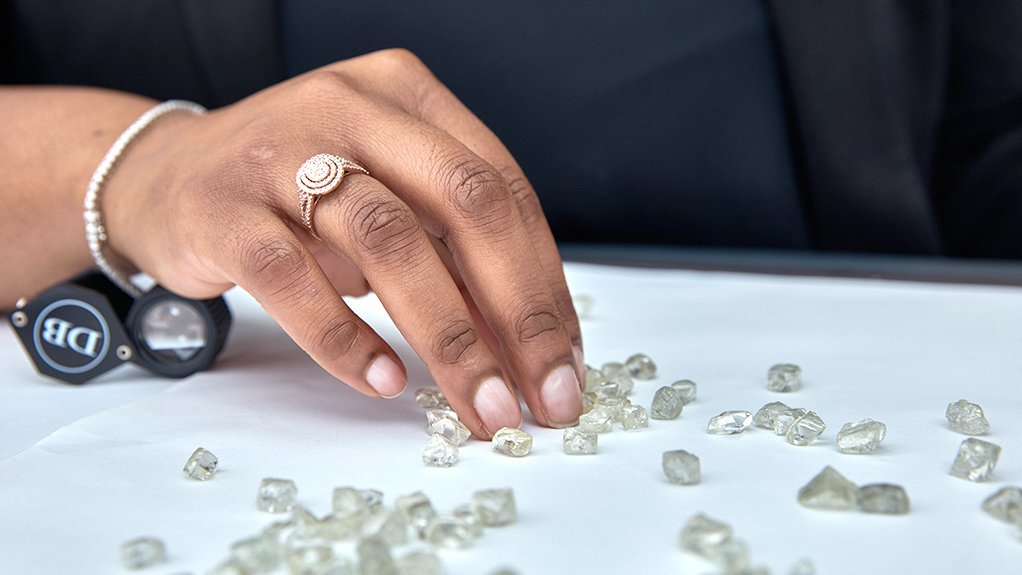
 Natural rough diamond embedded in rock, mineral extraction challenge

Natural rough diamond embedded in rock, mineral extraction challenge

Botswana’s finance minister sought parliamentary approval on Wednesday to raise the country’s statutory debt ceiling from 40% to 60% of gross domestic product, as a prolonged downturn in the global market for diamonds has pressured public finances.

Ndaba Gaolathe said the proposal was aimed at giving the government flexibility during periods of economic stress, such as the one it is going through now.

The diamond market downturn has hit the southern African country hard, with two successive economic contractions in 2024 and 2025. Botswana had been viewed as an economic success story, partly because of its low public debt.

Raising the debt ceiling “does not imply immediate borrowing up to that level but rather establishes prudent headroom,” Gaolathe told lawmakers.

In last month’s budget, he said Botswana was expected to breach a debt-to-GDP ratio of 40% in the fiscal year that starts in April.

Late last year International Monetary Fund staff recommended raising the debt ceiling to 50% of GDP to give fiscal space to respond to economic shocks.

S&P Global this month downgraded Botswana’s sovereign ratings, saying diamond market weakness would weigh on its economy for longer than expected.

Diamonds typically account for about a third of Botswana’s national revenue and 75% of its foreign-exchange earnings.

Source: DCLA

Tuesday, 24 March 2026

DCLA News | Botswana Doubles Down as Diamond Supply Tightens and Demand Strengthens

 Botswana Doubles Down as Diamond Supply Tightens

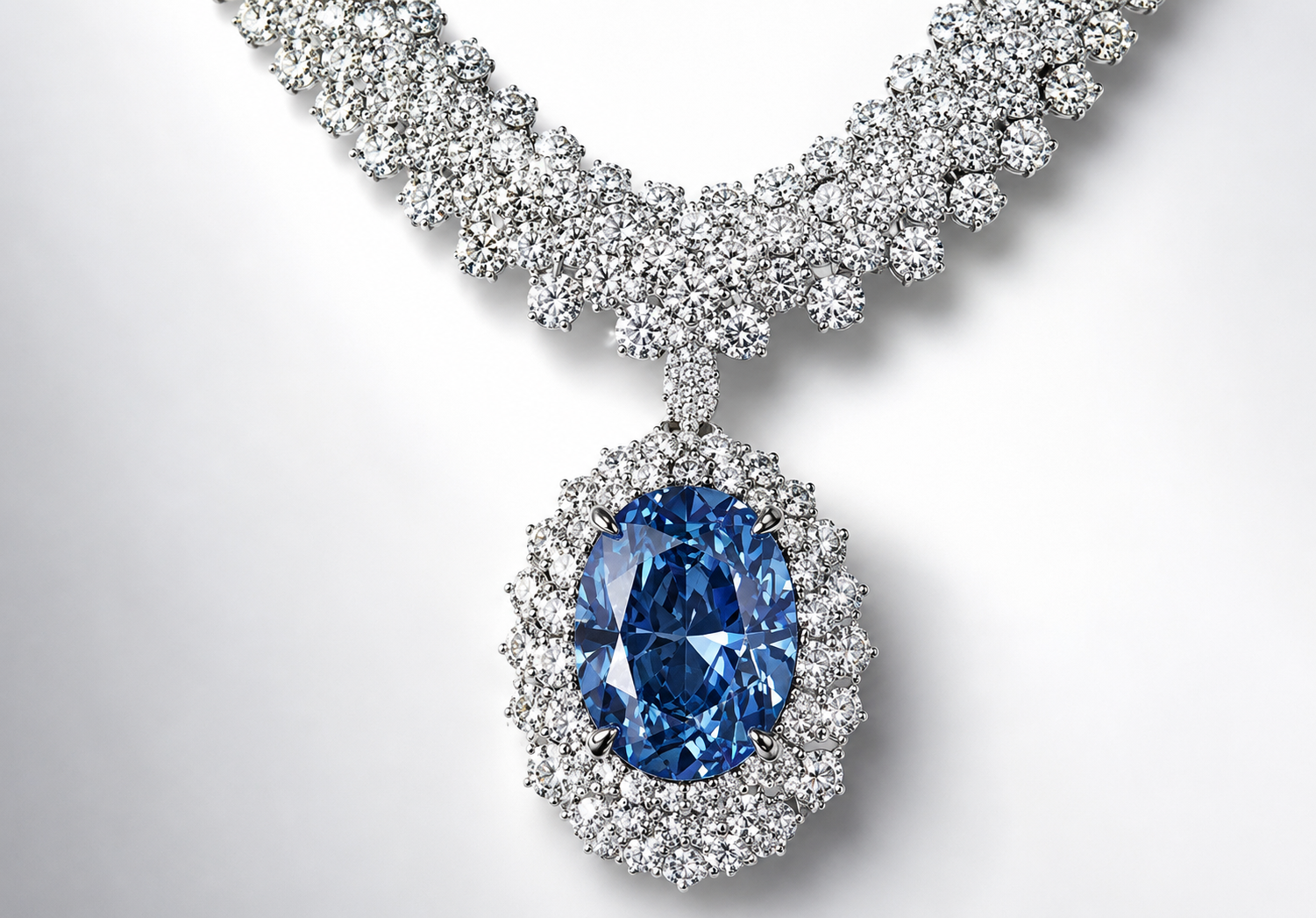
The diamond pendant worn by Bogolo Kenewendo at a recent Cape Town mining conference was more than a personal statement it symbolised Botswana’s unwavering commitment to the very resource that transformed its economy.

For decades, De Beers has been synonymous with Botswana’s rise, helping elevate the nation into one of Africa’s most prosperous economies. Now, Botswana is preparing to deepen that relationship, signalling intentions to increase its existing 15% stake in the iconic diamond firm a bold move that underscores its long-term confidence in the sector.

Supply Tightens as Market Shows Early Recovery

At the same time, signs of recovery are emerging across the global diamond market. Russian mining giant Alrosa has reported price increases of between 6% and 9% on rough diamonds since the start of the year, with the strongest gains seen in the high-value 2 to 10 carat segment a category that represents roughly 80% of its production value.

According to CEO Pavel Marinychev, the market for larger stones — particularly those above 3 carats — has stabilised, with tightening supply now becoming increasingly evident. Price improvements, initially modest in January, have accelerated through February and March, with nearly half of Alrosa’s regular assortment seeing upward revisions.

Global Production Faces Structural Decline

Looking ahead, the supply side of the diamond industry is under significant pressure. Alrosa forecasts that global diamond production will fall below 100 million carats by 2026 the lowest level in two decades.

This decline is being driven by a combination of resource depletion and operational cutbacks. Alrosa itself has already suspended output at several smaller projects, while major deposits are reaching the end of their lifecycle. Notably, the Diavik Diamond Mine, operated by Rio Tinto, is approaching closure, with other Canadian mines expected to follow.

The result is a growing scarcity of large, high-quality stones a dynamic that could underpin prices in the years ahead.

Auction Market Confirms Demand for Rarity

Further evidence of resilience in the diamond market comes from the secondary sector. Christie’s New York recently reported strong results from its “Jewels Online” sale, which achieved $8.5 million and exceeded expectations by reaching 131% of its low estimate.

Among the highlights was a 10.02-carat D-colour, internally flawless Type IIa diamond ring by Tiffany & Co., which sold for $521,000. Another 10.03-carat D-colour Type IIa diamond achieved $508,000 significantly above its estimate.

Provenance also played a key role, with a historic jewellery set from Elizabeth Taylor’s collection selling for over seven times its low estimate.

Christie’s noted strong global participation, with buyers spanning the Americas, Asia-Pacific, and EMEA regions reinforcing the enduring demand for rare, high-quality, and well-documented diamonds.

Strategic Outlook

Botswana’s move to increase its exposure to De Beers is not without risk but it is a calculated one. With global supply tightening, major deposits depleting, and demand for exceptional stones holding firm, the country is effectively positioning itself to capture greater long-term value from a shrinking resource base.

For the global diamond trade, the message is clear: scarcity is returning and with it, the potential for renewed price strength, particularly at the top end of the market.

Source: DCLA

Tuesday, 17 March 2026

LUCARA RECOVERS EXCEPTIONAL 36.92 CARAT BLUE DIAMOND FROM KAROWE


36.92 CARAT BLUE DIAMOND

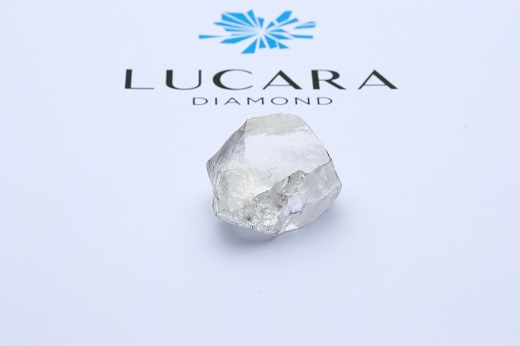
Lucara Diamond Corp. has announced the recovery of a remarkable 36.92 carat blue diamond from its wholly owned Karowe Diamond Mine in Botswana further reinforcing Karowe’s reputation as one of the world’s most prolific sources of rare and high-value diamonds.

The newly recovered stone is described as a high-quality Type IIb blue diamond, a category renowned for its extreme rarity, boron content, and exceptional optical properties. The diamond was recovered using X-ray Transmission (XRT) technology from stockpiled ore, highlighting the continued value embedded within Karowe’s surface material.

In addition to this notable discovery, Lucara reports that five diamonds exceeding 100 carats have been recovered year-to-date from the processing of stockpiles. These results underscore the consistent recovery profile of large, high-quality stones from the Karowe resource.

William Lamb, President and CEO of Lucara, commented that the recovery of this exceptional blue diamond further demonstrates the unique nature of the Karowe asset. He emphasised that such finds validate the strategic importance of stockpile processing as a meaningful contributor to ongoing production.

Since commencing operations in 2012, Karowe has established itself as a leading producer of large, high-value Type IIa diamonds. The mine remains the cornerstone of Lucara’s operations and future growth strategy.

Looking ahead, Karowe is undergoing a significant transition from open-pit to underground mining through the development of the Karowe Underground Project (UGP). This expansion is designed to unlock access to the highest-value portions of the orebody. Underground development ore is expected to begin supplementing stockpile feed by 2027, with full-scale underground production targeted for the first half of 2028.

This latest recovery not only highlights the enduring value of Karowe’s resource but also reinforces Botswana’s standing as a premier origin for some of the world’s most extraordinary diamonds.

Source: DCLA

Wednesday, 25 February 2026

Botswana Diamonds rebrands, targets copper

 Botswana Diamonds rebrands

Botswana Diamonds (LON: BOD) will rebrand as Botswana Minerals and trade under the new ticker BMIN from February 27 as it expands into copper exploration to cut exposure to a prolonged downturn in the diamond market.

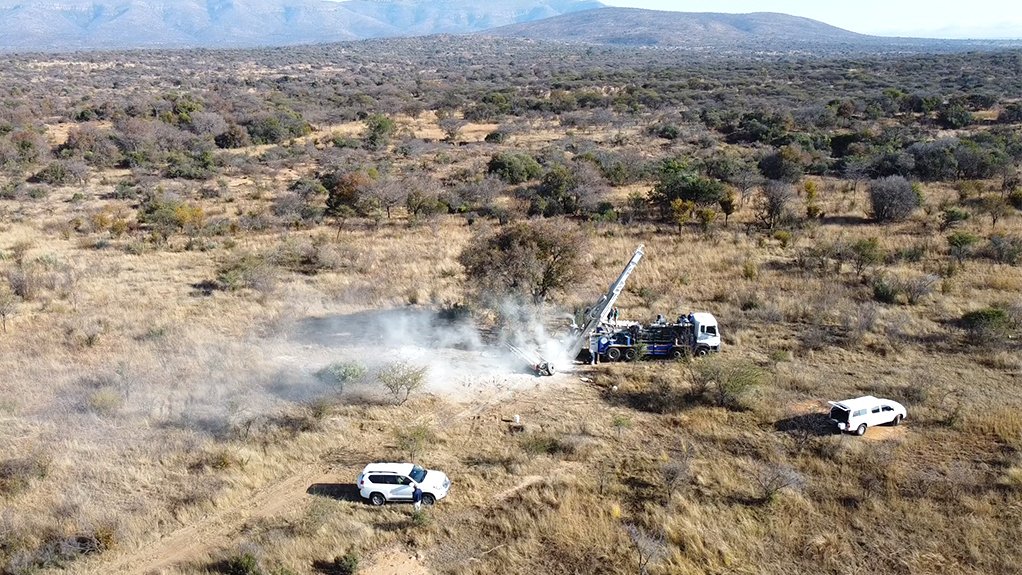
The name change follows a strategic review driven by an advanced artificial intelligence model applied to the company’s 95,000 sq km geological database, which includes 375,000 km of geophysical data. The analysis identified significant opportunities beyond diamonds, prompting the board to broaden its focus.

After initially assessing diamond prospectivity, the AI model highlighted additional highly prospective areas. The company secured new diamond licences and defined several drilling targets, with work programs under way to advance drill-ready prospects across the portfolio.

Chairperson John Teeling said Botswana remains one of the world’s premier mining jurisdictions. “Botswana is a top location for exploration, geologically, politically and economically. We have historically focused on diamonds, where we hold highly prospective exploration ground. However, the diamond industry is currently out of favour with investors,” he said.

The global diamond sector faces both technological disruption and a cyclical downturn. Lab-grown stones are expected to dominate the lower end of the market, while large, high-quality natural diamonds remain rare and in demand. Botswana is one of the world’s leading producers of large, rare diamonds, with the sector accounting for about one-third of national revenue and roughly 75% of foreign exchange earnings.

Copper push
After searching for diamonds, the AI team applied the model to other minerals and identified 11 copper target areas. The company applied for the most prospective ground and secured eight copper licences. Teeling said the analysis revealed “strong copper prospectivity, a metal with a very robust future.”

Botswana Minerals has launched a two-stage work program to define and prioritise drill targets across its copper portfolio. It said the newly granted licences have attracted significant third-party interest.

Copper’s long-term outlook is supported by its central role in electrification and the global energy transition, as demand rises amid US and China efforts to secure supply chains for clean energy and high-tech industries. Botswana is positioning itself as an emerging copper producer and continues to promote its exploration-friendly credentials.

The company said the rebrand reflects its expanded strategy while maintaining exposure to both diamonds and copper in a country it considers strategically important for future mineral supply.

Source: DCLA

Wednesday, 11 February 2026

Botswana's State-owned diamond company turns to contract sales to manage tough market

 Okavango Diamond Company

Botswana’s State-owned Okavango Diamond Company plans to increase the share of diamonds it sells to contracted buyers as a way to navigate a depressed global diamond market, acting MD Lipalese Makepe said on Wednesday.

Contract diamond sales are more predictable compared with auctions and tenders that are highly competitive and often lead to price volatility.

Surplus supplies, falling demand and the rising popularity of lab-grown diamonds have weighed on rough diamond prices in recent years. Economic slowdown has also led to reduced diamond sales.

Until last year, the state diamond marketing company mainly sold its gems through auctions and tenders because a clause in Botswana’s contract with De Beers had prevented Okavango Diamond Company from directly competing with it.

CONTRACT SALES BEGAN WITH A PILOT LATE LAST YEAR
ODC was able to begin contract sales after the Botswanan government signed a new agreement with De Beers in February 2025.

“We piloted the contracts in November and December with an average of 14 customers,” Makepe told Reuters on the sidelines of an African mining conference in Cape Town. The number of contracted customers has risen to 32, she added.

“We plan to sell about 50% of our Debswana allocation by value,” she added, referring to ODC’s allocation of production from Botswana’s diamond mining company. Initially the plan was to sell 40% by contract.

Makepe said the balance of its allocation will be sold through the normal ten auctions a year and strategic partners as well as citizen-owned companies.

ODC could also pursue special auctions, Makepe said, despite last year’s inconclusive attempt.

The company sold about three-million carats in 2025 from over four-million carats of its allocated supply, according to Makepe, and 2026 sales are likely to be in the same range in line with their allocation from Debswana.

ODC’s rough diamond allocation from Debswana – Botswana’s joint venture with De Beers – increased to 30% from 25% and will reach 40% at the end of the 10-year agreement.

De Beers, the world’s largest diamond company by value, is a unit of Anglo American, which has been seeking to sell it ahead of its mega merger with Canadian miner Teck Resources.

Anglo American CEO Duncan Wanblad, also speaking on the sidelines of the Indaba conference, told Reuters he was prioritising the sale, most likely to a consortium given the lack of big strategic diamond players in the current market.

Source: DCLA

Tuesday, 20 January 2026

Botswana’s Diamond Stockpile Nearly Doubles as Prolonged Price Slump Pressures Economy

 Botswana’s Diamond Stockpile Nearly Doubles

Botswana’s diamond stockpile has surged to almost double its targeted inventory levels as the global slump in gem prices shows little sign of easing, underscoring the mounting pressure on the world’s second-largest diamond-producing nation by volume.

According to Botswana’s Ministry of Finance, the country held an estimated 12 million carats of diamonds at the end of December 2025, nearly twice the government’s allowable inventory threshold of 6.5 million carats. The elevated stockpile reflects weak demand, subdued pricing, and limited scope for increasing production in the near term.

Botswana’s economy is forecast to contract by nearly 1% in 2025, following a 3% decline in 2024, with the downturn largely attributed to the collapse in diamond prices. The market has been weighed down by a surge in lab-grown diamond supply, cautious consumer spending, and softer demand across key luxury markets.

The price weakness has already had tangible operational consequences. Debswana, the 50:50 joint venture between the Government of Botswana and De Beers that accounts for roughly 90% of the country’s diamond sales, was forced to temporarily suspend production at several mines last year in response to unfavourable market conditions.

Despite these challenges, Botswana produced 18 million carats in 2024, second only to Russia, according to data from the Kimberley Process Certification Scheme. However, the finance ministry cautioned that elevated inventory levels will limit any meaningful increase in output until stockpiles are reduced closer to minimum allowable levels.

“This suggests that, over the short term, production is expected to remain broadly unchanged, until inventories are drawn down, creating room for additional production,” the ministry stated in its 2026/27 Budget Strategy Paper. As a result, economic growth will remain constrained unless the non-mining sectors deliver stronger performance.

Diamonds remain the backbone of Botswana’s economy, typically contributing around one-third of national revenues and approximately 75% of foreign exchange earnings. However, external pressures are compounding domestic challenges. Botswana’s diamond exports to the United States are now subject to a 15% tariff, while the prospect of higher tariffs in other major consuming markets, including India, risks prolonging the downturn in prices and compressing industry margins.

“These developments may ripple through to mining operations,” the ministry warned, noting that any sustained slowdown in diamond production would directly reduce government fiscal revenues.

Reflecting the sharp decline in sales, Botswana’s mineral revenues are projected to fall to 10.3 billion pula ($729 million) in 2025/26, well below the historical annual average of 25.3 billion pula. The figures highlight the scale of the challenge facing both the diamond sector and the broader economy as Botswana navigates a prolonged period of market weakness.

For the global diamond industry, Botswana’s swelling stockpile serves as a stark indicator of the structural pressures reshaping the market — from shifting consumer preferences to the growing impact of lab-grown alternatives — and reinforces the importance of restoring balance between supply and demand.

Source: DCLA

Tuesday, 6 January 2026

Lucara Advances Karowe Underground Expansion Despite Global Diamond Market Slump

Lucara Advances Karowe Underground Expansion

Lucara Diamond Corp is moving forward with the underground expansion of its flagship Karowe mine in Botswana, reaffirming long-term confidence in natural diamonds despite a challenging global market backdrop.

An updated feasibility study has confirmed that the underground project is expected to recover approximately 4.5 million carats over a 10-year mine life, extending Karowe’s production through to 2038. The study strengthens Lucara’s strategy to invest counter-cyclically at a time when the diamond industry is facing falling revenues, production suspensions, and intensifying competition from lab-grown diamonds.

Open-pit mining at Karowe is scheduled to conclude before June, after which surface stockpiles will continue to be processed while underground development progresses towards commercial production. Underground operations are expected to commence in the first half of 2028.

Lucara President and CEO William Lamb said the company remains focused on Karowe’s unique ability to deliver large, high-value stones. “We look forward to continuing to recover large, exceptional diamonds from the underground project,” Lamb said, noting that Karowe is the only diamond mine in the world to have produced nine diamonds weighing more than 1,000 carats.

The underground expansion carries a pre-production capital cost of US$779 million, of which US$436 million has already been invested over the past five years. The remaining US$343 million is expected to be funded through operating cash flow, supplemented by potential equity or debt financing. Lucara is currently engaging with existing lenders and its major shareholder to evaluate funding options.

The project delivers an after-tax net present value of US$432 million, with Lucara forecasting more than US$1.3 billion in net income over the life of the underground operation.

The mine plan targets the highest-value domain of the South Lobe of the AK6 kimberlite, which continues at depth beneath the existing open pit. The underground mine is designed to sustain a 2.85 million tonne-per-year mining and processing operation as surface mining winds down.

A Proven Source of Exceptional Diamonds

Since production began, Karowe—whose name means “precious stone” in the local language—has established itself as one of the world’s most prolific sources of exceptional diamonds. Notable recoveries include the 1,758-carat Sewelô (2019), the 1,109-carat Lesedi La Rona (2015), and the 813-carat Constellation, also recovered in 2015. The mine has also produced Botswana’s largest fancy pink diamond to date, the Boitumelo.

Despite current market headwinds, Karowe remains one of the highest-margin diamond mines globally, consistently producing around 300,000 high-value carats per year—a distinction that continues to underpin Lucara’s confidence in the project’s long-term fundamentals.

Tuesday, 14 October 2025

 De Beers Sale: Botswana Plus One or Two Buyers

Anglo American

Anglo American CEO Duncan Wanblad says the sale of De Beers will involve one or two shortlisted buyers alongside the government of Botswana, rather than the usual two-round selection process.

Wanblad (pictured) told the Financial Times Metals and Mining Summit (held in London and virtually): “This isn’t going to be the classical first round, second round sale process that you would ordinarily receive for businesses of this type.

“What we are planning to do is now move into the second round with one or two of the potential selected buyers that came through the first round with us and work with the government of Botswana in finalising an agreement that works not only for the potential buyers, but also for Botswana.”

Anglo is expected to raise $3bn to $4bn from the sale of its 85 per cent stake in the loss-making diamond miner. The remaining 15 per cent is owned by the government of Botswana, which wants to secure a majority holding, and to do so by the end of this month.

Angola’s state-owned mining company Endiama has submitted a fully financed offer for a minority stake, as part of a pan-African proposal, which would include Botswana, Namibia, and South Africa.

Former De Beers CEOs Bruce Cleaver and Gareth Penny are leading bidding consortia and there is speculation about interest from Qatari and other Gulf investors.

Source: DCLA

Monday, 13 October 2025

Major opportunity for the diamond business to return to old strengths, says luminary

Major opportunity for the diamond business

Botswana is seeking a greater interest in De Beers, and Angola is seeking an interest too. To the mind of diamond luminary Martyn Charles Marriott, this could be an opportunity to return to old strengths and disciplines.

In an article on the website of the International Diamond Manufacturers, Marriott cautions Botswana about going it alone and falling into the trap of yet again putting all its eggs into one basket.

Marriott notes that the current deal Botswana has with De Beers is fantastic in that 80% of mine profits go to Botswana – a level that far surpasses anything in the mining industry anywhere in the world.

Marriott expresses the view that the debate now under way about the future of De Beers presents an opportunity for a return to the discipline and control of the natural diamond market.

Many recall that the best economic viability of the diamond industry took place in the days when it had a stockpile and a quota approach, which kept supply and demand in crucial balance.

In addition, large sums were spent on unforgettable advertising campaigns and the entrenchment of the global diamond engagement ring tradition.

Collaboration is what gave diamonds their old strength; fragmentation is what is causing their current weakness.

Marriott recalls how collaboration led to flow of alluvial diamonds from West Africa being absorbed by the diamond buying offices that were created at source. In addition, Russia recognised the way in which the collaborative approach was good for everyone, from diamond miners through to diamond cutters, diamond traders, and diamond consumers.

It was Marriott, as the then manager of De Beers Dicor, who persuaded the government of Sierra Leone about the benefits of collaboration. This was ahead if his departure from De Beers, which coincided with the discovery of diamonds in Botswana, where he played a key consultancy role from 1970 to 1983.

It was then that Botswana was persuaded that the Central Selling Organisation system could uplift its economy – but with the caveat that the diamonds had to be properly sorted and valued, and production at Botswana’s Orapa was increased to a level that helped Botswana secure a favourable quota. It was also Marriott who initially proposed that the future development of the mines in Botswana should be by an equally shared 50/50 company.

For more than a dozen years, Marriott was a member of Botswana’s negotiating team with De Beers, which secured the very high level of profits that would accrue to the Botswana government from the development of its diamond mines. During the joint development of Jwaneng, he coordinated Botswana’s inputs into the project.

Interestingly, in 1980, even the Australians were persuaded about the merits of the Central Selling Organisation for the Argyle mine.

From 1985 through to the end of the century, Marriott was heavily involved in the restoration of the Angolan diamond industry, as consultant and valuer to Endiama, the article in on the website of International Diamond Manufacturers recalls.

In this instance, as production in Angola was then small, Marriott initially advocated sales by tender amid the build up a successful sales procedure that was eventually undermined by corruption.

The establishment of the Kimberley Process also came about with Marriott help, but unfortunately, in 1986, the diamond world began to disrupt. Argyle and De Beers ceased their cooperation. The Russians became increasingly independent, and Canadian mines opted to market their production separately.

Now synthetic diamonds are adding to the competition.

Meanwhile, Martyn’s two sons, Luke and Benjamin Marriott, are continuing worldwide valuing and have developed eValuer, a system of pricing and valuing diamonds.

“I relate all the above to demonstrate the experience that leads me to write this article concerning a possible future for the natural diamond industry based on cooperation between the African producers,” Marriott writes.

“I must admit that I found no enthusiasm for my ideas for African cooperation during my time working for the Government of Botswana. Moreover, at the end of my work there, I was at odds with its policy. I did not believe in the move towards local processing. I felt it unlikely that local establishments could compete with the industry as it stood, particularly the Indians. I preferred a sovereign wealth fund, further development of the cattle industry, tourism, and concentration on developing other industries. I felt that the pressure on De Beers for local processing could equally well be used on them and Anglo American to develop other industries.

“However, times change. Botswana is seeking a greater interest in De Beers, and Angola is seeking an interest too. To my mind, this could be an opportunity to return to old strengths and disciplines. Some sort of OPEC for diamonds that could provide a basis for the future,” Marriott proposes.

Source: Miningweekly

Wednesday, 8 October 2025

Okavango: “It wasn’t an Emergency Tender”

Okavango Diamond Company

Okavango, Botswana’s state-owned diamond company, says its planned sale of 1m rough carats last month was not “an emergency tender”.

And it says the fact that it didn’t sell a single stone didn’t mean it was a failure. Rather, it was the result of a “deliberate and prudent decision to withhold certain goods”.

The “closed” tender on 25 September was reportedly aimed at raising revenue for the government (something the company denies) which had been severely hit by the slump in demand for natural diamonds. But buyers weren’t prepared to pay the reserve prices.

“Withholding goods in the short term ensures better outcomes for the market,” Okavango Diamond Company’s managing director Mmetla Masire (pictured) said in a statement.

“We will not join the race to the bottom on prices, our focus is on protecting the integrity and enduring value of Botswana’s diamonds.”

It said the tender was scheduled back in July and was part of regular sales management, not a last-minute revenue-raising emergency.

The ad hoc tender was a marked departure from the norm. ODC usually holds about 10 scheduled online spot auctions annually for registered buyers, typically raising at least $60m.

The company now sells 30 per cent of the rough output from Debswana, the 50/50 joint venture between the Botswana government and De Beers.

Source: IDEX

Sunday, 28 September 2025

Botswana: Zero Sales in Emergency 1m-carat Tender

Botswana's state-owned diamond company

Okavango, Botswana’s state-owned diamond company, failed to sell a single stone in an unprecedented “emergency” tender of 1m carats last Thursday 25 September.

The auction was aimed at raising revenue for the government, which had been severely hit by the slump in demand for natural diamonds, but buyers weren’t prepared to pay the reserve prices.

Okavango Diamond Company (ODC) has canceled a number of tenders since November 2024 because of weak demand. It had planned to hold two further ad hoc tenders by the end of this year, but may now have to reconsider.

ODC usually holds about 10 scheduled online spot auctions annually for registered buyers. Last week’s ad hoc tender was a marked departure from the norm.

ODC spokesman Dennis Tlaang said ahead of the tender that it wouldn’t be selling at prices that would have “a negative impact on the market”.

The company now sells 30 per cent of the rough output from Debswana, the 50/50 joint venture between the Botswana government and De Beers.

Source: DCLA

Thursday, 4 September 2025

Lucara Recovers Rare 37-Carat Pink Diamond from Karowe

37-Carat Pink Diamond from Karowe

Lucara Diamond Corp. has announced the recovery of a rare and unusual pink diamond from its Karowe mine in Botswana.

The 37.42-carat stone, classified as a Type IIa, was unearthed in August and is described as near-gem quality with a distinctive bicoloured appearance. While the majority of the diamond displays an intense pink hue, part of the stone appears partially colourless an exceptionally rare feature.

HB Antwerp, Lucara’s cutting and technology partner, described the discovery as “a rare and remarkable find.” Oded Mansori, co-founder of HB Antwerp, noted:
“This stone has the potential to become one of the most important pink diamonds ever polished. Its intensely rich coloration is a testament to the geological uniqueness of the Karowe mine, and our expertise in the manufacturing process will ensure its vibrant colour is maximised.”

The recovery underscores Karowe’s reputation as a consistent source of exceptional diamonds. Also in August, Lucara recovered a 1,019.85-carat non-gem-quality diamond, the third stone of more than 1,000 carats to be found at Karowe in 2025. This brings the total number of diamonds over 1,000 carats from the mine to nine.

Both diamonds were recovered from the EM/PK(S) section of the deposit using Lucara’s Mega Diamond Recovery (MDR) unit, an advanced X-ray transmission system installed in 2017 to identify and preserve large stones. The MDR is credited with detecting several of Karowe’s most significant recoveries, including the 2,492-carat diamond discovered in August 2024—the second-largest rough diamond ever found.

Meanwhile, Lucara has announced a $10 million drawdown from its $63 million standby loan facility with Nemesia, its largest shareholder, to address short-term funding needs for the Karowe underground expansion project. The $683 million project, now scheduled for completion in the first half of 2028, is expected to extend the mine’s life to at least 2040.

Lucara President and CEO William Lamb said the arrangement reflects the company’s commitment to financial prudence while advancing the underground project.
“This funding mechanism demonstrates the continued confidence and support of our major shareholders in Lucara’s long-term strategy and in the exceptional value potential of the Karowe mine, including the ongoing recovery of some of the world’s most significant diamonds.”

Source: DCLA

Sunday, 31 August 2025

Lucara Recovers 1,019 Carat Diamond and Rare Pink Type IIa at Karowe Mine

Rare Pink Type IIa Diamond

Lucara Diamond Corp has announced the recovery of two notable stones from its 100% owned Karowe Mine in Botswana during August 2025.

The most significant find is a 1,019.85 carat non-gem diamond, recovered through Lucara’s Mega Diamond Recovery unit. This marks the ninth diamond weighing over 1,000 carats to be recovered from Karowe, and the third such discovery in 2025 alone. In addition, the company reported the recovery of a 37.42 carat near-gem pink Type IIa diamond.

Both stones were recovered from processing EM/PK(S)1 material — the same unit that has produced the majority of the world’s largest recorded natural diamonds.

William Lamb, President and CEO of Lucara, stated that drawing $10 million from the company’s Standby Undertaking with its largest shareholder was a strategic step to ensure financial flexibility during the ongoing Underground Project (UGP) capital programme. He added that the recovery of such exceptional diamonds continues to demonstrate the long-term value potential of Karowe and the ongoing confidence of Lucara’s shareholders.

Thursday, 31 July 2025

US Importers to Pay 37% Tariff on Botswana Diamonds

Botswana Diamonds

The US is almost certain to go ahead and impose a 37 per cent tariff on all goods imported from Botswana, starting tomorrow 1 August.

That is one of the highest rates of tariff being introduced by the US.

Botswana, the world’s second biggest diamond producer after Russia, has been actively seeking dialogue with the US government to reverse or mitigate the tariff, but without success.

Last month President Duma Boko said tariff imposed on Botswana worsened the already bleak future faced by the diamond industry, and were likely to hinder efforts to grow the African economy.

Most of Botswana’s rough diamonds are sold direct to India, Belgium, and the UAE, but goods worth around $500m annually are exported to the US and will be subject to tariffs. Until now diamonds have been zero-rated.

US importers will have to pay a total of 37 per cent in duties. The reciprocal duty includes the 10 per cent baseline duty that was imposed back in April.

The tariff rules for Botswana, and most other countries, are unlike those for India, where the reciprocal tariff is in addition to the baseline 10 per cent.
US-bound diamonds represent a modest slice of Botswana’s total diamond export business, and most of the country’s diamond revenue is not directly affected by the new US tariff.

It is, however, another blow to a country that relies on diamonds for the vast majority of its export revenue, and that has seen foreign sales halve amid the global downturn.

Source: IDEX

Tuesday, 22 July 2025

Botswana President: “De Beers is Not Doing its Job”

Botswana President

Botswana president Duma Boko has criticized De Beers for “not doing its job” in an unusually forthright attack.

“Maybe we should take over and sell them (the diamonds) ourselves,” he told an audience last week on a visit to Lesotho, while lamenting his country’s struggling economy.

His comments come just six months after his government signed a long-overdue 10-year sales and mining agreement with De Beers.

His predecessor Mokgweetsi Masisi had threatened on several occasions to walk away from a deal that has been in place since 1969, as he demanded a greater share of the diamonds.

Boko, who swept to power in a surprise victory last October, was seen as less combative in his dealings with De Beers, and quickly got the deal signed, after Masisi’s delays.

But Boko’s comments last week indicate a growing frustration as Botswana battles poverty and high unemployment.

He said diamonds discovered and recovered in Botswana should benefit Botswana.

“So if the diamonds are there, how is the country broke?” he said.

“Now they’re not being sold. Who is selling them? De Beers. Ah, then De Beers is not doing its job. Maybe we should take over and sell them ourselves.

“That’s what we should do. And that would be deemed very radical.

“But the country needs the money and it has the diamonds and somebody who’s supposed to be selling the diamonds is not doing the job.

“Oh, no, and we are simply sitting on our laurels folding up our arms and hoping beyond hope …

“We will take the diamonds and see what we can do with them. They are ours. These diamonds are ours. And so before the end of this year, something very drastic in that space will happen. If it doesn’t happen, we will die trying. By all means.”

We have approached De Beers for comment.

Source: DCLA

What Will Become of the Final Diavik Diamond?

  Earlier this month, the Diavik Diamond Mine officially ceased operations, drawing to a close a remarkable 23-year chapter in Canada’s diam...