Showing posts with label Botswana diamond news. Show all posts

Monday, 26 January 2026

Botswana Diamonds Secures Eight New Prospecting Licences, Expands into Copper Exploration

 Botswana Diamonds

Aim- and BSE-listed Botswana Diamonds has been awarded eight new prospecting licences covering approximately 7,000 km² in north-western Botswana, marking a strategic expansion into copper exploration, with additional potential for gold and other critical minerals.

The licences, valid until 31 December 2028, were identified through an extensive AI-driven analysis of the company’s 95,000 km² Botswana-focused exploration database. This dataset includes comprehensive geophysical survey information, which highlighted strong prospectivity for copper, alongside indications of gold and energy-transition metals.

The same proprietary AI technology has previously delivered notable success in diamond exploration, identifying six previously unreported kimberlite-prone areas for which Botswana Diamonds also holds licences.

The company said the move into copper reflects ongoing weakness in the global diamond market, combined with robust and growing demand for copper and other minerals critical to the global energy transition.

Botswana Diamonds highlighted Botswana’s stable operating environment and strong geological potential, noting active copper mining and exploration in the country. Established operators include MMG and Sandfire Resources, while exploration activity is also being undertaken by Cobre, which has a joint venture with BHP, as well as Kavango Resources, Galileo Resources and Aterian.

Initial discussions have already commenced with potential partners regarding joint venture opportunities to advance exploration across the newly awarded licences. The company plans to undertake close-spaced geophysical and geochemical surveys to define priority drill targets.

Despite the diversification, Botswana Diamonds confirmed it remains committed to its core diamond strategy and will continue to monitor market conditions and capital deployment into its diamond assets.

Chairperson John Teeling said the latest AI analysis had delivered “exceptional results”, following the earlier identification of kimberlite-prone ground that led to the discovery of six previously unknown anomalies.

“The outcomes were outstanding. We have now secured eight prospecting licences covering many of these areas. Copper and other energy-related minerals are critical to the energy transition for a greener future,” Teeling said on 26 January.

He added that while the diamond market is currently under pressure, the company’s long-term focus on diamonds remains unchanged.

“These market conditions will improve, and this strategy allows us to continue progressing as a mining company while remaining committed to diamonds over the longer term. In the meantime, there has been strong third-party interest in both our technology and our results, creating clear potential to advance these licences efficiently through partnerships and structured exploration programmes,” Teeling said.

Source: DCLA

Tuesday, 6 January 2026

Lucara Advances Karowe Underground Expansion Despite Global Diamond Market Slump

Lucara Advances Karowe Underground Expansion

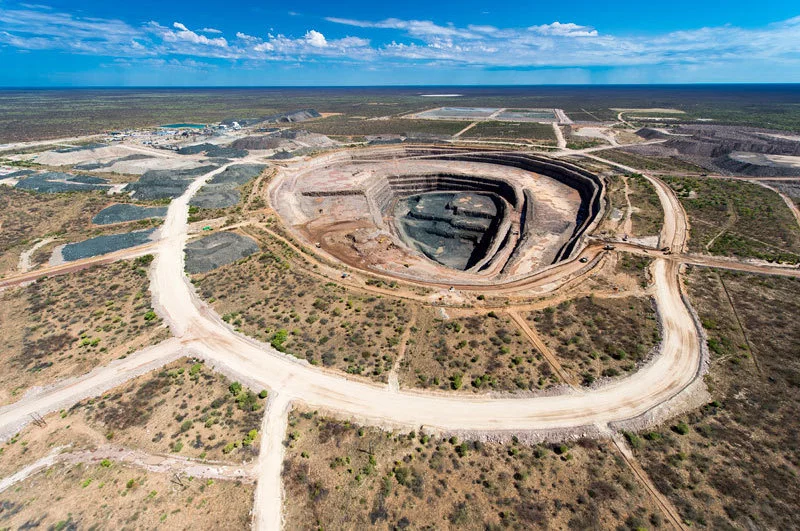
Lucara Diamond Corp is moving forward with the underground expansion of its flagship Karowe mine in Botswana, reaffirming long-term confidence in natural diamonds despite a challenging global market backdrop.

An updated feasibility study has confirmed that the underground project is expected to recover approximately 4.5 million carats over a 10-year mine life, extending Karowe’s production through to 2038. The study strengthens Lucara’s strategy to invest counter-cyclically at a time when the diamond industry is facing falling revenues, production suspensions, and intensifying competition from lab-grown diamonds.

Open-pit mining at Karowe is scheduled to conclude before June, after which surface stockpiles will continue to be processed while underground development progresses towards commercial production. Underground operations are expected to commence in the first half of 2028.

Lucara President and CEO William Lamb said the company remains focused on Karowe’s unique ability to deliver large, high-value stones. “We look forward to continuing to recover large, exceptional diamonds from the underground project,” Lamb said, noting that Karowe is the only diamond mine in the world to have produced nine diamonds weighing more than 1,000 carats.

The underground expansion carries a pre-production capital cost of US$779 million, of which US$436 million has already been invested over the past five years. The remaining US$343 million is expected to be funded through operating cash flow, supplemented by potential equity or debt financing. Lucara is currently engaging with existing lenders and its major shareholder to evaluate funding options.

The project delivers an after-tax net present value of US$432 million, with Lucara forecasting more than US$1.3 billion in net income over the life of the underground operation.

The mine plan targets the highest-value domain of the South Lobe of the AK6 kimberlite, which continues at depth beneath the existing open pit. The underground mine is designed to sustain a 2.85 million tonne-per-year mining and processing operation as surface mining winds down.

A Proven Source of Exceptional Diamonds

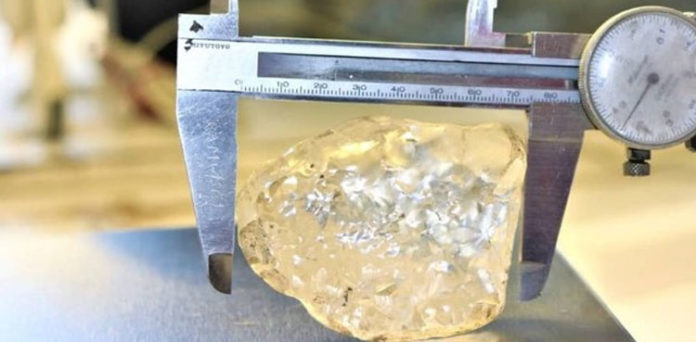
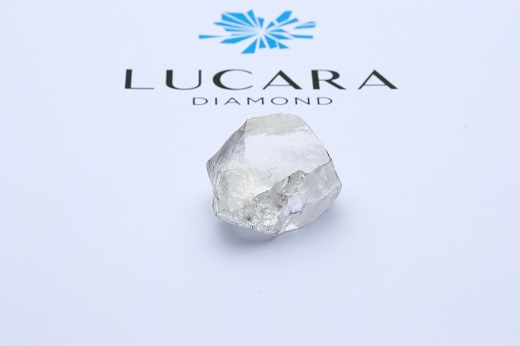
Since production began, Karowe—whose name means “precious stone” in the local language—has established itself as one of the world’s most prolific sources of exceptional diamonds. Notable recoveries include the 1,758-carat SewelĂ´ (2019), the 1,109-carat Lesedi La Rona (2015), and the 813-carat Constellation, also recovered in 2015. The mine has also produced Botswana’s largest fancy pink diamond to date, the Boitumelo.

Despite current market headwinds, Karowe remains one of the highest-margin diamond mines globally, consistently producing around 300,000 high-value carats per year—a distinction that continues to underpin Lucara’s confidence in the project’s long-term fundamentals.

Monday, 10 November 2025

Botswana’s Strategic De Beers Takeover Could Redefine Global Diamond Industry

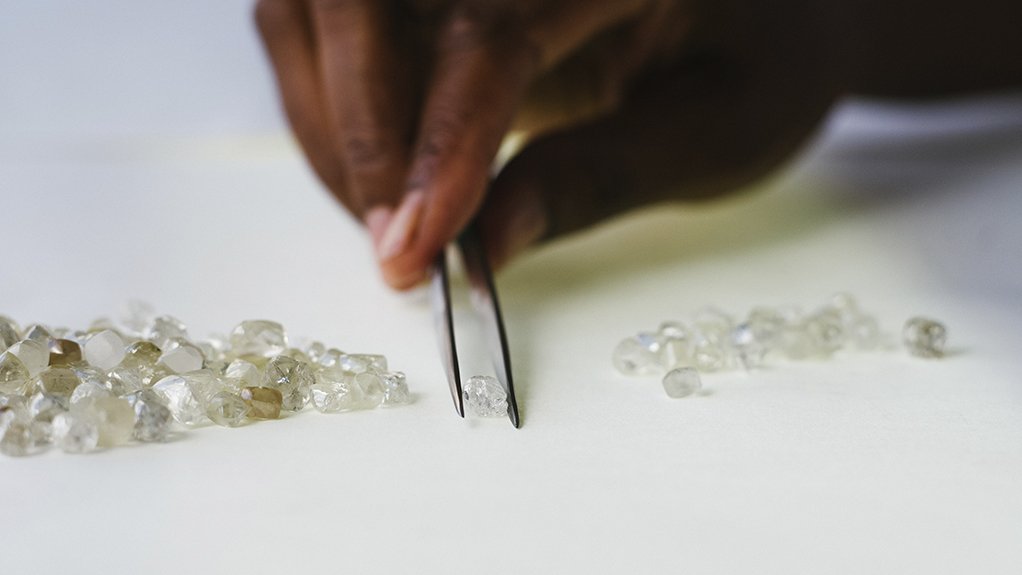
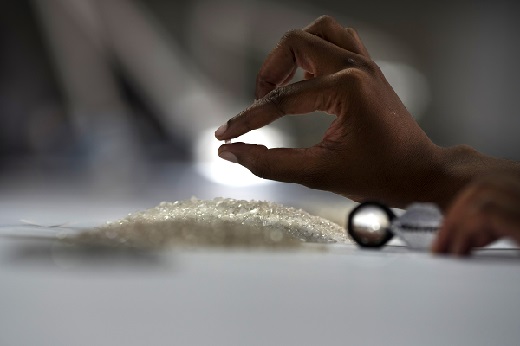
Sorting rough diamonds over a light box using a hand loupe.De Beers Global Sightholder Sales, Gaborone, Botswana.

Gaborone, Botswana — November 2025:
Botswana’s move to secure majority control of De Beers, the world’s most iconic diamond company, marks a turning point in both African resource ownership and the global diamond market. The initiative, driven by President Duma Boko, represents one of the most significant sovereignty shifts in modern mining history, with potential to reshape how nations manage their natural wealth.

Why Botswana’s De Beers Acquisition Matters

Diamonds remain the cornerstone of Botswana’s economy — contributing nearly 30% to GDP and 80% of export earnings. Through its long-standing Debswana partnership with De Beers, the country has benefited from steady revenues but limited control over the strategic direction of its most vital industry.

Now, Botswana aims to change that. By pursuing a majority stake, the government seeks greater influence over production, marketing, and profit allocation — a shift that could transform the balance of power in the global diamond trade.

Current Ownership and Partnership Structure

Currently, Anglo American holds 85% of De Beers, while Botswana owns 15% through Debswana. Though this structure has delivered stability and growth, it also leaves Botswana as a minority player in decisions that directly affect its economy.

With Anglo American now restructuring its portfolio and considering divestment, Botswana has seized a rare opportunity to negotiate for majority control — aligning national interest with long-term sustainability and independence.

Economic Impact and Strategic Motivation

Diamonds have built Botswana’s success story, funding education, infrastructure, and healthcare. Yet, with rising competition from lab-grown diamonds and volatile global demand, the government recognises the need to safeguard revenue and ensure future resilience.

Majority control would allow Botswana to:

  • Align De Beers’ strategy with national priorities
  • Increase direct revenue and value capture
  • Enhance job creation through local beneficiation
  • Strengthen resilience against external market shocks

Understanding the De Beers Restructuring Opportunity

Anglo American’s decision to offload assets amid global portfolio optimisation has opened the door for Botswana’s historic bid. Market analysts suggest that De Beers’ valuation — affected by softer diamond demand — may now be more accessible, creating a once-in-a-generation acquisition opportunity for Botswana.

International sovereign wealth funds, including potential partners from Oman, have expressed interest in co-financing the acquisition, signalling global confidence in Botswana’s governance and the enduring value of natural diamonds.

Regional Competition and Cooperation

Botswana’s bid faces competition from Angola’s Endiama EP, which has also expressed interest in acquiring Anglo American’s stake. However, diplomatic discussions between Botswana and Angola hint at possible collaboration, with joint African ownership of De Beers emerging as a strategic alternative that could reinforce continental resource sovereignty.

Global Diamond Market Implications

If successful, Botswana’s acquisition would mark a paradigm shift:

  • African Resource Sovereignty: Establishing Botswana as a model for other resource-rich nations pursuing local ownership.
  • Supply Chain Control: Enhancing Africa’s ability to influence global pricing, production, and distribution strategies.
  • Market Stability: Strengthening natural diamond positioning against synthetic competitors through unified African leadership.

With potential to contribute over 35% to Botswana’s GDP and maintain its dominance in global exports, majority ownership could significantly enhance the nation’s economic resilience and international influence.

Challenges and Market Outlook

The acquisition faces hurdles, including valuation complexities, competitive bidding, and global demand fluctuations. Moreover, the diamond industry continues to navigate pressures from lab-grown alternatives, changing consumer preferences, and macroeconomic uncertainties.

Nevertheless, Botswana’s strategy demonstrates forward-thinking leadership — leveraging its expertise, governance stability, and long-term vision to secure sustainable control over its most valuable resource.

President Duma Boko’s Vision

“Government will leverage a majority stake. Concrete steps are under way towards the acquisition of Anglo American shares in De Beers,”
— President Duma Boko, addressing Parliament, November 2025

His statement underscores Botswana’s commitment to advancing economic independence while setting a precedent for African nations reclaiming control of their mineral wealth.

What This Means for the Future

Should Botswana succeed, it will become the first African nation to hold majority ownership of the world’s largest diamond company — a move that could redefine the global diamond landscape for decades to come.

Beyond national pride, this transition represents a strategic realignment of power, giving Botswana direct control over pricing, marketing, and supply chain dynamics in the international diamond market.


Frequently Asked Questions

When will the Botswana De Beers deal be finalised?
Negotiations are ongoing through late 2025. Completion depends on final agreements with Anglo American and potential co-investors.

How much will Botswana pay for majority control?
Financial details remain confidential, with valuations influenced by current market conditions and strategic negotiations.

Will this affect global diamond prices?
Yes — greater African control over supply could strengthen natural diamond pricing and reinforce consumer confidence in ethically sourced stones.


About DCLA

The Diamond Certification Laboratory of Australia (DCLA) is Australia’s official CIBJO-recognised laboratory, providing independent grading, authentication, and certification of natural diamonds. DCLA continues to report on global developments shaping the natural diamond industry, ensuring transparency and consumer confidence worldwide.

Disclaimer: This article is intended for informational and educational purposes only. The views and interpretations expressed do not necessarily reflect those of the Diamond Certification Laboratory of Australia (DCLA). All information is based on publicly available data and current market reports at the time of publication. DCLA does not provide financial, investment, or legal advice. Readers are encouraged to conduct their own research or consult with qualified professionals before making decisions related to diamond investment, trading, or acquisition.

Gems set to retain sheen, view cloudy for diamonds after US tariff cut

  Washington’s reciprocal tariff reduction is expected to help India’s gems and jewellery exporters regain lost ground in the US market, aft...