Tuesday, 4 August 2026

Diamond Setting Styles: Beauty, Light Performance and Security – Choosing the Right Setting for Every Gem

 The Purpose of a Jewellery Setting

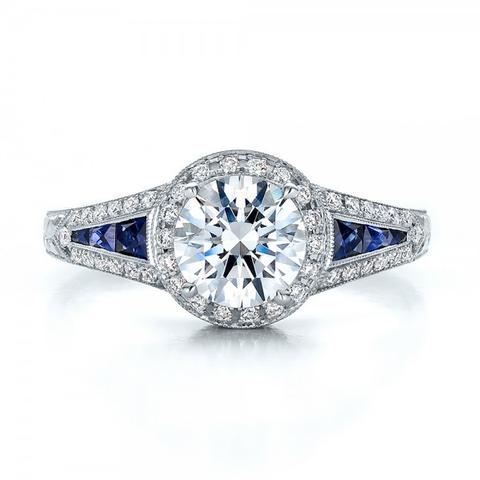
When most people admire a beautiful diamond ring, they naturally focus on the gemstone itself. Yet one of the most important decisions in jewellery design isn’t the diamond—it’s how the diamond is set.

The setting influences far more than appearance. It determines how much light reaches the gemstone, how secure it will remain during everyday wear, how easily it can be cleaned, and even how large or brilliant it appears.

There is no single “best” setting. The ideal choice depends on the gemstone’s shape, durability, intended use, and the wearer’s lifestyle. Understanding the differences helps ensure both beauty and longevity.

The Purpose of a Jewellery Setting

A jewellery setting has three primary roles:

  • Securely hold the gemstone.
  • Maximise the stone’s visual appeal.
  • Complement the overall design of the jewellery.

Finding the right balance between these objectives is the hallmark of good jewellery design.

Claw (Prong) Settings

The claw setting is the most recognised and widely used method of setting diamonds.

Small metal claws grip the gemstone around its girdle while leaving most of the stone exposed.

Advantages

One of the greatest strengths of a claw setting is light performance.

Because very little metal covers the diamond, light can enter from the top and sides before reflecting back through the crown. This often produces exceptional brilliance, fire and scintillation.

Other advantages include:

  • Maximum light exposure
  • Makes the diamond appear larger
  • Easier to clean
  • Classic and timeless appearance
  • Suitable for almost every diamond shape

Disadvantages

With more of the diamond exposed, the stone is also more vulnerable to knocks.

Over many years of wear, claws can gradually wear down, bend or catch on clothing. If this occurs unnoticed, the security of the diamond may be compromised.

Regular inspections by a qualified jeweller are recommended, particularly for engagement rings worn every day.

Bezel Settings

A bezel setting surrounds the gemstone with a continuous rim of precious metal.

Rather than gripping the stone with claws, the metal wraps around the edge, securely locking it into place.

Advantages

Bezel settings offer exceptional protection.

The surrounding metal shields vulnerable edges and corners from accidental impacts, making them ideal for active lifestyles.

Benefits include:

  • Outstanding security
  • Excellent protection against chips
  • Smooth profile that won’t catch on clothing
  • Modern, elegant appearance
  • Ideal for everyday wear

Light Performance

Because the metal surrounds the edge of the gemstone, slightly less light enters from the sides.

For well-cut diamonds this difference is often minimal, but coloured gemstones may appear deeper or richer in colour due to the enclosed design.

Many designers intentionally use bezels to enhance coloured gemstones such as sapphires, emeralds and rubies.

Pressure (Tension) Settings

One of the most visually striking styles is the pressure, or tension, setting.

Rather than traditional claws, the gemstone is held in place by carefully engineered pressure within the metal band itself, creating the illusion that the diamond is floating.

Advantages

  • Contemporary appearance
  • Maximum visibility of the gemstone
  • Excellent light exposure
  • Unique and minimalist design

Engineering Matters

Although they appear delicate, genuine tension settings are highly engineered.

The ring must be manufactured with extremely precise tolerances so the pressure remains constant throughout the life of the ring.

This is not a setting style suitable for every gemstone.

Only durable stones with sufficient hardness and toughness—such as diamonds and some sapphires—are generally considered appropriate.

How Light Affects Beauty

Many consumers assume that more exposed stone automatically means more sparkle.

While greater light exposure certainly helps, sparkle primarily comes from the quality of the diamond’s cut.

A poorly cut diamond in an open claw setting may still appear lifeless, while an exceptionally cut diamond in a bezel setting can remain brilliantly attractive.

The setting enhances beauty—but it cannot compensate for poor cutting.

Security vs Brilliance

Jewellery design often involves balancing competing priorities.

A six-claw solitaire may maximise brilliance while offering good security.

A bezel may sacrifice a small amount of side light but significantly increase protection.

The best choice depends on how the jewellery will be worn.

For engagement rings worn every day, security often becomes just as important as appearance.

Why Diamond Shape Changes Everything

Not every diamond shape performs equally in every setting.

Round Brilliant

The strongest and most versatile shape.

Works exceptionally well in claw, bezel and tension settings.

Princess Cut

Its pointed corners are vulnerable to chipping.

V-shaped claws or bezel settings provide much greater protection.

Emerald Cut

Large open facets emphasise clarity rather than sparkle.

Bezel settings often complement its elegant geometric appearance while protecting its cropped corners.

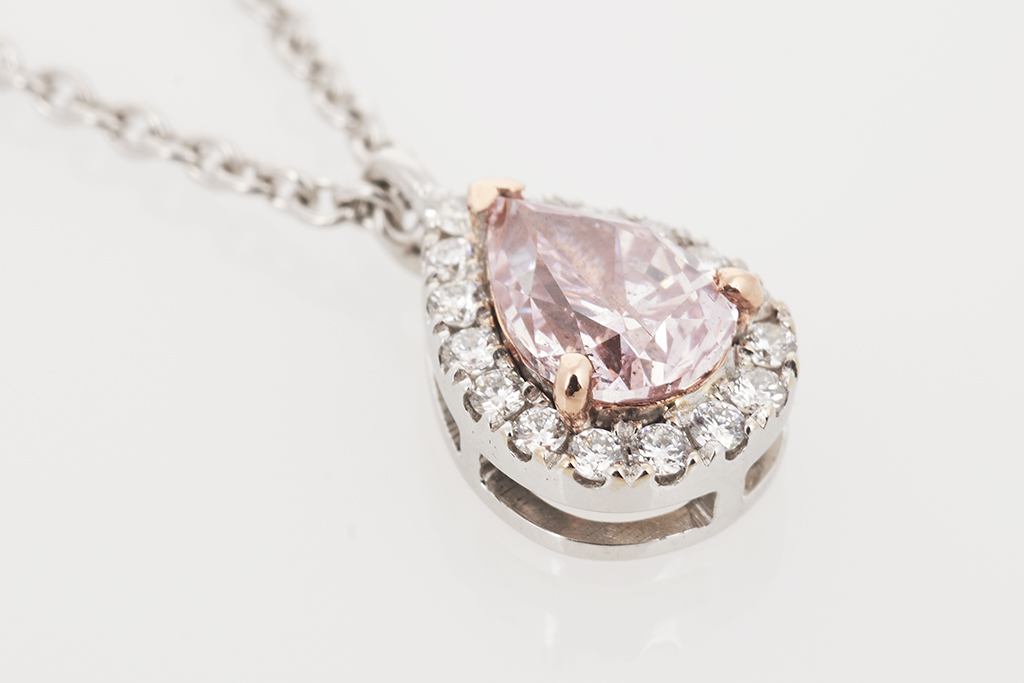
Pear, Marquise and Heart Shapes

These shapes all feature delicate points that require additional protection.

Specialised claws or partial bezels are commonly used to reduce the risk of damage.

Oval and Cushion Cuts

These shapes are extremely versatile and perform beautifully in most setting styles.

Coloured Gemstones Require Different Considerations

Unlike diamonds, many coloured gemstones have different hardness and toughness.

Emeralds, for example, are significantly more susceptible to chipping due to their natural internal fractures.

Tourmalines, opals and tanzanites also require greater protection than diamonds.

For these gemstones, bezel settings or protective claw arrangements often provide the safest long-term solution.

Lifestyle Should Guide the Design

A setting should suit the owner’s lifestyle as much as their personal taste.

Someone working with their hands every day may benefit from the security and low profile of a bezel setting.

A person seeking maximum brilliance in an engagement ring may prefer a traditional claw setting.

Athletes, healthcare workers and tradespeople often choose lower-profile settings that reduce the risk of accidental impact.

Craftsmanship Makes the Difference

Regardless of the setting style chosen, craftsmanship remains the most important factor.

Poorly positioned claws, uneven bezels or incorrectly engineered tension settings can all compromise both beauty and security.

An experienced jeweller understands how metal behaves over decades of wear and how different gemstone shapes respond to everyday use.

The best jewellery combines engineering with artistry, ensuring the setting protects the gemstone while allowing it to display its full beauty.

Final Thoughts

A diamond or coloured gemstone may be the centrepiece of a piece of jewellery, but the setting is what allows it to shine safely for generations.

Whether choosing a classic claw setting, a protective bezel or a striking tension design, the decision should always consider light performance, durability, gemstone shape and the wearer’s lifestyle.

Beautiful jewellery is not simply about selecting an exceptional gemstone—it is about designing a setting that allows that gemstone to remain secure, brilliant and admired for a lifetime.


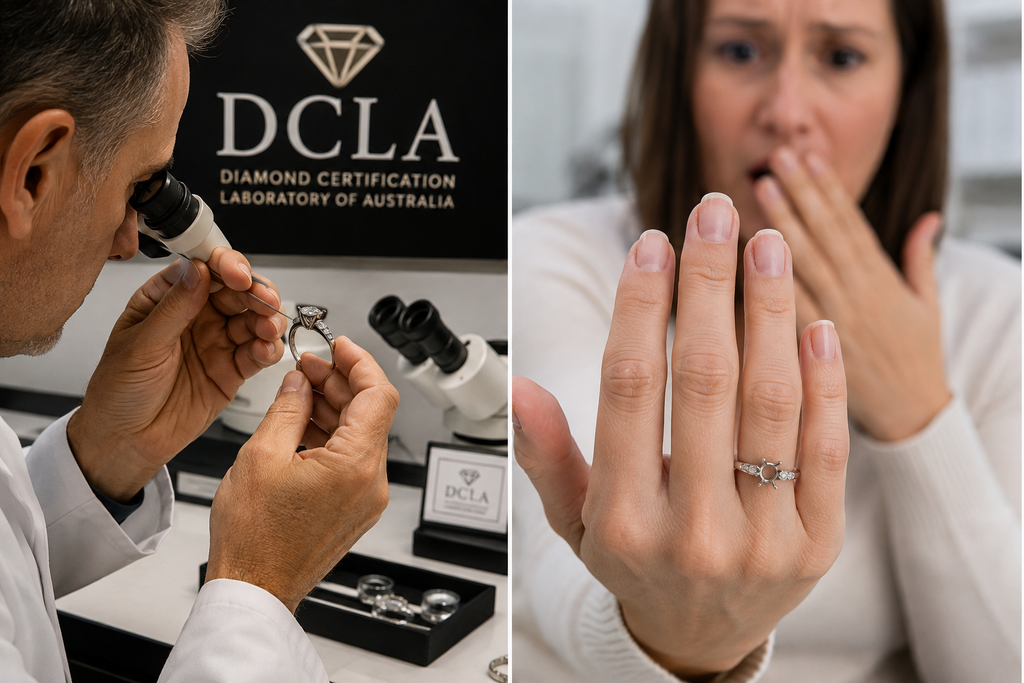
DCLA Note: Professional inspection of gemstone settings is recommended every 12 months, particularly for rings worn daily. Routine maintenance can identify worn claws, loose stones or metal fatigue before a gemstone is lost, helping preserve both the beauty and value of your jewellery.

Monday, 3 August 2026

Buying Jewellery for Babies and Young Children: What Every Parent and Grandparent Should Know

 Buying Jewellery for Babies and Young Children

Giving a piece of jewellery to a newborn or young child is a tradition that has been passed down through generations. A small gold bracelet, an engraved pendant, or a delicate necklace often becomes a treasured keepsake that can remain in a family for decades.

However, while jewellery can be a beautiful and meaningful gift, it is important to remember that babies and young children have very different safety requirements than adults. What may appear to be a harmless piece of jewellery can present serious risks if worn too early.

At the Diamond Certification Laboratory of Australia (DCLA), we believe that understanding these risks helps families make informed decisions while preserving the sentimental value of these special gifts.

Necklaces – Best Kept as Keepsakes

One of the most common gifts given to infants is a gold necklace with a religious symbol, nameplate, or small pendant.

While these necklaces are beautiful, they are generally not recommended for babies or toddlers to wear.

Potential risks include:

  • Strangulation if the necklace catches on furniture, bedding, prams or playground equipment.
  • Choking hazards if a clasp, pendant or decorative element becomes detached.
  • Injury if another child pulls on the necklace during play.
  • Entanglement during sleep.

For these reasons, a necklace is best kept safely stored until the child is older and able to understand how to wear jewellery responsibly.

Bracelets – Not Always as Safe as They Look

Baby bangles and identity bracelets have been popular gifts for generations.

Although they may seem safer than necklaces, they can still present hazards.

A bracelet may:

  • Catch on clothing, blankets or toys.
  • Become trapped while crawling or climbing.
  • Cause cuts or bruising if it is too tight.
  • Slip off and become a choking hazard if too loose.

If a child is going to wear a bracelet, it should only be under close adult supervision and removed during sleep or active play.

Earrings

Parents often ask about ear piercing for young children.

From a jewellery safety perspective:

  • Earrings should only be fitted once the ears have fully healed.
  • Small plain studs are generally safer than hoops or dangling earrings.
  • Hoop earrings can catch on clothing, towels or playground equipment.
  • Larger decorative earrings may be pulled by curious children or playmates.

Professional piercing and high-quality hypoallergenic jewellery can help reduce the risk of infection or allergic reactions.

Rings

Children’s rings are generally not recommended for infants or toddlers.

A ring that fits today may become dangerously tight as fingers grow, restricting circulation.

Conversely, a loose ring can easily fall off and become a choking hazard.

Most jewellers recommend waiting until a child is significantly older before wearing rings regularly.

What Makes a Good Gift?

If you’re looking for a meaningful jewellery gift for a newborn or young child, consider pieces that are intended to become lifelong keepsakes rather than everyday jewellery.

Excellent choices include:

  • An engraved gold or silver identity bracelet to be worn later in childhood.
  • A quality gold pendant kept safely until the child is older.
  • A birthstone pendant.
  • A commemorative coin or small investment-grade gold or silver piece to celebrate their birth.
  • A jewellery box containing a family heirloom to be passed on in the future.

These gifts retain all of their sentimental value without exposing the child to unnecessary risks.

If You Receive Jewellery as a Gift

Many parents receive jewellery from grandparents, relatives and close friends shortly after the birth of a child.

While the gesture is thoughtful and generous, there is no obligation to have the baby wear the jewellery immediately.

In fact, the safest option is often to:

  • Store the jewellery securely.
  • Keep any certificates, receipts and valuations.
  • Photograph the item for insurance purposes.
  • Present it to the child when they are mature enough to wear it safely.

The gift remains just as meaningful, and in many cases becomes even more special when the child is old enough to appreciate its significance.

Choosing Quality Matters

When purchasing jewellery intended to become a lifelong keepsake, quality is far more important than fashion.

Look for:

  • Solid precious metals rather than plated jewellery.
  • Secure soldering and high-quality craftsmanship.
  • Reliable clasps and settings.
  • Appropriate hallmarks indicating metal purity.
  • Pieces made by reputable jewellers.

Well-made jewellery can last for generations, becoming a treasured family heirloom.

The DCLA Recommendation

Jewellery given at birth is often one of the first heirlooms a child will ever own. While these gifts carry enormous sentimental value, they should always be balanced against the child’s safety.

For infants and toddlers, jewellery is generally best regarded as a keepsake rather than an item for everyday wear. Waiting until a child is older significantly reduces the risks associated with necklaces, bracelets, rings and earrings while ensuring that the gift can be enjoyed safely for many years to come.

A beautiful piece of jewellery should create lifelong memories—not unnecessary hazards. Choosing quality, storing it safely, and waiting until the appropriate age allows families to enjoy both the emotional and lasting value that fine jewellery was always intended to provide.

Disclaimer: This article is provided for general educational and informational purposes only and should not be considered medical, paediatric, or safety advice. Recommendations regarding children’s jewellery may vary depending on a child’s age, development, and individual circumstances. Parents and caregivers should always follow current product safety guidelines and consult an appropriate healthcare or child safety professional if they have concerns about a child’s use of jewellery. DCLA recommends that jewellery intended for infants and young children be selected with safety as the primary consideration and used under appropriate adult supervision where applicable.

Sunday, 2 August 2026

Men's Jewellery: From Kings and Warriors to Everyday Style

 From Kings and Warriors to Everyday Style

For thousands of years, jewellery has been a symbol of power, wealth, achievement and identity. Yet unlike today, there was a time when only kings, emperors, warriors and the wealthy elite had the privilege of wearing precious metals and gemstones. What was once reserved for royalty has evolved into an everyday expression of personal style, with men’s jewellery now enjoying one of the strongest revivals in modern history.

The Ancient Origins of Men’s Jewellery

Long before jewellery became associated with fashion, it represented status and survival.

Ancient Egyptian pharaohs wore elaborate gold collars, bracelets and gemstone-encrusted rings as symbols of divine authority. Gold was considered the flesh of the gods, while lapis lazuli, turquoise and carnelian were believed to offer protection and spiritual power.

In Ancient Rome, signet rings identified influential families, while decorated armour, gold wreaths and ceremonial jewellery distinguished military leaders and senators. The ability to wear precious metals was often regulated by social class.

Across Asia, jade carvings, gold ornaments and finely crafted jewellery denoted wisdom, prosperity and noble birth. In many cultures, jewellery was more than decoration—it was a visible declaration of rank.

Jewellery of Kings and Nobility

Throughout the Middle Ages and Renaissance, jewellery became increasingly exclusive.

European monarchs commissioned master jewellers to create crowns, chains of office, gemstone rings and ceremonial swords adorned with diamonds, rubies, emeralds and sapphires. These magnificent pieces were designed not simply to display wealth but to reinforce authority.

Sumptuary laws in many countries even dictated who could wear certain gemstones or precious metals. Diamonds, pearls and gold were often restricted to royalty and aristocracy, making jewellery an unmistakable marker of privilege.

Portraits of kings such as Henry VIII or Louis XIV reveal men lavishly adorned with necklaces, brooches, rings and precious stones—far removed from today’s understated image of masculine fashion.

The Victorian Shift

The Industrial Revolution dramatically changed society.

As manufacturing expanded and a growing middle class emerged, jewellery slowly became more accessible. Men’s fashion, however, became increasingly conservative. Dark suits replaced ornate clothing, and jewellery was reduced largely to practical or symbolic items such as:

  • Wedding bands
  • Pocket watches and chains
  • Cufflinks
  • Tie pins
  • Signet rings

For much of the twentieth century, Western men’s jewellery remained restrained, with elegance replacing extravagance.

Cultural Traditions Never Disappeared

While Western fashion became more conservative, many cultures continued to celebrate men’s jewellery.

Indian weddings remain famous for elaborate gold necklaces, bracelets and rings worn by grooms. Middle Eastern cultures have long valued gold jewellery as both adornment and a store of wealth. African tribal jewellery continues to represent heritage, leadership and identity.

These traditions helped preserve the idea that jewellery could remain an important part of masculine identity.

The Modern Renaissance

Over the past two decades, men’s jewellery has undergone a remarkable transformation.

Today’s man is no longer limited to a wedding ring and watch. Jewellery has become a form of self-expression, confidence and individuality.

Professional athletes, musicians, actors and entrepreneurs have normalised the wearing of luxury jewellery. Diamond tennis bracelets, layered necklaces, pinky rings, signet rings, earrings and diamond-set watches are now common across all age groups.

Social media has accelerated this trend, exposing consumers to international fashion and encouraging personal style rather than strict dress codes.

What was once seen as extravagant has become mainstream.

Jewellery for Every Man

Modern jewellery collections cater for every personality and lifestyle.

Some men prefer understated elegance with a platinum wedding band and classic cufflinks.

Others embrace bold fashion with diamond earrings, Cuban link chains, coloured gemstone rings or oversized tennis bracelets.

Materials have also diversified:

  • Yellow Gold offers timeless luxury.
  • White Gold provides a contemporary appearance.
  • Rose Gold delivers warmth and individuality.
  • Platinum remains the premium choice for durability and prestige.
  • Diamonds continue to symbolise strength, success and permanence.
  • Coloured gemstones allow men to express personality through sapphires, emeralds, rubies and even black diamonds.

The result is unprecedented choice, allowing jewellery to reflect the individual rather than social status alone.

Jewellery as a Statement of Success

Historically, jewellery represented inherited wealth.

Today it more often represents personal achievement.

A successful entrepreneur may purchase a diamond ring to celebrate a milestone. An athlete may invest in a custom chain after winning a championship. A father may receive an engraved bracelet marking the birth of a child.

These pieces become deeply personal, commemorating life’s important moments rather than simply displaying wealth.

Quality Matters More Than Ever

As men’s jewellery grows in popularity, consumers are becoming increasingly knowledgeable about craftsmanship and authenticity.

Understanding the quality of diamonds, coloured gemstones and precious metals has never been more important. Independent grading and certification provide buyers with confidence that their jewellery matches the quality they are paying for.

Whether purchasing a diamond ring, gemstone pendant or bespoke bracelet, expert assessment ensures transparency, accuracy and long-term value.

The Future of Men’s Jewellery

The evolution of men’s jewellery reflects broader changes in society. Personal style is no longer defined by rigid traditions but by individuality, confidence and self-expression.

The distinction between formal jewellery and everyday jewellery continues to blur, with men comfortably wearing pieces that previous generations reserved for special occasions.

In many ways, history has come full circle. Jewellery has once again become an important part of masculine identity—but unlike the days of kings and nobles, it is no longer reserved for the privileged few. Today, every man has the opportunity to express his personality, celebrate his achievements and invest in beautifully crafted jewellery that can be worn, treasured and eventually passed on to future generations.

At DCLA, we believe that understanding the quality and authenticity of diamonds and gemstones is just as important as appreciating their beauty. As men’s jewellery continues to evolve, independent grading and expert knowledge remain essential for anyone investing in fine jewellery designed to last a lifetime.

Diamond Setting Styles: Beauty, Light Performance and Security – Choosing the Right Setting for Every Gem

  When most people admire a beautiful diamond ring, they naturally focus on the gemstone itself. Yet one of the most important decisions in ...