Diamonds are among the most fascinating natural materials on Earth. Known for their beauty, rarity, and incredible durability, diamonds have captured human imagination for thousands of years. But beyond their brilliance as gemstones, diamonds are remarkable scientific creations with unique physical properties that make them valuable in jewellery, technology, and industry.
A diamond is a natural crystal made entirely from carbon. What makes it extraordinary is not the element itself, but the way the carbon atoms are arranged. These atoms form a highly organised crystal structure known as the diamond cubic structure, creating one of the strongest natural materials known to mankind.
Pure diamonds are colourless, transparent, and extremely resistant to chemical reactions. They are tasteless, odourless, and do not dissolve in water. Their exceptional hardness and ability to conduct heat have made diamonds valuable not only as gemstones but also in advanced industrial applications such as cutting tools, polishing equipment, and high precision technology.
The Unique Structure of a Diamond
The secret behind a diamond’s strength lies within its atomic structure.
Each carbon atom in a diamond is connected to four other carbon atoms through extremely strong bonds. This creates a rigid three dimensional structure that gives diamonds their famous hardness.
By comparison, graphite, another form of carbon, has a completely different structure. Graphite atoms are arranged in layers that can easily slide over one another, making graphite soft and useful as pencil lead.
Although diamond and graphite are both made from carbon, their different atomic arrangements create completely different materials.
Diamonds are considered a “metastable” form of carbon. Under normal conditions, graphite is technically the more stable form, but the transformation from diamond to graphite happens so slowly that it would take millions or even billions of years.
How Diamonds Are Formed
Natural diamonds are ancient treasures created deep beneath the Earth’s surface.
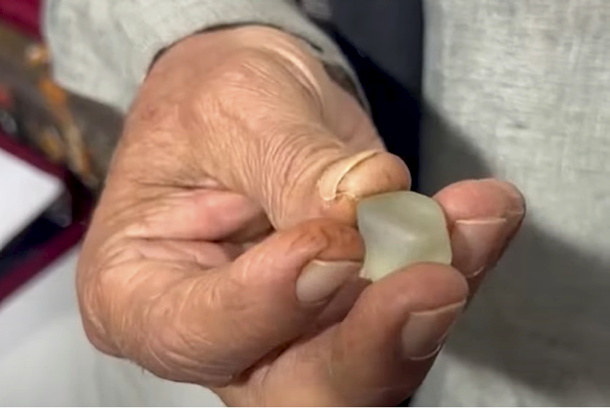
Most natural diamonds formed between 1 billion and 3.5 billion years ago, long before humans existed. They developed under extreme pressure and temperatures deep within the Earth’s mantle, generally between 150 and 250 kilometres below the surface.
Under these conditions, carbon containing fluids moved through rocks and, over enormous periods of time, formed diamond crystals.
Volcanic eruptions later transported these diamonds closer to the surface. They became trapped in special volcanic rocks known as kimberlites and lamproites, where they could eventually be discovered and mined.
Some diamonds have come from even greater depths, reaching hundreds of kilometres below the Earth’s surface.
The Origin and History of Diamonds
The word diamond comes from the ancient Greek word “adamas”, meaning unbreakable, untamed, or unconquerable. This reflects the early belief that diamonds represented strength and permanence.
Diamonds are believed to have first been discovered and mined in India thousands of years ago, with early sources coming from river deposits. Ancient cultures valued diamonds not only for their beauty but also for their symbolic and spiritual importance.
Over time, diamonds became associated with wealth, power, and status. Their popularity increased dramatically from the 19th century as new diamond deposits were discovered, cutting and polishing techniques improved, and the global jewellery market expanded.
The Discovery That Diamonds Are Carbon
For centuries, the true nature of diamonds was unknown.
In the 1700s, French scientist Antoine Lavoisier conducted experiments using sunlight focused onto diamonds in an oxygen environment. He discovered that burning diamonds produced carbon dioxide, proving that diamonds were made of carbon.
Later, English chemist Smithson Tennant expanded on this work and demonstrated that diamonds and graphite were chemically the same element arranged differently.
This discovery changed the understanding of diamonds forever and showed that one element could exist in completely different forms.
Why Diamonds Have Different Colours
Although many people imagine diamonds as colourless, diamonds naturally occur in a wide range of colours.
A perfectly pure diamond has no colour, but natural diamonds often contain tiny amounts of other elements or changes in their crystal structure. These small differences create unique colours.
Nitrogen is the most common impurity and can create yellow and brown shades.
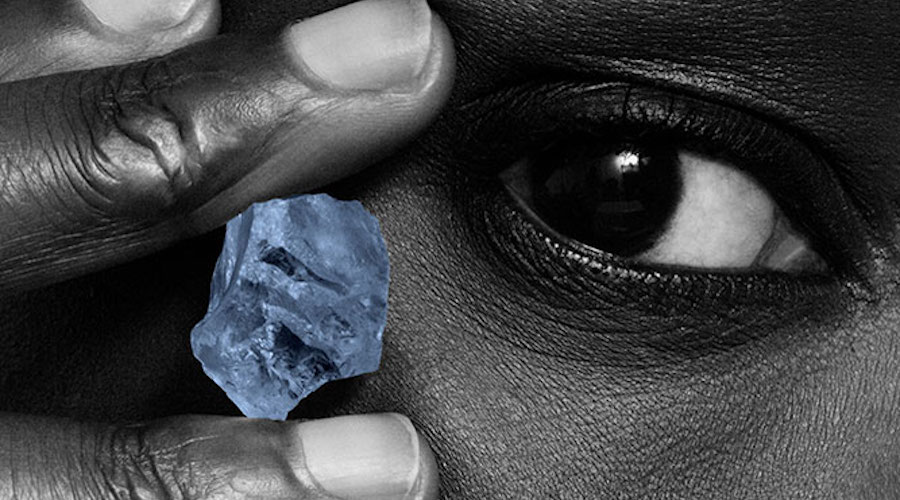
Boron can produce blue diamonds.
Radiation exposure can create green diamonds.
Structural changes within the crystal can produce pink, red, and other rare colours.
The rarest coloured diamonds, especially vivid pink, red, and blue diamonds, can become some of the most valuable gemstones ever sold.
Diamond Clarity and Natural Characteristics
No two natural diamonds are exactly alike.
During formation deep inside the Earth, diamonds can capture tiny internal features known as inclusions. These may include minerals, growth patterns, or small structural changes.
Clarity grading evaluates these characteristics under magnification and helps determine a diamond’s rarity and value.
The fewer visible inclusions a diamond has, the rarer it generally becomes.
The Importance of the 4Cs
The quality and value of a diamond are traditionally assessed using the famous 4Cs:
Colour
Colour measures how close a diamond is to being completely colourless. Colourless diamonds are highly valued, while naturally coloured diamonds are graded differently due to their rarity.
Clarity
Clarity evaluates internal inclusions and external features. These natural characteristics help identify the uniqueness of each diamond.
Cut
Cut is one of the most important factors affecting a diamond’s beauty. A well cut diamond allows light to enter and reflect back through the stone, creating brilliance, fire, and sparkle.
Carat
Carat refers to the weight of a diamond. Larger diamonds are generally rarer, but size alone does not determine value. Quality, rarity, and overall characteristics are equally important.
The Strength and Hardness of Diamonds
Diamonds are the hardest natural material on the Mohs hardness scale.
This hardness allows diamonds to maintain their polished surfaces for long periods, making them ideal for jewellery that is worn every day, such as engagement rings.
However, hardness does not mean a diamond cannot be damaged. Diamonds can still chip or break if struck in certain directions because they have natural planes within their crystal structure.
Diamonds Beyond Jewellery
While diamonds are famous as gemstones, their properties make them useful in many industries.
Their extreme hardness makes them ideal for cutting and polishing materials.
Their ability to transfer heat efficiently allows them to be used in advanced technology.
Their electrical and optical properties are also being explored for scientific and electronic applications.
Natural Diamonds and Laboratory Grown Diamonds
Modern technology has made it possible to create diamonds in laboratories.
Laboratory grown diamonds are produced using methods that recreate diamond forming conditions. The two main methods are High Pressure High Temperature (HPHT) and Chemical Vapour Deposition (CVD).
These diamonds have the same chemical composition as natural diamonds, but specialised equipment can identify differences in their growth patterns and characteristics.
Gem laboratories use advanced testing techniques to distinguish between natural and laboratory grown diamonds.
Diamond Certification and Trust
Because every diamond is unique, professional grading and certification play an important role in the diamond industry.
Independent laboratories examine diamonds using scientific methods to assess their characteristics, confirm authenticity, and provide accurate grading information.
At DCLA, diamond science, advanced technology, and expert knowledge are combined to provide confidence and transparency for consumers and the jewellery industry.
The Enduring Legacy of Diamonds
A diamond represents billions of years of natural history, transformed through expert cutting and craftsmanship into one of the world’s most admired gemstones.
From deep beneath the Earth’s surface to the jewellery worn around the world, diamonds continue to fascinate because they combine science, beauty, rarity, and history in a single extraordinary crystal.
Source: DCLA