Showing posts with label Diamonds Rough. Show all posts

Thursday, 25 June 2026

The Diamond: Nature’s Most Remarkable Gem

The Diamond: Nature’s Most Remarkable Gem

Diamonds are among the most fascinating natural materials on Earth. Known for their beauty, rarity, and incredible durability, diamonds have captured human imagination for thousands of years. But beyond their brilliance as gemstones, diamonds are remarkable scientific creations with unique physical properties that make them valuable in jewellery, technology, and industry.

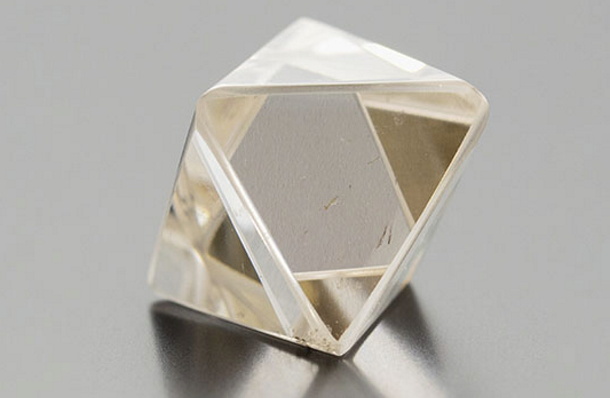
A diamond is a natural crystal made entirely from carbon. What makes it extraordinary is not the element itself, but the way the carbon atoms are arranged. These atoms form a highly organised crystal structure known as the diamond cubic structure, creating one of the strongest natural materials known to mankind.

Pure diamonds are colourless, transparent, and extremely resistant to chemical reactions. They are tasteless, odourless, and do not dissolve in water. Their exceptional hardness and ability to conduct heat have made diamonds valuable not only as gemstones but also in advanced industrial applications such as cutting tools, polishing equipment, and high precision technology.

The Unique Structure of a Diamond

The secret behind a diamond’s strength lies within its atomic structure.

Each carbon atom in a diamond is connected to four other carbon atoms through extremely strong bonds. This creates a rigid three dimensional structure that gives diamonds their famous hardness.

By comparison, graphite, another form of carbon, has a completely different structure. Graphite atoms are arranged in layers that can easily slide over one another, making graphite soft and useful as pencil lead.

Although diamond and graphite are both made from carbon, their different atomic arrangements create completely different materials.

Diamonds are considered a “metastable” form of carbon. Under normal conditions, graphite is technically the more stable form, but the transformation from diamond to graphite happens so slowly that it would take millions or even billions of years.

How Diamonds Are Formed

Natural diamonds are ancient treasures created deep beneath the Earth’s surface.

Most natural diamonds formed between 1 billion and 3.5 billion years ago, long before humans existed. They developed under extreme pressure and temperatures deep within the Earth’s mantle, generally between 150 and 250 kilometres below the surface.

Under these conditions, carbon containing fluids moved through rocks and, over enormous periods of time, formed diamond crystals.

Volcanic eruptions later transported these diamonds closer to the surface. They became trapped in special volcanic rocks known as kimberlites and lamproites, where they could eventually be discovered and mined.

Some diamonds have come from even greater depths, reaching hundreds of kilometres below the Earth’s surface.

The Origin and History of Diamonds

The word diamond comes from the ancient Greek word “adamas”, meaning unbreakable, untamed, or unconquerable. This reflects the early belief that diamonds represented strength and permanence.

Diamonds are believed to have first been discovered and mined in India thousands of years ago, with early sources coming from river deposits. Ancient cultures valued diamonds not only for their beauty but also for their symbolic and spiritual importance.

Over time, diamonds became associated with wealth, power, and status. Their popularity increased dramatically from the 19th century as new diamond deposits were discovered, cutting and polishing techniques improved, and the global jewellery market expanded.

The Discovery That Diamonds Are Carbon

For centuries, the true nature of diamonds was unknown.

In the 1700s, French scientist Antoine Lavoisier conducted experiments using sunlight focused onto diamonds in an oxygen environment. He discovered that burning diamonds produced carbon dioxide, proving that diamonds were made of carbon.

Later, English chemist Smithson Tennant expanded on this work and demonstrated that diamonds and graphite were chemically the same element arranged differently.

This discovery changed the understanding of diamonds forever and showed that one element could exist in completely different forms.

Why Diamonds Have Different Colours

Although many people imagine diamonds as colourless, diamonds naturally occur in a wide range of colours.

A perfectly pure diamond has no colour, but natural diamonds often contain tiny amounts of other elements or changes in their crystal structure. These small differences create unique colours.

Nitrogen is the most common impurity and can create yellow and brown shades.

Boron can produce blue diamonds.

Radiation exposure can create green diamonds.

Structural changes within the crystal can produce pink, red, and other rare colours.

The rarest coloured diamonds, especially vivid pink, red, and blue diamonds, can become some of the most valuable gemstones ever sold.

Diamond Clarity and Natural Characteristics

No two natural diamonds are exactly alike.

During formation deep inside the Earth, diamonds can capture tiny internal features known as inclusions. These may include minerals, growth patterns, or small structural changes.

Clarity grading evaluates these characteristics under magnification and helps determine a diamond’s rarity and value.

The fewer visible inclusions a diamond has, the rarer it generally becomes.

The Importance of the 4Cs

The quality and value of a diamond are traditionally assessed using the famous 4Cs:

Colour

Colour measures how close a diamond is to being completely colourless. Colourless diamonds are highly valued, while naturally coloured diamonds are graded differently due to their rarity.

Clarity

Clarity evaluates internal inclusions and external features. These natural characteristics help identify the uniqueness of each diamond.

Cut

Cut is one of the most important factors affecting a diamond’s beauty. A well cut diamond allows light to enter and reflect back through the stone, creating brilliance, fire, and sparkle.

Carat

Carat refers to the weight of a diamond. Larger diamonds are generally rarer, but size alone does not determine value. Quality, rarity, and overall characteristics are equally important.

The Strength and Hardness of Diamonds

Diamonds are the hardest natural material on the Mohs hardness scale.

This hardness allows diamonds to maintain their polished surfaces for long periods, making them ideal for jewellery that is worn every day, such as engagement rings.

However, hardness does not mean a diamond cannot be damaged. Diamonds can still chip or break if struck in certain directions because they have natural planes within their crystal structure.

Diamonds Beyond Jewellery

While diamonds are famous as gemstones, their properties make them useful in many industries.

Their extreme hardness makes them ideal for cutting and polishing materials.

Their ability to transfer heat efficiently allows them to be used in advanced technology.

Their electrical and optical properties are also being explored for scientific and electronic applications.

Natural Diamonds and Laboratory Grown Diamonds

Modern technology has made it possible to create diamonds in laboratories.

Laboratory grown diamonds are produced using methods that recreate diamond forming conditions. The two main methods are High Pressure High Temperature (HPHT) and Chemical Vapour Deposition (CVD).

These diamonds have the same chemical composition as natural diamonds, but specialised equipment can identify differences in their growth patterns and characteristics.

Gem laboratories use advanced testing techniques to distinguish between natural and laboratory grown diamonds.

Diamond Certification and Trust

Because every diamond is unique, professional grading and certification play an important role in the diamond industry.

Independent laboratories examine diamonds using scientific methods to assess their characteristics, confirm authenticity, and provide accurate grading information.

At DCLA, diamond science, advanced technology, and expert knowledge are combined to provide confidence and transparency for consumers and the jewellery industry.

The Enduring Legacy of Diamonds

A diamond represents billions of years of natural history, transformed through expert cutting and craftsmanship into one of the world’s most admired gemstones.

From deep beneath the Earth’s surface to the jewellery worn around the world, diamonds continue to fascinate because they combine science, beauty, rarity, and history in a single extraordinary crystal.

Source: DCLA

Monday, 25 May 2026

Diamond Shapes and the Impact of Rough Recovery on Pricing


Round Brilliant Cut: The Lowest Yield but Highest Demand

Insights from the Diamond Certification Laboratory of Australia (DCLA)

In the diamond industry, shape is far more than an aesthetic choice. It plays a direct role in value, pricing structure, and how efficiently a rough diamond can be transformed into a polished stone. At the Diamond Certification Laboratory of Australia Diamond Certification Laboratory of Australia (DCLA), one of the key considerations in diamond assessment is how much of the original rough crystal is recovered during polishing.

This recovery rate, often referred to as yield, is one of the hidden drivers behind diamond pricing and helps explain why different shapes are priced differently in the wholesale and retail markets.


Understanding Rough Diamond Recovery

When a rough diamond is cut and polished, a significant portion of the original crystal is lost. This loss is unavoidable due to the need to remove inclusions, shape the stone, and maximise brilliance.

Different shapes produce different recovery percentages:

  • Higher yield shapes retain more of the original rough
  • Lower yield shapes sacrifice more material to achieve optical performance and symmetry

This difference directly impacts cost efficiency for cutters and ultimately influences market pricing.


Round Brilliant Cut: The Lowest Yield but Highest Demand

The round brilliant cut remains the most popular diamond shape globally due to its unmatched brilliance and light performance. However, it also has the lowest average recovery rate, typically ranging from 40 percent to 45 percent of the original rough diamond.

This means that more than half of the rough stone is lost during cutting. As a result, cutters must allocate more rough carat weight to produce a finished round brilliant diamond.

Because of this inefficiency, round diamonds carry a distinct pricing structure. They are often listed on a separate price sheet compared to fancy shapes, reflecting their lower yield and consistently strong market demand.

In practice, this means:

  • Higher cost per polished carat
  • Separate pricing benchmarks in global diamond trading
  • Strong liquidity due to consumer preference

Fancy Shapes and Higher Recovery Efficiency

Fancy shaped diamonds generally achieve higher recovery rates, often between 50 percent and 70 percent depending on the specific shape and quality of the rough stone.

Common fancy shapes include:

  • Oval
  • Cushion
  • Princess
  • Emerald
  • Pear
  • Marquise
  • Radiant
  • Asscher

These shapes allow cutters to follow the natural structure of the rough diamond more efficiently, reducing waste and improving yield.

Because more of the rough diamond is preserved, fancy shapes are generally more cost efficient to produce. This efficiency is reflected in their pricing, which is typically lower per carat compared to round brilliant diamonds of equivalent quality.


Why Shape Drives Price Differences

The difference in pricing between round and fancy shapes is not simply a matter of popularity. It is fundamentally linked to manufacturing economics.

Key factors include:

1. Rough Utilisation

Round diamonds require significantly more rough material per finished carat, increasing production cost.

2. Cutting Strategy

Fancy shapes are often designed to maximise retention of weight from irregular rough crystals, improving overall yield.

3. Market Demand

Round brilliant diamonds remain the most in demand, which further strengthens their premium pricing structure.

4. Inventory and Supply Chain

Because fewer polished carats are produced from the same amount of rough, round diamonds are less efficient to supply, reinforcing their separate pricing benchmarks.


Separate Pricing Structure for Round Brilliant Diamonds

Due to their unique combination of high demand and low recovery efficiency, round brilliant diamonds are typically priced using a dedicated pricing list in the wholesale market.

This separation reflects:

  • Higher manufacturing loss during cutting
  • Consistent global demand for round brilliance
  • Different valuation dynamics compared to fancy shapes

Fancy shapes, by contrast, are generally grouped within broader pricing frameworks that account for their higher yield and more flexible cutting outcomes.


Diamond shape is not only a design choice but a critical economic factor in the diamond industry. Recovery rates from rough stone directly influence pricing structures, with round brilliant diamonds standing apart due to their lower yield and strong consumer demand.

At DCLA, understanding these differences is essential for accurate valuation, certification, and market analysis. As the diamond trade continues to evolve, the relationship between rough recovery and polished pricing remains one of the most important principles shaping global diamond values.

Source: DCLA

Thursday, 19 March 2026

South Africa's New Guidelines to Boost Domestic Polishing

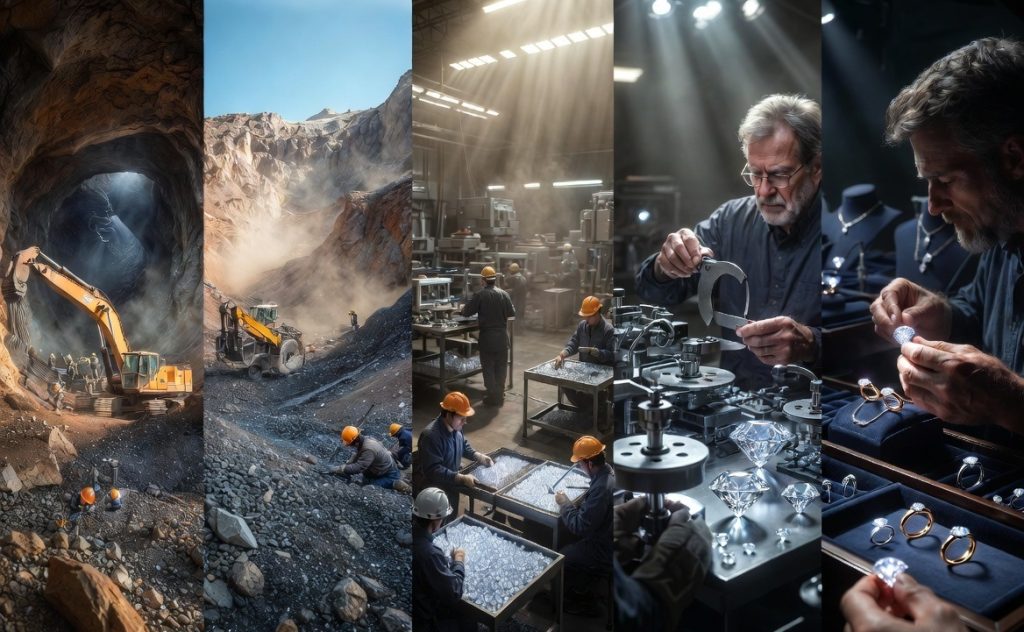
 South african workers, diamond polisher at work, using a polishing wheel to shape and refine a rough diamond, brillianteering

South Africa has introduced new guidelines to retain more economic value from its rough diamonds by promoting local cutting and polishing, rather than exporting goods unprocessed.

Around 90% of its rough diamond production is currently sold abroad. The South African Diamond and Precious Metals Regulator (SADPMR) is tackling this by requiring genuine offers of certain rough to local buyers first – at reasonable prices and practical assortments.

Producers are currently required to allocate 10% of run-of-mine (ROM) rough -total unsorted output straight from the mine – to the State Diamond Trader (SDT), a government entity that resells it to local beneficiators (licensed cutters and polishers).​

The remaining 90% (known as non-SDT rough) has, until now, been exported by sellers who have deliberately deterred local buyers with high prices and poor bundles, favoring tenders in Antwerp and Dubai.​

SADPMR now mandates that they make genuine rather than sham offers to sell this non-SDT rough to domestic cutters and polishers.

It must be displayed for at least four days at the Diamond Exchange and Export Centre (DEEC) in Johannesburg before export approval. There is no quota change, just stricter enforcement to boost local uptake.

Souurce: DCLA

Tuesday, 10 December 2024

Indian Digger’s Diamond Fetches $111,000

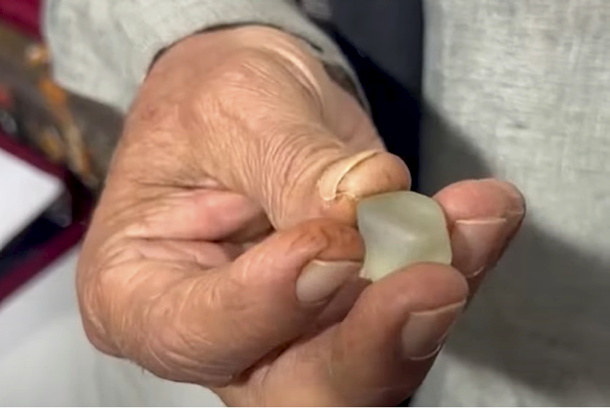
19.22 carat rough diamond

A 19.22 carat diamond, recovered from a shallow mine by a part-time digger in India’s Panna district, sold at auction for $111,000 (Rs 93,79,360).

It was one of 29 diamonds sold by the Panna Diamond Office, as part of a deal in which farmers and laborers rent small patches of land from the government. The other 28 stones raised just over $28,000 between them.

Many of the stones recovered have failed to find buyers at the three-monthly auctions over the last two years, but demand picked up at this latest event, with large crowds of bidders in attendance.

Panna is said to be home to 1.2m carats. Part-time miners pay $2.70 for the rights to dig a 25ft square patch there and diamond finds are quite common.

In February 2022 a part-time prospector dug up a 26.11-carat diamond which later sold for at auction for $193,000.

Source: DCLA

Monday, 18 November 2024

KP Votes to End Ban on CAR Diamonds

The Kimberley Process voted to allow rough diamond exports from the Central African Republic (CAR) after imposing a ban in 2013 as a civil war raged.

The Kimberley Process voted to allow rough diamond exports from the Central African Republic (CAR) after imposing a ban in 2013 as a civil war raged.

The Seleka, a coalition of predominantly Muslim rebel groups, toppled the government in a conflict, reportedly funded by conflict diamonds, that saw widespread killings, rapes, and destruction of villages.

The country – one of the world’s poorest – still faces significant challenges in establishing lasting peace and stability, although the government and its Russian mercenary allies have since pushed rebel groups out of major towns.

The KP, at its plenary in the UAE last Friday (15 November), voted to re-admit CAR as a full member, in light of what it described as “an improving security situation”.

Diamond exports have, until now, been outlawed from the so-called red zones – representing two thirds of his country’s diamond mining areas. They will now be allowed. 

Legal exports, from CAR’s green zones, totaled just under $8m in 2020, the latest year for which KP has figures – 50,433 carats for an average $142 per carat.

Rufin Benam-Beltoungou, CAR’s minister of mines and geology spoke of his “joy and satisfaction” over the full lifting of the rough export ban.

UAE’s Kimberley Process chair, Ahmed Bin Sulayem, travelled to CAR and had pushed extensively for the KP to initiate a review mission to fast-track the country’s reintegration.

Source: DCLA

PS: Plain to see that the Kimberley Process is a political tool and not a safegaurd for the diamond industry.

Tuesday, 23 July 2024

Huge Budget Boost for India’s Diamond Industry

Huge Budget Boost for India’s Diamond Industry

India’s diamond industry welcomed a raft of measures announced in today’s budget (23 July) which will encourage direct diamond sales from foreign mining companies and reduce tax on key raw materials.

Finance Minister Nirmala (pictured) said safe harbor rates would be introduced, providing fixed and favorable tax rates for rough purchases in the country’s SNZs (Special Notified Zones).

Safe harbor streamlines the taxation process and eliminates unexpected liabilities for foreign suppliers.

Sitharaman also announced significant tax reductions on gold and silver to 6 per cent (from 15 per cent and 10 per cent) and on platinum to 6.4 per cent (from 12.5 per cent) and the exemption of diamond sales from a 2 per cent equalization levy aimed at promoting sustainability.

“India is a world leader in the diamond cutting and polishing industry, which employs a large number of skilled workers,” Sitharaman said in her Budget speech.

“To further promote the development of this sector, we would provide for safe harbor rates for foreign mining companies selling raw diamonds in the country.”

“I want to applaud and congratulate the Central Government for their three-point game changing decisions for the gems and jewellery industry,” said Vipul Shah, chairman of GJEPC (Gem and Jewellery Export Promotion Council).

“The reduction of customs duty on gold and silver, exclusion of diamond sector from 2 per cent equalisation level and simplifying taxation rules in Special Notified Zones (SNZ) for rough diamonds will provide a leadership position to the Indian gems and jewellery industry.”

Source: DCLA

Sunday, 7 July 2024

Diamond Industry is Shrinking

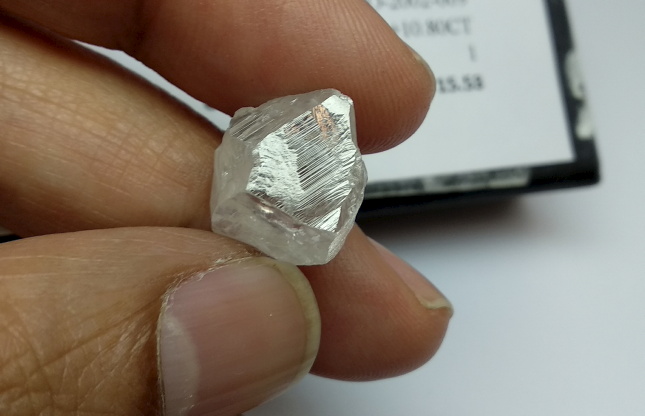
rough diamond

large natural rough diamond being inspected

The value of rough diamonds mined globally during 2023 fell by just over 20 per cent, down from $16bn in 2022 to $12.7bn according to the latest Kimberley Process (KP) figures.

The volume of diamonds mined fell by 7.6 per cent to 111.5m carats, and average per carat prices slipped almost 14 per cent from $132.27 to $114.10.

Production in Russia fell by 11 per cent, from 42m carats in 2022 to 37.3m carats, although average price carat actually increased by 14 per cent from $84.77 to $96.64. Exports were down 5 per cent to $3.68bn.

Botswana’s production volume increased slightly to 25.1m carats in 2023 but plunged 30 per cent by value, from $4.7bn in 2022 to $3.3bn.

The global diamond industry peaked in 2017, according to historical KP data, when production hit 150m carats, a 16 per cent leap from 126m carats the previous year.

It held firm at 149m carats in 2018, then slipped to 138m carats in 2019; 107m carats in 2020 (down 22 per cent) and 119m carats in 2021.

Source: DCLA

The Diamond: Nature’s Most Remarkable Gem

Diamonds are among the most fascinating natural materials on Earth. Known for their beauty, rarity, and incredible durability, diamonds have...