Showing posts with label synthetic. Show all posts

Monday, 15 September 2025

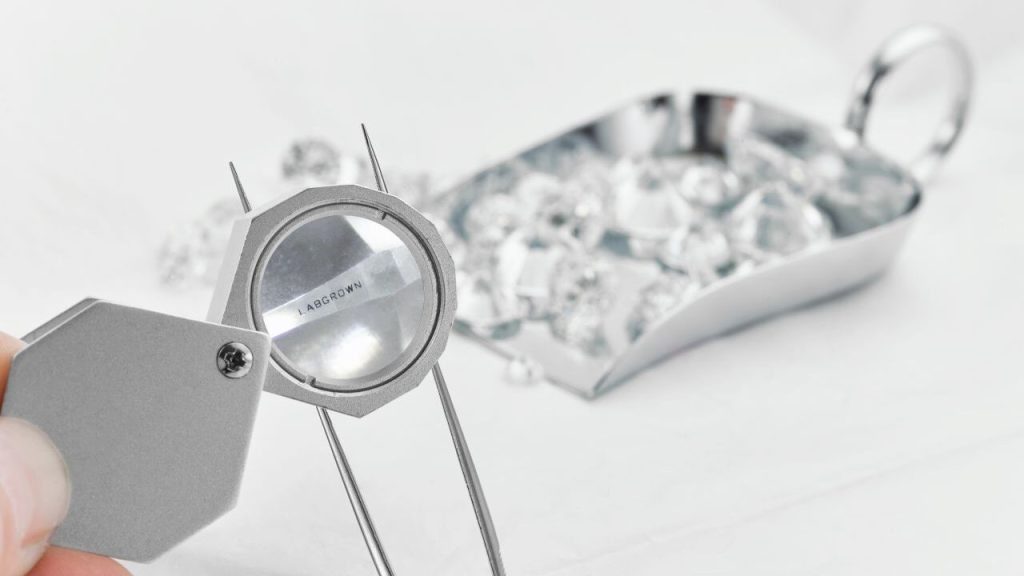
CIBJO U-Turn: Don’t Say Lab Grown, Say Synthetic

Don't Say Lab Grown, Say Synthetic

The World Jewellery Confederation (CIBJO) is set to reverse a decision made in 2010 – and insist that non-natural diamonds are labelled as “synthetic”.

It says the terms “laboratory-grown” and “laboratory-created” should be removed from the Diamond Blue Book – the de facto standard for diamond terminology, grading and trade practices – and from all relevant ISO Standards.

In addition, the 4Cs grading system should be used only for natural diamonds (as the GIA is now doing).

Udi Sheintal (pictured), president of CIBJO’s Diamond Commission, said the original acceptance of lab grown terminology had been well-intentioned, but proved to be misplaced.

“At the time, we believed we were acknowledging a commercial reality and extending a constructive hand to a new segment of the industry,” he said, in a special report ahead of the 2025 CIBJO Congress in Paris at the end of October.

“We hoped for a spirit of cooperation, with shared standards, ethics and transparency.”

But he said many in the synthetic diamond sector — along with some grading laboratories and major retail chains – took advantage of that inclusive approach.

“In addition, the marketing narrative around synthetic diamonds has been aggressively shaped to position them as the more ethical, sustainable, and conflict-free choice, almost always without substantiation.”

He also called for greater transparency, requiring that all descriptions and marketing of synthetic diamonds reflect the reality of their origin: they are not grown or created in a “laboratory,” but rather are manufactured in industrial facilities through artificial processes.

Source: IDEX

Thursday, 19 June 2025

HRD to Stop Grading Lab Growns

HRD


Belgium’s HRD lab says it will no longer grade lab grown diamonds.

It wants to create what it calls a “clear distinction between natural and synthetic diamonds”.

HRD, a subsidiary of the Antwerp World Diamond Centre (AWDC), says it is the first lab to stop lab grown certification, although it will still issue certificates for jewelry containing lab growns.

The move, announced yesterday (18 June) follows GIA’s decision earlier this month to grade lab growns only as “premium” or “standard”, without scores for color or clarity.

It further emphasizes the distinction between natural and lab grown diamonds.

“As of 2026, we will no longer issue quality certificates for loose synthetic diamonds intended for commercial use,” said Ellen Joncheere, CEO of HRD Antwerp.

“In limited cases, we will continue to analyze synthetic diamonds, but strictly for research purposes. Jewellery containing synthetic stones will still be eligible for certification.”

HRD started grading lab growns in 2013, albeit with fewer grades of color and clarity than natural diamonds. In 2019 it aligned lab growns with natural stones, a move that appeared to signal greater parity between the two sectors.

Karen Rentmeesters, CEO of parent company AWDC, said: “By becoming the first diamond lab in the world to take an explicit and exclusive stance in favour of natural diamonds, HRD Antwerp is sending a strong signal.

“A clear distinction between natural and synthetic diamonds is essential to strengthen consumer trust and help safeguard the future of natural diamonds.”

Source: IDEX

Monday, 1 January 2024

Hong Kong Busts $64M Diamond Scam

Hong Kong Busts $64M Diamond Scam

Hong Kong authorities have arrested four people suspected of running a money-laundering syndicate that falsely declared synthetic diamonds as natural.

The operation, which authorities codenamed “Gem Crusher,” was the first money-laundering case using transnational diamond trading the Hong Kong Customs and Excise Department has detected, the government organization said Thursday.

On December 19 and 20, customs raided eight premises across multiple areas in Hong Kong, including residential and business locations. So far, authorities have frozen HKD 8.2 million ($1.1 million) in assets belonging to those in custody.

Hong Kong customs officials were alerted to the scheme earlier this year and launched a financial investigation, exchanging information with authorities in India, the department explained.

Members of the crime syndicate had established diamond-trading companies in both Hong Kong and India. Throughout 2021, the syndicate exported low-value lab-grown diamonds from Hong Kong to India with fictitious declarations presenting them as high-value naturals.

The purpose was to “transfer significant amounts of suspicious funds from India to Hong Kong,” authorities alleged. The suspects laundered around HKD 500 million ($64 million), the department claimed.

During the raid, customs seized a “large quantity of suspected synthetic diamonds, a small quantity of natural diamonds, about HKD 1 million [$128,055] in cash, a number of mobile phones, computers, company [seals], checkbooks, bank cards, bank documents and trading documents” from the four suspects, authorities said.

The four men — believed to be the “masterminds, ring leaders and members” of the syndicate — were arrested on suspicion of “dealing with property known or reasonably believed to represent proceeds of an indictable offense.”

The investigation is ongoing, and further arrests cannot be ruled out, customs noted.

Source: DCLA

Wednesday, 29 July 2020

“Botswana Should Not Produce or Sell Synthetic Diamonds”


According to the official, synthetics will “compromise” the value of Botswana’s natural diamonds
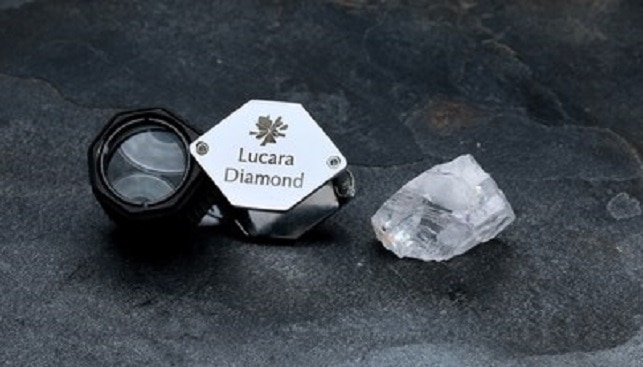
Lucara 123 carat diamond
Lucara Diamonds
Mmetla Masire, permanent secretary at Botswana’s Ministry of Minerals, said in a Parliamentary Accounts Committee quoted by Rough & Polished that Botswana cannot engage in production and sale of synthetic diamonds as this will compromise “the value of our diamonds”. Credit: Debswana
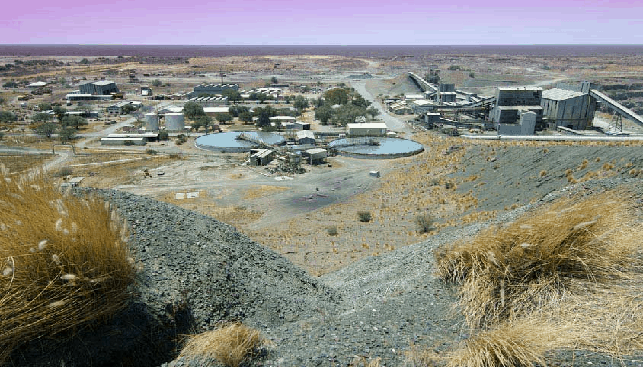
The Letlhakane diamond mine in Botswana
De Beers mining
Masire said that “Botswana will send a confusing message to its customers should it decide to produce and sale synthetic diamonds”. He added that the Debswana Diamond Company (the joint venture between the government of Botswana and diamond miner De Beers) is searching for other markets other than the US to sell its diamonds, including in China. Credit: De Beers
Masire “refused to provide an update on the ongoing negotiations between Gaborone and De Beers as disclosure of any information pertaining to the negotiations will potentially influence the outcome”. Botswana and De Beers’ huge 10-year diamond sale agreement is expected to expire by the end of 2020. Botswana accounts for more than two-thirds of De Beers’ diamond production.
Source: DCLA

“Botswana Should Not Produce or Sell Synthetic Diamonds”


According to the official, synthetics will “compromise” the value of Botswana’s natural diamonds
Lucara 123 carat diamond
Lucara Diamonds
Mmetla Masire, permanent secretary at Botswana’s Ministry of Minerals, said in a Parliamentary Accounts Committee quoted by Rough & Polished that Botswana cannot engage in production and sale of synthetic diamonds as this will compromise “the value of our diamonds”. Credit: Debswana
The Letlhakane diamond mine in Botswana
De Beers mining
Masire said that “Botswana will send a confusing message to its customers should it decide to produce and sale synthetic diamonds”. He added that the Debswana Diamond Company (the joint venture between the government of Botswana and diamond miner De Beers) is searching for other markets other than the US to sell its diamonds, including in China. Credit: De Beers
Masire “refused to provide an update on the ongoing negotiations between Gaborone and De Beers as disclosure of any information pertaining to the negotiations will potentially influence the outcome”. Botswana and De Beers’ huge 10-year diamond sale agreement is expected to expire by the end of 2020. Botswana accounts for more than two-thirds of De Beers’ diamond production.
Source: DCLA

How Efforts to Control the Diamond Trade Are Hurting the Very Communities They Were Supposed to Protect

For more than two decades, global policies aimed at restricting the flow of diamonds from conflict zones most notably through the “blood dia...