Sunday, 31 August 2025

Lucara Recovers 1,019 Carat Diamond and Rare Pink Type IIa at Karowe Mine

Rare Pink Type IIa Diamond

Lucara Diamond Corp has announced the recovery of two notable stones from its 100% owned Karowe Mine in Botswana during August 2025.

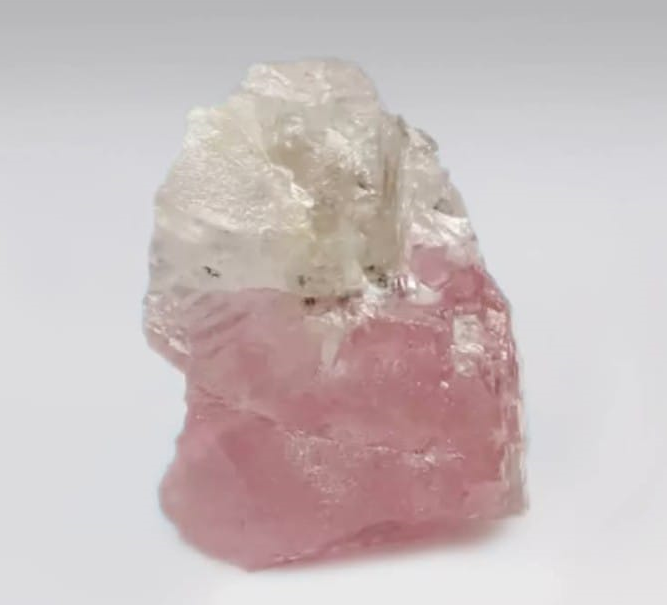
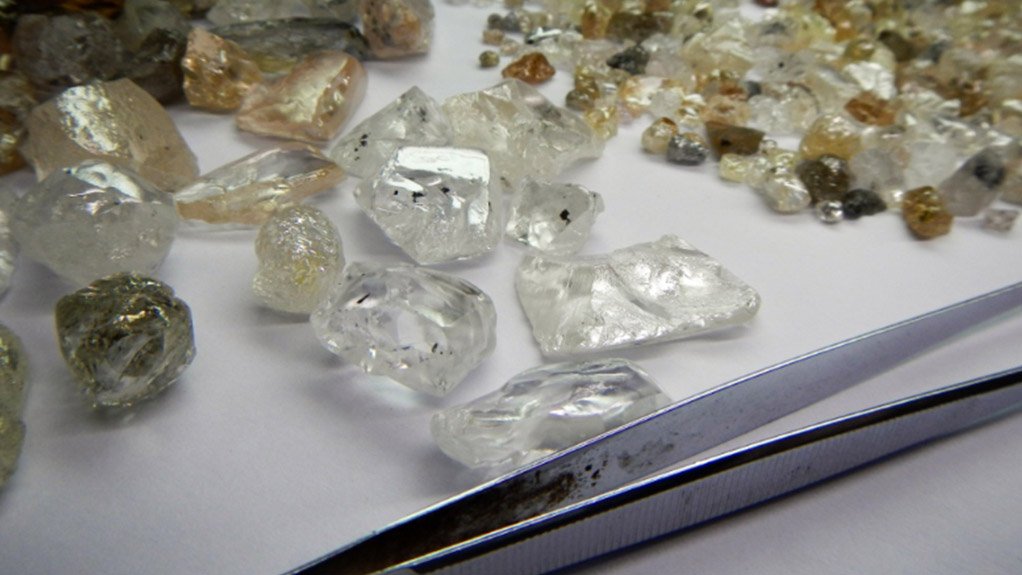
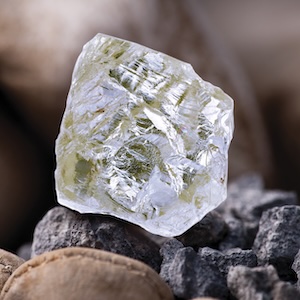
The most significant find is a 1,019.85 carat non-gem diamond, recovered through Lucara’s Mega Diamond Recovery unit. This marks the ninth diamond weighing over 1,000 carats to be recovered from Karowe, and the third such discovery in 2025 alone. In addition, the company reported the recovery of a 37.42 carat near-gem pink Type IIa diamond.

Both stones were recovered from processing EM/PK(S)1 material — the same unit that has produced the majority of the world’s largest recorded natural diamonds.

William Lamb, President and CEO of Lucara, stated that drawing $10 million from the company’s Standby Undertaking with its largest shareholder was a strategic step to ensure financial flexibility during the ongoing Underground Project (UGP) capital programme. He added that the recovery of such exceptional diamonds continues to demonstrate the long-term value potential of Karowe and the ongoing confidence of Lucara’s shareholders.

Thursday, 28 August 2025

Gemfields Recovers its Biggest Ever Emerald

Biggest Ever Emerald

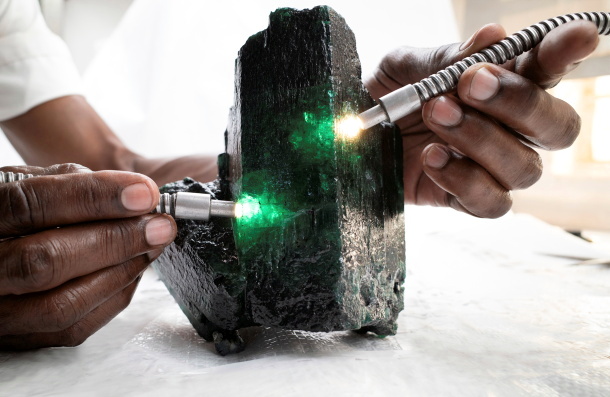
Gemfields has recovered a huge 11,685-carat (2.3kg) emerald – the biggest from its Kagem mine, Zambia, and possibly the biggest in the world.

The gemstone, called Imboo (the ‘buffalo’ in the local Bemba and Lamba dialects), eclipses the 7,525-carat Chipembele (the ‘rhino’), which was recovered at Kagem in July 2021, and which was recognized by Guinness World Records in April 2022 as the largest uncut emerald crystal recovered from a mine.

In January 2025, Almighty Gems in Coimbatore, India, displayed what it described as a record-breaking single emerald stone weighing 53,750 carats.  But it has yet to be officially verified by an independent authority.

The newly-recovered Imboo emerald is being offered for sale at the Gemfields auction in Bangkok which runs until 11 September.

Jackson Mtonga, grading manager at the Kagem sort house, said: “In my 30 years at Kagem, I’ve rarely seen such a remarkable formation of large, high-quality crystals.  This is a true masterpiece carved by nature’s hand.”

Imboo was discovered at Kagem’s Chama pit on 3 August by geologist Dharanidhar Seth, and Justin Banda, a veteran chiseller.

Source: DCLA

Wednesday, 27 August 2025

Michael Hill Revenue Flat in Challenging Market

Michael Hill

Australia-based jewelry retailer Michael Hill International says revenue for FY 2025 – the year to 29 June 2025 – was broadly flat compared with the previous year, down 0.2 per cent to AUD 643.7m (USD 431.3m).

Trading conditions remained challenging, it said, with the addition of volatile gold and diamond prices and US tariffs.

However group sales for the first seven weeks of FY 2026 were up 3.0 per cent year-on-year, and same store sales were up 3.2 per cent.

The company has 287 stores (down from 300 last year) in Australia, New Zealand and Canada, including low-price retailer Bevilles, Medley, and its new luxury business TenSevenSeven.

“Global economic uncertainty and challenging retail trading conditions persisted across all markets, with full year sales, gross margin and earnings broadly in line with prior year,” the company said in its Full Year Results, published yesterday (25 August).

Michael Hill chair Rob Fyfe paid tribute to CEO Daniel Bracken, aged 57, who died suddenly in February, and to founder Sir Michael Hill who died of cancer, aged 86, in July.

Source: DCLA

Tuesday, 26 August 2025

Will Taylor Swift’s Engagement Ring Spark a Revival of Old Mine Cut Diamonds?

Taylor Swift’s Engagement Ring

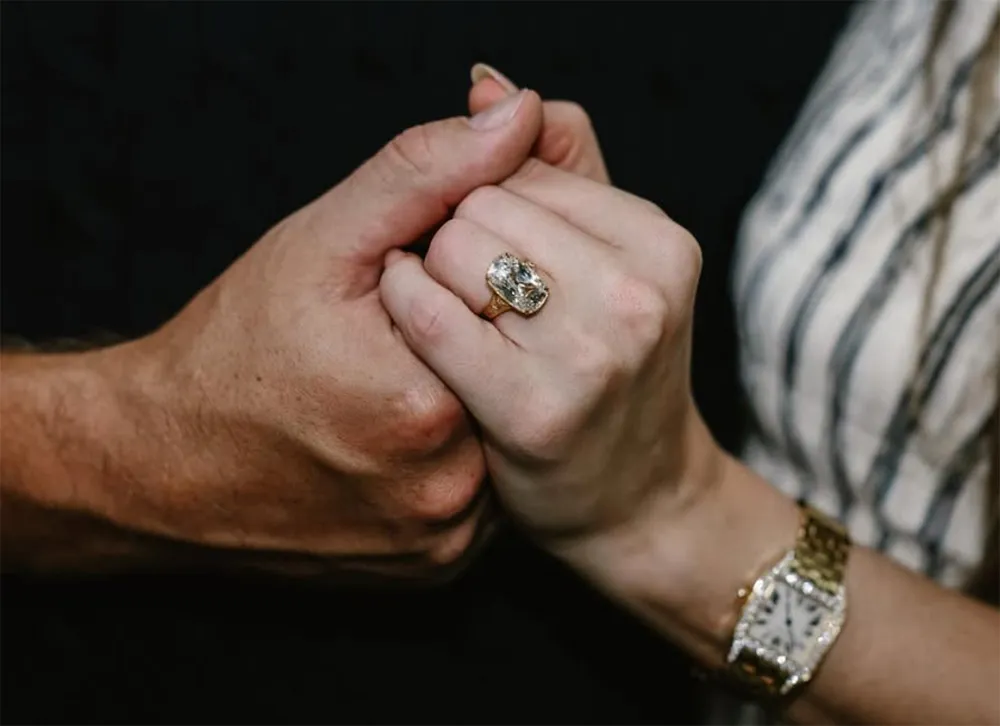
Taylor Swift and Travis Kelce’s engagement has captured global attention but it’s the diamond on Swift’s finger that has the jewellery world talking. The ring, created by Kindred Lubeck of Artifex Fine Jewelry, showcases what appears to be an old mine cut diamond, set in a delicate yellow gold bezel band. Its vintage charm, impressive size, and famous wearer have already made it one of the most talked-about engagement rings of the year.

What Makes Old Mine Cut Diamonds Special?

Old mine cuts are antique diamonds, hand-cut in the 18th and 19th centuries, before modern technology standardised proportions. Each one is truly unique, known for:

Chunky facets that give off a soft, romantic sparkle.

A high crown and small table, creating depth and character.

An open culet, a tiny facet at the bottom that adds to its antique charm.

Unlike today’s round brilliants, no two old mine cuts are ever the same—making them a perfect choice for those who want something one-of-a-kind.

The Value of Swift’s Diamond

Experts estimate Taylor’s diamond to be between 8 and 15 carats, with valuations ranging anywhere from USD $400,000 to over $1 million depending on its exact specifications. While few engagement ring budgets stretch quite that far, her choice highlights a rising trend: a return to antique and vintage stones.

Why Are Couples Choosing Antique Cuts?

In recent years, there’s been a growing interest in diamonds with personality and heritage. With the rise of lab-grown diamonds offering affordability and size, many buyers are instead turning to antique stones for uniqueness and history. As one jeweller put it: “Antique stones offer character you simply can’t replicate.”

A Timeless Trend

Taylor Swift’s engagement ring has brought the old mine cut back into the spotlight, and for many couples, it’s a reminder that engagement rings don’t have to follow the latest modern style. Choosing an antique cut is about more than sparkle—it’s about individuality, history, and wearing a diamond with a story.

At the Diamond Certification Laboratory of Australia (DCLA), we see growing demand for antique diamonds, and we understand why. They’re rare, distinctive, and timeless—just like the love stories they represent.

Source: DCLA 

Monday, 25 August 2025

Global Diamond Market Turmoil: Botswana Declares Health Emergency, India Faces Tariff Shock, Zimbabwe Strengthens Ties with India

India Faces Tariff Shock, Zimbabwe Strengthens Ties with India

The volatility in the global diamond industry is beginning to have severe humanitarian and economic consequences across producer and manufacturing nations. Recent developments highlight the fragility of economies that rely heavily on diamonds, and the urgent need for market stability.

Botswana: Diamond Slump Triggers Public Health Emergency

Botswana, the world’s leading diamond producer by value, has declared a public health emergency after revenues from diamond sales halved in 2024. Production is expected to fall by at least 25 per cent this year, leaving the government with severe financial shortfalls.

Earlier today (25 August), President Duma Boko announced the emergency, citing a critical shortage of essential medicines. To address the crisis, 5 billion pula (USD 348m) has been reallocated from other government funds, while the state-owned Botswana Development Corporation has pledged 100 million pula (USD 7.3m). The president has also appealed to pension and insurance funds for support.

The military has been mobilised to distribute urgently needed medical supplies to rural areas. The Ministry of Health has identified shortages in medicines for hypertension, cancers, diabetes, asthma, eye conditions, tuberculosis, sexual and reproductive health, and mental health.

Although President Boko has referred to “market challenges” in official statements, local and international media have directly linked the crisis to collapsing diamond revenues, underlining the nation’s heavy dependence on the industry.

India: Tariffs Threaten 150,000 Diamond Jobs

In India, which processes the vast majority of the world’s diamonds, the industry faces a fresh crisis as the United States prepares to double tariffs on polished stones from 25 per cent to 50 per cent on 27 August.

The Diamond Workers Union Gujarat (DWUG), which represents a large section of Surat’s workforce, has warned Prime Minister Narendra Modi that the tariff hike could wipe out 150,000 to 200,000 jobs – nearly a fifth of India’s diamond workforce.

DWUG is urging the government to revive the Ratnadeep Scheme, originally introduced in 2008–09 during the global financial crisis. The scheme provided retraining opportunities and a daily stipend for unemployed diamond workers.

The union has also raised alarm over rising distress among workers, noting that at least 80 unemployed diamantaires have taken their lives in the last two years.

Zimbabwe: Building Closer Trade Links with India

While Botswana and India face mounting pressures, Zimbabwe is positioning itself to deepen diamond trade relations with India.

Vice President Constantino Chiwenga recently visited Surat to explore direct trade agreements that would bypass intermediaries. He also invited Indian investors to consider joint ventures in Zimbabwe’s mineral processing and industrial sectors.

With US tariffs on Zimbabwean diamonds set at 15 per cent – compared to India’s new 50 per cent rate – Zimbabwe sees an opportunity to attract Indian buyers and investors.

During the visit, Chiwenga met with leaders of Hari Krishna Exports to discuss partnerships aimed at moving Zimbabwe further up the value chain, from rough exports to local cutting, polishing, and manufacturing. Such developments could create significant employment opportunities, build local expertise, and reduce poverty in diamond-producing communities.

The Bigger Picture

These three stories highlight the immense global impact of diamond market fluctuations. For producer nations like Botswana and Zimbabwe, as well as manufacturing hubs like India, the stakes are not merely financial – they are deeply social and humanitarian.

The current instability underscores the importance of transparent, sustainable, and diversified diamond economies, alongside stronger international collaboration, to secure both industry resilience and the livelihoods of millions who depend on it.

Sunday, 24 August 2025

De Beers and Blockchain: Revolutionising Diamond Tracking – But What About the Other 95%?

Diamond Tracking Blockchain

The diamond industry has long sought to improve transparency and accountability in how stones are tracked from mine to market. Historically, this relied on paper certificates and manual verification, which were open to forgery, loss, or human error. In recent years, blockchain technology has been introduced as a potential game-changer, offering an immutable digital record of a diamond’s provenance.

From Certificates to Blockchain

Where traditional certificates only provided a snapshot at one point in time, blockchain creates a permanent digital ledger that records every transaction across the supply chain. By using cryptography and decentralisation, platforms like De Beers’ Tracr system provide real-time verification and an unbroken chain of custody for participating diamonds.

For newly mined stones, this represents an important step forward in consumer confidence. Every registered diamond receives a unique digital identity, effectively becoming a “digital twin” of the physical gem. As the diamond travels through cutting, polishing, wholesale, and retail, each transfer is logged and verifiable.

The Limitation: 95% of Diamonds Already in Public Hands

However, while blockchain provides strong assurances for newly mined diamonds, it is important to recognise its limits. More than 95% of all natural diamonds ever mined are already in private hands in jewellery, collections, and across secondary markets. These stones, already in circulation, were never registered on blockchain platforms and therefore cannot be retrospectively traced using this technology.

This means the vast majority of diamonds in existence today remain outside blockchain systems. While blockchain strengthens transparency for future production, it does not solve the challenges of verifying provenance for the overwhelming supply of diamonds already circulating globally.

Why This Matters for Consumers

For buyers and sellers in the secondary market, blockchain is not yet a universal solution. Laboratory expertise remains essential in verifying authenticity, grading, and ensuring consumer protection. At DCLA, as the official CIBJO laboratory for Australia, we recognise the critical role of independent certification. Accurate grading and unbiased reporting remain the foundation of consumer trust particularly for stones not captured by blockchain.

The Future of Diamond Transparency

De Beers’ blockchain initiative is a milestone that may eventually become standard practice across the industry. It addresses many historical weaknesses in tracking systems and aligns with modern consumer demand for ethical sourcing. But for now, blockchain is only part of the answer. The larger challenge remains: how to ensure transparency and trust for the diamonds already in circulation, which make up the majority of the world’s natural supply.

At DCLA, we believe blockchain should be seen as a complementary tool not a replacement for independent laboratory grading and certification. Only by combining robust science with innovative digital systems can the diamond industry achieve true transparency.

Source: DCLA

Thursday, 21 August 2025

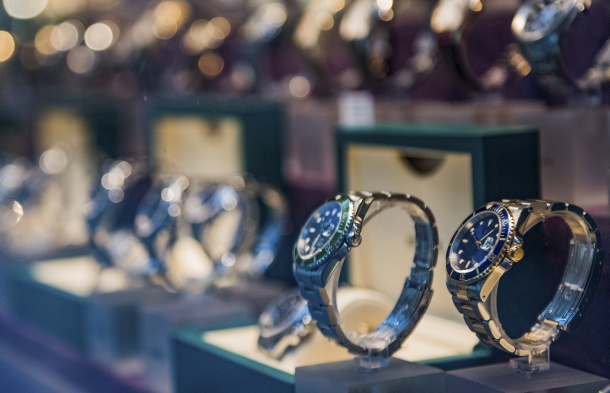
Tariffs Prompt Surge in Swiss Watch Exports to US

Exports of Swiss watches in July rebounded, up 6.9 per cent to CHF 2.4bn (USD 2.98bn) after two months of decline.

Exports of Swiss watches in July rebounded, up 6.9 per cent to CHF 2.4bn (USD 2.98bn) after two months of decline.

The growth was largely driven by front-loading of shipments ahead of 39 per cent US tariffs.

The Federation of the Swiss Watch Industry Exports (FHS) acknowledged that without the tariff-related increase in US sales, overall exports for the month would have fallen by 0.9 per cent.

“In reality, this was a move to build up local stocks and provides little insight into the actual state of the market,” it said.

The US started charging a 39 per cent tariff on all Swiss watch imports, as of 7 August. Manufacturers responded by building up their US stocks ahead of that deadline as a short-term fix.

Swatch Group CEO Nick Hayek told Reuters: “We shipped much more product to the United States, so this means there is not an immediate impact on us.”

Sales to China were down 6.5 per cent after a 6.1 per cent increase in June. And Hong Kong was up 4.6 per cent after a 10.6 per cent drop in June.

Source: IDEX

Wednesday, 20 August 2025

Tiffany & Co. Brings Diamonds to Centre Court at the U.S. Open

Tiffany & Co. Brings Diamonds to Centre Court

The U.S. Open may be best known for its high-intensity rallies and dramatic tiebreaks, but this year, Tiffany & Co. has ensured the spotlight also falls on sparkle. At the 2025 tournament, the jeweller unveiled an exclusive pop-up installation at the USTA Billie Jean King National Tennis Center, highlighted by a diamond-encrusted tennis racket.

Positioned at Fountain Plaza, the immersive Tiffany space is unmistakable, marked by a striking oversized Tiffany Blue tennis ball. Inside, visitors are met with the U.S. Open Championship Trophies—the Men’s and Women’s Singles Cups—each meticulously handcrafted in Tiffany’s Rhode Island workshop. These sterling silver pieces, produced by master silversmiths since 1987, require approximately six months of labour, with more than 60 hours dedicated to precision engraving and finishing.

The Diamond Showpiece

Tiffany & Co. Brings Diamonds to Centre Court

The centrepiece of this year’s display is the Tiffany HardWear tennis racket, adorned with nearly five carats of diamonds across its face. It is accompanied by a 24-karat gold vermeil tennis ball, embellished with a further seven carats of diamonds. While hardly designed for a match on Arthur Ashe Stadium, the pairing reflects Tiffany’s blend of craftsmanship, innovation, and luxury—an exercise in artistry rather than athletics.

Heritage Meets Modern Spectacle

Tiffany & Co.’s long-standing association with sporting excellence is well established. Beyond its near four-decade legacy of producing the U.S. Open trophies, the house also crafts other icons of American sport, including the NFL’s Vince Lombardi Trophy and the NBA Finals’ Larry O’Brien Championship Trophy.

Yet this year’s U.S. Open activation goes beyond tradition. In collaboration with Meta, Tiffany has introduced an AI-powered digital experience, allowing fans to virtually place themselves at centre court, holding a championship trophy for a keepsake “trophy selfie.”

Diamonds in the Spotlight

The Tiffany pop-up runs throughout the tournament until 7 September, giving both tennis enthusiasts and jewellery aficionados an opportunity to step into Tiffany’s world of diamonds and silverware. The installation serves as a reminder that while the U.S. Open celebrates grit and athletic achievement, glamour and craftsmanship continue to share the stage.

Source: DCLA

Tuesday, 19 August 2025

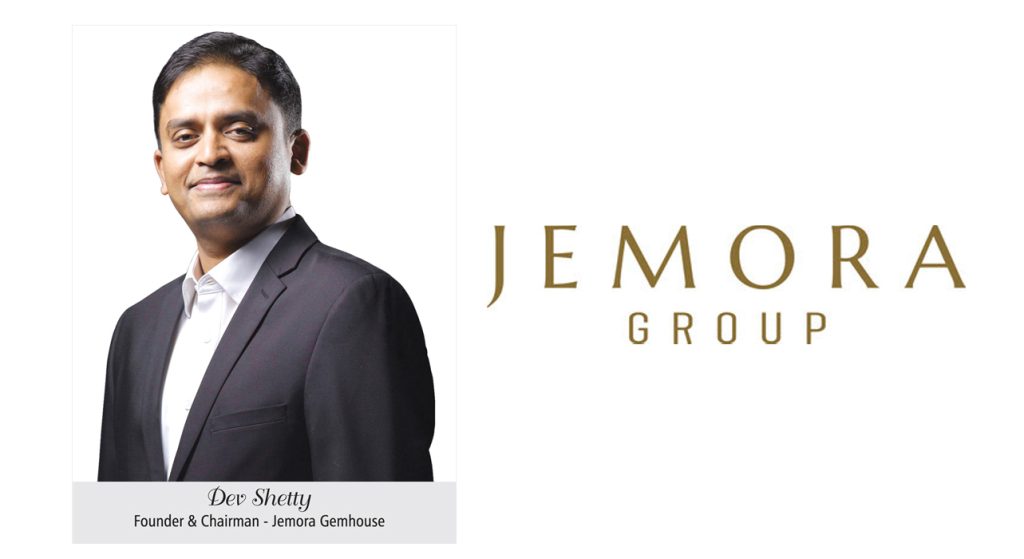
Dubai’s Jemora Group Acquires Lucapa Diamond Company and Its Global Mining Interests

Dubai’s Jemora Group Acquires Lucapa Diamond Company

Dubai, UAE – Gaston International, part of Dubai’s Jemora Group, has finalised an agreement to acquire Lucapa Diamond Company Ltd., securing control of its mining and exploration assets across Angola and Australia. The deal, valued at approximately USD $10 million, marks a significant shift in ownership for one of the sector’s most recognised niche producers of large, high-value diamonds.


Lucapa, previously listed on the ASX, entered voluntary administration in May 2025. Administrators Richard Tucker and Paul Pracilio of KordaMentha Restructuring oversaw the sale process after assessing the company’s financial position and operational assets.


Strategic Assets in Angola and Lesotho

Lucapa’s flagship holding is its 40% stake in the Lulo alluvial diamond mine in Angola, widely regarded as the highest dollar-per-carat mine in the world, achieving an average of USD $2,806 per carat in 2021. The balance of ownership is held by Angola’s state-owned Endiama and private partner Rosas & Petalas.


Since mining began in 2015, Lulo has yielded an extraordinary run of large and rare stones, including 48 Type IIa diamonds exceeding 100 carats. Among them are Angola’s largest ever recorded diamond—the 404-carat “4 de Fevereiro”—and the 170-carat “Lulo Rose”, a rare pink diamond discovered in 2022. Current estimates suggest Lulo still contains 249,000 carats of recoverable diamonds.


Supporting this production are two modern processing plants capable of handling 600,000 cubic metres of gravel annually, equipped with advanced recovery technology specifically designed to maximise recovery of large diamonds.


In addition, Lucapa retains a 39% interest in the Lulo Kimberlite Exploration Project, with Endiama (51%) and Rosas & Petalas (10%). More than 100 kimberlite pipes have been identified within the concession, several containing Type IIa diamonds—strongly suggesting the primary source of Lulo’s exceptional large stones lies within this exploration area.


Lucapa had previously held a majority stake in the Mothae mine in Lesotho, but divested its interest in 2024 as part of a portfolio streamlining initiative.


Expansion into Australia

The acquisition also includes Lucapa’s Australian assets, headlined by the Merlin Diamond Mine in the Northern Territory. Merlin is renowned for producing Australia’s largest diamond and is notable for its gem-quality output—historically, 75% of its recovered diamonds have been classified as gem or near-gem quality, including rare coloured diamonds in yellow, pink, and blue hues.


In addition, Gaston inherits Lucapa’s 80% interest in the Brooking Diamond Project in Western Australia, a promising package of exploration tenements, as well as a base metals project tied to Merlin.


Gaston’s Strategic Outlook

Gaston International stated it intends to work closely with Lucapa’s existing partners and management to maximise the long-term value of these assets. The company views both the operational production at Lulo and the exploration potential of its kimberlite concessions as major growth drivers.


The transaction remains subject to regulatory and court approvals, as well as creditor consent, before share transfers can be completed.


With this acquisition, Jemora Group expands its footprint in the natural diamond sector, positioning itself among the few entities with a diversified portfolio spanning Africa’s premier diamond deposits and Australia’s most significant gem-quality mine.

Source: DCLA

Monday, 18 August 2025

US Jeweler “Sold Lab Growns as Natural Diamonds”

Jeweler "Sold Lab Growns as Natural Diamonds"

A jeweler has been arrested in New Jersey, USA, over allegations that he misrepresented lab grown diamonds as natural.

Justin T. Wentzel, 43, owner of Ice Storm Jewelry, over-valued three items of diamond jewelry by as much as $23,800, according to local police.

A victim made a complaint in June and Wentzel was arrested on 7 August after he was asked to attend police headquarters.

“Mr. Wentzel was charged with theft by deception, criminal simulation, and falsifying or tampering with a record,” said Mount Olive Township Police Department, in a statement.

“Through the course of the investigation, it was determined that Mr. Wentzel sold lab grown diamonds as genuine diamonds and over valued the worth and price of the jewelry by as much as $23,800.”

Wetzel was released pending a court hearing.

Source: DCLA

Sunday, 17 August 2025

India’s Polished Exports Rise in Rush to Beat US Tariffs

India's Polished Exports Rise

India’s gross monthly exports of polished diamonds jumped 17.8 per cent in July, as manufacturers rushed to get their goods into the US before the 50 per cent tariffs took effect.

It was the first year-on-year increase since last October, when the markets showed some small signs of a possible recovery. Since then exports have declined every month.

Foreign sales were $1.07bn, according to the latest data from the Gems and Jewellery Export Promotion Council (GJEPC), following on from India suffered a 23 per cent dip in June, with total exports of $779m.

US tariffs on Indian exports were first announced in April, but didn’t take effect until August. The initial 25 per cent tariff was imposed on 7 August, prompting a rush to export, and an additional 25 per cent tariff – what President Donald Trump describes as a punishment for India buying Russian oil – comes in on 27 August. This could lead to another monthly increase in August, as manufacturers try to beat the next tariff deadline.

Meanwhile, imports of rough diamonds for April to July grew slightly, up 1.5 per cent to $4.37bn.

Overall gross exports of gems and jewelry also rose on tariff worries, up 17 per cent to $2.18bn.

Kirit Bhansali, GJEPC chairman, said: “The July export figures, a successful IIJS Premiere with strong order bookings, and the revival of the Hong Kong market are encouraging signs for our industry, especially amid global challenges such as the impact of US tariffs.”

Source: DCLA

Thursday, 14 August 2025

Administration-led DOCA offers lifeline to Lucapa

DOCA offers lifeline to Lucapa diamonds

Lucapa Diamond Company, the Perth-based miner behind the Lulo alluvial mine in Angola and the Merlin project in Australia, has secured a potential lifeline through a planned Deed of Company Arrangement (DOCA) that promises full repayment to creditors and a partial return to shareholders.

Administrators Richard Tucker and Paul Pracilio of KordaMentha were appointed in May after Lucapa faced plummeting diamond markets and operational strains. They recently reached a binding term sheet with Dubai-based Gaston International, part of the broader Jemora Group, setting the stage for a restructuring that would transfer Lucapa’s shares to the proponent, subject to creditor and court approvals.

Under the proposed DOCA, creditors stand to receive 100c on the dollar, while shareholders may receive up to A$0.018 a share. That potential payout exceeds Lucapa’s last traded share price of around A$0.014 a share.

The company has struggled amid a downturn in diamond prices.

Gaston International invests heavily in mining globally, with a particular affinity for critical minerals and gemstones. Its interest in Lucapa could give the company access to high-value assets while securing its Angolan and Australian operations.

KordaMentha’s dual-track recapitalisation and sale process hinges on creditor approval at meetings scheduled for August 20, court clearance under a key provision of the Australian Corporations Act, and any regulatory consents. If successful, the DOCA would preserve Lucapa’s operations and deliver better outcomes than liquidation, the administrators stated.

Source: Miningweekly

Wednesday, 13 August 2025

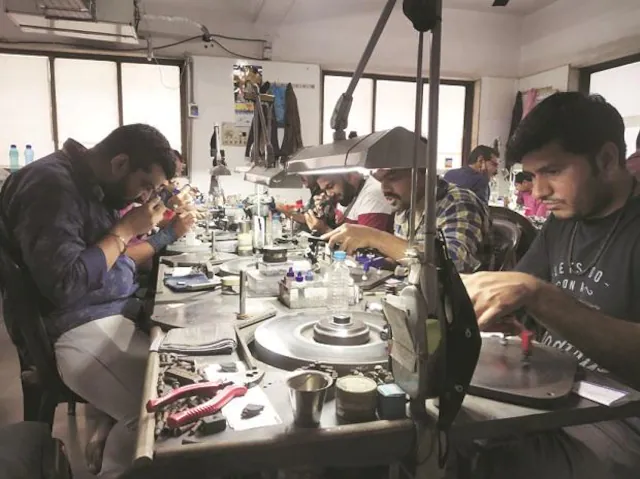
Will US Tariffs Threaten the World’s Largest Diamond Cutting Hub?

The World’s Largest Diamond Cutting Hub

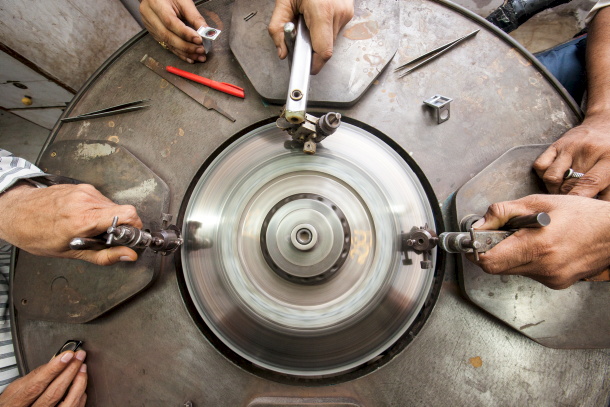
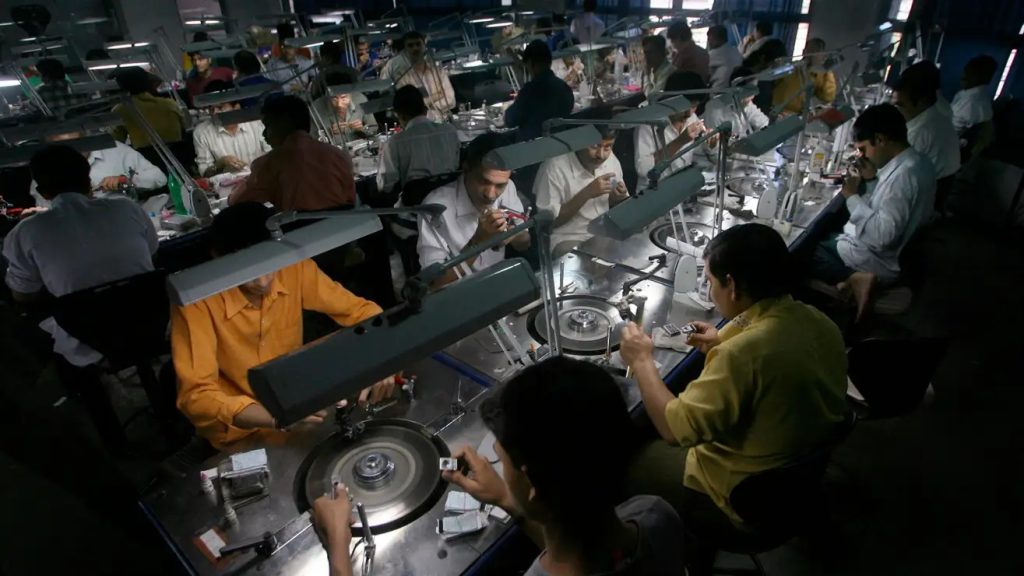
In Surat, India’s famed “Diamond City”, where 14 out of every 15 natural diamonds are cut and polished, a deepening crisis is unfolding.

For Kalpesh Patel, a 35-year-old owner of a small diamond cutting and polishing unit, this year’s Diwali could mark more than just a festival of lights — it may signal the lights going out on his eight-year-old business. Patel employs 40 workers transforming rough stones into polished gems destined primarily for the United States. But with the recent announcement by US President Donald Trump of a 50% tariff on imports from India — taking the total duty on cut and polished diamonds to 52.1% — the industry’s already fragile state may tip into collapse.

The US is India’s largest export market for diamonds, accounting for over one-third of total shipments. In the 2024–25 financial year, India exported $4.8 billion worth of cut and polished diamonds to the US, out of a total $13.2 billion worldwide. For many small and medium-sized manufacturers in Surat, Ahmedabad, and Rajkot — employing more than two million people — this trade lifeline is now under severe threat.

An Industry Already Under Pressure

The tariffs arrive on top of multiple recent challenges. The COVID-19 pandemic slowed global luxury demand, the Russia-Ukraine conflict restricted access to rough diamonds, and the G7 ban on Russian stones further strained supply chains. Salaries for many diamond workers in Gujarat have already been halved in recent years, with some forced into poverty-level incomes. Tragically, industry unions report dozens of suicides linked to the ongoing downturn.

Lab-grown diamonds have added to the pressure, offering consumers a lower-priced alternative — often just 10% of the cost of natural diamonds — and proving difficult to distinguish without professional laboratory testing, such as that provided by DCLA. This shift in consumer preference is eating into the market for natural stones, further squeezing margins for cutters and polishers.

Declining Trade Figures

According to the Gem and Jewellery Export Promotion Council (GJEPC), India imported $10.8 billion worth of rough diamonds in 2024–25, a 24% drop from the previous year. Exports of cut and polished natural diamonds fell nearly 17% year-on-year.

Industry leaders warn that if the new US tariffs remain in place, as many as 200,000 workers could lose their jobs in Gujarat alone.

Ripple Effects Beyond India

The impact will not be confined to India. US jewellers — around 70,000 businesses — will also feel the pressure as higher prices could dampen consumer demand. This could disrupt supply chains, delay deliveries, and push customers towards alternative products.

Finding a Way Forward

Some in the industry see an opportunity to strengthen domestic demand and diversify exports towards Latin America, the Middle East, and other emerging markets. India’s domestic gems and jewellery market is projected to grow from $85 billion to $130 billion within two years, offering a potential buffer.

For now, though, the threat is real and urgent. Without relief on tariffs, support for natural diamond certification, and a coordinated strategy to protect jobs, the world’s biggest cutting and polishing centre risks losing its global dominance — and with it, a key part of the natural diamond supply chain.

As Patel puts it, “Without help, the business will lose its shine forever.”

Source: DCLA

Tuesday, 12 August 2025

The Industry’s “False Sense of Security” – Why Laser Inscriptions Alone Are Not Enough

Why Laser Inscriptions Alone Are Not Enough

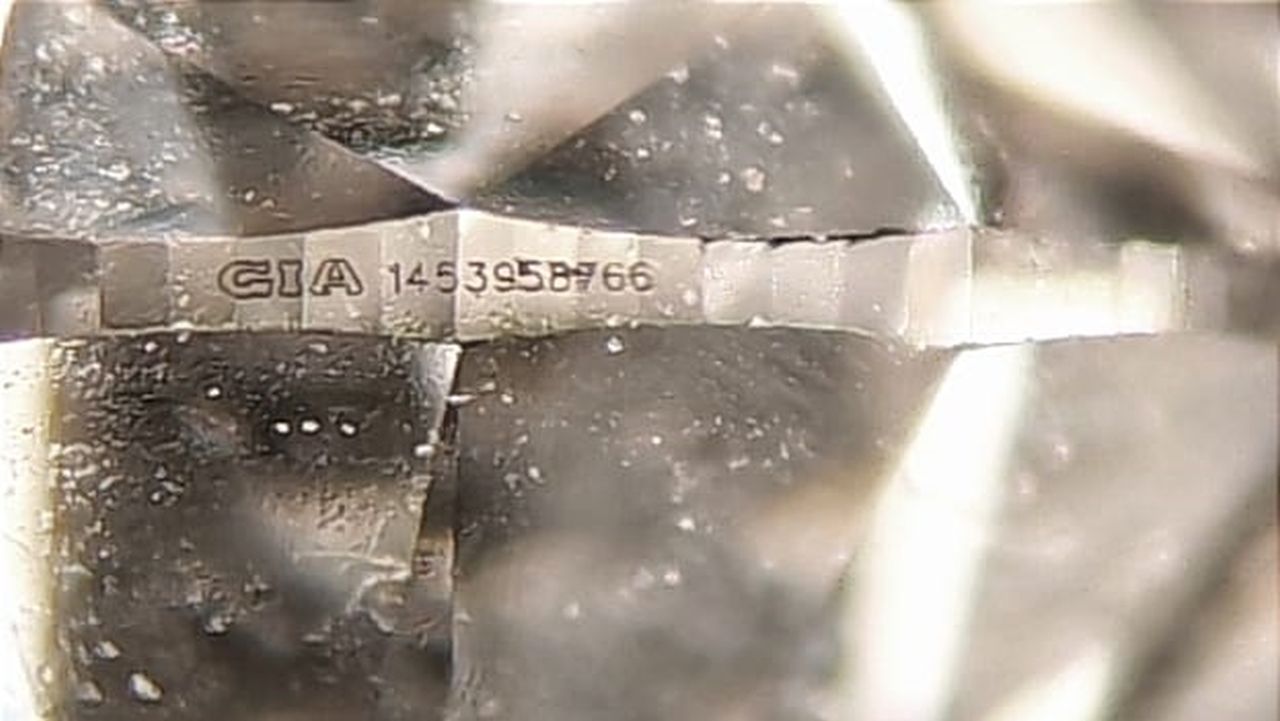
In the diamond trade, we often speak of a laser inscription as if it is an unbreakable bond between a diamond and its grading certificate. However, anyone with real-world experience whether on the manufacturing floor or in the secondary market knows the truth: inscriptions can be removed, altered, or forged.

Polish the girdle and the inscription disappears. Re-cut the stone and it’s gone entirely. Worse still, an inscription can be duplicated onto a different diamond to mimic an existing report number. This is not speculation; it has happened, and more often than many in the trade care to admit.

Another serious vulnerability occurs after grading. Once a diamond is set into jewellery, nothing prevents a switch from taking place during setting, repair, or even in transit. This risk is not confined to smaller stones high-value diamonds have been switched in exactly this way.

Verification presents its own challenges. Even if the diamond is the original stone graded by the laboratory, the inscription is frequently obscured by the jewellery setting. Accessing it often requires removing the stone a delicate procedure that carries risk to both the stone and the setting. Most grading laboratories, including DCLA, will not remove diamonds from their mountings, and many jewellers are reluctant to attempt it due to the potential for irreversible damage.

Digital records, blockchain entries, and grading reports track the details, but they do not track the actual physical stone. If the diamond is switched but the paperwork remains unchanged, the system still appears to validate it as authentic. This is precisely how sophisticated fraud can go undetected.

Until the industry bridges the gap between the physical diamond and its digital record, laser inscriptions will remain a weak link in the chain of security.

At DCLA, we believe the next step in true physical traceability lies in combining advanced identification technology with secure, tamper-proof verification processes ensuring that a diamond’s identity is as enduring as the stone itself.

Source: DCLA

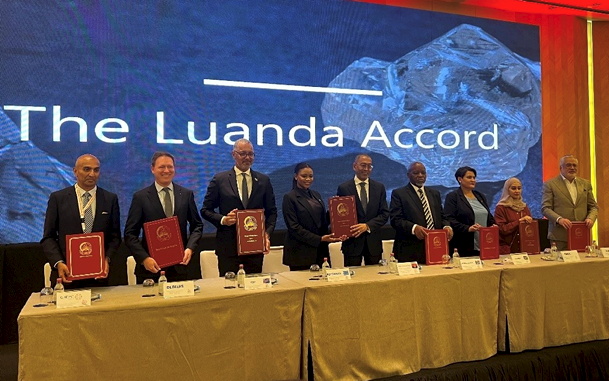
South Africa Joins Luanda Accord to Promote Natural Diamonds

South Africa Joins Luanda Accord

South Africa is to sign up to the milestone Luanda Accord, which is funding a global campaign to promote natural diamonds.

It joined the governments of Angola, Botswana, Namibia, Sierra Leone and the Democratic Republic of the Congo, in June in pledging to contribute 1 per cent of the value of their rough sales annually.

But the move was only approved South Africa’s cabinet last week. Minister in the Presidency Khumbudzo Ntshavheni and confirmed the decision on 7 August, committing 1 per cent of the annual revenues generated from rough diamond sales to a global marketing fund led by the Natural Diamond Council (NDC).

South Africa, the world’s sixth biggest diamond producing nation by value, saw sales down by 21 per cent last year amid the global slowdown.

The country’s mining minister mining minister Gwede Mantashe was listed as a signatory to the Luanda Accord in an official communique after the agreement.

But a conflicting Reuters report said South Africa did not actually sign at the time and has only done so now.

The Luanda Accord is seen as a potential turning point for the sector, aiming to rebuild consumer trust and interest in natural diamonds over lab growns, by emphasizing their origin, authenticity, and community impact.

It will highlight the positive economic and social contributions of the natural diamond industry to producing nations and their communities.

Governments of the African diamond producing nations have been joined by the Antwerp World Diamond Centre (AWDC), African Diamond Producers Association, India’s Gem and Jewellery Export Promotion Council (GJEPC) and the Dubai Multi Commodities Centre (DMCC).

Source: DCLA

Monday, 11 August 2025

Petra to Refinance as Sales Slide by a Third

Petra Diamonds - Cullinan Diamond Mine

Petra Diamonds has announced plans for a major refinancing program – together with a 33 per cent slide in revenue for FY2025.

The UK-based miner, which has recently sold off two of its four diamond mines, is facing substantial financial and operational challenges.

It is proposing an extension of senior secured bank debt and notes due early next year to 2029 and 2030 respectively, together with a $25m rights issue.

The moves are designed to preserve cash, extend debt repayment timelines, and ensure Petra can continue investing in its two remaining core mines – Cullinan and Finsch, both in South Africa.

Petra’s latest sales results, published on the same day (8 August) as its refinancing package, show some positive momentum in the market with like-for-like rough diamond prices from its latest tender, but revenue for Q4 was down 49 per cent year-on-year to $50m.

Revenue for FY2025 was $206m, down 33 per cent year-on-year from $309m and net debt increased to $264m.

“We would once again like to acknowledge the resilience shown by our employees in navigating a very difficult period for the company and the diamond sector as whole,” the company said in its Q4 and FY 2025 Operating Update.

Meanwhile, in its refinancing proposal Petra said: “Petra has, over the past 18 months, been focused on an internal restructuring that has resulted in a simpler and more streamlined business and operating model.

“This has included the sale of the Koffiefontein and Williamson mines, multiple labour restructuring initiatives and an optimisation and smoothing of the group’s capital development profiles.”

Source: DCLA

Thursday, 7 August 2025

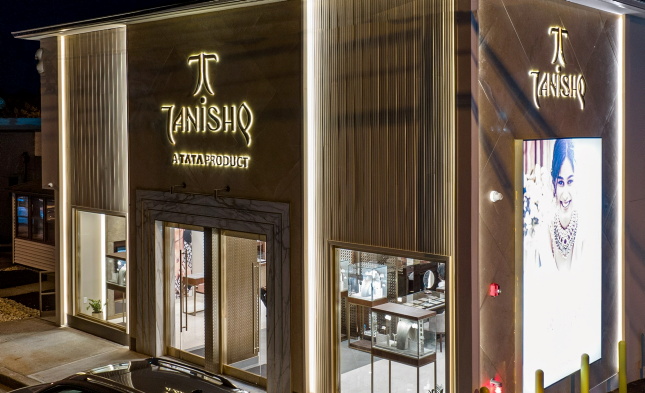
Tanishq Offers “First” In-Store Diamond Evaluation

Tanishq Showroom in Iselin, New Jersey

Indian jewelry retailer Tanishq is introducing in-store diamond evaluation some of its 500-plus outlets, as part of an ongoing partnership with de Beers.

Customers will be able to see proof that the diamond they’re buying is natural rather than lab grown, thanks to the De Beers SynthDetect machine, which works with loose and mounted stones.

They can also have diamonds tested with Lightscope, which measures light performance, and with other equipment for performance, inclusions, and laser markings.

Tanishq, part of the Titan group, says the launch of its Diamonds Expertise Centres is designed to give customers greater peace of mind by presenting complex gemological data as simple, visual insights. It says the centers are a “first of a kind initiative”.

The first three are in Bengaluru, but the company plans to expand them to 200 stores this year and eventually to all its outlets.

Ajoy Chawla, CEO at Tanishq, said: “Our aim is to set a new standard in natural diamond retail — one that goes beyond traditional display and transforms the buying journey into a transparent, educational, and truly immersive experience.”

Last August Tanishq and De Beers jointly announced that they’d be working together to promote natural diamonds in India, now the world’s second biggest diamond market.

The partnership leverages Tanishq’s retail presence and De Beers’ expertise and proprietary diamond verification technology.

Source: DCLA

Wednesday, 6 August 2025

Double Whammy: Trump Hikes India Tariff to 50%

Trump Hikes India Tariff to 50%

US President Donald Trump today (6 August) doubled the tariff on all imports from India to 50 per cent, as a punishment for its oil purchases from Russia.

India’s diamond industry, already reeling from confirmation last week of a 25 per cent reciprocal tariff, is in shock that their goods will be subject to a second 25 per cent surcharge.

“I find that the Government of India is currently directly or indirectly importing Russian Federation oil,” Trump said in an executive order.

“Accordingly, and as consistent with applicable law, articles of India imported into the customs territory of the United States shall be subject to an additional ad valorem rate of duty of 25 per cent.”

The first 25 per cent tariff comes into force tomorrow (Thursday 7 August) and the new, punitive tariff is applicable three weeks from now, on 27 August.

The US is the single largest destination for Indian diamonds and gems, accounting for nearly $10bn or about 30 per cent of India’s annual gems and jewelry exports.

Industry leaders were already warning of the dire consequences of a 25 per cent tariff. Now they are facing an unprecedented body blow with the introduction of a 50 per cent double-tariff.

India’s Ministry of External Affairs said in a statement today that the tariffs were “unfair, unjustified and unreasonable”.

It defended its Russian oil purchases, saying they were “based on market factors and done with the overall objective of ensuring the energy security of 1.4 billion people of India”.

The US imposition of an extra tariff was, it said, “extremely unfortunate”.

Source: DCLA

How Efforts to Control the Diamond Trade Are Hurting the Very Communities They Were Supposed to Protect

For more than two decades, global policies aimed at restricting the flow of diamonds from conflict zones most notably through the “blood dia...