Showing posts with label Engagement Ring. Show all posts

Tuesday, 25 August 2026

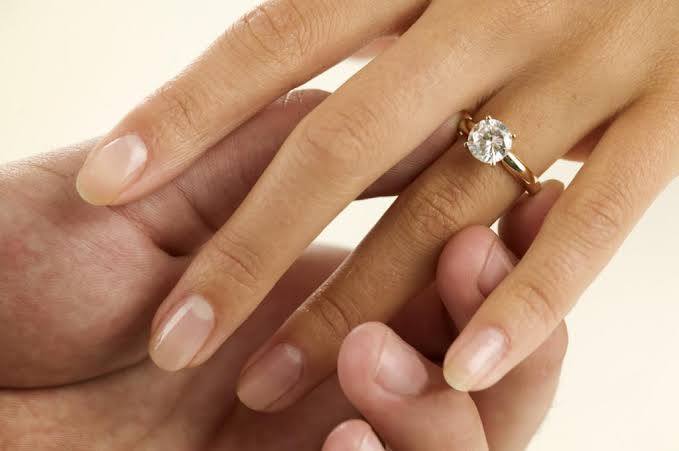
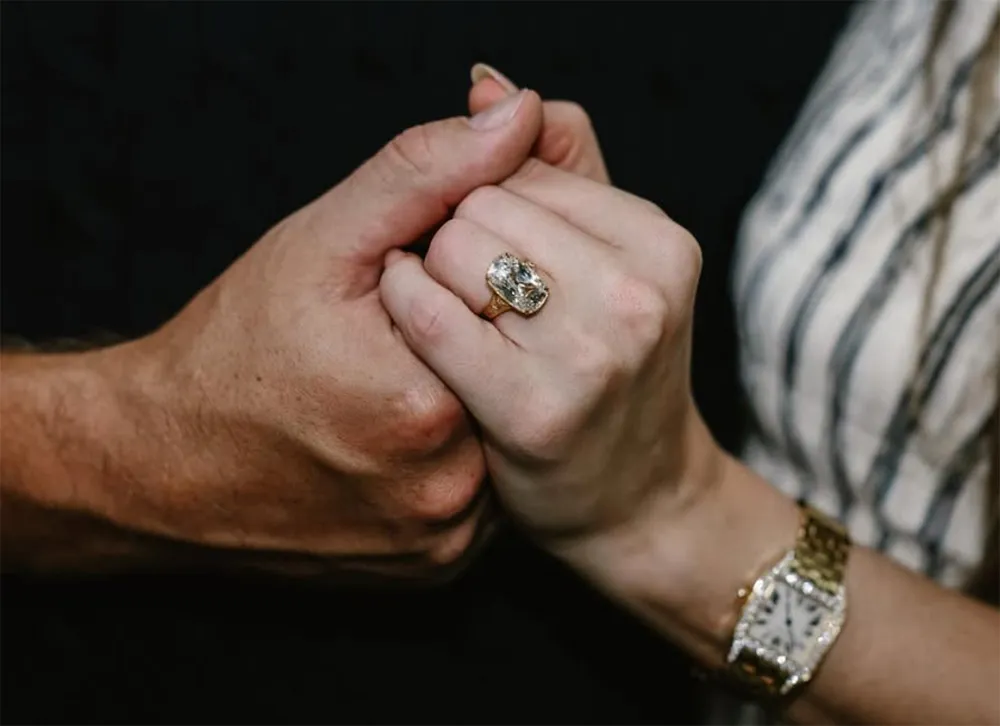
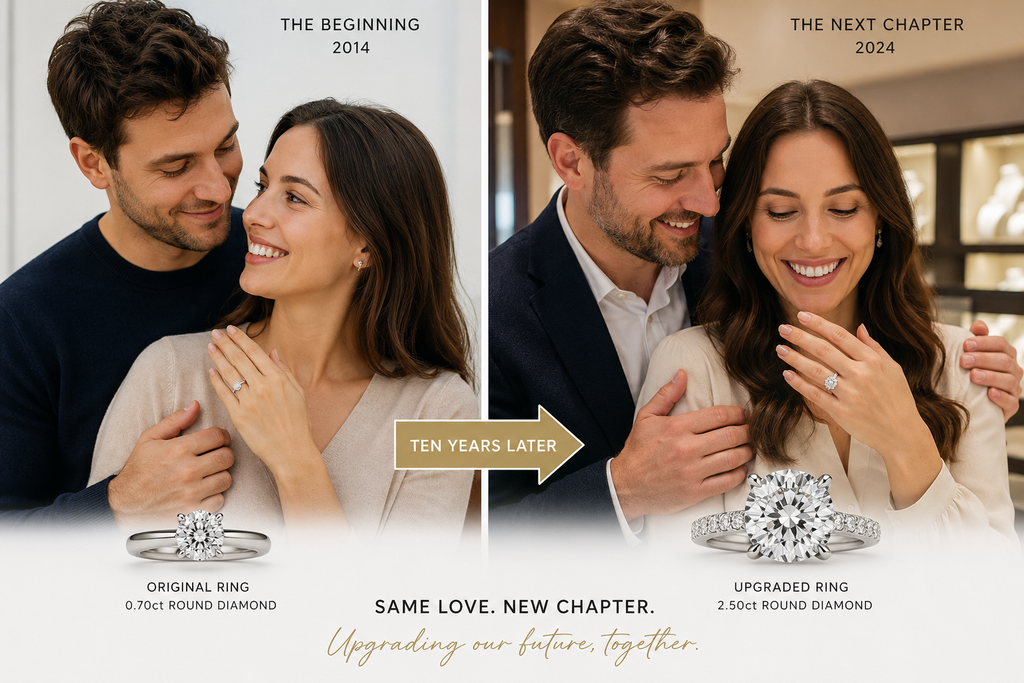
Should You Upgrade Your Engagement Diamond?

 An engagement ring is one of the most sentimental pieces of jewellery a person can own. It represents a promise, a relationship and a moment in time. But what happens when life changes?

An engagement ring is one of the most sentimental pieces of jewellery a person can own. It represents a promise, a relationship and a moment in time. But what happens when life changes?

Perhaps the couple’s financial position has improved significantly. Perhaps the original diamond was chosen when money was tighter, and she has always secretly dreamed of a larger stone or a completely different diamond shape. Or perhaps jewellery styles have changed and the original setting no longer reflects her personal taste.

This raises an interesting question: Should you upgrade an engagement diamond, or is the original stone too sentimental to replace?

At the Diamond Certification Laboratory of Australia (DCLA), we believe there is no single right answer. The decision comes down to the meaning attached to the original diamond, its quality and value, and what the owner wants from the jewellery today.

The Diamond May Be Sentimental — But the Memory Is Not Only in the Stone

There is a common belief that the original engagement diamond should never be changed because it represents the beginning of the marriage.

That is certainly a valid view.

For some couples, the original diamond is an important family heirloom in the making. It is the stone that was present when the proposal happened, and no larger or more valuable diamond could replace that emotional significance.

But jewellery can also evolve.

A diamond is a precious asset, but it is also a piece of jewellery designed to be worn and enjoyed. If circumstances change, there is nothing inherently wrong with changing the stone, redesigning the ring or even selling the original diamond.

The sentimental value does not necessarily disappear simply because the jewellery changes.

What If She Has Always Wanted a Different Shape?

Diamond shapes are highly personal.

Perhaps the original engagement ring contains a round brilliant diamond, but she has always preferred an oval, emerald cut, pear, cushion or radiant cut.

If the couple can now comfortably afford the diamond she always wanted, upgrading can be an opportunity to create the ring that reflects her personality today.

A larger diamond is not necessarily a better diamond. Shape, proportions, cut quality, colour, clarity and the overall design of the ring all influence its appearance.

This is where professional diamond advice becomes particularly important.

A significant increase in size may look impressive, but changing shape can sometimes produce an even more dramatic transformation without simply buying the biggest stone available.

Should You Trade In the Original Diamond?

There are several options.

1. Trade the Original Diamond Toward the New One

This is probably the simplest solution.

The original diamond can be professionally assessed and valued, with its value contributing toward the purchase of the replacement diamond.

However, owners should understand that the original retail purchase price is not necessarily what the diamond is worth when it is traded.

The diamond’s current quality, certification, market demand, proportions, colour, clarity and overall desirability will influence its value.

This is why an independent assessment and proper diamond grading can be extremely useful before making a decision.

2. Keep the Original Diamond

For some couples, this is the best of both worlds.

The original diamond can be removed from the engagement ring and preserved, while a new diamond becomes the centrepiece of the redesigned engagement ring.

The original stone can then remain with the family as an heirloom.

One day it might become a pendant, a dress ring or even another family member’s engagement ring.

The important point is that the original diamond does not have to disappear simply because the engagement ring has been upgraded.

3. Remodel the Original Diamond

Sometimes the diamond is not the problem the setting is.

An old-fashioned setting can make a beautiful diamond look dated.

A new setting can completely transform the appearance of the original diamond.

This can be particularly attractive when the diamond itself has strong sentimental value.

Instead of replacing the stone, the couple can create an entirely new piece of jewellery around it.

4. Create Another Piece of Jewellery

There is also the possibility of taking the original diamond out of the engagement ring and creating something completely different.

A diamond that has spent decades in an engagement ring could become a pendant, earrings or another ring.

This can be a wonderful way of preserving the original diamond while allowing the owner to enjoy a new design.

Is the Original Diamond an Heirloom?

If the diamond was passed down from a parent or grandparent, its emotional value may far exceed its monetary value.


This is perhaps the most important question.

If the diamond was passed down from a parent or grandparent, its emotional value may far exceed its monetary value.

In that situation, selling or replacing it may not make sense.

But if the diamond was purchased specifically for the original engagement and has no previous family history, the decision may be different.

A diamond can become an heirloom because of the story attached to it not simply because of its age.

Keeping the original stone means preserving that story.

But creating a new piece of jewellery from it can also preserve the story.

Jewellery Trends Will Change — But Quality Should Remain

Fashion inevitably changes.

The popularity of particular diamond shapes, settings, metal colours and jewellery styles can move in cycles.

What looks contemporary today may look dated in twenty years.

That does not mean an engagement ring should be changed every time fashion changes. Good jewellery should have longevity.

However, there is nothing wrong with updating a piece when the owner genuinely wants something different.

The key is not to confuse a temporary fashion trend with a genuine change in personal preference.

The Emotional Decision


Ultimately, upgrading an engagement diamond is not simply a financial decision.

It is worth asking:

Does the original diamond still make you happy?

Would you regret selling it?

Have you always wanted a different shape or larger diamond?

Would keeping the original diamond as an heirloom be meaningful to your family?

Could the original diamond be remodelled into another piece that you would actually wear?

If the answer is that the original diamond has enormous sentimental value, keep it.

If the answer is that it is simply an old piece of jewellery that no longer suits your taste, upgrading may make perfect sense.

And sometimes the best answer is both: buy the diamond you always wanted and preserve the original diamond for the next generation.

There Is No Rule That Says Jewellery Cannot Evolve

An engagement ring marks the beginning of a marriage. It does not have to remain frozen in time for the next fifty years.

People change. Relationships grow. Financial circumstances change. Tastes develop. Jewellery can change too.

The original engagement diamond may remain the most important diamond you ever owned even if it eventually becomes a pendant or is carefully stored as a family heirloom.

Alternatively, it may simply be a piece of jewellery that has served its purpose and can be traded toward something that better reflects your life today.

The right decision is the one that balances sentimental value, financial value and personal enjoyment.

At DCLA, we believe the most important step is to understand exactly what you have before deciding what to do with it. Professional diamond grading and identification can help establish the characteristics of the original stone, allowing you to make an informed decision about keeping, remodelling, trading or upgrading it.

After all, an engagement diamond is valuable but the story surrounding it can be priceless.

Monday, 27 July 2026

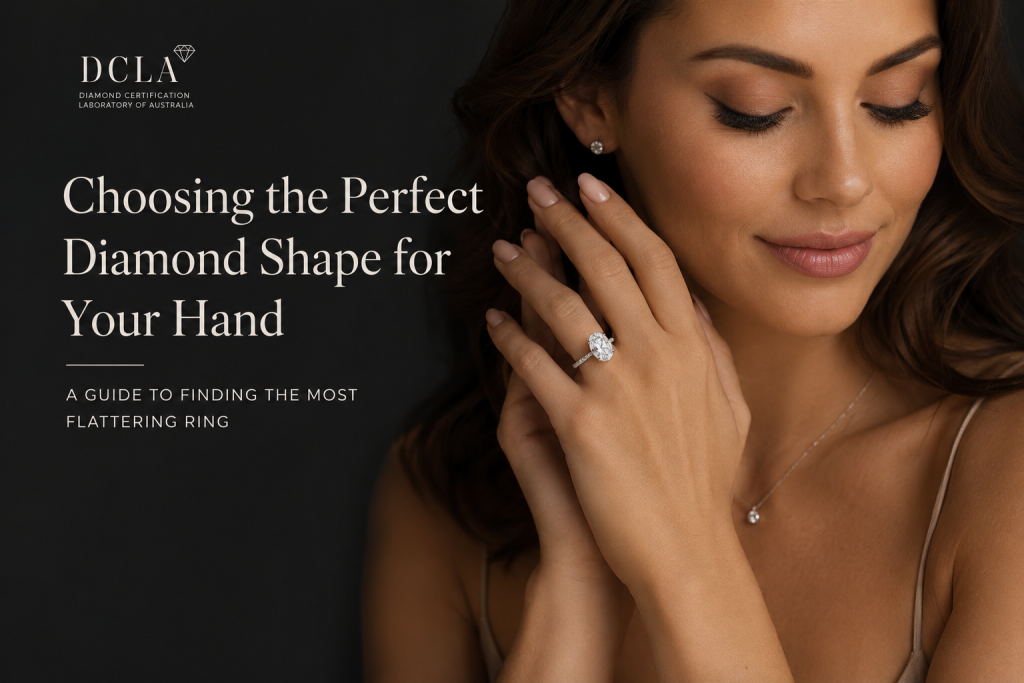
Choosing the Perfect Diamond Shape for Your Hand: A Guide to Finding the Most Flattering Ring

 Selecting a diamond is about far more than choosing the largest stone or the most popular shape.

Selecting a diamond is about far more than choosing the largest stone or the most popular shape. While the quality of a diamond is essential, the proportions of your hand and fingers play a significant role in how a ring will look once it is worn.

At the Diamond Certification Laboratory of Australia (DCLA), we believe the most beautiful engagement ring or dress ring is one that complements the wearer. The right combination of diamond shape, size, setting and band width can enhance the appearance of the hand, making fingers appear longer, slimmer or more balanced.

Here is a guide to selecting the most flattering diamond shape for different hand types.


Long, Slim Fingers

Those with long, elegant fingers have the greatest flexibility when choosing a diamond shape. Almost every cut looks proportionate and attractive.

Best diamond shapes:

  • Round Brilliant
  • Cushion
  • Princess
  • Asscher
  • Emerald
  • Radiant

Long fingers can comfortably wear larger diamonds without appearing overwhelming. Wider bands and bold settings also suit this hand type.

Recommended sizes

  • 1.50 to 5.00 carats and above
  • Fancy shapes with wider proportions work particularly well.

Short Fingers

The objective for shorter fingers is to create the illusion of length.

Best diamond shapes

  • Oval
  • Pear
  • Marquise
  • Emerald Cut
  • Elongated Radiant

These elongated shapes naturally draw the eye vertically, making fingers appear longer and more slender.

A slightly narrower band further enhances this effect.

Avoid

  • Very wide cushion cuts
  • Large square princess cuts
  • Extremely wide bands

Wider or Fuller Fingers

Many people believe they need a very large diamond to suit broader fingers. While size is important, shape and proportion are even more critical.

Best diamond shapes

  • Oval
  • Cushion
  • Radiant
  • Emerald
  • Elongated Cushion

These shapes provide excellent finger coverage while maintaining elegant proportions.

Diamonds between 2 and 4 carats often create excellent balance depending on the finger size.

Thicker bands generally complement broader fingers better than very fine bands.


Very Thin Fingers

Fine fingers can easily become overwhelmed by an oversized diamond.

Best diamond shapes

  • Round Brilliant
  • Oval
  • Cushion
  • Heart
  • Pear

Delicate settings with diamonds between 0.50 and 2.00 carats often create the most balanced appearance.

Fine claws and narrow bands maintain elegance without overpowering the hand.


Diamond Shape and Visual Illusion

Each diamond shape creates a different visual effect.

Oval

Perhaps the most universally flattering shape.

Oval diamonds:

  • make fingers appear longer
  • maximise face-up size
  • often appear larger than round diamonds of equal weight

Pear

The pear shape creates a slimming effect.

When worn with the point facing outward, it naturally elongates the finger while providing exceptional brilliance.


Marquise

One of the oldest royal diamond cuts remains one of the best for creating length.

Its pointed ends maximise spread and make the finger appear noticeably longer.


Emerald Cut

Elegant and understated.

The long step-cut facets create a sophisticated appearance and visually lengthen both the diamond and the finger.

This cut particularly suits those who appreciate timeless style.


Round Brilliant

The world’s most popular diamond remains the safest choice.

Its perfect symmetry suits almost every hand shape, although on shorter fingers it may not create as much visual length as an oval or pear.


Cushion Cut

Soft corners and larger facets give cushion diamonds a romantic appearance.

They suit medium to long fingers particularly well and provide excellent brilliance.


Princess Cut

The sharp square outline creates a modern appearance.

Best suited to longer fingers where the square proportions remain balanced.


Choosing the Right Carat Size

Carat weight should always be proportional to the hand.

Petite Hands

Ideal sizes:

  • 0.50–1.50 carats

These maintain elegance without appearing oversized.


Average Hands

Ideal sizes:

  • 1.00–3.00 carats

Most diamond shapes remain well proportioned.


Larger Hands

Ideal sizes:

  • 2.00 carats and above

Larger hands often benefit from diamonds offering greater finger coverage, particularly elongated fancy shapes.


Ring Width Matters

Many buyers focus entirely on the diamond and overlook the importance of the band.

A thin band:

  • makes the diamond appear larger
  • elongates the finger
  • creates a delicate appearance

A wider band:

  • balances larger diamonds
  • suits broader hands
  • provides a bold contemporary look

The relationship between the band and the diamond is often just as important as the diamond itself.


Men’s Diamond Rings

Men’s jewellery has evolved considerably over recent years, with diamond rings becoming increasingly sophisticated.

Larger Hands

Popular choices include:

  • Emerald Cut
  • Asscher
  • Radiant
  • Cushion

These geometric shapes complement broader masculine proportions.

Diamonds from 1 to 3 carats generally create excellent balance.


Slimmer Hands

Men with narrower fingers often suit:

  • Round Brilliant
  • Oval
  • Emerald Cut

More refined settings avoid appearing oversized while maintaining a strong masculine presence.


Beyond the Diamond Shape

While finger shape provides an excellent starting point, several other factors influence how a ring appears:

  • Finger length
  • Finger width
  • Knuckle size
  • Palm size
  • Skin tone
  • Lifestyle
  • Personal style
  • Ring setting
  • Band width
  • Metal colour

White gold and platinum provide a crisp contemporary appearance, while yellow and rose gold can create warmth and contrast depending on skin tone.


There Is No Universal “Perfect” Diamond

The most beautiful diamond is ultimately the one that feels right for the wearer. Trends come and go, but proportion, balance and craftsmanship remain timeless.

A well-selected diamond should complement the natural shape of the hand rather than compete with it. Whether it is a classic round brilliant, an elegant emerald cut or a striking oval, the right combination of shape, size and setting creates a piece of jewellery that looks effortlessly elegant for decades to come.

At DCLA, every diamond tells its own story. Choosing the right shape is not simply about fashion it’s about finding the perfect balance between beauty, proportion and individuality.


Disclaimer: This article is intended as a general guide. Individual preferences, ring design, finger proportions and setting style all influence how a diamond appears when worn. Viewing and comparing different diamond shapes in person is recommended before making a final selection.

Tuesday, 17 February 2026

Natural Diamond Engagement Ring Prices Surge in the US – What Australian Buyers Need to Know

 Natural Diamond Engagement Ring Prices Surge in the US – What Australian Buyers Need to Know

The average price of a natural diamond engagement ring in the United States rose by 9 per cent to US$7,346 in 2025, according to the Natural Diamond Council (NDC). In its latest report, Natural Diamond Trends: A 2025 Overview, the NDC notes that the average centre stone size increased by 5 per cent to 1.16 carats, reflecting continued consumer preference for larger, statement diamonds.

Round brilliant diamonds maintained their dominant position, accounting for 62 per cent of all engagement ring sales, unchanged from the previous year. Oval cuts eased slightly to 14 per cent, down from 16 per cent, while long fancy shapes such as marquise and cushion continued to gain traction. SI1 clarity was the most commonly purchased grade, although the report did not specify the leading colour category.

Diamond engagement rings — including complete rings, loose centre stones and bridal semi-mounts — represented 38 per cent of all natural diamond jewellery sales by volume in 2025. The data, compiled by Tenoris from more than four million anonymised point-of-sale transactions across 2,500 US specialty retailers, highlights a market driven by quality upgrades and larger stones. Across the broader natural diamond jewellery category, the 2.00–2.24 carat and 1.50–1.59 carat segments recorded the fastest unit sales growth, contributing to a 10 per cent rise in average jewellery prices. Seasonal gifting periods — notably November and December, together with Valentine’s Day and Mother’s Day — accounted for 46 per cent of annual diamond jewellery volume.

How does this compare with Australia?

In Australia, the average spend on a natural diamond engagement ring is generally lower than in the US, typically ranging between AUD $5,000 and AUD $8,000 depending on city, retailer positioning and diamond specifications. While the Australian market also shows strong demand for round brilliant cuts, there has been a noticeable shift toward oval and elongated fancy shapes, particularly among younger buyers seeking distinctive designs.

From a grading perspective, Australian consumers — particularly those purchasing through independent jewellers and specialist laboratories such as Diamond Certification Laboratory of Australia (DCLA) — tend to place strong emphasis on accurate certification, cut quality and value retention. Carat weights commonly centre around the 1.00 to 1.20 carat range, closely mirroring US trends, although there remains a solid market for well-cut diamonds just under key weight thresholds (e.g. 0.90–0.99 carats) where value optimisation is a priority.

Overall, the US data confirms a global pattern: consumers are gravitating toward larger stones, higher specifications and enduring classic shapes. In Australia, while total average spend remains slightly below US levels when adjusted for currency, the qualitative trends — preference for natural diamonds, round brilliants and milestone gifting seasons — remain closely aligned with international markets.

Source: DCLA

Wednesday, 27 August 2025

Will Taylor Swift’s Engagement Ring Spark a Revival of Old Mine Cut Diamonds?

Taylor Swift’s Engagement Ring

Taylor Swift and Travis Kelce’s engagement has captured global attention but it’s the diamond on Swift’s finger that has the jewellery world talking. The ring, created by Kindred Lubeck of Artifex Fine Jewelry, showcases what appears to be an old mine cut diamond, set in a delicate yellow gold bezel band. Its vintage charm, impressive size, and famous wearer have already made it one of the most talked-about engagement rings of the year.

What Makes Old Mine Cut Diamonds Special?

Old mine cuts are antique diamonds, hand-cut in the 18th and 19th centuries, before modern technology standardised proportions. Each one is truly unique, known for:

Chunky facets that give off a soft, romantic sparkle.

A high crown and small table, creating depth and character.

An open culet, a tiny facet at the bottom that adds to its antique charm.

Unlike today’s round brilliants, no two old mine cuts are ever the same—making them a perfect choice for those who want something one-of-a-kind.

The Value of Swift’s Diamond

Experts estimate Taylor’s diamond to be between 8 and 15 carats, with valuations ranging anywhere from USD $400,000 to over $1 million depending on its exact specifications. While few engagement ring budgets stretch quite that far, her choice highlights a rising trend: a return to antique and vintage stones.

Why Are Couples Choosing Antique Cuts?

In recent years, there’s been a growing interest in diamonds with personality and heritage. With the rise of lab-grown diamonds offering affordability and size, many buyers are instead turning to antique stones for uniqueness and history. As one jeweller put it: “Antique stones offer character you simply can’t replicate.”

A Timeless Trend

Taylor Swift’s engagement ring has brought the old mine cut back into the spotlight, and for many couples, it’s a reminder that engagement rings don’t have to follow the latest modern style. Choosing an antique cut is about more than sparkle—it’s about individuality, history, and wearing a diamond with a story.

At the Diamond Certification Laboratory of Australia (DCLA), we see growing demand for antique diamonds, and we understand why. They’re rare, distinctive, and timeless—just like the love stories they represent.

Source: DCLA 

Thursday, 2 July 2020

A 28 carat emerald shape type 2A diamond became the most expensive auctioned online


On Tuesday, Christie’s auctioned off the most expensive jewel ever sold on an online auction. The 28.86 carat diamond sold for $US2,115,000 million.
One of the rarest diamonds in the world, the Type 11a diamond is formed from pure carbon.
“The spectacular 28.86 carat D colour diamond received immediate attention upon its announcement,” Christie’s Head of Jewellery Rahul Kadakia said in a statement. “The stone possesses a transparency and purity which can only be found in the world’s finest diamonds.
The sale of this exceptional stone established the record for a jewel sold in an online only auction, demonstrating greater client confidence in Christie’s digital ability and online sale platform.”
The sale was the final day of Christie’s Jewels Online sale.
Source: DCLA

A 28 carat emerald shape type 2A diamond became the most expensive auctioned online


On Tuesday, Christie’s auctioned off the most expensive jewel ever sold on an online auction. The 28.86 carat diamond sold for $US2,115,000 million.
One of the rarest diamonds in the world, the Type 11a diamond is formed from pure carbon.
“The spectacular 28.86 carat D colour diamond received immediate attention upon its announcement,” Christie’s Head of Jewellery Rahul Kadakia said in a statement. “The stone possesses a transparency and purity which can only be found in the world’s finest diamonds.
The sale of this exceptional stone established the record for a jewel sold in an online only auction, demonstrating greater client confidence in Christie’s digital ability and online sale platform.”
The sale was the final day of Christie’s Jewels Online sale.
Source: DCLA

Fancy Colour Diamonds, From Hollywood Statement to the Ultimate Collectable

  For generations, the traditional diamond engagement ring has been dominated by the classic colourless stone. But the world of exceptional ...