Thursday, 29 May 2025

Why Diamond Grades Can Differ Between Laboratories: Understanding Colour and Clarity Variations

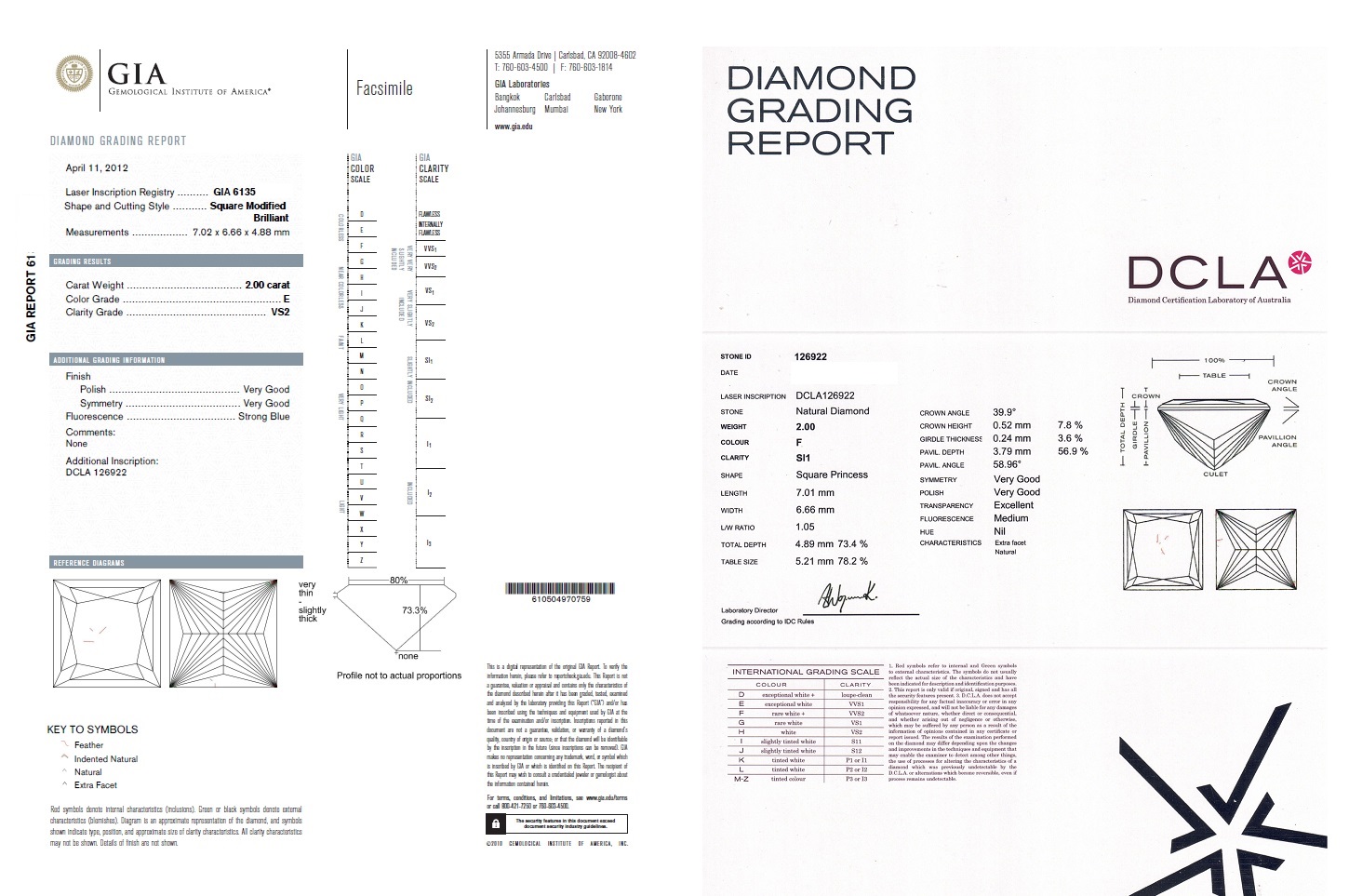
Why Diamond Grades Can Differ Between GIA and DCLA: Understanding Colour and Clarity Variations

The difference in diamond grading between laboratories like GIA (Gemological Institute of America) and DCLA (Diamond Certification Laboratory of Australia) can occur due to the subjective nature of diamond grading and variations in grading standards, tools, and methodology.

Here’s a detailed explanation of why this happens:

Example of a diamond graded GIA E VS2 vs DCLA F SI1:


1. Grading is Subjective to Some Extent

Even though labs follow international grading systems like those defined by CIBJO or GIA, colour and clarity grading involves human judgment under magnification and controlled lighting conditions. Two experienced graders may interpret borderline characteristics differently.

  • Colour: E and F are adjacent grades, and the difference is extremely subtle—often imperceptible to the untrained eye.
  • Clarity: The distinction between VS2 (Very Slightly Included 2) and SI1 (Slightly Included 1) can also hinge on size, position, nature, and number of inclusions, which may be judged differently by separate labs.

2. Different Lab Philosophies

  • GIA is widely considered the global benchmark for consistency and tends to be more conservative in some grading aspects, especially in colour.
  • DCLA, while highly respected and CIBJO-accredited (and Australia’s official diamond authority), might interpret certain characteristics differently based on their internal grading protocols.

3. Grading Conditions and Equipment

Minor differences in:

  • Lighting
  • Magnification tools
  • Grading environments
    can affect the appearance of a diamond, especially in borderline cases.

4. Grading Date and Re-evaluation

Grading can differ if:

  • The diamond was graded at different times.
  • The diamond was repolished or slightly recut between submissions.
  • The grader has different levels of training or experience (even within the same lab over time).

5. Lab-to-Lab Variance Is a Known Industry Factor

Even among top labs (GIA, IGI, HRD, AGS, DCLA), 1-grade differences in colour or clarity are common and not considered errors. This is why many dealers and appraisers say a difference of one colour or clarity grade is within acceptable tolerance.


In Your Example:

  • GIA E VS2 vs DCLA F SI1:
    • The colour difference (E vs F): within acceptable tolerance; both are considered colourless.
    • The clarity difference (VS2 vs SI1): SI1 is a full grade lower, but this could be due to:
      • An inclusion judged more impactful by DCLA
      • A stricter application of clarity grading by DCLA
      • GIA possibly being more lenient on that particular clarity characteristic

Differences like GIA E VS2 and DCLA F SI1 can result from:

  • Subjective human interpretation
  • Slightly different grading standards
  • Borderline characteristics
  • Environmental and technical grading factors

For buyers or sellers, it’s important to:

  • Always compare certificates from top-tier labs.
  • Understand that 1-grade discrepancies are common.
  • Consider getting a professional review if there’s a significant value implication.

Graff Opens Huge Store in Las Vegas

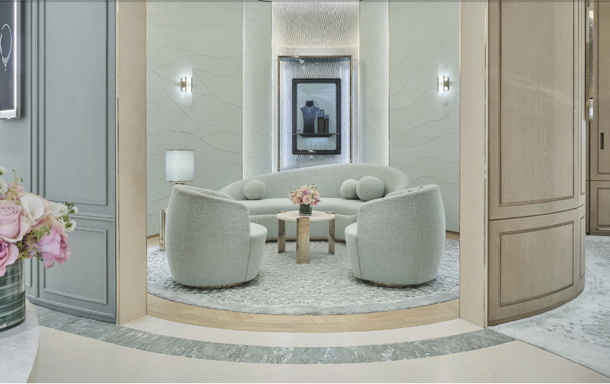
Graff Jewellers Las Vegas

Graff has opened its biggest store in North America, at the Fontainebleau Las Vegas luxury resort and casino.

The 3,300sq ft showroom is second only to the flagship Graff in Paris, at 3,700sq ft.

Graff, founded in 1960 by British jeweler Laurence Graff, is recognized as one of the world’s most prestigious luxury jewelers.

CEO Francois Graff (Laurence’s son) said: “The opening of our new salon at Fontainebleau Las Vegas represents a pivotal moment for Graff in North America, a testament to our continued success and commitment to expansion across the region.”

The Las Vegas store is the brand’s 10th location in North America. It has more than 50 worldwide.

The new showroom features a serpentine counter with angular displays inspired by diamond facets, a bespoke bridal area with engagement rings, wedding bands, and bridal jewelry crafted from celadon wood and chiseled glass.

To celebrate the opening, Graff has curated a special selection of high jewelry featuring rare diamonds, emeralds, rubies, and sapphires.

Source: DCLA


Wednesday, 28 May 2025

35 ct Kashmir Sapphire sets World Record

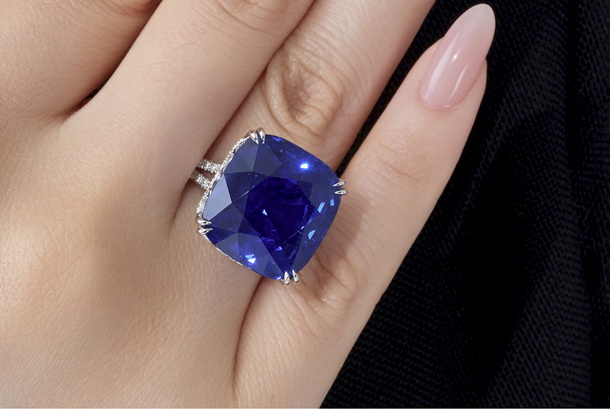
35 ct Kashmir Sapphire

A 35.09-carat sapphire yesterday set a new world record for the highest per-carat price paid at auction.

The Regent Kashmir sold for HKD 74.7m (USD 9.6m), equivalent to USD 271,515 per carat, at Christie’s Hong Kong.

The same gem also set a record back in 2015, when it was sold at Christie’s Geneva for USD 7.4m, equivalent to $209,689 per carat.

That record was broken the same year by another sapphire, the 27.6- carat Jewel of Kashmir, which sold for $6.7m at Sotheby’s Hong Kong in 2015, equivalent to USD 243,703 per carat.

But the record now reverts to gem known as the Regent Kashmir, an antique cushion-shaped, unheated, royal blue sapphire set in a platinum ring with round diamonds.

“The Regent Kashmir sapphire’s record-breaking price of $271,515 per carat with a total price of $9.5m, is a landmark moment for the sapphire market – proof that the rarest gems still command unstoppable power,” said Tobias Kormind, MD and co-founder of online jeweler 77 Diamonds.

“Gemstones of this calibre continue to be sought after and go up in value.”

The sapphire sold above its low estimate (HKD 65m, USD 8.3m) but didn’t reach its high estimate (HKD 95m, USD 12.1m).

Source: DCLA

Tuesday, 27 May 2025

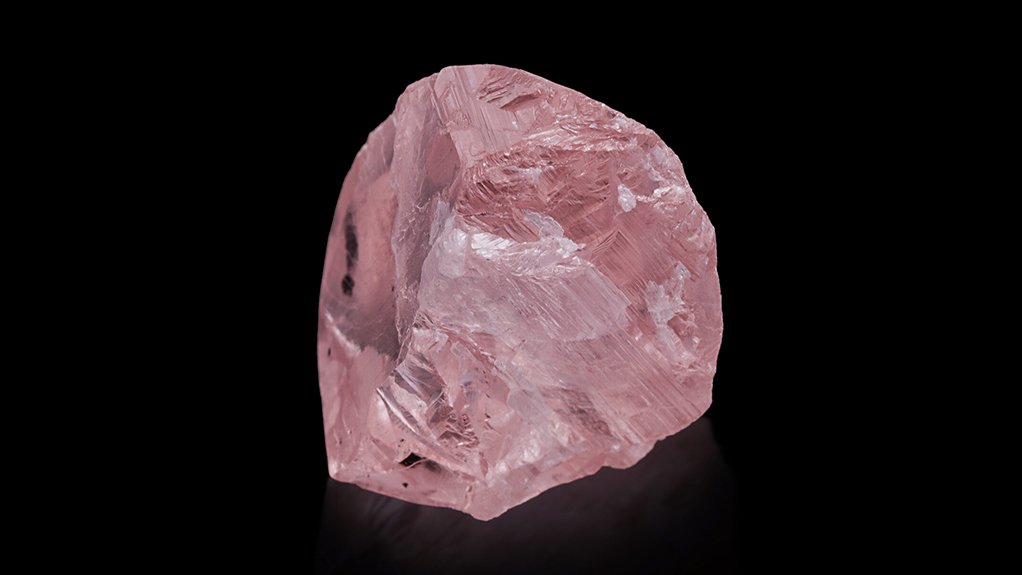
3 ct Pink Diamond could Fetch $1.6m

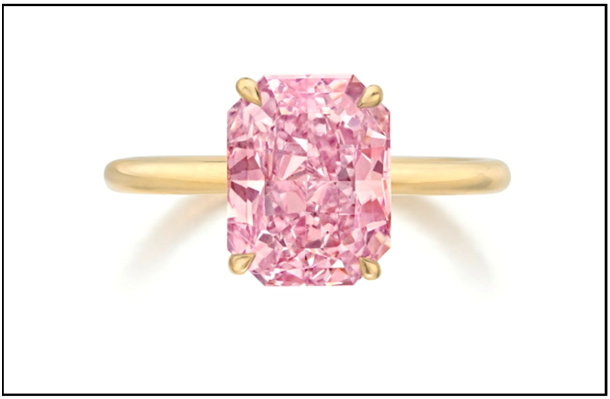
3 ct Pink Diamond ring

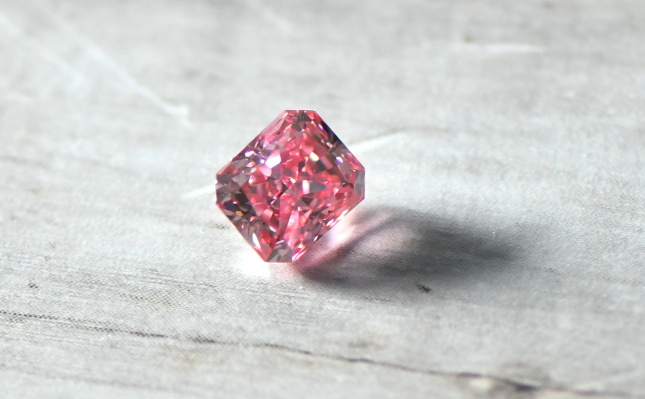
A fancy intense 3.03-carat pink diamond is among the highlights at Phillips’ New York Jewels Auction next month with a $1.2m to $1.6m estimate.

Other diamonds of note include a 4.43-carat oval fancy vivid yellow diamond ring (estimate $75,000 to $125,000), and a colorless emerald-cut diamond weighing 6.03 carats (F color, VVS1 clarity) with a $90,000 to $150,000 estimate. All three diamonds are set in rings.

The sale also features Etoile de Mer, a starfish-shaped sapphire, tsavorite, and diamond brooch by Jean Schlumberger, the French jewelry designer who famously revitalized Tiffany & Co during his tenure there, from 1956.

Among the 105 lots there is also a selection of signed jewels from Van Cleef & Arpels, Bulgari, Chaumet, and others. The sale is on 12 June.

Source: IDEX

Monday, 26 May 2025

392 ct Blue Belle Sapphire could Fetch $12m

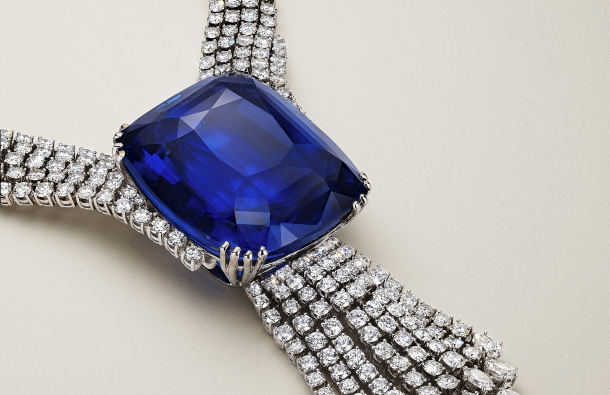
392 ct Blue Belle Sapphire

The Blue Belle sapphire and diamond necklace is to lead a Christie’s New York sale next month with an estimate of $8m to $12m.

The tassel pendant features a 392.52 carat unheated, cushion modified, mixed-cut sapphire from the famed Ratnapura region of Sri Lanka, together with oval-shaped diamond terminals, and a brilliant-cut diamond neckchain, mounted in gold.

The estimate is well below the $17.6m the piece sold for at Christie’s Geneva when it last changed hands in November 2014.

The sapphire was recovered in 1926 and was sold in 1937 to was sold to British motor magnate Lord Nuffield, founder of Morris Motors.

There were reports at the time that the gem would be gifted to HM Queen Elizabeth the Queen Mother on her coronation day, though this didn’t actually happen.

“Sapphires of this caliber are extraordinarily rare,” said Rahul Kadakia, Christie’s international head of jewelry.

“This remarkable stone must be considered among the most prestigious colored gemstones to appear on the market in many years – truly worthy of any world-class collection.

Among other highlights at the Magnificent Jewels live auction on 17 June, is the Marie-Thérèse Pink Diamond, 10.38-carat kite-shaped fancy purple-pink diamond that is said to have belonged to Marie Antoinette.

It has recently been set into a contemporary ring by the Parisian jeweler Joel Arthur Rosenthal

Source: DCLA

Sunday, 25 May 2025

Lucapa Diamond Company Enters Voluntary Administration Amid Market Pressures

Lucapa Diamond Company Enters Voluntary Administration

Lucapa Diamond Company has entered voluntary administration following a major cost-cutting initiative and a significant reduction in its corporate workforce. The decision comes in the wake of mounting financial pressure and weakening global diamond demand, attributed in part to US President Donald Trump’s trade tariffs, which have disrupted pricing and buyer confidence.

KordaMentha Appointed as Administrators

Leading corporate recovery firm KordaMentha Restructuring has been appointed to oversee Lucapa’s administration, with Richard Tucker and Paul Pracilio named as voluntary administrators. Their immediate focus is an urgent operational and financial assessment of Lucapa, followed by a dual-track recapitalisation and potential sale process.

Lucapa’s Key Assets: Lulo and Merlin Projects

Lucapa holds a 40% interest in the high-value Lulo alluvial diamond mine in Angola. The site is known for producing large, premium-quality Type IIa diamonds, including stones exceeding 100 carats.

In Australia, Lucapa’s flagship asset is the Merlin Diamond Project in the Northern Territory. The project includes a 24 km² mining lease and a 210 km² exploration licence. Historically, eight of the 11 known kimberlite pipes at Merlin were mined by Rio Tinto (ASX: RIO) and Ashton Mining between 1999 and 2003, yielding approximately 500,000 carats from 2.2 million tonnes of processed kimberlite.

Financial Challenges in Q1 2025

Lucapa’s March quarter report highlights a sharp downturn in financial performance. Diamond inventories dropped 44% to 1,685 carats, and cash and receivables fell 41% to $2 million. Additionally, the company took on $600,000 in interest-bearing debt during the period. In response, Lucapa implemented a thorough review of its corporate expenditure, resulting in reduced overheads and workforce downsizing.

The company noted that the full impact of US trade tariffs on diamond sales has yet to be determined. However, uncertainty among buyers throughout April has led to softened demand and reduced prices across the industry.

Path Forward Through DOCA

Despite the challenges, there is optimism that Lucapa may recover through a Deed of Company Arrangement (DOCA). KordaMentha’s Richard Tucker previously stated that approximately 99% of mining companies the firm assists successfully emerge from administration via DOCA, which aims to preserve operations and secure better outcomes for creditors than liquidation.

Lucapa Diamond Company’s move into administration reflects broader challenges in the diamond sector, including geopolitical trade tensions and market uncertainty. The success of the upcoming recapitalisation or sale process, under the guidance of KordaMentha, will be critical in determining the company’s future and protecting the value of its premium diamond assets.

Source: DCLA

Thursday, 22 May 2025

Petra Diamonds hits all-time low as cash burn continues

Petra's Cullinan mine

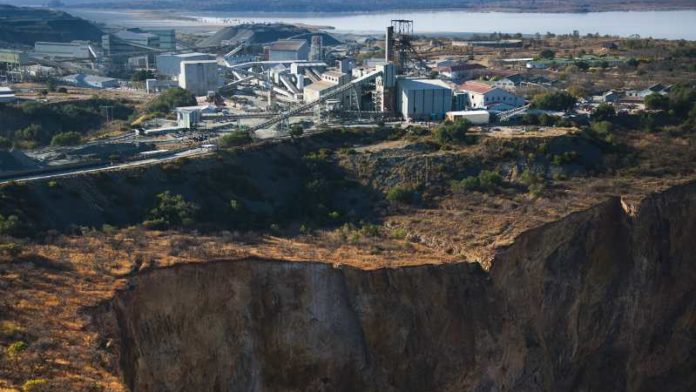
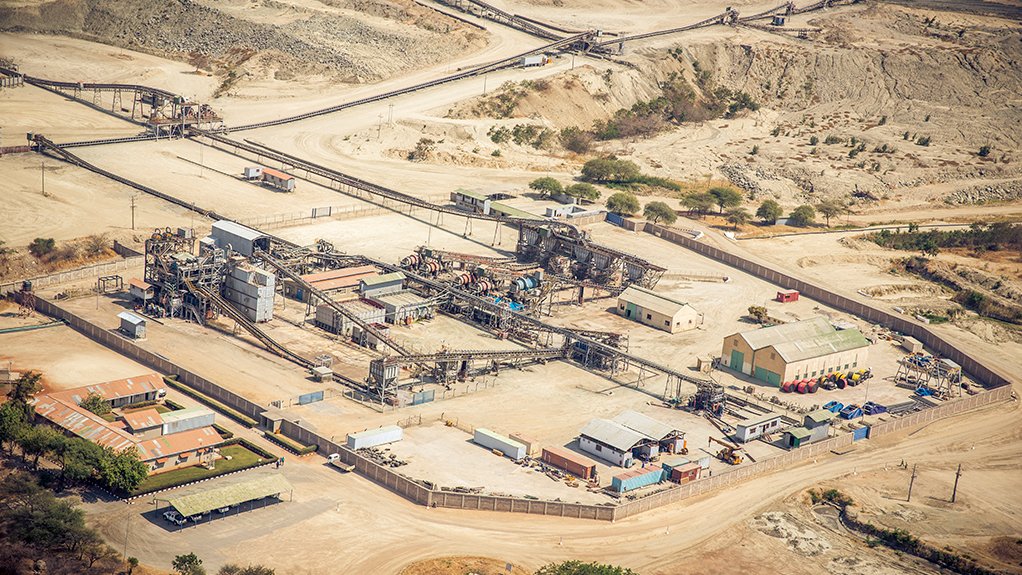
Petra Diamonds is to begin discussions with financiers on refinancing a $273m bond that matures in March next year amid scepticism that the company will survive the event.

The ratings agency S&P last week downgraded the company’s credit to CCC on the increased likelihood of default, and maintained a negative outlook.

Shares in the company fell 10% today shortly after the company posted its third quarter results. Petra is now trading at a fresh all-time low and is valued at only £34m on the London Stock Exchange.

While its remaining two assets – the Cullinan and Finsch mines in South Africa – had a solid three months operationally, with a quarter to go, full year guidance has been maintained at 2.4 to 2.7 million carats.

However, the company is still burning cash.

Petra drew on a further $33m as consolidated net debt increased to $258m as of end-March, which the company put down to working capital requirements.

The truth is that the company is desperately in need of improved diamond prices, which have continued to trough this year amid economic uncertainty generated by US President Donald Trump’s on-off tariff regime.

Petra said in April that it had postponed the sale of about 200,000 carats of diamonds from the Cullinan mine near Pretoria because of the “considerable diamond market uncertainty caused by the US tariffs announcement”.

“S&P believes the company faces mounting liquidity challenges amid uncertainty regarding the recovery of the rough diamond market and approaching debt maturities in 2026, with increased likelihood of default – including distressed exchange or debt restructuring – over the next 12 months, if Petra is unable to refinance its debt maturities on time,” said analysts at Berenberg Bank in a note last week.

Commenting on the third quarter results – in which revenue fell to $42m from $106m in the comparative quarter last year (buoyed by sales from a deferred tender) – interim joint CEOs Vivek Gadodia and Juan Kemp, said Petra had experienced “a very difficult diamond market”.

They added: “We believe the steps we have taken over the past 12 months position Petra well for a successful refinancing. We will now look to commence engagements with our lenders on the refinancing of our debt maturing in early 2026.”

Source:miningmx.com

Wednesday, 21 May 2025

$28m Emergency Funding as Lucara Sales Dip

Emergency Funding as Lucara Sales Dip

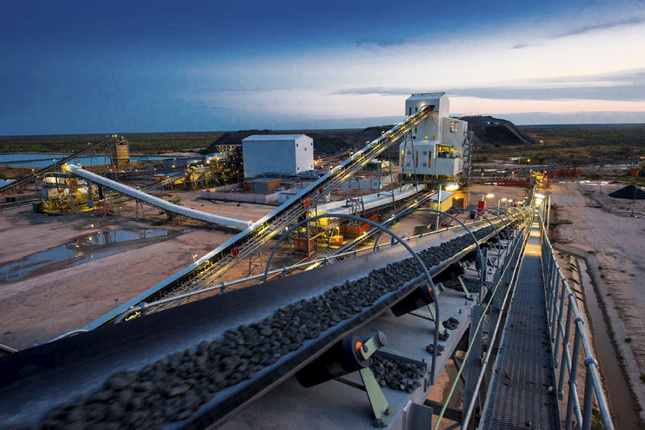
Lucara is drawing down up to $28m in emergency funding for its underground mine expansion after reporting a slump in Q1 earnings and lowering its revenue guidance for the full year.

The Vancouver-based miner received lender approval for the funds from its Cost Overrun Reserve Account (CORA) extending a standby undertaking, as it faces increasing financial pressure from declining revenues, operational disruptions, and a weak diamond market.

Revenue for the first quarter slipped 23 per cent to $30.3m, as heavy rainfall in January forced the company to process lower-grade stockpile material at its Karowe open pit mine, in Botswana. It sold 72,871 carats, down 22 per cent year-on-year.

“This lower revenue outlook has led management to assess the company’s ability to continue as a going concern, with concerns raised about sufficient working capital, cash flow from operations, and liquidity to meet obligations and ongoing UGP (underground mine plan) development,” Lucara said in its Q1 2025 Results.

Projected revenue for the full year has been lowered from $195m – $225m to $150m – $160m, although this figure excludes sale of the 2,488-carat Motswedi diamond that was recovered in August 2024.

Petra said lenders had approved a draw of up to $28m from the cost overrun reserve account to allow work on the underground expansion to continue.

In exchange, Nemesia, its largest shareholder, agreed to extend its shareholder standby undertaking until the project is finished.

During Q1 Lucara said it recovered six stones over 100 carats including the a 1,476 carat non-gem diamond that was sold on tender for $1.11m.

Source: DCLA

Tuesday, 20 May 2025

Al Capone’s Diamond-Studded Patek Philippe Pocket Watch Heads to Sotheby’s Auction

Al Capone’s Diamond-Encrusted Pocket Watch to Be Auctioned at Sotheby’s

Al Capone’s Diamond-Encrusted Pocket Watch to Be Auctioned at Sotheby’s

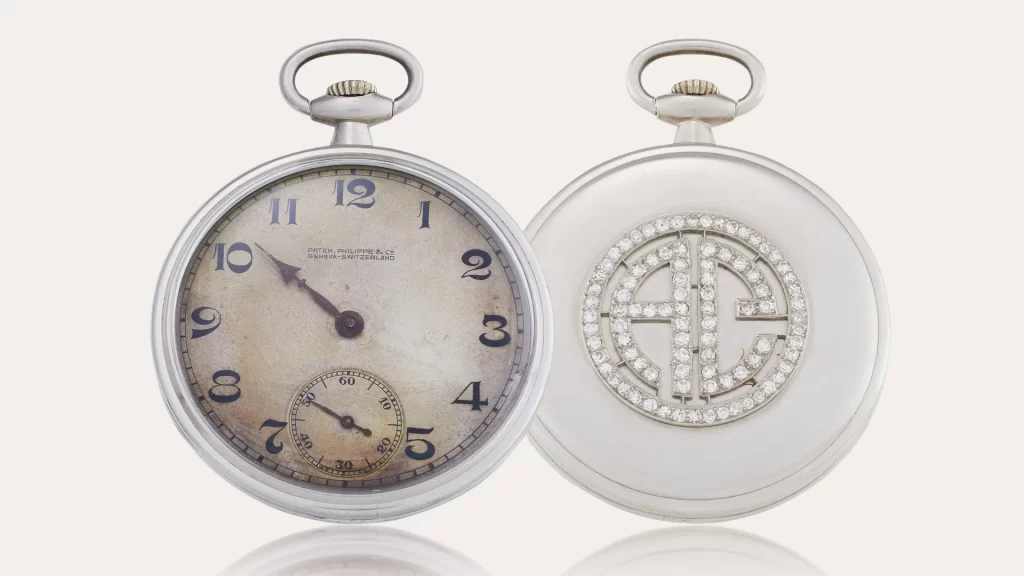
A dazzling piece of underworld history is heading to auction: Al Capone’s custom diamond-studded pocket watch, crafted from platinum and set with 90 diamonds, will go under the hammer at Sotheby’s next month. The extraordinary Patek Philippe timepiece, dripping in gangster-era flair and opulence, is expected to fetch between USD $80,000 and $160,000.

Nearly a century before “bust-down” watches became a mainstay in hip-hop culture, Capone was already setting trends. Dissatisfied with the understated design of his factory-made Patek Philippe, the infamous Chicago mob boss commissioned a local jeweller to completely rework it. The result? A solid platinum case housing the original movement, with a striking caseback spelling out “AC” in 90 single-cut diamonds—a bold, custom feature unheard of at the time.

“This type of gem-setting would have been extremely rare during that period,” says Geoff Hess, Sotheby’s Global Head of Watches. “Capone wasn’t just ahead of his time as a criminal—he was ahead of his time in style.”

This is not the first time Capone’s lavish timepiece has appeared at auction. In 2021, it was sold alongside other personal items—including his diamond tie bar and favourite Colt .45 pistol—by his descendants through Witherells, a California-based auction house. Estimated at $25,000 to $50,000, the watch far exceeded expectations, fetching $229,900.

While the dial shows signs of age and the minute hand is missing, the watch remains a compelling piece of Americana. It’s less a horological grail than a conversation-starting symbol of 20th-century notoriety and excess. Today, collectors tend to frown upon aftermarket diamonds, especially in vintage watches—but this piece is a bold exception. Capone’s customised pocket watch stands as a testament to his legacy: extravagant, defiant, and unmistakably iconic.

Monday, 19 May 2025

Graff and Moussaieff in UK Rich List

Laurence Graff courtesy Graff Diamonds.

Laurence Graff and his son Francois are ranked 44th in the newly-published Sunday Times Rich List 2025 of Britain’s 350 wealthiest individuals.

Their worth is estimated at £3.65bn ($4.85bn), up £50m ($66m) on last year’s figure.

Laurence Graff founded the iconic Graff Diamonds in 1960 and remains chairman, aged 86. Francois, who has been involved in the family business for over 35 years, now serves as CEO.

Also in the Rich List, at number 342, is Alisa Moussaieff and family, with an estimated £342m ($454m) worth.

She is the CEO and creative director of the exclusive Moussaieff Jewellers, founded by her late husband Shlomo in 1963.

Top of the list is Gopi Hinduja and family. He chairs the Hinduja Group, a multinational conglomerate spanning automotive, oil and speciality chemicals, banking and finance, IT, cybersecurity, healthcare, trading, infrastructure project development, media and entertainment, power, and real estate, valued at £35.3bn ($46.9bn).

King Charles II is at 238, with £640m ($851m).

Source: DCLA

Sunday, 18 May 2025

No Golconda Blue, but Christie’s still Raises $72m

Golconda Blue diamond

Christie’s Geneva sold 100 per cent of lots at its Magnificent Jewels yesterday (14 May) and raised $72.3m – despite the withdrawal of the sale’s main attraction, the 23.24-carat Golconda Blue.

It carried a $35m to $50m estimate and would have been the largest fancy vivid blue diamond ever offered at auction. But consignors pulled the gem with less than three weeks’ notice, saying it would be sold a family member instead.

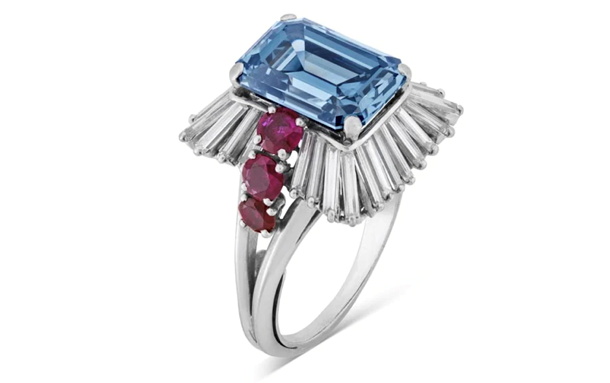
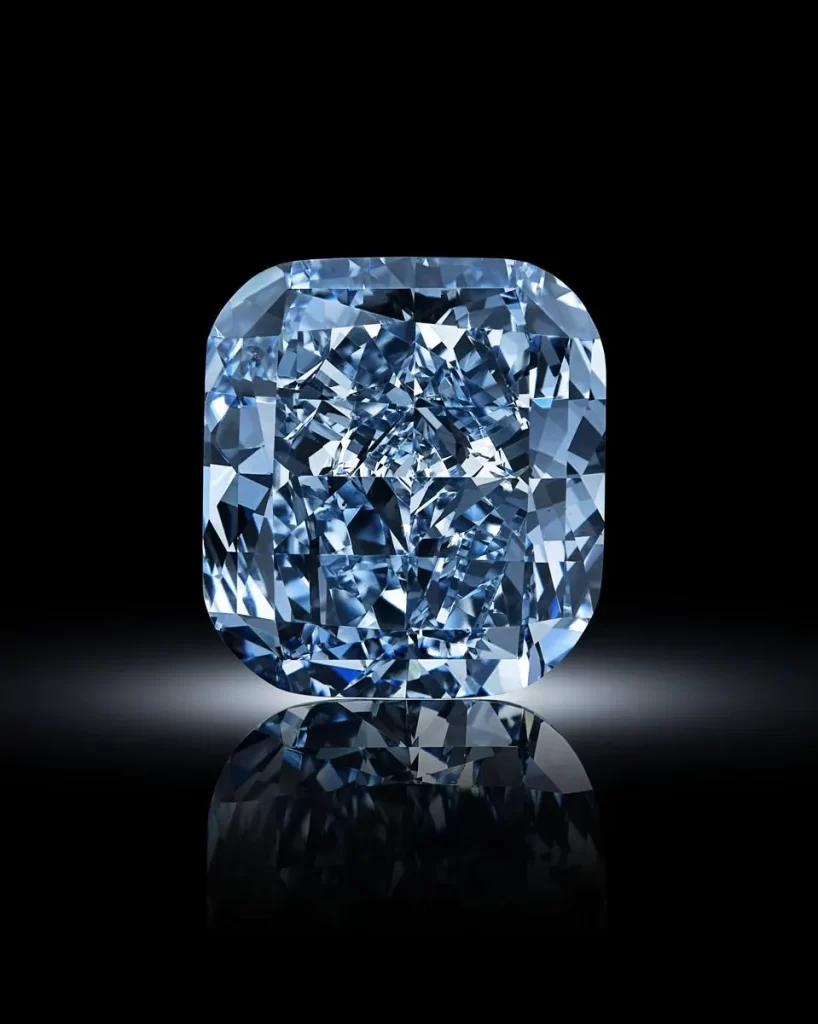
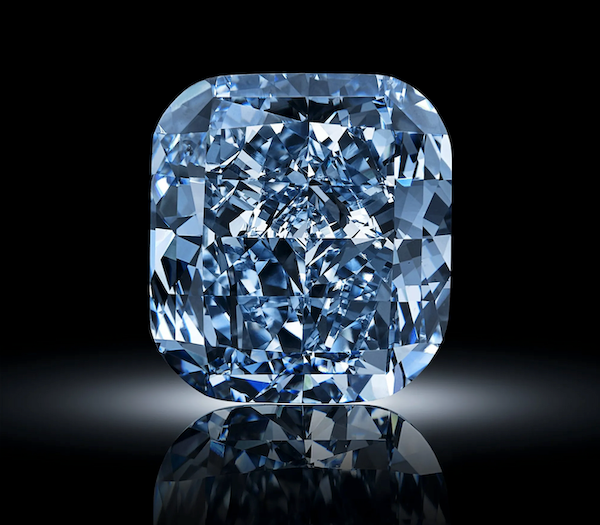
The new top lot was another blue, an emerald-cut 6.24-carat fancy deep blue diamond (pictured) that was sold to London-based Moussaieff Jewellers for $12.7m. Christie’s said it set an auction record price per carat for a deep blue jewel.

A fancy, vivid blue oval-shaped diamond ring of 3.68 carats set by Graff, sold for $5.8m to Lawrence Graff.

And a private collection of 21 pieces by JAR (Joel Arthur Rosenthal) sold for $7.1m, with a diamond necklace selling for $2.8m, almost five times its pre-sale estimate.

Christie’s said the auction raised $72.3m, with 77 per cent of the 115 lots selling above their high estimate. By comparison, last year’s Magnificent Jewels auction raised $54.2m.

Source: IDEX

Thursday, 15 May 2025

Tanzania’s Williamson Diamonds goes totally Pink

Williamson Pink Diamonds

London-listed and South Africa-active Petra Diamonds has sold its entire shareholding in Williamson Diamonds of Tanzania, plus all shareholder loans owed to it, to Pink Diamonds Investments, also of Tanzania.

Pink diamonds are known for their pink hue, ranging from light to deep rose.

The up-to-$16-million transaction has obtained Tanzanian Fair Competition Commission approval for Williamson ownership now vesting entirely with Pink, a Taifa affiliate, which is viewed as possessing the technical and financial capability to conduct operations for the benefit of stakeholders.

With more than three decades of mining-related experience, Taifa’s working relationships extend to mining majors such as De Beers, Barrick and AngloGold Ashanti, and the company is now entering a phase of exclusive ownership of an asset where about 1 100 people are employed, most of them Tanzanian.

The mine’s reserves and resources as of June 30 were reported as 37.17-million carats. With liquidity challenges continuing, further capital investment will be required.

Petra Diamonds

Twenty per cent of any distributable cash generated annually by Williamson will be payable by Pink Diamonds to Petra until the selling price is met, Petra joint interim CEO Vivek Gadodia outlined in a release to Mining Weekly, in which he wished Pink all of the best as its takes over the mine, the kimberlite pipe of which was discovered by Canadian geologist John Williamson in 1940 and which led to ongoing operation since then, making it one of the world’s oldest continuous operating diamond mines. Its yield of 19-million-plus diamond carats includes a 54.5 ct Williamson pink diamond that was presented to British royalty in 1947.

Meanwhile, Petra, with the Cullinan and Finsch underground diamond mines in South Africa, is focusing on value rather than volume at a time when diamond-mining headwinds are tending to dominate the headlines and the usual sale of rough diamonds at acceptable prices is reportedly proving difficult.

This has resulted in the stockpile of rough diamonds held by De Beers, for example, rising to $2-billion, which, according to a report in the Financial Times, is the biggest hold back of rough diamonds since the financial crisis of 2008.

Source: DCLA

Wednesday, 14 May 2025

Sierra Leone’s largest diamond miner shuts down, laying off more than 1,000 workers

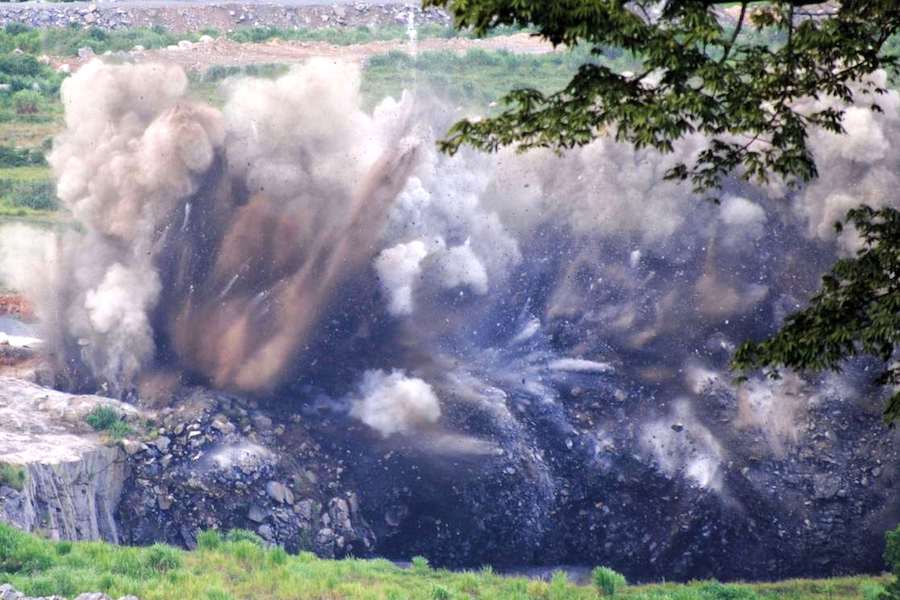
Blasting at Koidu diamond mine.

Koidu Limited, Sierra Leone’s largest diamond producer, has halted operations and laid off nearly its entire local workforce of more than 1,000 employees following a protracted dispute over pay and working conditions.

Workers at the mine went on strike in December 2024 but suspended their walkout to allow negotiations. They then walked out again in early March.

The firm, a subsidiary of Octea Limited, was founded by Israeli billionaire Beny Steinmetz’s BSG Resources.

Charles Kainessie, president of the Koidu Limited Workers’ Union, told Reuters that only a small number of workers were still employed at the company’s head office in Freetown.

Sierra Leone’s labour ministry has received copies of summary dismissal letters for more than 1,000 employees, it said in a statement on May 6.

Kainessie told Reuters that workers had only been receiving 30% of the value of their salaries because they were pegged to the US dollar but paid in the local currency, and the company was using an exchange rate from 2016.

He also said workers lacked access to adequate toilet facilities and drinking water.

Koidu Limited declined to comment on the allegations. Its head of corporate affairs, Ibrahim Turay, said he was “restricted from making any comments on the issue for now”.

The shutdown could impact global diamond markets, already facing supply constraints from major producers, including India. Koidu Limited’s exports are around $100 million, according to industry sources.

First Lady
Koidu has accused Sierra Leone’s First Lady, Fatima Bio, who hails from the area where Koidu operates, of fanning the flames of the dispute.

Fatima Bio visited the area after the walkout in March and addressed the workers, criticizing the firm in remarks the company has rejected as false.

Following her visit, she said in a social media post that Koidu had been “unjust to the workers for far too long”.

Gustaf Fredrik Bodin, a Koidu Limited director and its general counsel, responded in a May 6 letter addressed to Fatima Bio accusing her of unlawful interference, incitement, defamation and causing damage to Koidu Limited and Octea Limited.

Neither the First Lady nor her office responded to Reuters‘ requests for comments on Koidu’s accusations and threat of legal action.

The letter, seen by Reuters, said Koidu Limited had suffered financial losses exceeding $16 million from the strike, and that it would need $20 million to restart operations.

It demanded a public retraction from Fatima Bio for her statements and a written commitment that she will make no further threats against the company.

Sierra Leone Information Minister Chernor Bah told Reuters that “everything is being done to resolve the impasse.”

Source: DCLA

Tuesday, 13 May 2025

Rare 10.3-Carat ‘Mediterranean Blue’ Diamond Sells for $21.5 Million at Sotheby’s Geneva Auction

Mediterranean Blue’ Diamond

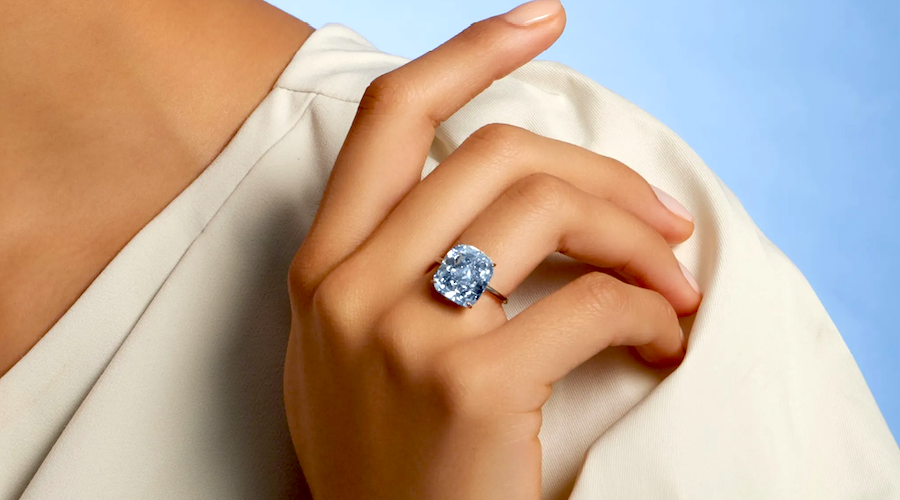
A rare 10.3-carat fancy vivid blue diamond, known as The Mediterranean Blue, has sold for an astonishing $21.5 million (17.9 million Swiss Francs) at Sotheby’s High Jewellery Auction in Geneva. This exceptional gemstone not only topped the auction but was also the headline piece of Sotheby’s week-long jewellery sales in Switzerland.

Intense Bidding War Over a Fancy Vivid Blue Diamond
The auction, livestreamed globally, saw a fierce bidding battle that began at 9 million Swiss Francs. Within the first minute, the price surged to 13 million, eventually narrowing to two determined phone bidders. After two and a half minutes of competitive bidding, the final hammer price landed at 15 million Swiss Francs, with additional premiums pushing the total sale price to $21.5 million.

The winning bidder was represented by Frank Everett, Vice Chairman of Jewelry, Americas at Sotheby’s. The blue diamond had been estimated at $20 million prior to the auction.

From Cullinan Mine to Record Sale
The Mediterranean Blue diamond was cut from a 31.94-carat rough blue diamond discovered in 2023 at the legendary Cullinan mine in South Africa, a source renowned for producing some of the world’s most important blue diamonds. Sotheby’s revealed that the rough stone underwent a full year of study before undergoing a meticulous six-month cutting and polishing process to achieve its final cushion modified brilliant-cut form.

Global Tour Boosted Demand
Sotheby’s launched a worldwide exhibition tour of the blue diamond, beginning with its unveiling at their inaugural show in Abu Dhabi. It was then displayed across the Middle East, Asia, and the United States, generating significant interest from collectors and high-net-worth buyers. The gem was showcased alongside seven other ultra-rare diamonds and gemstones, with the total collection valued at over $100 million.

A Defining Stone of the Season
Quig Bruning, Sotheby’s Head of Jewelry for the Americas & EMEA, described the diamond as a milestone for the season:

“It is undoubtedly the defining stone of the season and ranks among the top blue diamonds we have ever sold. The excitement it generated during its global tour reflects the increasing demand for rare, investment-grade diamonds and a growing flight to quality among collectors.”

Source: DCLA

Monday, 12 May 2025

$3.3m Loss as Brilliant Earth Customers Spend Less

Brilliant Earth, which sells both natural and lab grown diamonds

Brilliant Earth, the US-based “ethical jeweler”, reported a $3.3m net loss for the first quarter of 2025, as customers opted for less pricey goods.

The total number of orders rose by over 12 per cent (40,525 to 45,535) but the average value fell by more than 14 per cent ($2,402 to $2,062).

Brilliant Earth, which sells both natural and lab grown diamonds, said net sales were down 3.5 per cent to $93.9m.

“We’re pleased with our first quarter performance, which demonstrates the continued strength and resilience of our business model as we delivered our 15th consecutive quarter of profitability as a public company,” said CEO Beth Gerstein, referring to its adjusted EBITDA (Earnings Before Interest, Taxes, Depreciation, and Amortization) of $1.1m, rather than its $3.3m GAAP (Generally Accepted Accounting Principles) net loss.

Gerstein said Q1 engagement ring sales had increased year-on-year, fine jewelry bookings had enjoyed a double-digit boost and sales in the two weeks to Valentine’s Day broke company records.

Brilliant Earth, based in San Francisco, California, and Denver, Colorado, was founded as an online-only business in 2005 and went public in 2021. Since then it has opened 41 bricks and mortar stores.

Source: DCLA

Sunday, 11 May 2025

De Beers Shuts Down Lightbox Lab-Grown Diamond Brand to Refocus on Natural Diamonds

lab-grown diamond (LGD) jewellery brand, Lightbox

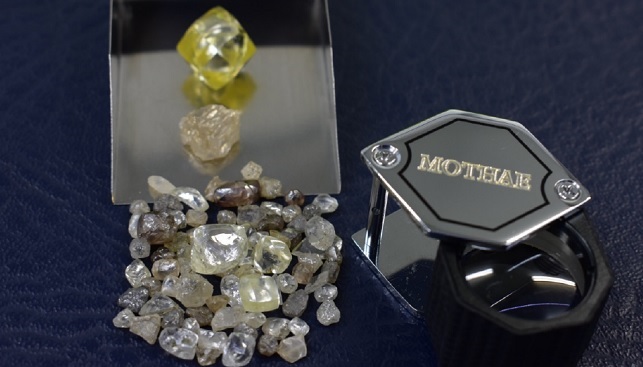
De Beers Group, the global diamond mining leader, has announced the closure of its lab-grown diamond (LGD) jewellery brand, Lightbox, marking a strategic pivot back to natural diamonds. The decision comes as part of the company’s broader Origins Strategy, launched in May 2024, to streamline operations and prioritise high-return business areas.

End of the Road for Lightbox

Launched in 2018, Lightbox was positioned to differentiate lab-grown diamonds from natural ones by offering transparent linear pricing at $800 per carat. However, the LGD market has undergone significant change. Wholesale prices for lab-grown diamonds in the jewellery sector have dropped by around 90%, pushing the market toward a cost-plus pricing model. This sharp decline in value has ultimately led De Beers to discontinue Lightbox.

In addition to market pressures, De Beers cited weakening demand and uncertainty around tariffs as contributing factors behind the closure. Discussions are currently under way for the sale of Lightbox’s assets, including its remaining inventory.

Reaffirming Commitment to Natural Diamonds

Al Cook, CEO of De Beers Group, emphasised that the decision to close Lightbox reflects the company’s long-term strategy to focus on natural diamonds, where brand heritage and enduring value remain strong.

“The persistently declining value of lab-grown diamonds in the jewellery market underscores the growing distinction between factory-made stones and natural diamonds,” Cook said.
“Global competition, especially from low-cost Chinese producers, and falling prices driven by US supermarkets, show that prices are likely to continue dropping. Lightbox played a role in clarifying the difference in value between lab-grown and natural diamonds.”

De Beers plans to reinvest resources from Lightbox into marketing campaigns and initiatives that enhance the global appeal of natural diamonds.

Support for Customers and Partners

As Lightbox operations wind down, De Beers will ensure a smooth transition for employees, suppliers, retail partners, and other stakeholders. Warranties and after-sales services for existing Lightbox purchases will continue to be honoured during the closure period.

Synthetic Diamonds to Power Innovation

While De Beers exits the LGD jewellery space, it remains invested in the future of synthetic diamonds in industrial and technological applications. Element Six, a De Beers subsidiary and former supplier to Lightbox, will continue developing lab-grown diamond solutions for sectors such as semiconductors, optics, and quantum technology.

Element Six will centralise its chemical vapour deposition (CVD) production in Oregon, USA, as part of its plan to strengthen global partnerships and fuel innovation across high-tech industries.

Thursday, 8 May 2025

Rare 10-Carat Blue Diamond Could Fetch $20 Million at Sotheby’s Geneva Auction

Mediterranean Blue Diamond

A remarkable 10-carat blue diamond, dubbed the “Mediterranean Blue Diamond,” is expected to achieve up to $20 million when it goes under the hammer at Sotheby’s in Geneva on 13 May. The diamond, which boasts the highly coveted “fancy vivid blue” colour grade, represents one of the most prized and rare categories in the world of coloured diamonds.

Discovered in 2023 at South Africa’s famed Cullinan mine, the Mediterranean Blue was originally a rough diamond weighing an impressive 31.94 carats. What followed was an extraordinary journey — a full year of study, including precise analysis to maximise both beauty and value, and six months of planning and expert cutting to reveal the gem in its final cushion-shaped form.

Sotheby’s, which is overseeing the auction, describes the diamond as a standout in its class. Jessica Wyndham, head of high jewellery at Sotheby’s Geneva, remarked, “The market for coloured diamonds continues to go from strength to strength.” Indeed, blue diamonds of this size and calibre are vanishingly rare, and collectors around the world are likely to compete fiercely for the chance to own such an exceptional gem.

Mediterranean Blue Diamond

Fancy vivid blue is the highest grading for coloured diamonds, denoting a saturation and purity of colour that few stones ever achieve. The Mediterranean Blue, with its intense oceanic hue and exceptional clarity, is a testament to nature’s rarity and human craftsmanship.

Over the years, similar diamonds have fetched extraordinary prices. In 2016, the “Oppenheimer Blue,” a 14.62-carat fancy vivid blue diamond, sold for a staggering $68.7 million at Christie’s in Geneva, setting a world record for any fancy vivid blue diamond sold at auction. That same year, another exceptional blue stone — a 24.18-carat intense blue diamond also mined from the Cullinan site — sold for $25 million, reinforcing the global appetite for ultra-rare coloured diamonds.

The Cullinan mine, known for producing some of the world’s most famous diamonds — including parts of the Cullinan I and II, which are part of the British Crown Jewels — has once again proven its status as a source of legendary stones.

With demand for coloured diamonds surging, particularly among high-net-worth collectors and investors seeking portable, tangible assets, the upcoming sale of the Mediterranean Blue Diamond is expected to draw worldwide attention.

Its appearance at auction not only marks a rare opportunity to acquire a gem of unmatched beauty and provenance, but also reflects the continuing strength and allure of the coloured diamond market — where rarity and story combine to create lasting value.

Source: DCLA

Wednesday, 7 May 2025

Auction House Pulls Fake Pink Diamond from Sale

A leading auction house was shocked to discover a pink diamond it planned to sell was actually a fake.

A leading auction house was shocked to discover a pink diamond it planned to sell was actually a fake.

The gem was sent to the Institute of Diamonds – the De Beers diamond grading and verification division – ahead of the sale.

It was examined there and found to be a forgery, De Beers CEO Al Cook said in a LinkedIn post to his 42,500 followers.

“At first glance, the stone looks beautiful. It even has an inscription on the side which claims its a diamond,” he said.

But a combination of experts and sophisticated detection machines confirmed the stone was not actually diamond.

“As soon as our team looked at the stone, they suspected it was a fake,” said Cook in a follow-up to his original post.

“The certification inscription on the side had led the auction house to believe it was real.”

He also said: “Our team was quite excited to see this extraordinary stone and actually very sad when it turned out to be a fake.

“Luckily the fraud was stopped before an auction customer paid a vast sum of money!”

Cook didn’t provide further details, and De Beers declined to elaborate.

In his original post Cook said: “Henry Smith from our Institute of Diamonds confirmed that this pink stone was a forgery. ‘It had even been lasered with a fake inscription’.

“Henry explained that the auction house was shocked, but ‘cases like this emphasise the critical role of advanced detection technologies’.”

Cook also said in his post that De Beers was ramping up production of DiamondProof, the verification device aimed specifically at retailers that was showcased at JCK last year and which is now available in the US.

He said it can distinguish a natural diamond from a lab-grown or moissanite in a few seconds.

Source: IDEX

Tuesday, 6 May 2025

US Watch and Jewelry Sales Steady Again in March

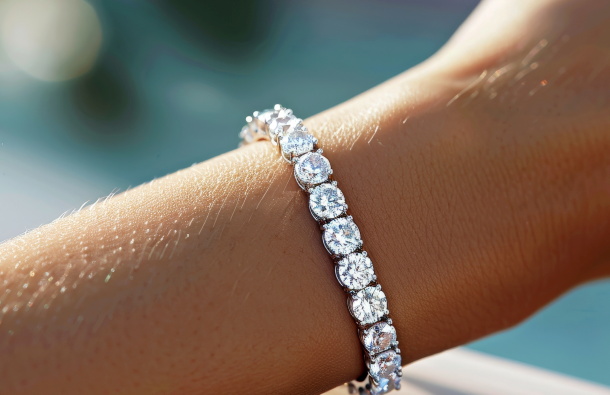
Diamond Bracelet

Watch and jewelry sales in the US remained steady in March, with a slight overall increase of 0.4 per cent, according to the latest US Department of Commerce figures.

Jewelry sales rose slightly, while watch sales dipped, as consumers opted for higher-priced items, but bought fewer of them.

In February overall sales increased by just 0.2 per cent and in January they fell by 1.0 per cent

The US government’s BEA (Bureau of Economic Analysis) reported a 0.7 per cent increase in consumer spending in March, the biggest increase for two years, but said it was largely driven by a rush to buy cars before US reciprocal tariffs forced prices up.

Watch and jewelry sales have been characterized by very modest increases in recent months, following on from a year of sustained growth – 10 per cent or more in some months – as shown below.

Reciprocal US tariffs – announced in April, then paused until July – will almost certainly hit sales, as producers forced to either absorb the costs or pass them on to consumers.

Source: DCLA

Monday, 5 May 2025

De Beers Boss Says Trump’s Diamond Tariffs Do Nothing for U.S. Jobs

 “Diamond Tariffs: A Tax on Love?”

The diamond world is facing fresh turbulence following the U.S. government’s decision to impose tariffs on imported diamonds — a move that De Beers CEO Al Cook says does nothing to support American jobs or the economy.

In an exclusive interview with the Financial Times, Cook made it clear: “There are no U.S. diamond mining jobs to protect.” He stressed that these tariffs don’t create employment or benefit the domestic industry — instead, they act as a consumption tax that ultimately punishes the American public.

A Tax on Love, Not a Boost to Industry
The U.S. remains the largest market for diamond jewellery, accounting for about half of global demand, yet it has no significant commercial diamond mining of its own. Every diamond on American soil has been imported — meaning the 10% blanket tariff on all imports, introduced by President Donald Trump, hits the diamond trade especially hard.

Unlike many raw materials that were exempt from the tariffs, diamonds were left out, intensifying the impact on a sector already grappling with declining demand and competition from synthetic alternatives.

According to Cook, the result has been immediate: the trade in natural diamonds briefly ground to a halt. The World Diamond Council echoed his warning, stating that $117 billion in annual revenue and over 200,000 U.S. jewellery jobs could be at risk if diamonds aren’t removed from the tariff list.

“Tariffs on diamonds are not protecting American industry,” Cook emphasised. “They’re just increasing the cost of engagement rings, anniversary gifts, and other sentimental purchases.”

Global Trade Routes Disrupted
What makes diamonds unique is their complex, high-value supply chain. They’re small, easy to transport, and often pass through multiple countries — from mines in Botswana and Angola, to polishing hubs in India, and finally into U.S. jewellery stores. Tariffs disrupt that finely tuned system.

This comes at a particularly sensitive moment for De Beers, as parent company Anglo American prepares for a sale or initial public offering (IPO) of the diamond giant. Despite industry challenges, De Beers is pushing ahead with IPO plans that could launch by early next year.

But the company is feeling the pain too: first-quarter revenue dropped 44% year-on-year to $520 million, reflecting both lower prices and reduced demand. Anglo American has also written down De Beers’ value by $4.5 billion over the past two years.

Hope on the Horizon?
Still, Cook remains optimistic. He believes that over time, U.S. tariffs on diamonds will be lifted. The American government has already granted tariff exemptions for items like smartphones and car components, and Cook is confident natural resources like diamonds will follow suit.

Adding to that optimism are positive developments in U.S.–India trade talks. India polishes over 90% of the world’s diamonds, making it a key link in the supply chain. A favourable trade agreement between Washington and New Delhi could ease the pressure and offer the diamond sector a much-needed reprieve.

In the end, the message from De Beers is clear: Tariffs on diamonds don’t help American workers or industry — they just make life more expensive for consumers. As negotiations progress and the global market adjusts, the diamond world will be watching closely to see whether policymakers come to the same conclusion.

How Efforts to Control the Diamond Trade Are Hurting the Very Communities They Were Supposed to Protect

For more than two decades, global policies aimed at restricting the flow of diamonds from conflict zones most notably through the “blood dia...