Showing posts with label Sierra Leone blood diamonds. Show all posts

Tuesday, 9 December 2025

How Efforts to Control the Diamond Trade Are Hurting the Very Communities They Were Supposed to Protect

Control the Diamond Trade Are Hurting the Very Communities They Were Supposed to Protect

For more than two decades, global policies aimed at restricting the flow of diamonds from conflict zones most notably through the “blood diamond” narrative have reshaped the way diamonds are traded. These measures were intended to protect vulnerable communities in Africa from exploitation and violence. But today, the ripple effects of those same restrictions are being felt thousands of kilometres away, exposing the fragility of a supply chain that depends on the livelihoods of millions.

In India’s diamond capital of Surat, where an estimated 80% of the world’s diamonds are cut and polished, workers like Alpesh Bhai once saw diamonds as a pathway out of poverty. The industry offered stability, income, and, for the first time, the promise of private education for their children.

That progress has since been jeopardised.

A Perfect Storm of Restrictions and Sanctions

First, sanctions targeting Russian rough diamonds disrupted supply a supply which, for India, had been essential. Then came the imposition of 50% United States tariffs on polished diamonds, compounding the downturn.

The intention behind these measures from conflict-diamond controls in Africa to punitive trade tools against Russia has been to hold powerful actors accountable. Instead, the burden has fallen hardest on those with the least power in the chain: cutters, polishers, and their families.

Alpesh, once earning enough to support education for his two young daughters, saw his salary cut nearly in half before losing his job altogether. Private schooling quickly became unaffordable. He withdrew his children and moved them into a public school where learning opportunities are significantly limited.

“I’ve come back to where I started,” he said a sentiment now echoed across Surat.

The Human Cost Behind Supply Chain Pressure

Surat’s diamond sector employs over 600,000 people, many migrants from rural Gujarat who rely entirely on this trade. Layoffs, pay cuts, and reduced working hours have affected close to 400,000 workers.

Families are leaving the city. Children are dropping out of school. In the most tragic cases, mounting financial pressure has led to a rise in worker suicides.

Community leaders describe the situation as unprecedented. “The industry was always a ladder out of poverty,” one union representative explained. “Now that ladder is shaking for many, it’s disappearing.”

A Stark Reminder for the Diamond World

Conversations about responsible sourcing must include responsibility to all those in the value chain including cutters and polishers who transform rough diamonds into the beautiful stones valued globally.

Policies crafted to protect African workers from exploitation have, ironically, become a new form of harm both in Africa, where mining communities still struggle, and now in India, where workers are paying the price for geopolitical decisions far beyond their control.

As the global diamond market continues to evolve, one thing is clear:

Ensuring the ethical integrity of diamonds must not stop at the mine.
It must extend to every skilled hand that shapes them and every child whose future depends on this industry.

DCLA Transparent Certification and Shared Responsibility

Wednesday, 14 May 2025

Sierra Leone’s largest diamond miner shuts down, laying off more than 1,000 workers

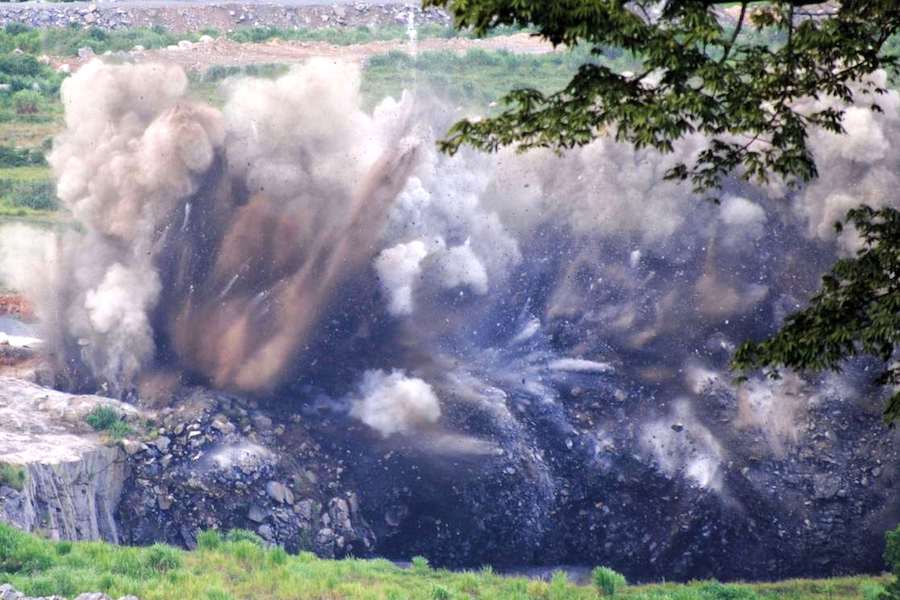
Blasting at Koidu diamond mine.

Koidu Limited, Sierra Leone’s largest diamond producer, has halted operations and laid off nearly its entire local workforce of more than 1,000 employees following a protracted dispute over pay and working conditions.

Workers at the mine went on strike in December 2024 but suspended their walkout to allow negotiations. They then walked out again in early March.

The firm, a subsidiary of Octea Limited, was founded by Israeli billionaire Beny Steinmetz’s BSG Resources.

Charles Kainessie, president of the Koidu Limited Workers’ Union, told Reuters that only a small number of workers were still employed at the company’s head office in Freetown.

Sierra Leone’s labour ministry has received copies of summary dismissal letters for more than 1,000 employees, it said in a statement on May 6.

Kainessie told Reuters that workers had only been receiving 30% of the value of their salaries because they were pegged to the US dollar but paid in the local currency, and the company was using an exchange rate from 2016.

He also said workers lacked access to adequate toilet facilities and drinking water.

Koidu Limited declined to comment on the allegations. Its head of corporate affairs, Ibrahim Turay, said he was “restricted from making any comments on the issue for now”.

The shutdown could impact global diamond markets, already facing supply constraints from major producers, including India. Koidu Limited’s exports are around $100 million, according to industry sources.

First Lady
Koidu has accused Sierra Leone’s First Lady, Fatima Bio, who hails from the area where Koidu operates, of fanning the flames of the dispute.

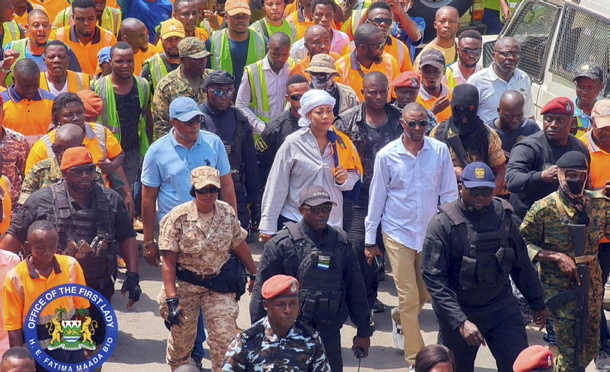
Fatima Bio visited the area after the walkout in March and addressed the workers, criticizing the firm in remarks the company has rejected as false.

Following her visit, she said in a social media post that Koidu had been “unjust to the workers for far too long”.

Gustaf Fredrik Bodin, a Koidu Limited director and its general counsel, responded in a May 6 letter addressed to Fatima Bio accusing her of unlawful interference, incitement, defamation and causing damage to Koidu Limited and Octea Limited.

Neither the First Lady nor her office responded to Reuters‘ requests for comments on Koidu’s accusations and threat of legal action.

The letter, seen by Reuters, said Koidu Limited had suffered financial losses exceeding $16 million from the strike, and that it would need $20 million to restart operations.

It demanded a public retraction from Fatima Bio for her statements and a written commitment that she will make no further threats against the company.

Sierra Leone Information Minister Chernor Bah told Reuters that “everything is being done to resolve the impasse.”

Source: DCLA

Monday, 17 March 2025

Sierra Leone’s First Lady Joins Diamond Protest

Sierra Leone’s First Lady Joins Diamond Protest

The first lady of Sierra Leone has joined protests against owners of the Koidu diamond mine, supporting strike action and demanding pay rises and improved working conditions.

Fatima Maada Bio, wife of president Julius Maada Bio, publicly highlighted the demands of workers and posted a message on her official X (formerly Twitter) account.

“As a proud daughter of the soil, I joined my brothers and sisters working at the Koidu Limited Mining Company in Kono Town to peacefully protest,” she wrote.

“Our collective action aimed to urge Koidu Limited to enhance working conditions and provide better services for all employees.”

She said among the key demands were recognition of the union, living allowances, a 30 per cent salary increment, overtime compensation, the provision of incentives, access to safe drinking water, and freedom of financial choice.

“This protest is a call to action for the company to improve the working conditions and provide better services. We believe that these demands are reasonable and essential for maintaining the well-being and dignity of workers.”

Workers at the mine have long complained about low wages, poor working conditions, and alleged racism, and protests have, in the past, turned violent.

Koidu, a subsidiary of the Octea Diamond Group, was the first to begin commercial diamond operations after the country’s 11-year civil war in 2003.

In a statement on what it described as the “illegal strike action” last week, Koidu Limited said: “Our absolute priority remains the safety and wellbeing of our employees and the community. We maintain our position of zero tolerance to any violence, intimidation or incitement thereof. The government of Sierra Leone has offered the full support of its security forces.”

The company said it wanted to engage in direct negotiations as soon as possible to address all of these concerns, but could only do so if the industrial action is called off immediately.

“Failure to work within the laws of Sierra Leone, as well as the continuing of incitement of actions to obstruct workers from returning to work (particularly violence), is likely to result in the withdrawal of all staff from the mine on the grounds of safety.

“This will result in the ceasing of all operations; an existential threat to the mine itself.”

Source: DCLA

PS: Sierra Leone: The Original Blood Diamonds

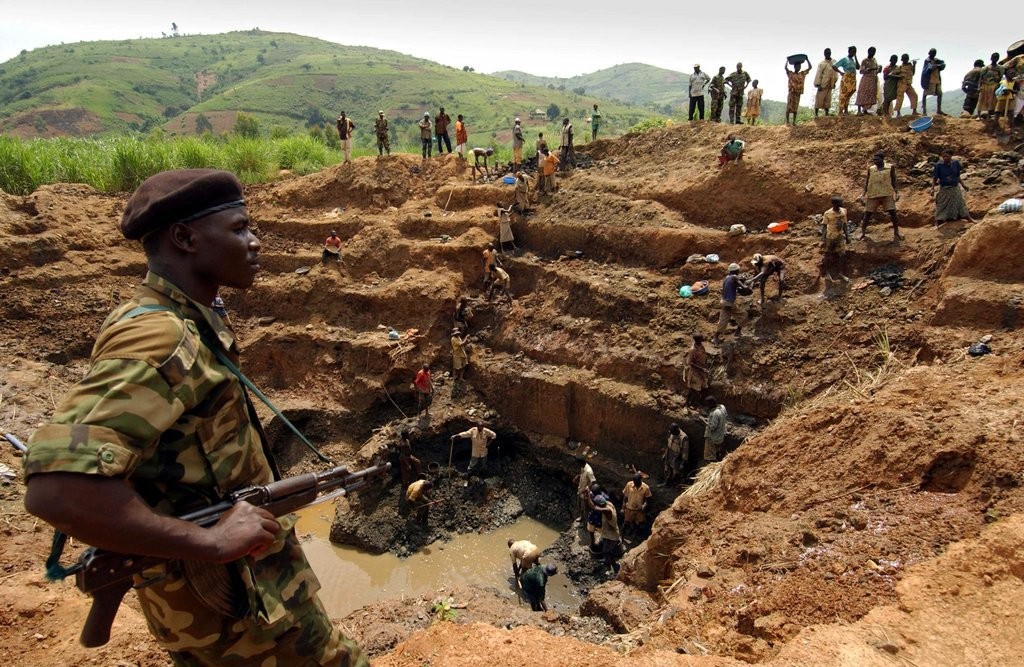
Sierra Leone, a West African nation blessed with abundant natural resources, is synonymous with the term “blood diamonds”—a phrase that evokes images of conflict, human suffering, and illicit trade. These diamonds, also known as conflict diamonds, played a devastating role in the country’s brutal civil war from 1991 to 2002, financing rebel groups and fueling atrocities. Understanding Sierra Leone’s blood diamond history is essential to appreciating the industry’s evolution and the ongoing efforts to prevent such tragedies from recurring.

The Rise of Blood Diamonds

Sierra Leone’s diamond wealth has long attracted fortune seekers and corporations, but it also became a curse. Diamonds were first discovered in the country in the 1930s, and by the 1950s, Sierra Leone had established itself as a significant diamond producer. However, much of the mining was conducted informally, leading to smuggling and corruption.

The real tragedy began in 1991 when the Revolutionary United Front (RUF), a rebel group, launched a war against the government. The RUF quickly realized that controlling diamond mines meant securing a near-endless source of funding for weapons and operations. The group forced civilians, including children, into grueling labor in the mines, extracting diamonds that were then smuggled through neighboring countries and sold on international markets. These diamonds were used to purchase arms, prolonging the conflict and leading to widespread atrocities, including mutilations, mass killings, and child soldier recruitment.

International Response and the Kimberley Process

By the late 1990s, reports detailing the horrors of Sierra Leone’s blood diamonds gained global attention. The international community, led by the United Nations, took action to curb the trade of conflict diamonds. The Kimberley Process Certification Scheme (KPCS) was introduced in 2003 to prevent blood diamonds from entering the legitimate market. The initiative requires diamond-producing nations to certify that their exports are conflict-free, aiming to eliminate the link between diamonds and violence.

While the Kimberley Process has reduced the trade of conflict diamonds, criticisms remain regarding its effectiveness. Loopholes, weak enforcement, and the continued smuggling of diamonds in war-torn regions highlight the need for ongoing reforms.

The Present and Future of Sierra Leone’s Diamond Industry

Since the end of the civil war in 2002, Sierra Leone has made significant strides in stabilizing its diamond sector. The government has implemented stricter regulations, and international oversight has increased. Today, diamonds remain a crucial part of Sierra Leone’s economy, providing jobs and revenue. However, challenges such as illegal mining, corruption, and poor working conditions persist.

Ethical sourcing initiatives, including Fair Trade diamonds and blockchain technology for traceability, are helping to ensure that diamonds from Sierra Leone and other regions are mined responsibly. Companies and consumers are increasingly demanding conflict-free diamonds, putting pressure on the industry to maintain transparency and ethical practices.

Sierra Leone’s tragic history with blood diamonds serves as a stark reminder of the potential dark side of the diamond trade. While progress has been made, the industry must remain vigilant to prevent history from repeating itself. For consumers, choosing diamonds certified as conflict-free and supporting ethical mining initiatives can contribute to a future where diamonds symbolize love and commitment, rather than conflict and suffering.

The legacy of blood diamonds in Sierra Leone is a painful one, but it also highlights the resilience of its people and the ongoing global efforts to ensure that diamonds never again finance war and human suffering.

How Efforts to Control the Diamond Trade Are Hurting the Very Communities They Were Supposed to Protect

For more than two decades, global policies aimed at restricting the flow of diamonds from conflict zones most notably through the “blood dia...