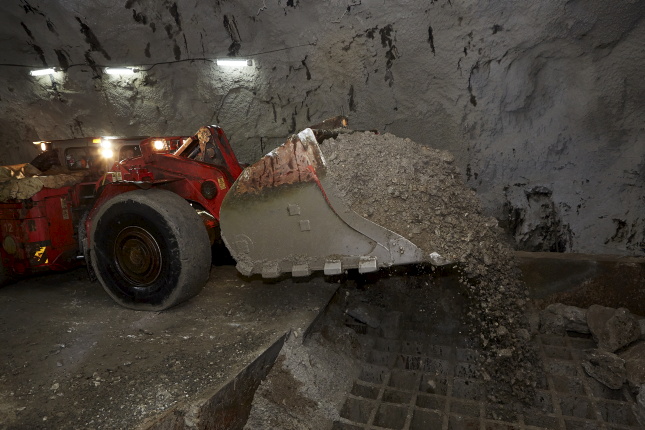
Alrosa is to invest RUB 20bn ($240m) digging deeper to extend the life of the vast underground Udachny mine, just outside the Arctic Circle, until at least 2055.
Mining will eventually take place more than 1km below the surface, extracting 4.1m tonnes of ore annually. The target horizon – the level where mining operations are planned – is 1.13 km below the surface ( at an absolute elevation of -780 m, when taking the surface elevation as a baseline).
Alrosa CEO Pavel Marinychev says annual profit from the planned expansion is estimated at almost RUB 6bn ($73m) a year.
Udachny opened as open-pit mine in 1967 and switched to underground operations in 2014, producing over 10 per cent of Alrosa’s total output. It was due to reach the end of its life in 2039.
Alrosa said the investment committee had approved the project. Udachny is one of the world’s largest kimberlite pipes. Trucks take over 30 minutes to reach the bottom, currently 680 metres below the surface.
“The implementation of the investment project will enable us to significantly extend the duration of mining at the deposit, which currently produces more than 10 per cent of Russian rough diamonds,” said Marinychev.
“From 2025 through 2055, 4.1 million tonnes of ore will be mined here annually and profit is estimated at almost 6 billion rubles per year.”
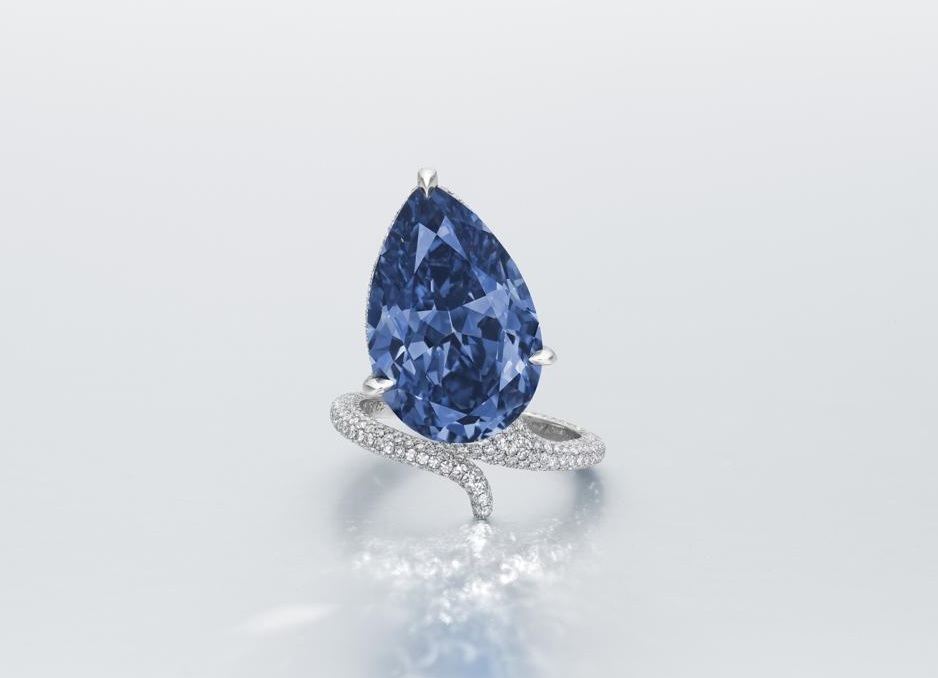
Christie’s is preparing to present one of the most important diamonds to appear at auction in recent years – The Mellon Blue. Estimated at $20 million to $30 million, the 9.51-carat fancy vivid blue pear-shaped diamond will headline the Geneva Magnificent Jewels sale on 11 November at the Four Seasons Hotel des Bergues.
If it reaches the top of its estimate, The Mellon Blue will once again secure its place among the world’s most valuable fancy blue diamonds.
A Rare and Flawless Gem
This remarkable diamond is graded Internally Flawless, and its vivid colour saturation and elegant pear shape make it one of the finest fancy blue diamonds to come to market this year. It has been mounted at the tip of a diamond-paved swirl ring, highlighting its exceptional fire and brilliance.
Provenance: Bunny Mellon
The diamond takes its name from Rachel “Bunny” Mellon (1910–2014), the renowned American philanthropist, horticulturalist, and art collector. Mellon, who designed the White House Rose Garden for President John F. Kennedy, was equally admired for her refined taste in jewellery.
Her estate sale at Sotheby’s in 2014 achieved an extraordinary $218 million, with the jewellery collection alone fetching more than $45 million. Among the highlights of that auction was this very diamond, then weighing 9.75 carats and sold as the “Zoe Diamond,” which realised $32.6 million – setting world records for both price per carat and overall price for a blue diamond at auction.
Returning to the Public Eye
Now renamed The Mellon Blue in honour of its most celebrated owner, the diamond will be unveiled to the public in Hong Kong (23–28 October) and Geneva (7–11 November) ahead of the sale. Christie’s has also announced that the Geneva auction will feature important jewels by Harry Winston, Cartier, JAR, and Van Cleef & Arpels.
Rahul Kadakia, Christie’s International Head of Jewellery, commented:
“This stunning fancy vivid blue diamond, once belonging to America’s ‘Garden Queen,’ is among the finest coloured diamonds to appear for sale at auction. We look forward with great anticipation to its return.”
The November 11 auction of The Mellon Blue will conclude a week-long series of high-profile jewellery and watch sales in Geneva.
Okavango, Botswana’s state-owned diamond company, failed to sell a single stone in an unprecedented “emergency” tender of 1m carats last Thursday 25 September.
The auction was aimed at raising revenue for the government, which had been severely hit by the slump in demand for natural diamonds, but buyers weren’t prepared to pay the reserve prices.
Okavango Diamond Company (ODC) has canceled a number of tenders since November 2024 because of weak demand. It had planned to hold two further ad hoc tenders by the end of this year, but may now have to reconsider.
ODC usually holds about 10 scheduled online spot auctions annually for registered buyers. Last week’s ad hoc tender was a marked departure from the norm.
ODC spokesman Dennis Tlaang said ahead of the tender that it wouldn’t be selling at prices that would have “a negative impact on the market”.
The company now sells 30 per cent of the rough output from Debswana, the 50/50 joint venture between the Botswana government and De Beers.
The US has agreed to ditch its 15 per cent tariff on imports of diamonds polished in Antwerp and elsewhere in the EU.
They will be zero-rated, following intensive lobbying from the AWDC (Antwerp World Diamond Centre).
The exemption, made in a US executive order, means Antwerp’s 350 or so diamond polishers are now subject to zero tariffs on US imports, while the thousands of polishing units in India are currently subject to a 50 per cent tariff.
The 15 per cent tariff was introduced on 1 September as part of a global move announced by US President Donald Trump. The new diamond exemption is effective retroactively from that date.
AWDC described it as a “tremendous boost for the Antwerp diamond industry,” one which could pave the way for other diamond countries to negotiate lower tariffs with the US.
CEO Karen Rentmeesters (pictured) said: “The agreement is of vital importance and strengthens our competitiveness as both a trading and polishing hub. For goods of European origin – polished in Antwerp – which account for half of all polished diamond exports to the U.S., the 15 per cent tariff will no longer apply.
“By setting this precedent, we have opened the door for other diamond-producing and polishing countries to negotiate similar arrangements in the near future.”
Diamonds polished in an EU country are now included on the list of exemptions summarized in so-called ‘Annex II,’ which outlines products that can be exempted once a bilateral trade agreement with the U.S. is reached.
Two extraordinary diamonds from South Africa have provided scientists with a rare glimpse into the hidden chemistry of Earth’s mantle—nearly 300 kilometres beneath the surface.
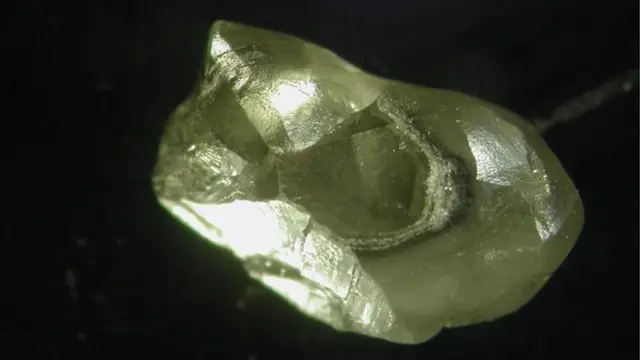
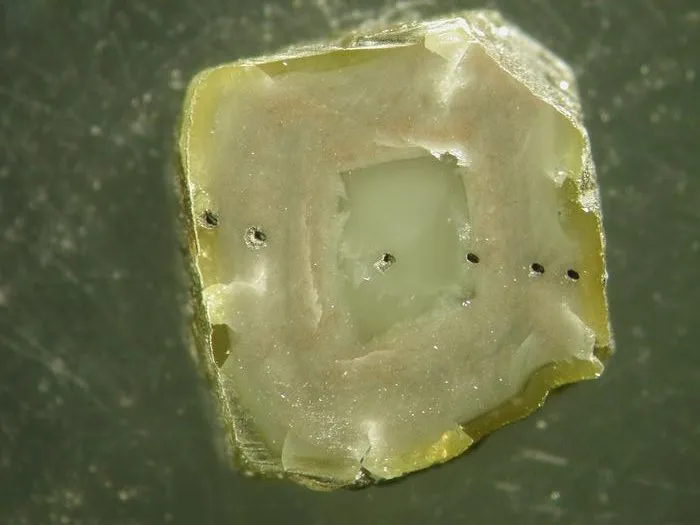
A research team from the Hebrew University of Jerusalem has identified the first direct evidence of nickel-iron metallic alloys and nickel-rich carbonates at these extreme depths. The discovery was made by examining tiny inclusions preserved inside diamonds from the Voorspoed mine in South Africa.
Diamonds as Nature’s Record Keepers
While diamonds are prized for their beauty, their true scientific value often lies in what they conceal. Inclusions—whether microscopic minerals or metallic alloys—serve as natural records of deep-Earth processes that would otherwise remain invisible.
“These diamonds act as tiny time capsules, preserving a rare chemical reaction that would otherwise disappear,” explained lead researcher Yaakov Weiss.
The inclusions confirm the diamonds’ origins in the deep upper mantle and shallow transition zone, at depths of 280–470 kilometres.
Unlocking Diamond Formation
The study revealed an unusual coexistence of nickel-iron alloy and nickel-rich carbonate within the same inclusions. Normally, these materials would react instantly and could not exist side by side. Their preservation points to a process known as a metasomatic redox-freezing reaction, in which oxidised, carbon-rich melts infiltrate metal-bearing mantle rock.
This finding strengthens the theory that diamonds can form from reactions between carbonates and reduced metals in the mantle—a mechanism first suggested by evidence at shallower depths.
It may also explain why some natural diamonds contain nickel atoms within their crystal structure, solving a mystery that has long puzzled geologists.
Insights into Volcanoes and Kimberlites
The implications extend beyond diamond formation. The reactions preserved within these inclusions suggest that the mantle becomes enriched with elements like carbon and potassium. This enrichment may be a critical step in generating kimberlite magmas—the volcanic eruptions that transport diamonds to the surface.
A Scientific Treasure
For the DCLA, this discovery highlights yet another dimension of diamond’s significance. Beyond their role as treasured gems, diamonds are windows into Earth’s inaccessible depths, preserving geological secrets for millions of years.
As Yaakov Weiss put it: “Diamonds act as tiny time capsules, capturing a moment of mantle chemistry in action.”
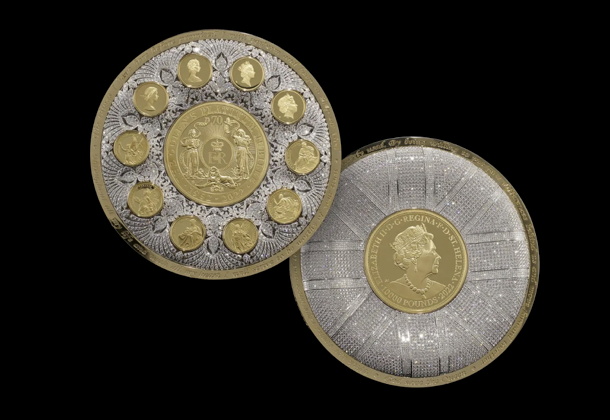
A huge, one-of-a-kind “coin” created to mark Queen Elizabeth II’s Platinum Jubilee is to be auctioned with a high estimate of $4m.
The Crown Coin, commemorating her 70 years on the throne in 2022, was struck from 3.61 kg of 24-carat gold and set with 6,426 GIA-certified diamonds weighing a total of 483.57 carats. At 235mm across it is almost the size of a standard frisbee.
At the center is a 1kg gold coin – legal tender with a face value of £10,000 – surrounded by 10 smaller coins bearing official portraits from Queen Elizabeth II’s reign.
The “coin” was created by The East India Company Bullion Ltd, which makes commemorative and collectible bullion coins, and takes its name from the long-dissolved East India Company, which played a major role in establishing British imperialism in India.
Stanley Gibbons Baldwin’s, the London-based auction house specializing in coins and stamps, will offer it for sale on 25 September, with an estimate of £2m to £3m (USD 2.7m to 4.0m).
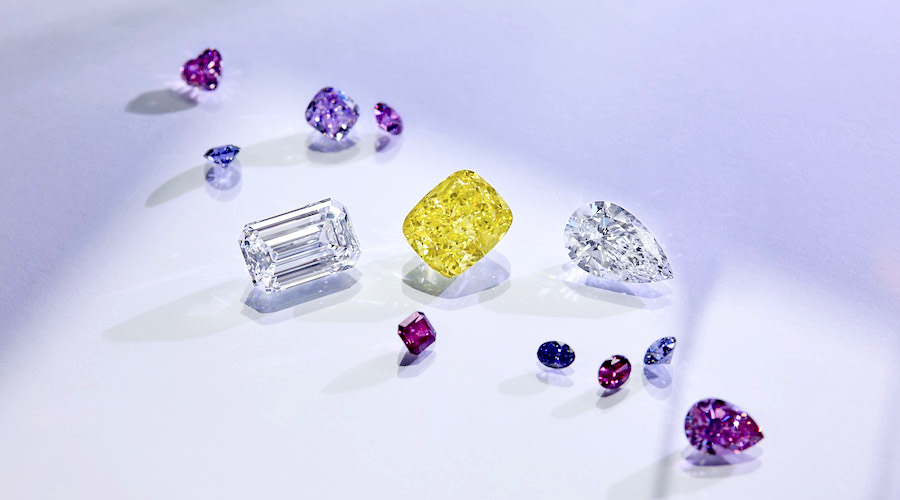
Rio Tinto is auctioning its final collection of rare diamonds from its closed Argyle mine in Australia and the soon-to-shutter Diavik operation in Canada.
The tender, called Beyond Rare, includes 52 lots totalling 45.44 carats and marks the end of an era for two of the world’s most celebrated diamond mines.
The centrepieces are six diamond sets selected to represent the peak of production from the East Kimberley region of Western Australia and the Northwest Territories of Canada. The tender also features 39 individual stones and seven curated sets.
Rio Tinto Diamonds’ general manager of sales and marketing, Patrick Coppens, called the auction a historic moment. “It is hard to overstate the importance of this final collection,” he said in the statement. “No other mining company in the world has custody of such an exquisite range of diamond colours, shapes and sizes.”
Rio Tinto closed Argyle in 2020, ending production of the famed pink, red and violet stones that made the mine world-renowned. Although Argyle accounted for about 75% of Rio’s diamond output, the impact on the company’s earnings was minimal, with diamonds contributing only about 2% of revenue. Diavik, the miner’s last diamond asset, is scheduled to close in 2026.
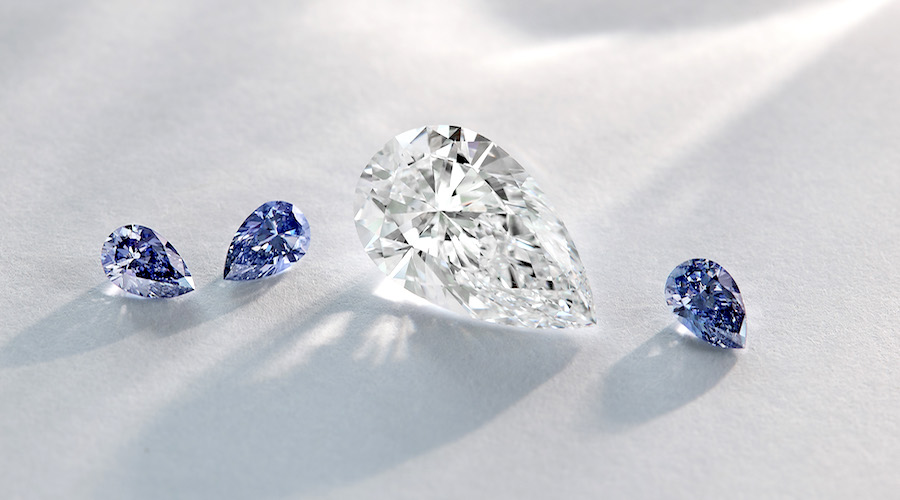
The collection includes one GIA Fancy Red diamond, 12 Fancy Violet, and 76 Fancy Pink and Purple-Pink stones from Argyle’s legacy inventory. From Diavik, highlights include two flawless D-colour white diamonds, an emerald cut weighing 5.11 carats and a pear shape of 3.02 carats. Both of them were cut from the same rough stone.
Collection includes one GIA Fancy Red diamond, 12 Fancy Violet, and 76 Fancy Pink and Purple-Pink stones from Argyle’s legacy inventory.
The tender also features a Fancy Vivid Yellow diamond weighing 6.12 carats.
The diamonds will tour Hong Kong, Australia and Antwerp before bids close on October 20. Industry insiders expect strong competition from top jewellers, collectors and connoisseurs.
The sale of diamonds through tenders and auctions is opaque and inefficient and should be revamped for producers to earn more and to survive the current price slump, a leading gem trader said on Thursday.
Oded Mansori, co-founder and managing partner of Belgian gem trader HB Antwerp, said the impact on producers could be reduced by doing away with inefficiencies in the industry.
The diamond market is currently going through a prolonged downturn with demand hurt by global economic uncertainty and the rising popularity of lab-grown stones.
Producer countries such as Botswana have been hard hit by lower revenues, while miners such Burgundy and Lesotho’s biggest diamond mine Letseng have had to lay off workers.
“For years, miners relied on tenders and auctions, systems that look efficient on paper but in practice resemble a casino,” Mansori said in a statement, as the industry battles a crisis considered to be its deepest in history.
“Rough stones are pushed into opaque markets where value is anyone’s guess. When global demand softens, as it has in cycles over the last decade, producers are left exposed. Workers pay the price, while shareholders watch assets decline,” he added.
Rough diamonds are typically sold through a competitive bidding system where buyers place confidential bids on individual stones or parcels.
Mansori, whose company operates a profit-sharing model with miner Lucara Diamond Corp, says producers’ revenues should be tied to the eventual polished value of its stones “rather than gambling on rough sales in opaque auctions”.
Under its partnership with Lucara, HB Antwerp buys stones of 10.8 carat quality and above from the Toronto-listed company’s Karowe Mine in central Botswana at prices based on the estimated polished value of each diamond.
HB Antwerp accounted for 72% of Lucara’s $74-million diamond revenue in the six months to June 30, up from 65% the year before.
The trader says producers can earn up to 40% more revenue if they sell through this model.
Rough diamonds that were locked in a 15-year legal dispute in Zimbabwe are finally being sold.
The UK miner Vast Resources is offering parcels totaling 135,000 carats at a series of public and private tenders from now until the end of October.
Vast surrendered the gems in 2010 amid allegations it had exploited diamonds on mining claims previously owned by De Beers, which withdrew from Marange in 2006, saying it had failed to find viable reserves.
Vast Resources (then known as African Consolidated Resources) subsequently discovered massive alluvial diamond deposits there, which prompted the Zimbabwe government to revoke its mining licenses within months, and evict it.
The diamonds, held at Zimbabwe’s central bank since 2009, were finally handed back to Vast in April of this year.
They have undergone an extensive cleaning process in Dubai to remove multiple layers of metallic silicates and mineral coatings. As a result, around 6,000 carats initially classified only as industrial diamonds have been upgraded to gem quality.
In an update (on 15 September) Vast spoke of “a unique opportunity to most effectively realize value from the long-awaited parcels from the historic settlement and could open further opportunities for the company in the future”.
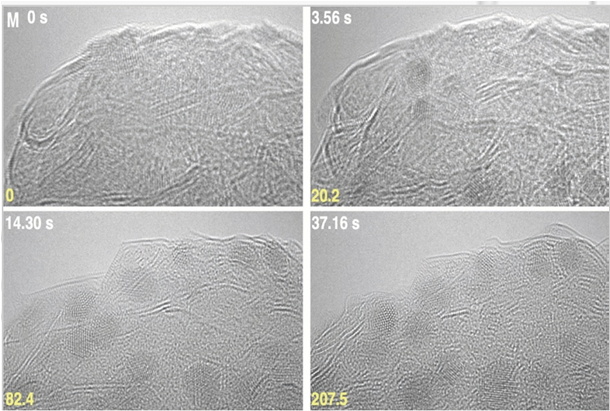
Researchers at the University of Tokyo say they’ve found a way to make tiny diamonds without the need for high temperature or high pressure conditions – unlike current lab grown technology.
They use electron beams to break and remake bonds in adamantane (C10H16), a carbon molecule in which atoms are arranged in a pattern very similar to the atomic structure of diamond.
The process takes tens of seconds under transmission electron microscopy conditions in a vacuum (low-pressure chamber)
A team led by Professor Eiichi Nakamura, of the Department of Chemistry, has published its findings in the journal Science, in an article entitled Rapid, low-temperature nanodiamond formation by electron-beam activation of adamantane C-H bonds.
It explains how the controlled electron irradiation of adamantane produces defect-free nanodiamonds.
The breakthrough process is aimed at creating tiny diamonds for high-tech industries, scientific research, and medical fields, rather than larger gem-quality stones.
It works through gradual assembly of diamond lattice from adamantane molecules under prolonged electron irradiation, which naturally limits the size to nanodiamonds currently.
Larger diamond growth would require controlling fusion of these nanocrystals and sustained lattice perfection over much longer times and at a larger scale.
Gem quality lab growns are created either using High Pressure High Temperature (HPHT) or Chemical Vapor Deposition (CVD), which uses high temperatures and low pressure.
The World Jewellery Confederation (CIBJO) is set to reverse a decision made in 2010 – and insist that non-natural diamonds are labelled as “synthetic”.
It says the terms “laboratory-grown” and “laboratory-created” should be removed from the Diamond Blue Book – the de facto standard for diamond terminology, grading and trade practices – and from all relevant ISO Standards.
In addition, the 4Cs grading system should be used only for natural diamonds (as the GIA is now doing).
Udi Sheintal (pictured), president of CIBJO’s Diamond Commission, said the original acceptance of lab grown terminology had been well-intentioned, but proved to be misplaced.
“At the time, we believed we were acknowledging a commercial reality and extending a constructive hand to a new segment of the industry,” he said, in a special report ahead of the 2025 CIBJO Congress in Paris at the end of October.
“We hoped for a spirit of cooperation, with shared standards, ethics and transparency.”
But he said many in the synthetic diamond sector — along with some grading laboratories and major retail chains – took advantage of that inclusive approach.
“In addition, the marketing narrative around synthetic diamonds has been aggressively shaped to position them as the more ethical, sustainable, and conflict-free choice, almost always without substantiation.”
He also called for greater transparency, requiring that all descriptions and marketing of synthetic diamonds reflect the reality of their origin: they are not grown or created in a “laboratory,” but rather are manufactured in industrial facilities through artificial processes.
Patek Philippe will reportedly hike watch prices by 15 per cent tomorrow (Monday 15 September) in response to US reciprocal tariffs.
If confirmed, it will be Patek Philippe’s third price rise in the US this year, according to the WatchPro website.
Prices were increased in January because of soaring gold prices and the strength of the Swiss franc, and in April as a response to the US announcement of across-the-board tariffs.
Authorized dealers will also have their margins cut. Patek Philippe will be the first Swiss watchmaker to raise prices since the US introduced 39 per cent tariffs on 7 August.
Watchmakers rushed to export their goods ahead of the tariff deadline, resulting in a 6.9 per cent increase during July.
But price increases in the near future are almost inevitable as the reciprocal tariffs bite and stocks need replenishing.
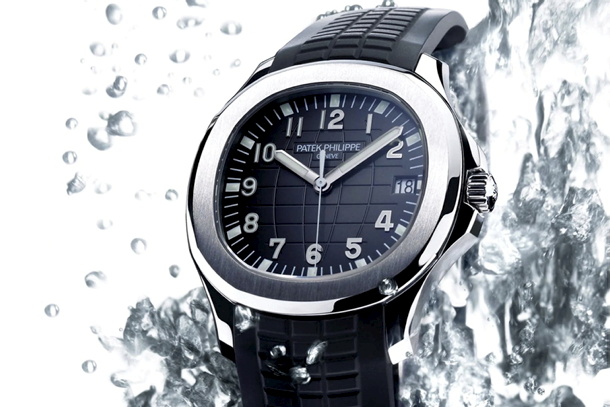
One of the lowest-priced Patek Philippes, the $26,000 stainless steel Patek Philippe Aquanaut Ref. 5167A-001 (pictured) will cost $30,000 if the price increases take place.
An Indian national has been jailed for seven years in Vietnam after he admitted smuggling diamonds worth $320,000 into the country.
Dapale Alkesh Kashinath, 28, said he’d been paid INR 10,000 ($120) by his employer, a Mumbai-based diamond company, to take the stones into the country without declaring them at customs.
Vietnam charges import duties of up to 27 per cent on polished diamonds and jewelry. VAT and other taxes may also apply.
It was Kashinath’s sixth or seventh smuggling trip. He would meet buyers at hotels and hand over the goods once they’d supplied coded and symbols agreed in advance with his employer.
He was apprehended at Tan Son Nhat International (pictured), Vietnam’s largest airport, in Ho Chi Minh City in October 2024.
X-rays of luggage revealed he had 15 plastic bags, containing 362 natural diamonds, hidden inside two candy boxes.
Kashinath was sentenced to seven years in prison last Friday (5 September) at Ho Chi Minh City People’s Court. An application to pay a fine instead was rejected.
Signet reported increased sales for Q2, as consumers increasingly opted for lab growns over natural diamonds.
It said 14 per cent of all the fashion jewelry items it sold during the quarter were lab grown – twice as many as the same period last year, and higher than Signet’s own expectations.
Total sales for the 13 weeks to 2 August were $1.5bn, up 3.0 per cent, and same store sales increased by 2.0 per cent, Signet said in its Second Quarter Fiscal 2026 Results.
Kay, Zales, and Jared the retailer’s three largest brands together delivered a combined 5 per cent same-store sales growth.
Adjusted operating profit for the quarter rose over 20 per cent reaching $85m, with a 24 per cent year-over-year gain.
Lab growns are viewed as a “category extender for fashion” and demand is most prominent in lower-priced products and fashion jewelry.
“Our second quarter results were driven by the expansion of on-trend fashion assortment and effective promotion and pricing strategies,” said J.K. Symancyk, Signet’s CEO.
Joan Hilson, chief operating and financial officer, said: “Reflecting second quarter results, expectations for the third quarter, and current tariff landscape, we’re raising our Fiscal 2026 guidance.
“This updated guidance also includes share repurchases to date and assumes a measured consumer environment.”
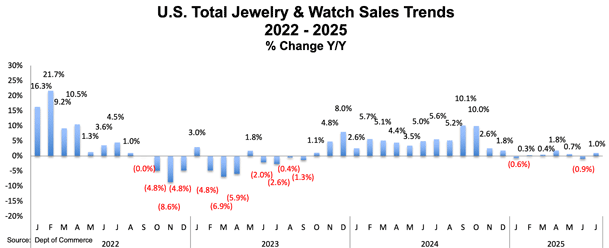
The modest increase largely reflects a rush by exporters to get their goods into the US before the tariff deadlines and retailers stockpiling for the same reason.
It offsets low consumer demand, which is being compounded by ongoing anxiety over US reciprocal tariffs which are expected to force up prices.
Average monthly growth in watch and jewelry sales so far, for the first seven months of this year, has been around 0.6 per cent, compared to over 5 per cent last year.
Sales in June were down 0.9 per cent, a figure that has been revised up from the original -1.7 per cent, based on actual transactions rather than estimates.
Exports of Swiss watches were up 6.9 per cent, largely driven by manufacturers front-loading their shipments to avoid 39 per cent US tariffs.
Recently, the Dubai laboratory encountered four stones submitted for update services inscribed with fraudulent GIA report numbers. Inconsistent font styles and placement indicated the numbers were not authentic GIA inscriptions.
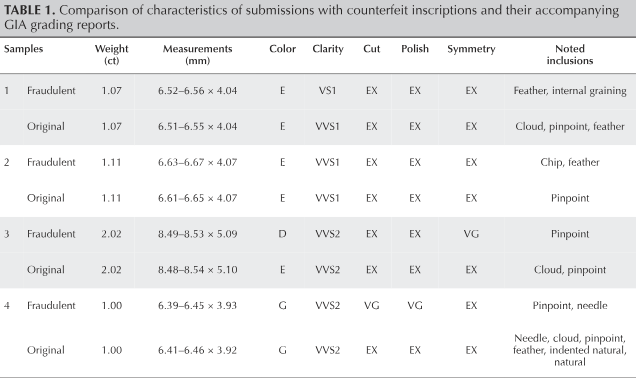
Table 1. Comparison of characteristics of submissions with counterfeit inscriptions and their accompanying GIA grading reports. A careful comparison of their quality characteristics confirmed that these were not the same diamonds as described in their accompanying reports. Although the diamonds were carefully selected to closely match the features listed on the original reports, several subtle differences in their color grades, measurements, and other characteristics were identified (table 1). Even more obvious were the spectral differences between the fraudulent and original stones. The difference in the one-phonon region of the Fourier-transform infrared absorption spectroscopy clearly revealed a discrepancy in the diamond types. The diamonds from the original reports were type Ia with aggregated nitrogen impurities, while these submitted stones were all type IIa, confirming they were, in fact, different stones.
On fraudulent diamonds 1 and 2, photoluminescence (PL) spectra produced by 514 nm laser excitation at liquid-nitrogen temperature showed that 637 nm peaks were greater than 575 nm peaks. The 575 and 637 nm peaks are emissions from the nitrogen vacancy center in its neutral [NV]0 and negative [NV]− charge states, respectively. The 575:637 nm emission ratio of intensities of less than 1 (D. Fisher and R.A. Spits, “Spectroscopic evidence of GE POL HPHT-treated natural type IIa diamonds,” Spring 2000 G&G, pp. 42–49), along with other PL features, indicated that fraudulent diamonds 1 and 2 with the counterfeit inscriptions were natural diamonds that had undergone high-pressure, high-temperature (HPHT) treatment for color improvements.
The visible/near-infrared (Vis-NIR) absorption spectrum for fraudulent diamond 3, on the other hand, showed a 737 nm peak, which corresponds to the unresolved silicon vacancy [SiV]– defect at 736.6/736.9 nm commonly seen in laboratory-grown diamonds using the chemical vapor deposition (CVD) growth method (P. Martineau et al., “Identification of synthetic diamond grown using chemical vapor deposition (CVD),” Spring 2004 G&G, pp. 2–25). The observation of such features led to the determination that this stone was CVD-grown and subjected to post-grown HPHT processing.
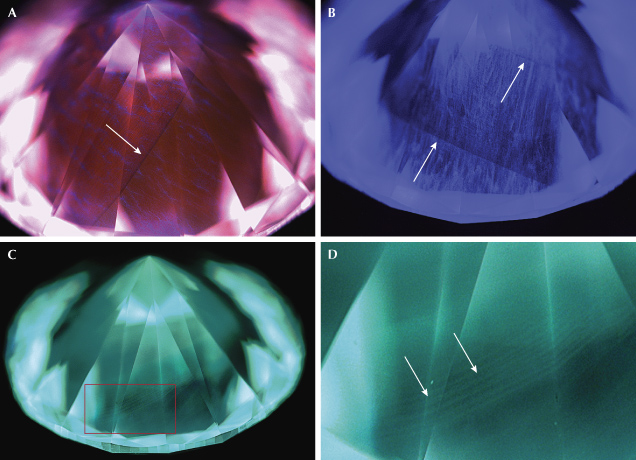
Further PL spectroscopy analysis on fraudulent diamonds 3 and 4 using 633 nm excitation confirmed the presence of the SiV– doublet feature on both diamonds. In alignment with the Vis-NIR and PL spectra, DiamondView images of these two fraudulent stones displayed clear striations with interruption layers indicative of CVD growth (figure 1). These patterns are consistent with the step-flow growth structure of CVD-grown diamond, which was also visible under the microscope using crossed polarizers and further supported their laboratory-grown origins. The other two fraudulent diamonds (1 and 2), however, showed a lack of such patterns and demonstrated natural-looking features, which confirmed them as HPHT-processed natural diamonds.
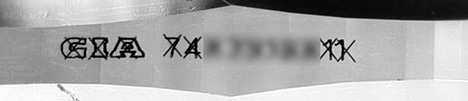
Figure 2. GIA’s standard procedure is to cross out the counterfeit inscription. Image by GIA staff. Figure 2. GIA’s standard procedure is to cross out the counterfeit inscription. Image by GIA staff. Considering all evidence, we concluded that two of the four stones were laboratory-grown diamonds, and the other two were HPHT-processed natural diamonds. All four diamonds were not the same natural diamonds as described in their accompanying GIA grading reports. In accordance with GIA procedures, the counterfeit inscriptions were crossed out (figure 2) and new report numbers were assigned. In addition, GIA inscribes “TREATED COLOR” on natural diamonds with post-treatment history and “LABORATORY-GROWN” along with a GIA report number and distinct GIA LG logo on laboratory-grown diamonds.
Deceptive practices have occurred previously in the trade; similar instances of diamonds with fraudulent inscriptions have been reported by GIA (e.g., Summer 2021 Lab Notes, pp. 150–152; Fall 2021 Lab Notes, pp. 258–259). Additionally, non-diamond materials, such as synthetic moissanite, with fraudulent GIA inscriptions have been submitted as diamonds to GIA (Fall 2020 Lab Notes, pp. 424–425; Fall 2022 Lab Notes, pp. 360–361). These cases highlight the importance of verifying inscription authenticity because a fraudulent inscription could be overlooked by simple visual examination. One possible solution is GIA’s Match iD, a device that compares a diamond’s inscription with its grading report in the GIA database.
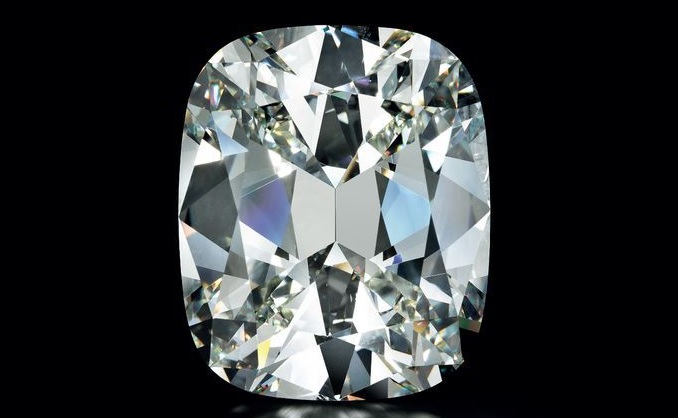
In a world where modern technology has made diamond cutting more precise than ever, there has been a surprising revival of one of the oldest styles in diamond history – the old mine cut. Once considered outdated compared to today’s brilliant cuts, these antique gems are now finding favour among collectors, jewellery designers, and couples searching for something truly unique.
A Glimpse into History
The old mine cut originated in the 18th and 19th centuries, long before advanced cutting technology existed. Cut by hand, often by candlelight, each stone carries its own distinctive character. With their cushion-like shapes, high crowns, and larger culets, old mine cuts reflect the craftsmanship of a bygone era. These diamonds were the predecessor to today’s modern round brilliant and are often set in antique or Victorian-era jewellery.
The Allure of Imperfection
Unlike modern cuts that maximise sparkle through precision, old mine cut diamonds are celebrated for their individuality. Their facets were designed for softer, romantic light sources like candlelight, giving them a warmer, more subtle glow. For many buyers, this charm lies in their imperfections – no two are exactly alike.
Sustainability and Authenticity
As sustainability becomes increasingly important in jewellery, old mine cut diamonds are seen as an eco-conscious choice. They are recycled treasures, requiring no new mining, which makes them especially appealing to ethically minded consumers. Owning one also means owning a tangible piece of history – a connection to a time when diamonds were cut entirely by hand.
Modern Designers Embrace the Vintage Appeal
Jewellery houses and bespoke designers are incorporating old mine cut diamonds into contemporary settings, blending antique beauty with modern design. Their romantic look pairs well with minimalist mountings, allowing the character of the stone to shine through. Many brides-to-be are also choosing them for engagement rings, preferring their vintage charm over mass-produced, uniform cuts.
A Market on the Rise
With limited supply and growing demand, old mine cut diamonds are becoming more sought after. Collectors appreciate their rarity, while younger generations value their individuality and authenticity. This resurgence has pushed prices higher, making them not just a sentimental choice, but also a potentially wise investment.
The revival of old mine cut diamonds reflects a broader trend in the jewellery world: a desire for uniqueness, sustainability, and authenticity. Far from being a relic of the past, these antique diamonds are back in vogue – and for many, they represent the perfect blend of history and timeless beauty.
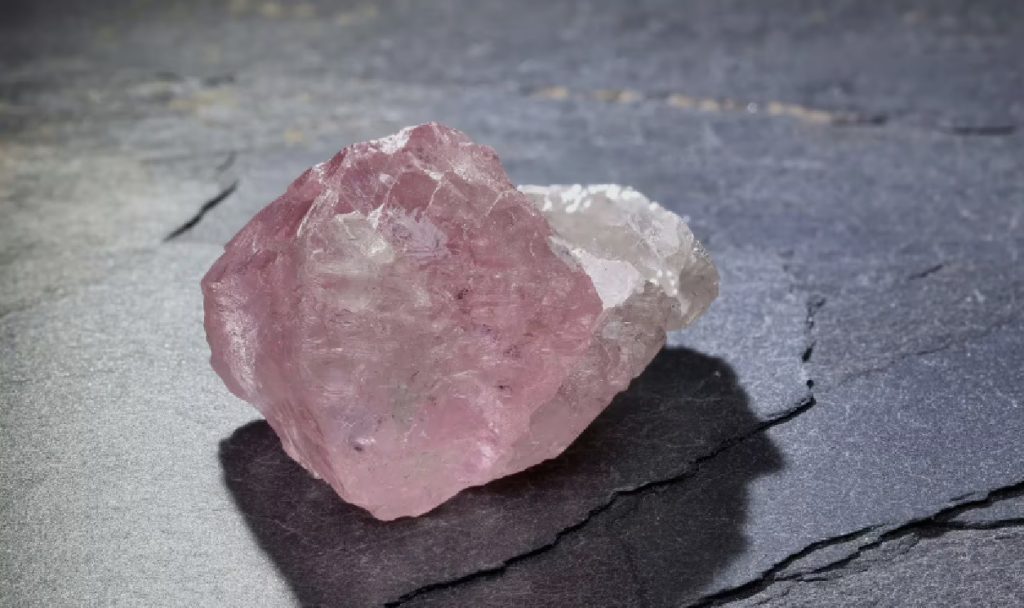
Lucara Diamond Corp. has announced the recovery of a rare and unusual pink diamond from its Karowe mine in Botswana.
The 37.42-carat stone, classified as a Type IIa, was unearthed in August and is described as near-gem quality with a distinctive bicoloured appearance. While the majority of the diamond displays an intense pink hue, part of the stone appears partially colourless an exceptionally rare feature.
HB Antwerp, Lucara’s cutting and technology partner, described the discovery as “a rare and remarkable find.” Oded Mansori, co-founder of HB Antwerp, noted: “This stone has the potential to become one of the most important pink diamonds ever polished. Its intensely rich coloration is a testament to the geological uniqueness of the Karowe mine, and our expertise in the manufacturing process will ensure its vibrant colour is maximised.”
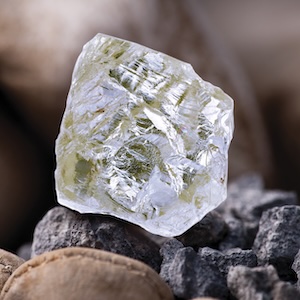
The recovery underscores Karowe’s reputation as a consistent source of exceptional diamonds. Also in August, Lucara recovered a 1,019.85-carat non-gem-quality diamond, the third stone of more than 1,000 carats to be found at Karowe in 2025. This brings the total number of diamonds over 1,000 carats from the mine to nine.
Both diamonds were recovered from the EM/PK(S) section of the deposit using Lucara’s Mega Diamond Recovery (MDR) unit, an advanced X-ray transmission system installed in 2017 to identify and preserve large stones. The MDR is credited with detecting several of Karowe’s most significant recoveries, including the 2,492-carat diamond discovered in August 2024—the second-largest rough diamond ever found.
Meanwhile, Lucara has announced a $10 million drawdown from its $63 million standby loan facility with Nemesia, its largest shareholder, to address short-term funding needs for the Karowe underground expansion project. The $683 million project, now scheduled for completion in the first half of 2028, is expected to extend the mine’s life to at least 2040.
Lucara President and CEO William Lamb said the arrangement reflects the company’s commitment to financial prudence while advancing the underground project. “This funding mechanism demonstrates the continued confidence and support of our major shareholders in Lucara’s long-term strategy and in the exceptional value potential of the Karowe mine, including the ongoing recovery of some of the world’s most significant diamonds.”