Sunday, 11 January 2026

Global Diamond Industry Shows Signs of Recovery: What Is Driving the Rebound?

 Global Diamond Industry Shows Signs of Recovery

After three challenging years marked by geopolitical disruption, shifting trade routes, and weakened consumer confidence, the global diamond industry is beginning to stabilise and recover. While price volatility persists in certain segments, demand is gradually rebuilding, particularly across the world’s primary luxury markets. Industry professionals broadly agree that the recovery remains uneven, but the direction is clear: a slow yet meaningful turnaround is underway.

Senior figures within the international jewellery trade point to improving economic sentiment as a key catalyst behind renewed interest in diamonds. Changing consumer behaviour is also playing a central role. Natural diamonds continue to dominate global engagement ring sales, retaining their status as the benchmark for long-term value and emotional significance. However, competition from lab-grown diamonds is intensifying, and the market share gap is narrowing.

In major Western markets, lab-grown diamonds are gaining traction, particularly among younger buyers who place greater emphasis on size, clarity, and price accessibility than on tradition. This generational shift is reshaping purchasing decisions and influencing how value is assessed at the point of sale.

Pricing dynamics underscore this transformation. Over the past year, prices for smaller natural diamondsespecially those under one carat have experienced notable declines. At the same time, lab-grown diamond prices have fallen even further, driven by rapid technological advancements and expanding production capacity. Together, these opposing movements have redefined the competitive landscape, prompting consumers to compare value propositions more closely than ever before.

While challenges remain, the combination of stabilising demand, evolving consumer preferences, and market-driven price realignment suggests the diamond industry has entered the early stages of recovery, with long-term implications for both natural and lab-grown sectors.

Source: DCLA

Thursday, 8 January 2026

FOREVERMARK DIAMOND JEWELLERY CELEBRATES THE GRAND OPENING OF DE BEERS GROUP’S LARGEST FLAGSHIP STORE IN MUMBAI

 FOREVERMARK DIAMOND JEWELLERY STORE IN MUMBAI

Mumbai, 8th January 2026: Forevermark Diamond Jewellery marked a defining milestone in its India journey with the grand opening of the world’s largest flagship store by De Beers Group in Mumbai. Located at Crest Link, Khar West, at the heart of Linking Road, the nearly 5,000 sq. ft. store reflects the brand’s long-term commitment to Indian consumers seeking meaningful, design-led luxury.

The marquee launch was celebrated with an exclusive evening that brought together Mumbai’s most influential tastemakers, jewellery connoisseurs, creative voices, socialites, celebrities, and leading creators. Hosted within the flagship itself, the event offered guests a first glimpse into the brand’s stunning universe, featuring a fashion showcase and immersive experiences that seamlessly blended craftsmanship with contemporary style.

The evening unfolded with enthralling performances including live music and a spectacular fashion showcase, complemented by interactive installations and AI integrations around the Mine to Finger journey, branded photo moments, innovative tarot readings and displays of the new collection, creating an atmosphere of modern luxury and timeless elegance. Guests explored the store’s full portfolio, from refined everyday diamond jewellery to statement and high jewellery pieces, all designed to celebrate life’s most meaningful moments.

Every Forevermark Diamond Jewellery piece is crafted from some of the world’s most beautiful, rare, and responsibly sourced diamonds, each bearing a unique inscription, a promise of authenticity, integrity, and exceptional quality. This philosophy comes to life with the launch of the all-new Forevermark Icon Collection, inspired by the North Star as a symbol of clarity, direction, and confidence. It features versatile everyday diamond jewellery styles, striking statement pieces, and iconic designs across rings, earrings, necklaces, and bracelets.

This collection launch is also accompanied by the brand’s new campaign titled ‘My Guiding Light’ that celebrates four iconic women who represent modern Indian excellence across diverse fields. Manu Bhaker, professional shooter and double Olympic medallist; Diana Penty, actor; Masaba Gupta, designer, actor, and entrepreneur; and Princess Gauravi Kumari of Jaipur, social entrepreneur, each embody individuality, strength, and purpose, sharing their personal stories and perspectives through mini digital videos on Instagram. Together, they reflect the belief that confidence and direction come from within, perfectly aligning with the spirit of the Icon Collection.

All four of them were also in attendance at the event, bringing glamour and gravitas to the evening and reinforcing the store’s position as a landmark destination in Mumbai’s luxury retail landscape. The evening was further elevated by the presence of Mumbai Indian Cricketers Amelia Kerr, Milly Illingworth and Sajeevan Sajana, whose stories of resilience, precision and perseverance echo the enduring strength of natural diamonds.

Commenting on the launch, Sandrine Conseiller, CEO, Brands & Diamond Desirability, De Beers Group, said: “India is central to the future of the natural diamond category. The opening of our largest Forevermark store in Mumbai reflects both the strength of consumer response we are seeing and our long-term confidence in the market. As luxury consumption in India becomes more considered and value-driven, Forevermark is well positioned to build relevance through trust, craftsmanship, and enduring desirability.”

Shweta Harit, Senior Vice President, De Beers Group and CEO, Forevermark, added: “Mumbai marks an important next chapter in Forevermark’s India story. Following the encouraging response to our New Delhi store, this flagship reflects the scale of opportunity ahead. As our largest store globally, it brings together our brand vision, retail ambition, and commitment to the Indian consumer. This opening is also a key step toward our longer-term plan of building a network of 100 Forevermark stores in India by 2030.”

The new Mumbai flagship blends Forevermark’s contemporary international design with local sensibilities. The spacious store offers an immersive experience, showcasing everyday diamond jewellery, statement and high jewellery pieces, and iconic designs in a setting that reflects the brand’s commitment to thoughtful, experience-led luxury.

About Forevermark Diamond Jewellery

Forevermark Diamond Jewellery is the signature diamond jewellery brand from De Beers Group, the world’s leading diamond company, a name synonymous with more than 135 years of expertise and heritage in the world of diamonds. Every Forevermark Diamond Jewellery creation celebrates life’s most meaningful moments, featuring natural diamonds that are beautiful, rare and responsibly sourced. Every Forevermark diamond bears a unique inscription, ensuring authenticity and making each piece deeply personal.

Formed over billions of years deep within the Earth, Forevermark diamonds are hand-selected for their exceptional quality, graded beyond the 4Cs in the pursuit of absolute beauty. Responsibly sourced and carefully cared for along their journey, they reflect the brand’s commitment to creating a positive impact on the people and places its diamonds come from. Expertly crafted by master designers, Forevermark Diamond Jewellery combines modern artistry with timeless elegance. Each piece elevates the brilliance of its diamond while embodying the brand’s enduring values of beauty, rarity, and responsibility.

Wednesday, 7 January 2026

Holiday Season: Modest Uptick in US Jewelry Sales

US Jewelry store sales

Jewelry sales in the US grew by 1.6 per cent during the 2025 holiday period, outpacing last year’s 0.8 per cent rise as consumers showed renewed confidence.

Stable inflation also boosted discretionary spending, as shoppers gravitated toward meaningful gifts over short-lived trends.

But the modest uptick in jewelry sales was still well below the 3.9 per cent recorded by Mastercard SpendingPulse across all retail sectors (except automotive) from November 1 through December 21. The figure for 2024 was 3.1 per cent.

“Consumers demonstrated flexibility and confidence this season, shopping early, leveraging promotions, and investing in meaningful experiences and wish-list items,” said Michelle Meyer, chief economist, Mastercard Economics Institute.

“They also blended online and in-store shopping to find the best deals and maximize convenience.”

Mastercard SpendingPulse measures in-store and online retail sales across all forms of payment, including cash, checks, and credit cards.

Source: DCLA

Tuesday, 6 January 2026

Lucara Advances Karowe Underground Expansion Despite Global Diamond Market Slump

Lucara Advances Karowe Underground Expansion

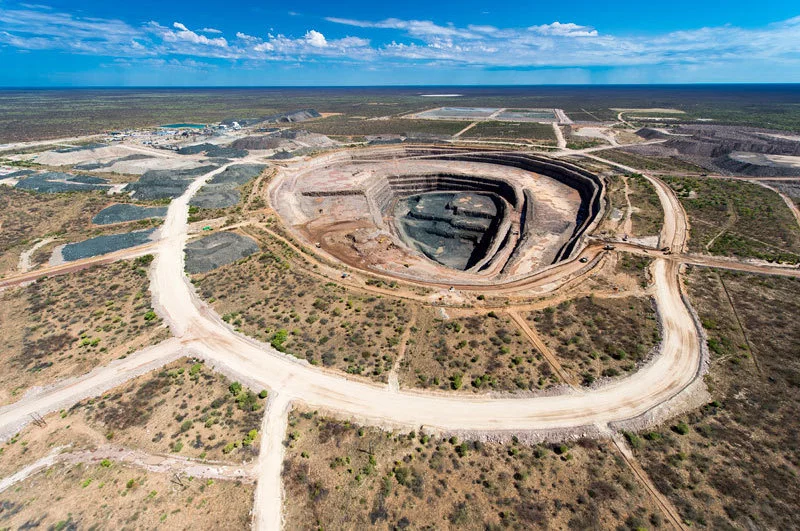
Lucara Diamond Corp is moving forward with the underground expansion of its flagship Karowe mine in Botswana, reaffirming long-term confidence in natural diamonds despite a challenging global market backdrop.

An updated feasibility study has confirmed that the underground project is expected to recover approximately 4.5 million carats over a 10-year mine life, extending Karowe’s production through to 2038. The study strengthens Lucara’s strategy to invest counter-cyclically at a time when the diamond industry is facing falling revenues, production suspensions, and intensifying competition from lab-grown diamonds.

Open-pit mining at Karowe is scheduled to conclude before June, after which surface stockpiles will continue to be processed while underground development progresses towards commercial production. Underground operations are expected to commence in the first half of 2028.

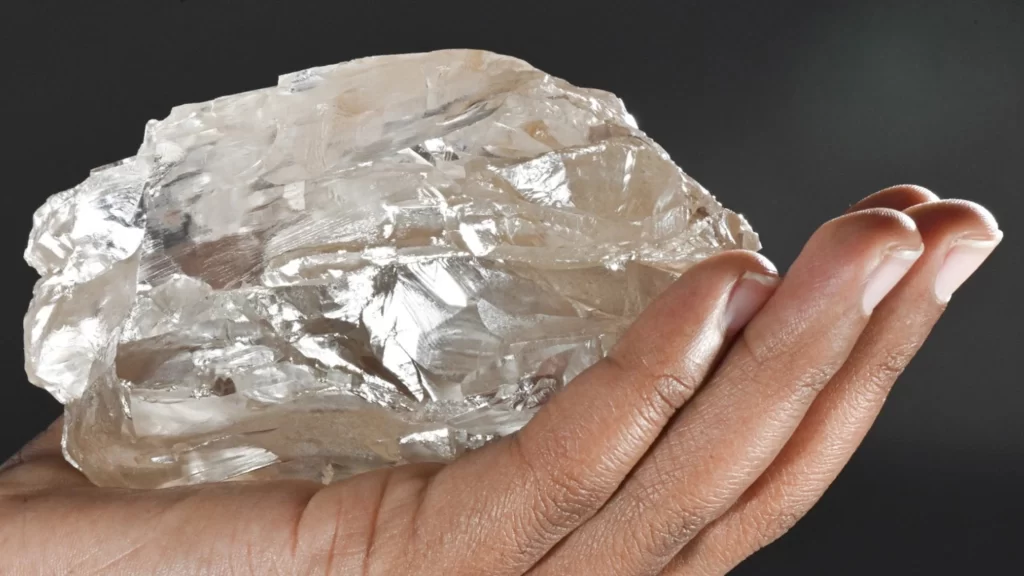
Lucara President and CEO William Lamb said the company remains focused on Karowe’s unique ability to deliver large, high-value stones. “We look forward to continuing to recover large, exceptional diamonds from the underground project,” Lamb said, noting that Karowe is the only diamond mine in the world to have produced nine diamonds weighing more than 1,000 carats.

The underground expansion carries a pre-production capital cost of US$779 million, of which US$436 million has already been invested over the past five years. The remaining US$343 million is expected to be funded through operating cash flow, supplemented by potential equity or debt financing. Lucara is currently engaging with existing lenders and its major shareholder to evaluate funding options.

The project delivers an after-tax net present value of US$432 million, with Lucara forecasting more than US$1.3 billion in net income over the life of the underground operation.

The mine plan targets the highest-value domain of the South Lobe of the AK6 kimberlite, which continues at depth beneath the existing open pit. The underground mine is designed to sustain a 2.85 million tonne-per-year mining and processing operation as surface mining winds down.

A Proven Source of Exceptional Diamonds

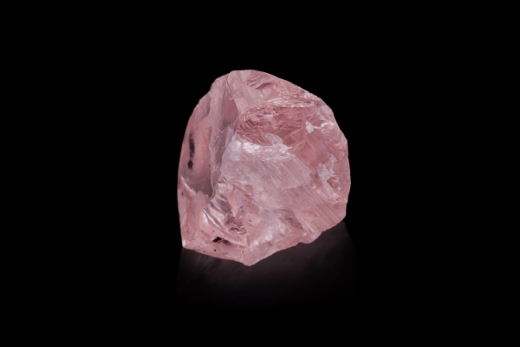
Since production began, Karowe—whose name means “precious stone” in the local language—has established itself as one of the world’s most prolific sources of exceptional diamonds. Notable recoveries include the 1,758-carat SewelĂ´ (2019), the 1,109-carat Lesedi La Rona (2015), and the 813-carat Constellation, also recovered in 2015. The mine has also produced Botswana’s largest fancy pink diamond to date, the Boitumelo.

Despite current market headwinds, Karowe remains one of the highest-margin diamond mines globally, consistently producing around 300,000 high-value carats per year—a distinction that continues to underpin Lucara’s confidence in the project’s long-term fundamentals.

Monday, 5 January 2026

Namibia’s Diamond Output Hit by Price Drops and Lab Growns

Namibia's rough diamond production

Namibia’s rough diamond production fell by 3.5 per cent year-on-year during Q3 2025, as prices fell, demand for lab growns increased and inventories grew.

The Bank of Namibia said in its quarterly bulletin that the country’s output was 442,000 carats, down by 15.3 per cent on the previous quarter, valued at N$ 2.41bn (USD 147.3m).

“The decrease stemmed from planned actions to lower production at Debmarine Namibia on the back of a combination of downside pressures, including the falling price due to rising demand for lab-grown diamonds and high inventory levels.”

It said rough diamond revenue for Q3 fell by 19 per cent year-on-year and 17.4 per cent compared with the previous quarter.

The bank noted “persistently soft consumer demand in key markets such as China and the United States” as well as oversupply of diamonds by some major producers.

Namibia’s diamond sector is a cornerstone of its economy, historically accounting for 7 to 10 per cent of its GDP and 30 per cent of export earnings. Around three quarters of diamonds are recovered from the seabed by Debmarine’s fleet of ships.

Source: DCLA

Sunday, 4 January 2026

Passenger Hid $280,000 Diamonds Inside Body

Departure Hall of Chhatrapati Shivaji Maharaj International Airport Terminal 2, Mumbai, India

A passenger arriving on a flight into Mumbai was found to have $280,000 of diamonds concealed in their body.

Customs officials at the city’s Chhatrapati Shivaji Maharaj International Airport (pictured) were alerted through routine profiling, spot checks and the Advance Passenger Information System (APIS)which requires airlines to share details of all passengers on international flights.

The seized diamonds weighed a total of 894.6 carats and were valued at Rs 2.52 crore (USD 280,000), according to Mumbai Customs.

No further details of the diamonds, the passenger, or their port of departure were disclosed.

The diamonds were among a number of seizures made on 30 and 31 December at the same airport, including gold and cannabis.

Earlier in December, a passenger was caught with Rs 43.97 lakh (USD 53,000) of cut diamonds hidden in a suitcase as they prepared to board a flight to Bangkok.

People smuggling diamonds into India are generally trying to evade import duties on rough stoners, or bypass Kimberley Process certification requirements.

Source: DCLA

Global Diamond Industry Shows Signs of Recovery: What Is Driving the Rebound?

  After three challenging years marked by geopolitical disruption, shifting trade routes, and weakened consumer confidence, the global diamo...