Wednesday, 1 April 2026

Demand is "Resilient" as Phillips Hong Kong Raises $5.4m

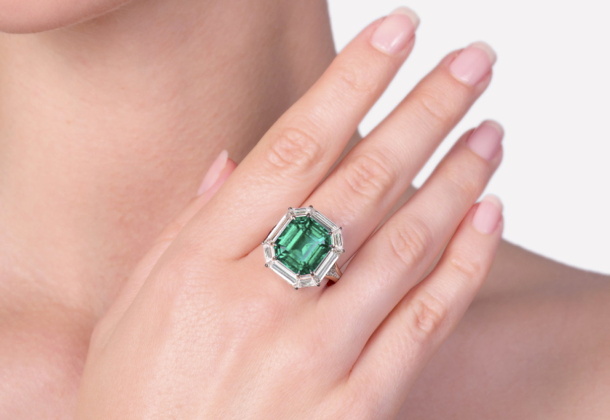
 9.22-carat no-oil Colombian emerald and diamond ring

Phillips raised $5.4 million from its Hong Kong Jewels Auction yesterday (30 March), reflecting what it described as “resilient demand”, especially from Mainland China and Hong Kong.

More than a quarter of the 85 lots (28%) were unsold, but all the Signed Jewels included in the sale – among them items by Cartier, Van Cleef & Arpels and Bulgari – found buyers.

Overall, the auction achieved 75% by value – hammer price as a percentage of pre-sale estimates.

The sale was led by a 9.22-carat no-oil Colombian emerald and diamond ring, which sold for HKD 5.4 million (USD 691,879). The estimate was HKD 4.8 million to HKD 6.5m (USD 640,000 to USD 833,000).

Another highlight was a 4.05 carat fancy light pink diamond ring (round-cornered rectangular modified brilliant-cut), which sold for HKD 3.4m (USD 435,000) against an estimate of HKD 2.0m to HKD 4.5m (USD 250,000 to USD 580,000).

Bidders from Mainland China and Hong Kong accounted for 71% of the overall sale value.

Source: DCLA

Tuesday, 31 March 2026

Botswana to Settle for Smaller De Beers' Stake?

 Botswana De Beers

Botswana may now settle for a minority stake in De Beers rather than seeking majority control, according to a report in The Economist.

It says the government is now pursuing at “least 25%,” which would indicate a significant softening in President Duma Boko’s position.

He has previously insisted, on many occasions, that he wants a controlling stake in the company, framing such a move as a matter of “economic sovereignty”.

The Economist also quotes an unnamed executive at Debswana – the government’s joint venture with De Beers, as saying: “It probably doesn’t make sense to go all out.”

Botswana currently owns 15% of the loss-making diamond miner, which is being sold by parent company Anglo American.

In December 2025, the IMF cautioned against Botswana’s plans to increase its stake, given the country’s struggling economy.

The president rejected that call in no uncertain terms saying it was for the people of Botswana to decide, not the IMF.

“It’s our people who are running this country, and we said we want De Beers, and we are going to take it,” he said.

Angola’s government has also expressed an interest in acquiring a significant stake in De Beers, and Namibia is also a potential bidder.

Experts believe the most likely outcome will be that a consortium or private investors will buy a controlling stake, and African governments including Botswana will hold minority shares.

Source: DCLA

Monday, 30 March 2026

Tiffany's Flagship Beijing Store Honors Elsa Peretti

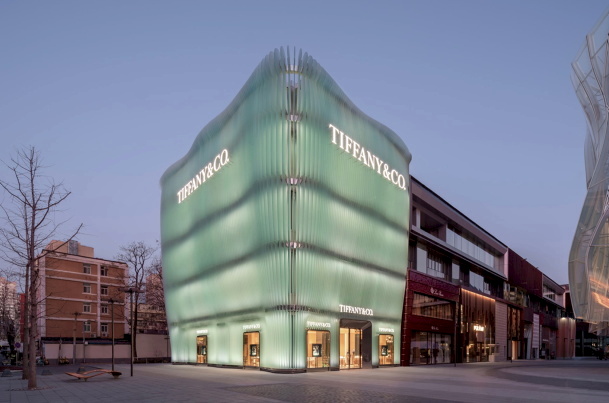
 Tiffany's Flagship Beijing Store

Tiffany & Co has officially opened its flagship store in Beijing – an imposing four-story building with a facade of translucent glass fins inspired by Elsa Peretti’s bone cuff jewelry designs.

It underscores Tiffany’s confidence in China as a long-term core diamond market. The New York-based jeweler opened its first retail outlet on the Chinese mainland in 2001 and now has over 40 stores there.

Tiffany held a grand opening ceremony on 14 March to mark the opening of its new store, at Taikoo Li Sanlitun, a high‑end shopping complex in Beijing’s Chaoyang District.

The 1,000m² store was designed by Dutch architects MVRDV, the fifth in a series of facades created for Tiffany. 

It honors Elsa Peretti, the Italian fashion model turned iconic jewelry designer who died in March 2021, aged 80.

She was probably best known for her signature bone cuff bracelet, and for making silver popular again during her long tenure at Tiffany.

Source: DCLA

Sunday, 29 March 2026

Swarovski's Pop Luxury Plan Pays Off Again

 Swarovski

Swarovski delivered 6% year on year organic growth in 2025 as its turnaround and repositioning plan continued to pay dividends.

The family controlled Austrian company reported EUR1.97 billion ($2.26 billion) in revenue for the year, generated across its 2,300 retail boutiques worldwide.

Swarovski, best known for selling precision cut crystal jewelry and accessories, embarked on its “LUXignite” strategy in 2022, moving toward a “pop luxury” jewelry led business.

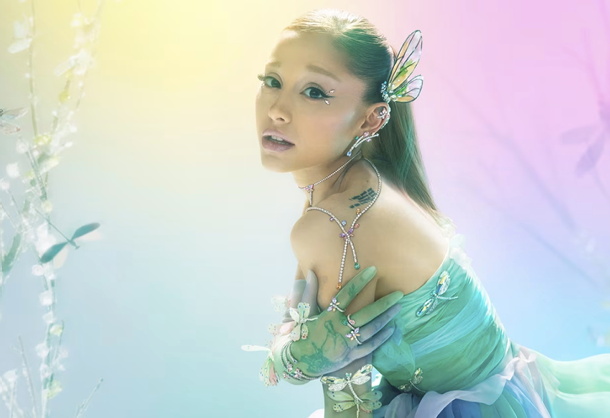
Ariana Grande, the Grammy-winning American singer, songwriter, and actress, became Swarovski’s brand ambassador in 2023, and has played a key role in blending high fashion with mainstream cultural appeal.

As the company issued an update on its 2025 performance, CEO Alexis Nasard said: “Our consistent progress continued in 2025 despite a challenging environment, as we delivered broad based top line growth, strengthened profitability, and improved cash generation, while reaching new heights of brand desirability and anchoring the Swarovski brand as a cultural icon in the pop luxury space. The execution of the LUXignite strategy is delivering as intended.”

Swarovski saw year on year growth in all regions and sales channels, notably in North America (+10%) and among the company’s own directly operated stores.
EBITDA rose 12% compared with the prior year, supported by strong cash generation.

As a privately held company, Swarovski is not obliged to publish detailed financial accounts.

In November, the company announced plans to cut around 400 jobs at its headquarters in Austria and to reduce pay and working hours for the remaining 2,100 staff.

Source:DCLA

Thursday, 26 March 2026

Rio Tinto’s Final Diamond: The Closure of Diavik Marks the End of an Era

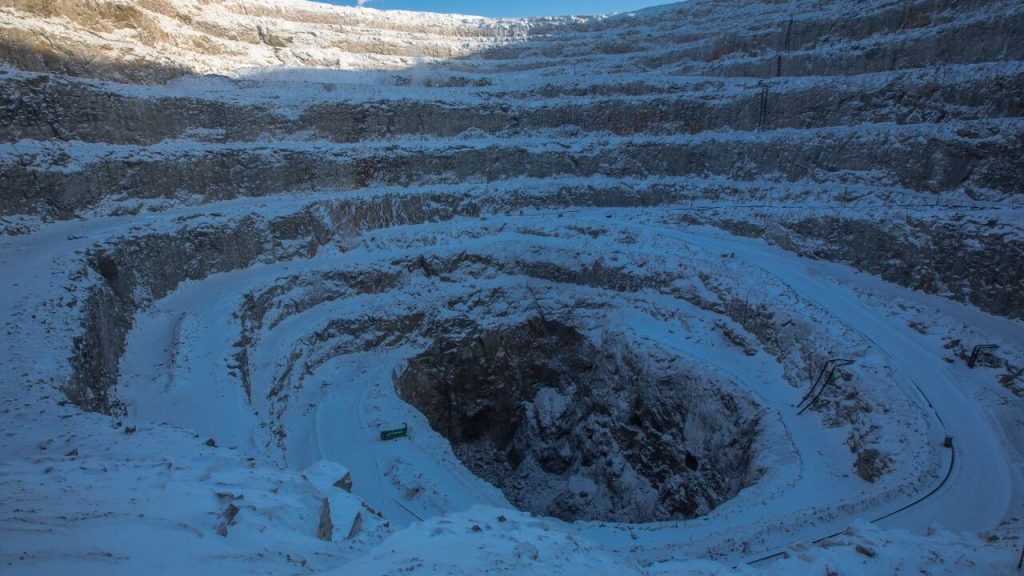
 Diavik mine in Canada’s Northwest Territories

Rio Tinto has officially extracted the last diamond from its Diavik mine in Canada’s Northwest Territories, bringing to a close more than two decades of production and signalling the company’s exit from the diamond sector. The milestone reflects a strategic shift by the global mining giant toward core commodities such as copper and iron ore.

Over its 23 year lifespan, Diavik produced in excess of 150 million carats of rough diamonds, establishing itself as one of Canada’s most significant diamond operations. With economically recoverable reserves now fully depleted, the mine has ceased production, concluding a chapter that began in 2003.

Situated beneath Lac de Gras, approximately 220 kilometres south of the Arctic Circle, Diavik was discovered in 1991 and developed into a world-class operation. The mine exploited four kimberlite pipes through a combination of open pit and underground mining methods, yielding predominantly high-quality white diamonds alongside a smaller proportion of rare yellow stones.

The closure was marked by a formal ceremony attended by Indigenous representatives, government officials, and key stakeholders, highlighting the longstanding partnerships that underpinned the mine’s success. Diavik has been widely recognised as a model of collaboration between industry and Indigenous communities, delivering sustained economic and social benefits to the region.

Despite the end of mining activities, Rio Tinto will continue to process, polish, and distribute the remaining production through its global sales network, including its Select Diamantaires, into 2026 and beyond.

The closure comes at a challenging time for the Northwest Territories’ diamond sector. Operations at the Ekati mine were curtailed last year amid increased competition from lab grown diamonds and softer global pricing, while the Gahcho Kué mine remains in operation with a projected life extending to 2030.

Planning for Diavik’s closure had been integrated from the outset, and rehabilitation efforts will now accelerate. Site reclamation is expected to continue through to 2029, followed by a structured period of environmental monitoring to ensure long term sustainability and land restoration.

The end of Diavik is more than the closure of a mine. It represents the conclusion of one of Canada’s most important diamond producing assets and a notable moment in the evolution of the global diamond industry.

Source: DCLA

Wednesday, 25 March 2026

Botswana seeks to raise debt ceiling to weather diamond market downturn

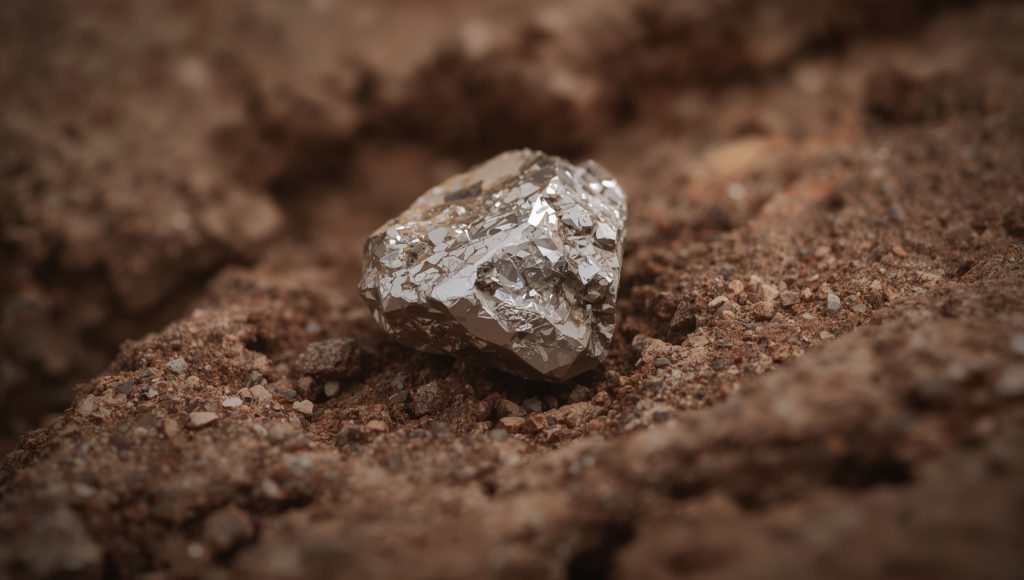
 Natural rough diamond embedded in rock, mineral extraction challenge

Natural rough diamond embedded in rock, mineral extraction challenge

Botswana’s finance minister sought parliamentary approval on Wednesday to raise the country’s statutory debt ceiling from 40% to 60% of gross domestic product, as a prolonged downturn in the global market for diamonds has pressured public finances.

Ndaba Gaolathe said the proposal was aimed at giving the government flexibility during periods of economic stress, such as the one it is going through now.

The diamond market downturn has hit the southern African country hard, with two successive economic contractions in 2024 and 2025. Botswana had been viewed as an economic success story, partly because of its low public debt.

Raising the debt ceiling “does not imply immediate borrowing up to that level but rather establishes prudent headroom,” Gaolathe told lawmakers.

In last month’s budget, he said Botswana was expected to breach a debt-to-GDP ratio of 40% in the fiscal year that starts in April.

Late last year International Monetary Fund staff recommended raising the debt ceiling to 50% of GDP to give fiscal space to respond to economic shocks.

S&P Global this month downgraded Botswana’s sovereign ratings, saying diamond market weakness would weigh on its economy for longer than expected.

Diamonds typically account for about a third of Botswana’s national revenue and 75% of its foreign-exchange earnings.

Source: DCLA

Tuesday, 24 March 2026

DCLA News | Botswana Doubles Down as Diamond Supply Tightens and Demand Strengthens

 Botswana Doubles Down as Diamond Supply Tightens

The diamond pendant worn by Bogolo Kenewendo at a recent Cape Town mining conference was more than a personal statement it symbolised Botswana’s unwavering commitment to the very resource that transformed its economy.

For decades, De Beers has been synonymous with Botswana’s rise, helping elevate the nation into one of Africa’s most prosperous economies. Now, Botswana is preparing to deepen that relationship, signalling intentions to increase its existing 15% stake in the iconic diamond firm a bold move that underscores its long-term confidence in the sector.

Supply Tightens as Market Shows Early Recovery

At the same time, signs of recovery are emerging across the global diamond market. Russian mining giant Alrosa has reported price increases of between 6% and 9% on rough diamonds since the start of the year, with the strongest gains seen in the high-value 2 to 10 carat segment a category that represents roughly 80% of its production value.

According to CEO Pavel Marinychev, the market for larger stones — particularly those above 3 carats — has stabilised, with tightening supply now becoming increasingly evident. Price improvements, initially modest in January, have accelerated through February and March, with nearly half of Alrosa’s regular assortment seeing upward revisions.

Global Production Faces Structural Decline

Looking ahead, the supply side of the diamond industry is under significant pressure. Alrosa forecasts that global diamond production will fall below 100 million carats by 2026 the lowest level in two decades.

This decline is being driven by a combination of resource depletion and operational cutbacks. Alrosa itself has already suspended output at several smaller projects, while major deposits are reaching the end of their lifecycle. Notably, the Diavik Diamond Mine, operated by Rio Tinto, is approaching closure, with other Canadian mines expected to follow.

The result is a growing scarcity of large, high-quality stones a dynamic that could underpin prices in the years ahead.

Auction Market Confirms Demand for Rarity

Further evidence of resilience in the diamond market comes from the secondary sector. Christie’s New York recently reported strong results from its “Jewels Online” sale, which achieved $8.5 million and exceeded expectations by reaching 131% of its low estimate.

Among the highlights was a 10.02-carat D-colour, internally flawless Type IIa diamond ring by Tiffany & Co., which sold for $521,000. Another 10.03-carat D-colour Type IIa diamond achieved $508,000 significantly above its estimate.

Provenance also played a key role, with a historic jewellery set from Elizabeth Taylor’s collection selling for over seven times its low estimate.

Christie’s noted strong global participation, with buyers spanning the Americas, Asia-Pacific, and EMEA regions reinforcing the enduring demand for rare, high-quality, and well-documented diamonds.

Strategic Outlook

Botswana’s move to increase its exposure to De Beers is not without risk but it is a calculated one. With global supply tightening, major deposits depleting, and demand for exceptional stones holding firm, the country is effectively positioning itself to capture greater long-term value from a shrinking resource base.

For the global diamond trade, the message is clear: scarcity is returning and with it, the potential for renewed price strength, particularly at the top end of the market.

Source: DCLA

Demand is "Resilient" as Phillips Hong Kong Raises $5.4m

  Phillips raised $5.4 million from its Hong Kong Jewels Auction yesterday (30 March), reflecting what it described as “resilient demand”, e...