Showing posts with label lab-grown diamond. Show all posts

Thursday, 30 July 2026

Could Diamonds Follow the Pearl Industry? Lessons from One of Jewellery's Greatest Transformations

 Could Diamonds Follow the Pearl Industrym, When Nature Could No Longer Meet Demand

For more than a century, natural diamonds have represented rarity, permanence and prestige. Yet today, the diamond industry is experiencing one of the most significant periods of change in its history. The rapid rise of laboratory-grown diamonds has challenged long-held assumptions about rarity, value and production.

While many compare laboratory-grown diamonds to synthetic gemstones, perhaps a more relevant comparison lies elsewhere. The transformation of the pearl industry offers an intriguing historical precedent.

Could diamonds be following a similar path?

When Nature Could No Longer Meet Demand

Before the early twentieth century, every pearl was natural.

Finding a single fine pearl required divers to open thousands of wild oysters, making exceptional pearls extraordinarily rare and valuable. As demand increased, natural oyster beds became depleted through over-harvesting, pollution and environmental change. The jewellery market faced an obvious problem: consumers wanted pearls, but nature simply could not supply them in sufficient quantity.

The solution came through cultured pearls.

By introducing a tiny nucleus into a living oyster, pearl farmers could encourage the oyster to produce a genuine pearl under controlled conditions. The process still relied on nature, but it dramatically increased consistency, availability and affordability.

Initially, cultured pearls were met with scepticism. Many believed they would destroy the value of natural pearls.

Instead, something quite different happened.

Two Markets Emerged

Rather than replacing natural pearls entirely, cultured pearls created an entirely new market.

Millions of consumers who had never been able to afford fine pearls suddenly could.

Natural pearls, however, became even rarer. As natural harvesting declined, truly exceptional natural pearls became increasingly desirable to collectors, museums and high-end jewellery houses.

Today, important natural pearl necklaces regularly achieve extraordinary auction results because of their rarity and historical significance.

The market effectively separated into two distinct categories:

  • Cultured pearls became the mainstream jewellery product.
  • Natural pearls became exceptional collector’s items.

Both markets survived—but they served different customers.

Diamonds May Be Facing a Similar Evolution

When Nature Could No Longer Meet Demand Before the early twentieth century, every pearl was natural.


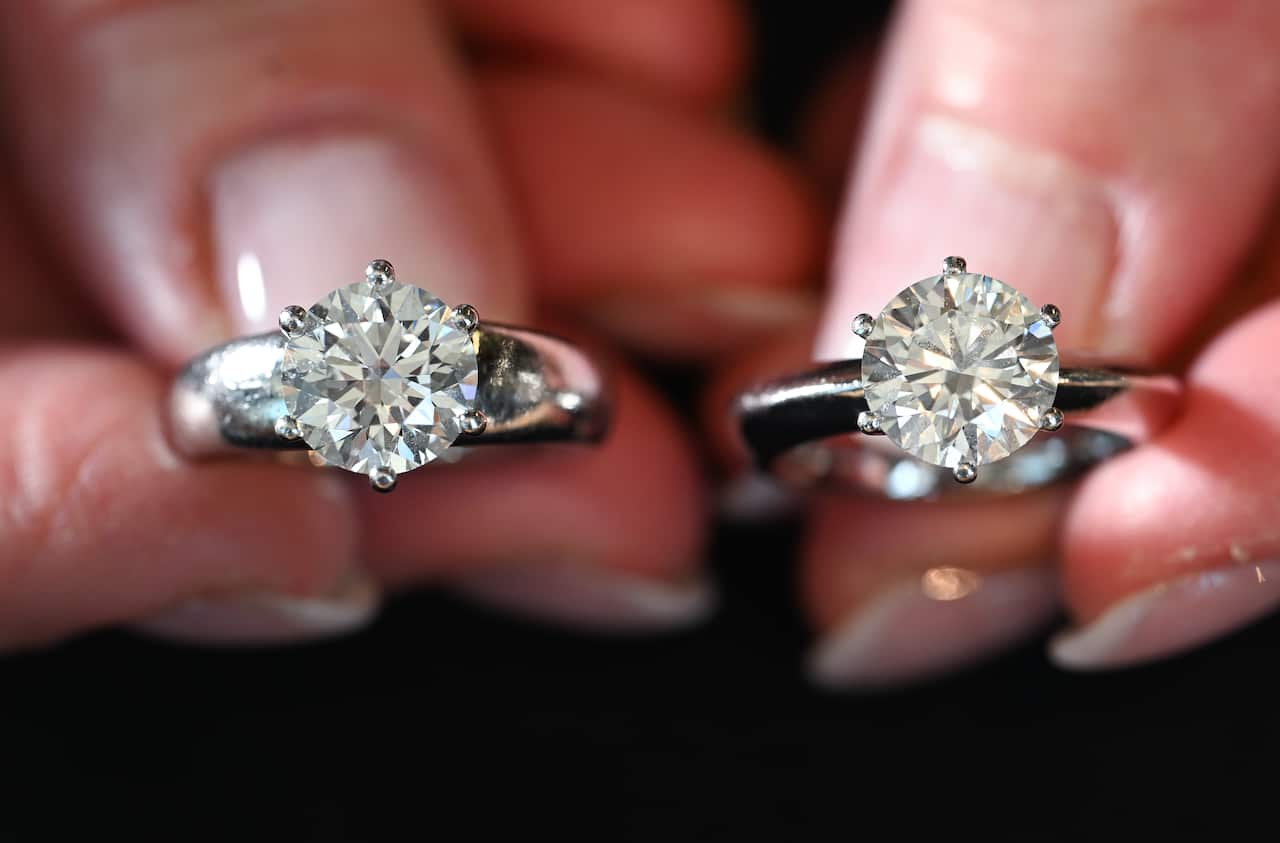
Laboratory-grown diamonds are not imitation diamonds.

They possess the same crystal structure, chemical composition and optical properties as natural diamonds. Modern technology can produce exceptionally high-quality stones in a matter of weeks rather than over billions of years beneath the Earth’s surface.

Production efficiencies continue to improve.

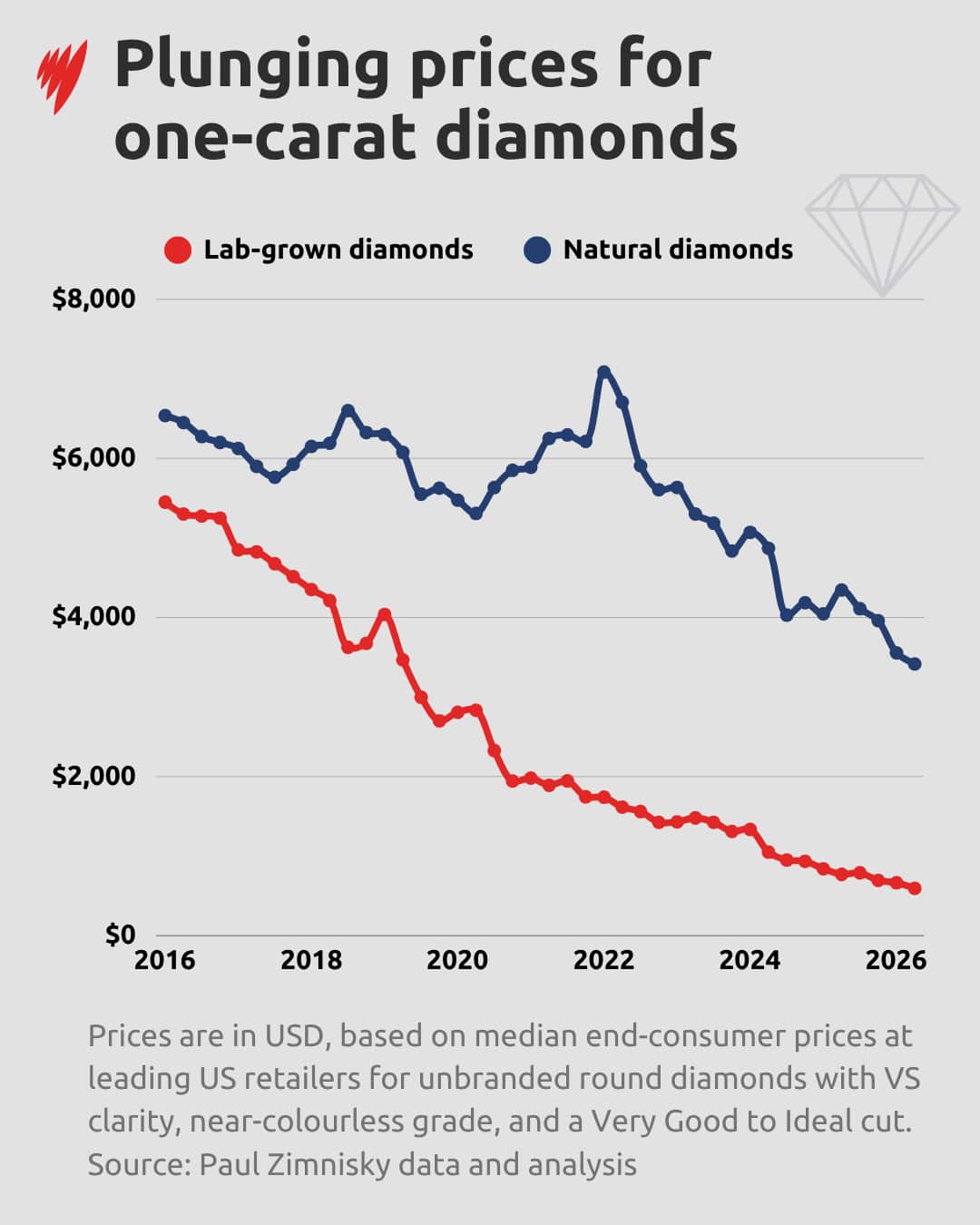
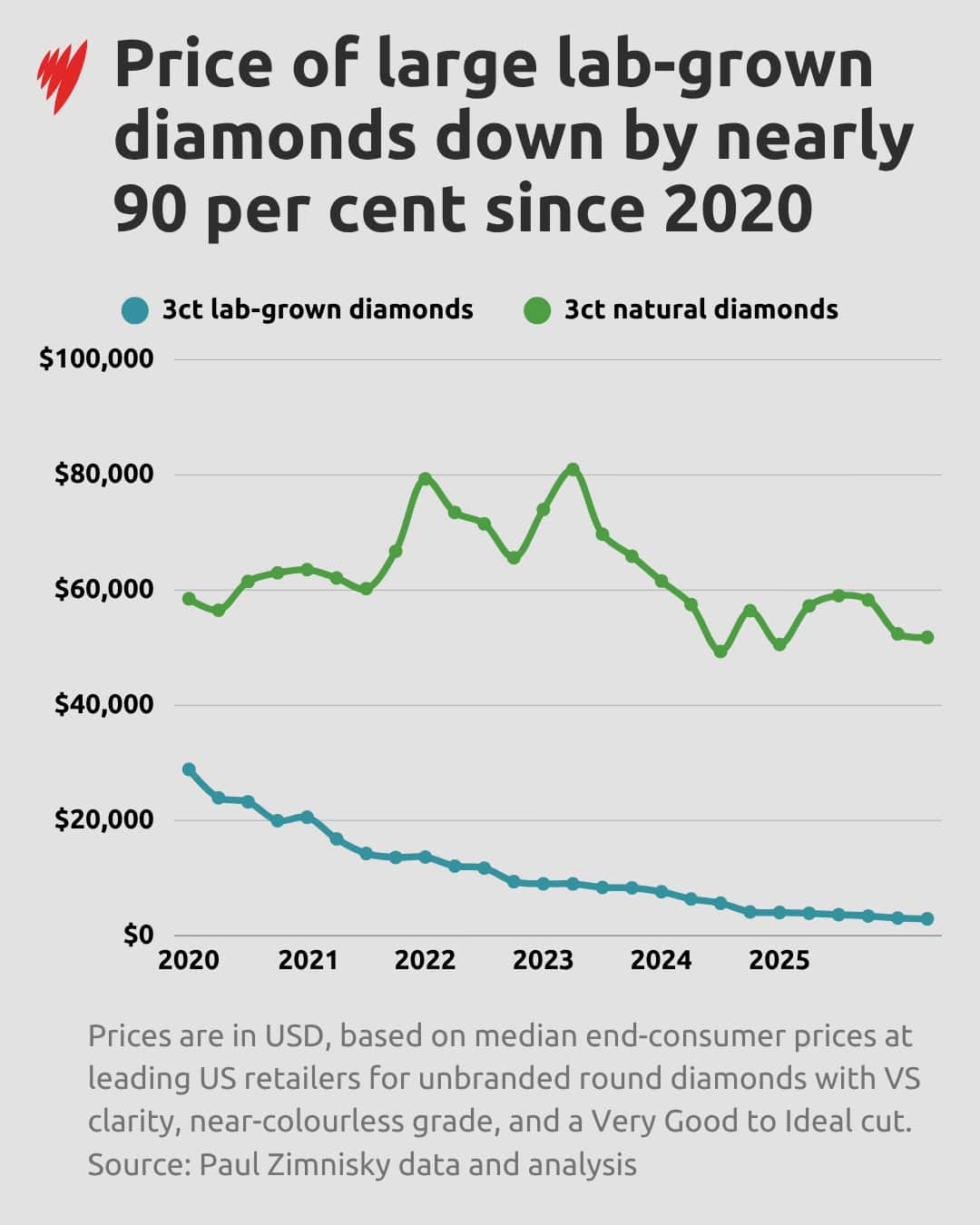
Prices have fallen dramatically.

Quality has become increasingly consistent.

For many jewellery buyers, laboratory-grown diamonds offer larger sizes and higher specifications at significantly lower prices than natural diamonds.

This has fundamentally changed the entry-level diamond jewellery market.

The Difference is Rarity

Where the comparison becomes interesting is the concept of rarity.

Natural diamonds are finite geological creations formed over billions of years under immense heat and pressure.

Laboratory-grown diamonds can be manufactured repeatedly whenever production facilities are expanded.

This distinction mirrors the difference between natural and cultured pearls.

One derives its rarity from nature.

The other derives its availability from technology.

Neither is inherently “better” in every situation they simply satisfy different consumer priorities.

Luxury Has Always Valued Scarcity

History shows that luxury markets rarely disappear simply because a more affordable alternative becomes available.

Mechanical watches continue to thrive despite the accuracy of digital watches.

Original artworks remain valuable despite the existence of perfect reproductions.

Vintage wines command remarkable prices despite modern winemaking techniques.

Natural pearls retained their prestige after cultured pearls became mainstream.

Collectors often place a premium on objects that cannot simply be reproduced.

The same principle may continue to apply to exceptional natural diamonds.

Large, rare coloured diamonds, historically significant gemstones and stones with remarkable provenance are unlikely to lose their appeal simply because laboratory-grown diamonds become increasingly common.

Will Natural Diamonds Become More Exclusive?

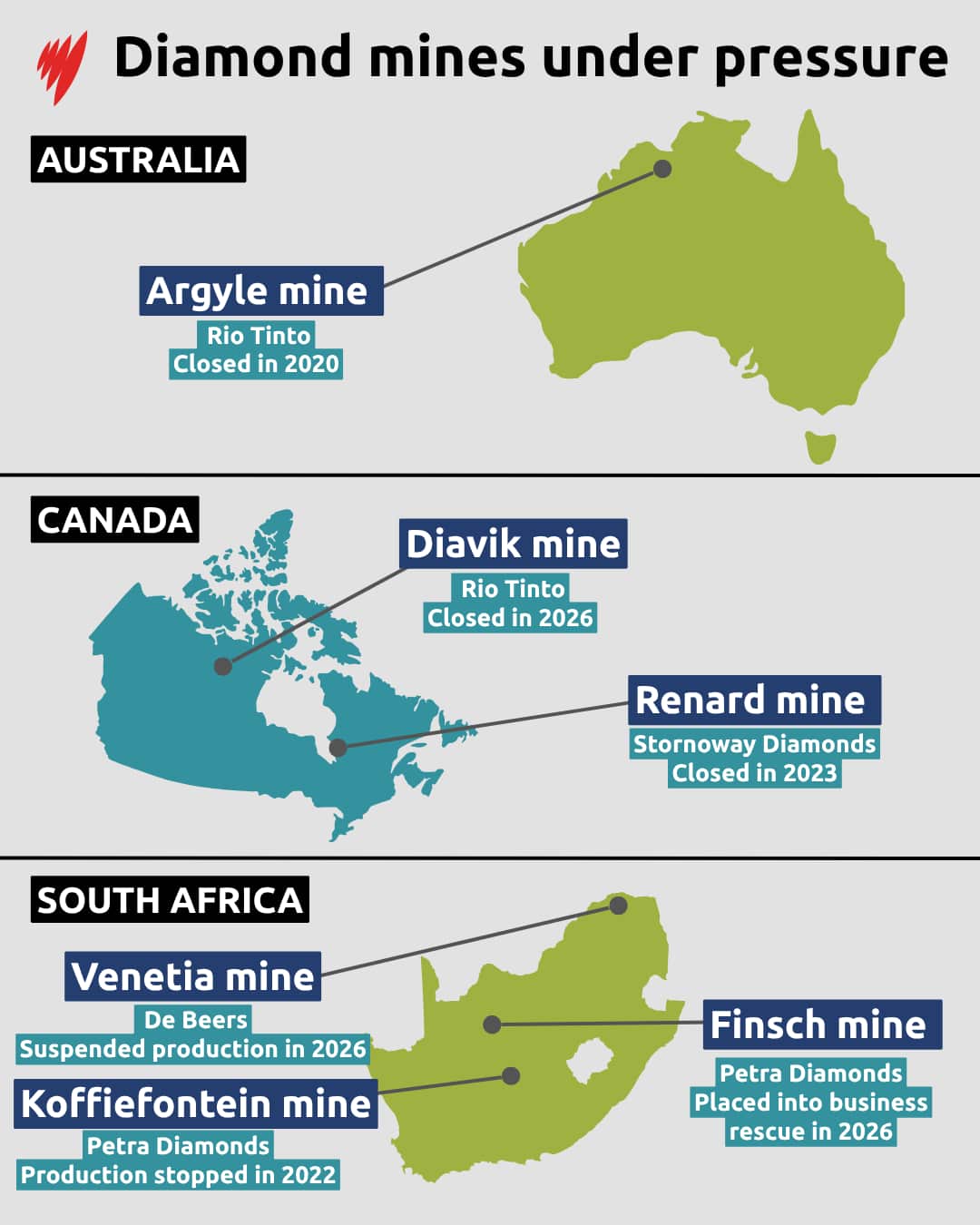
As mining becomes more challenging and fewer new diamond deposits are discovered, the supply of natural diamonds may gradually tighten.

Several major mines are approaching the end of their productive lives, while fewer world-class discoveries have been made over the past two decades.

If production continues to decline while the finest stones remain desirable, natural diamonds could increasingly occupy a position similar to that of natural pearls—less common, more exclusive and primarily sought by collectors and connoisseurs.

Rather than competing directly with laboratory-grown diamonds, they may simply occupy a different market.

What Happens to Everyday Diamond Jewellery?

This may be where laboratory-grown diamonds reshape the industry most dramatically.

Consumers purchasing jewellery primarily for its appearance, design or sentimental value may increasingly choose laboratory-grown diamonds because they provide greater size and quality within a given budget.

Jewellery designers gain greater creative freedom.

Consumers gain more choice.

The overall market for diamond jewellery could even expand as affordability improves.

This is remarkably similar to what occurred with cultured pearls, which transformed pearls from an occasional luxury into an everyday jewellery category.

The Importance of Transparency

One lesson from the pearl industry is particularly relevant.

Consumers accepted cultured pearls because the industry clearly distinguished them from natural pearls.

Each category developed its own identity.

The same principle is essential for diamonds.

Natural and laboratory-grown diamonds are both genuine diamonds, but they have different origins, different rarity profiles and different market dynamics.

Clear disclosure, accurate grading and transparent terminology allow consumers to make informed purchasing decisions based on their own priorities rather than confusion or marketing.

The Future May Not Be Either-Or

The history of jewellery suggests that technological innovation rarely eliminates natural luxury products.

Instead, it often creates broader markets with distinct categories serving different needs.

Natural pearls and cultured pearls now coexist successfully.

It is entirely possible that natural and laboratory-grown diamonds will do the same.

Natural diamonds may increasingly represent geological rarity, heritage and long-term collectability.

Laboratory-grown diamonds may continue to dominate fashion jewellery, bridal markets and value-conscious consumers seeking exceptional visual beauty.

Rather than one replacing the other, both could become permanent parts of the modern jewellery landscape.

Conclusion

The transformation of the pearl industry demonstrates that innovation does not necessarily diminish the value of natural treasures. Instead, it can redefine their place within the luxury market.

Whether diamonds ultimately follow the same path remains to be seen, but the parallels are compelling. Laboratory-grown diamonds have undoubtedly changed accessibility and affordability, much as cultured pearls did generations ago.

History suggests that when technology makes luxury more accessible, the rarest natural examples often become even more distinctive.

For the jewellery industry, the future may not be about choosing between natural and laboratory-grown diamonds. Instead, it may be about recognising that each serves a different purpose, a different customer and a different definition of value.

As with pearls, the industry may simply be witnessing the emergence of two complementary markets one built on the rarity of nature, the other on the possibilities of technology.

Source: DCLA

Thursday, 7 May 2026

Lab-Grown Diamonds Face Growing Scrutiny Over Massive Energy Use and Carbon Footprint


According to Pandora, the new carbon footprint reporting is being introduced in response to increasing consumer expectations to sustainability

While jewellery retailer Pandora has introduced carbon footprint labelling for its laboratory-grown diamonds in response to growing consumer demand for sustainability and transparency, the announcement also highlights an important reality often overlooked in the marketing of synthetic diamonds laboratory-grown diamonds are highly energy-intensive products.

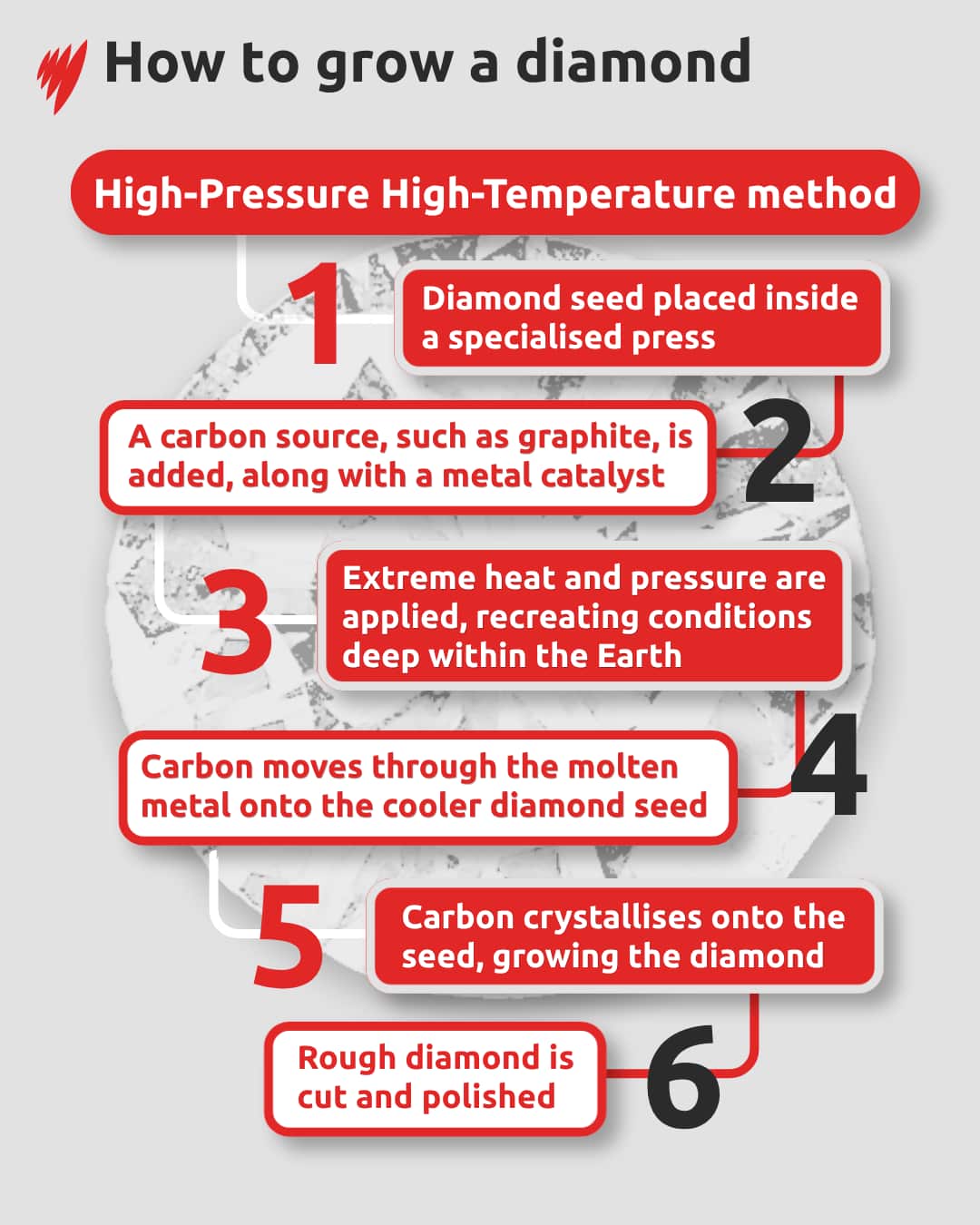
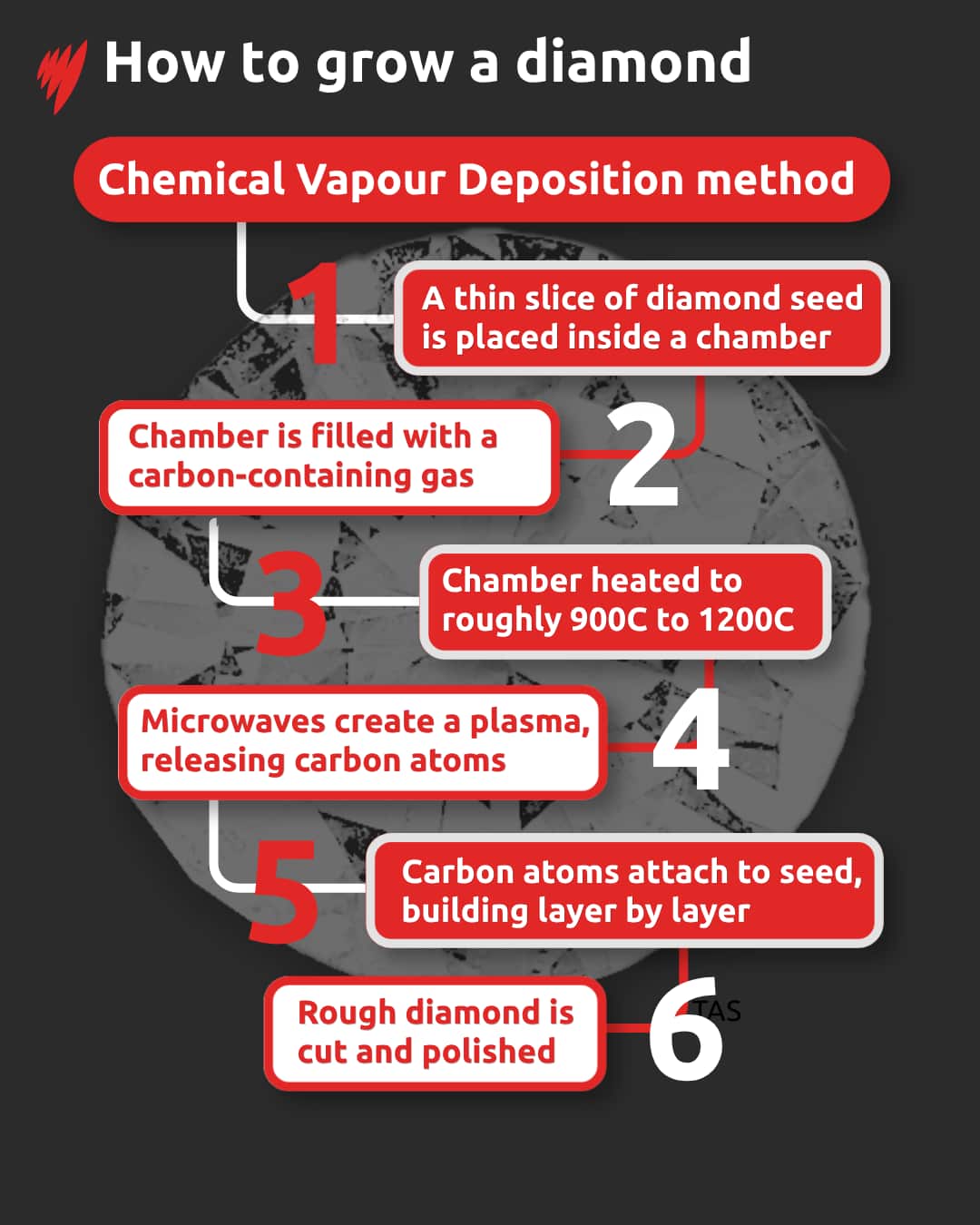
Creating laboratory-grown diamonds requires enormous amounts of electricity to replicate the extreme heat and pressure conditions found deep within the earth. Whether produced through High Pressure High Temperature (HPHT) or Chemical Vapour Deposition (CVD) technology, these processes rely on industrial machinery operating continuously for extended periods, consuming significant energy during crystal growth, cutting and polishing.

Pandora stated that its laboratory-grown diamonds are produced using “100% renewable energy” and claimed their carbon footprint is approximately 90% lower than mined diamonds. However, this depends heavily on the availability, reliability and verification of renewable energy sources, as well as regional electricity grids. In many parts of the world where laboratory-grown diamonds are manufactured, energy generation still relies substantially on fossil fuels, raising ongoing questions about the true environmental impact of mass synthetic diamond production.

The company’s new carbon footprint reporting covers emissions from raw material production through to polishing and has reportedly been verified by external life-cycle assessment experts and reviewed by EY. Pandora says the initiative aims to give consumers greater transparency alongside the traditional 4Cs Cut, Colour, Clarity and Carat by adding what it calls a “5th C” focused on climate impact.

At the same time, the broader diamond industry continues to debate the long-term sustainability claims surrounding laboratory-grown diamonds. Natural diamonds are created by nature over billions of years, while synthetic diamonds require constant industrial energy input to manufacture in controlled factory environments.

As consumer awareness grows, transparency around energy consumption, carbon reporting and manufacturing practices will likely become an increasingly important part of the conversation surrounding both natural and laboratory-grown diamonds.

Source: DCLA

Sunday, 22 March 2026

Lab-Grown Diamonds: A Structural Disruption to the Traditional Diamond Industry

 Lab-grown diamonds reshape the industry

The global diamond industry is undergoing one of the most profound transformations in its modern history. The rapid rise of lab-grown diamonds is not merely a cyclical shift it represents a structural disruption that is reshaping mining economics, retail strategies, and long-held consumer perceptions of value.

What makes this transition particularly striking is that it was not unforeseen. As early as 2002, Diamond Certification Laboratory of Australia (DCLA) issued clear warnings to the Australian diamond industry about the impending impact of synthetic diamonds. Yet, industry associations largely failed to act, leaving miners, wholesalers, and retailers exposed to a technological shift that is now impossible to ignore.


A Warning Ignored: DCLA’s Early Insight

More than two decades ago, DCLA identified that advances in diamond-growing technology particularly Chemical Vapour Deposition (CVD) and High-Pressure High-Temperature (HPHT) would eventually produce gem-quality diamonds indistinguishable from natural stones without specialised equipment.

At the time, the broader industry dismissed these developments as niche or irrelevant to the emotional and luxury positioning of natural diamonds. Industry bodies continued to promote rarity, tradition, and romance, rather than preparing for a future where functional equivalence meets dramatic price advantage.

The failure was not technological it was strategic.

No meaningful contingency planning was undertaken. There was no large-scale consumer education framework, no segmentation strategy, and no defensive positioning to preserve the long-term value of natural diamonds. The result is the dislocation we are witnessing today.


Technological Parity and Economic Reality

Lab-grown diamonds are, from a scientific standpoint, diamonds in every sense. They possess identical:

  • Hardness (10 on the Mohs scale)
  • Refractive index
  • Thermal conductivity
  • Crystal structure

The only difference lies in origin.

Modern production methods have compressed what takes nature billions of years into a matter of weeks. CVD grows diamonds atom by atom in controlled environments, while HPHT replicates the extreme pressure and heat conditions found deep within the Earth.

This technological leap has created a fundamental economic imbalance:

  • 1-carat lab-grown diamond: $800–$1,500
  • 1-carat natural diamond: $4,000–$8,000

An 80%+ price differential for a visually identical product is not a temporary inefficiency—it is a permanent market force.


Impact on Traditional Mining

The implications for mining companies are severe and ongoing.

Major producers, including De Beers (owned by Anglo American), have experienced dramatic valuation declines and sustained financial pressure. Falling polished diamond prices—down more than 40% from recent peaks—are compressing margins across the sector.

Unlike synthetic producers, miners cannot rapidly adjust supply or significantly reduce extraction costs. Their operations are capital intensive, geographically fixed, and subject to long development cycles.

This has led to:

  • Mine closures and production cuts
  • Asset write-downs
  • Consolidation across the industry
  • Reduced exploration investment

The traditional model—built on scarcity and controlled supply—is being undermined by a product that can be manufactured at scale.


Retailers Caught in the Middle

Diamond retailers have arguably been hit the hardest.

For decades, retailers relied on consistent pricing structures, stable supply chains, and the emotional narrative of natural diamonds. Today, they face a vastly more complex landscape:

  • Consumers are more informed and price-sensitive
  • Lab-grown diamonds offer higher margins but lower ticket values
  • Natural diamonds face resale and perception challenges
  • Inventory risk has increased significantly

Retailers must now walk a fine line—offering both products while clearly communicating the differences. Failure to do so risks eroding consumer trust.

Many have pivoted toward lab-grown diamonds due to demand, but this shift often comes at the expense of the very product category that built their business.


Changing Consumer Psychology

Perhaps the most significant shift is not technological—but psychological.

Younger consumers increasingly prioritise:

  • Value for money
  • Ethical sourcing
  • Environmental considerations
  • Transparency

The traditional narrative—“a diamond is forever”—no longer carries the same weight it once did.

Instead, buyers are asking practical questions:

  • Why pay significantly more for a natural stone?
  • What is the resale value?
  • Is the origin worth the premium?

This change in mindset has accelerated lab-grown adoption, particularly in engagement rings, where they now account for nearly half of purchases in key markets.


Environmental Considerations

Lab-grown diamonds have also gained traction through environmental positioning.

While the full lifecycle impact varies depending on energy sources, synthetic diamonds generally offer:

  • Lower land disruption
  • Reduced water usage
  • Less waste generation

Natural diamond mining, by contrast, involves significant earth movement, long-term environmental management, and complex logistics.

However, it is important to note that not all lab-grown diamonds are environmentally equal—production powered by fossil fuels can offset many of these advantages.


Industry Response: Too Little, Too Late?

Traditional players have responded with a mix of strategies:

  • Emphasising rarity and natural origin
  • Investing in traceability and certification
  • Targeting high-value, large-stone segments
  • Strengthening luxury branding

Yet these responses are largely reactive.

Had the industry heeded DCLA’s early warnings in 2002, it could have:

  • Established clear market segmentation early
  • Educated consumers proactively
  • Protected natural diamond positioning
  • Developed stronger resale and investment frameworks

Instead, the industry allowed the narrative to be rewritten by price and accessibility.


The Road Ahead: Coexistence or Displacement?

The most likely outcome is not total replacement, but market bifurcation:

  • Natural diamonds: Premium, rare, investment-oriented
  • Lab-grown diamonds: Accessible, mass-market, value-driven

However, this coexistence depends on the natural diamond industry’s ability to redefine its value proposition beyond aesthetics.

Without that, the pressure from lab-grown alternatives will only intensify.


The rise of lab-grown diamonds is a textbook case of technological disruption—where innovation delivers a product of equal function at a fraction of the cost.

The tragedy for the traditional diamond industry is not that it was disrupted, but that it was warned.

The Diamond Certification Laboratory of Australia saw the shift coming over 20 years ago. The failure of industry associations to act on that warning has left miners and retailers scrambling to adapt in real time.

For investors, retailers, and consumers alike, the lesson is clear:

In markets driven by both emotion and economics, technology will always find a way to challenge tradition.


Disclaimer: This article is for informational purposes only and does not constitute financial or investment advice. Market conditions and industry dynamics may change, and readers should conduct independent research before making any decisions.

Wednesday, 10 December 2025

Lab-Grown Diamonds Surge in Popularity, Both Globally and in Australia

Lab-grown diamonds are transforming the global jewellery market

Lab-grown diamonds are transforming the global jewellery market and Australia is no exception. What began as a value-driven alternative is now a major contributor to sales growth for leading jewellers around the world.

Signet Jewelers parent company of retail chains Kay Jewelers, Zales and Jared recently reported 6% same-store sales growth, largely fuelled by strong demand for fashion and bridal jewellery featuring lab-grown diamonds (LGDs). Today, LGDs represent around 40% of Signet’s bridal diamond sales, proving just how quickly consumer preferences are shifting.

This growth is driven by simple customer logic:
Larger stones. Greater brilliance. Lower cost.
Ethically and environmentally responsible.
Exceptional value at key gifting price points.

Retailers are seeing customers choose bigger, higher-quality stones because LGDs allow them to upgrade without increasing their budget a trend transforming both the bridal and fashion jewellery categories.

The Australian Lab-Grown Diamond Boom

Australia is now one of the world’s fastest-growing markets for certified laboratory-grown diamonds. Engagement ring buyers and fine jewellery lovers alike are turning toward lab-created stones that offer:

Certified quality
Significant savings compared to natural diamonds
A conflict-free, sustainable choice
Access to premium size and sparkle

Demand has risen sharply in the last 18 months as Australians search for better value in a higher-interest-rate economy while still wanting beautiful luxury pieces.

Why Buy Lab-Grown Diamonds from DCLA?

With rapid growth comes the increasing importance of credible certification. This is where the Diamond Certification Laboratory of Australia (DCLA) leads the market.

DCLA is Australia’s official CIBJO-accredited diamond laboratory
Every diamond is independently graded in Sydney
Transparent, trusted certification standards no inflated grades or misleading claims

Through the DCLA Diamond Exchange, buyers can purchase certified lab-grown diamonds directly, ensuring:

Authentic grading from Australia’s most trusted authority

Competitive prices without retail mark-ups

Expert support when selecting the perfect stone

Secure local service and delivery

Whether upgrading to a bigger stone or choosing your first diamond, the DCLA Diamond Exchange offers unmatched confidence, value and peace of mind.

The Future Is Bright and Lab-Grown

As global retailers continue to expand their lab-grown diamond offerings and consumers embrace the beauty and value of LGDs, the category is expected to keep gaining market share particularly in the fast-growing fashion jewellery segment.

Here in Australia, buyers are becoming more educated and discerning. They want quality, certification and true value making DCLA-certified lab-grown diamonds the smartest choice.

Discover Australia’s most trusted source for certified lab-grown diamonds:
The DCLA DiamondExchange Where Quality Comes First.

Monday, 28 July 2025

Lab-Grown Diamonds Reshape the Engagement Ring Market

Lab-Grown Diamonds

Lab-grown diamonds are transforming the global diamond industry especially the engagement ring sector offering consumers genuine diamonds at more accessible prices. These man-made stones are chemically, physically, and optically identical to mined diamonds but appeal to modern buyers with their affordability, ethical production, and growing market acceptance.

What Are Lab-Grown Diamonds?

Produced using High Pressure High Temperature (HPHT) or Chemical Vapour Deposition (CVD), lab-grown diamonds are real diamonds, not simulants like cubic zirconia. They share the same crystal structure and brilliance as mined stones, and require advanced gemmological equipment for origin detection.

Why Are They Gaining Popularity?

Affordability remains the primary driver. Lab-grown diamonds are typically 40–70% less expensive than natural diamonds of similar quality, allowing consumers to choose larger or higher-quality stones without exceeding their budget.

Ethical and environmental concerns are also influencing buyers. With no mining required, lab-grown diamonds reduce the risk of conflict sourcing and environmental degradation, appealing to younger generations who value transparency and sustainability.

Market Impact

Lab-grown diamonds now represent over 50% of the U.S. engagement ring market, with rapid uptake among millennials and Gen Z. Cities with a strong technology and education base lead the trend, while manufacturers particularly in China are scaling production to meet global demand.

Industry Response

The rise of lab-grown diamonds has disrupted the traditional diamond supply chain. Major miners like De Beers have reduced their market outlook, while smaller players like Gem Diamonds and Burgundy Diamond Mines have faced operational challenges.

Traditional diamond brands are repositioning mined diamonds as luxury items, focusing on rarity, heritage, and emotional value, while also reinforcing the investment case for natural stones.

Certification and Detection

DCLA plays a vital role in distinguishing between natural and lab-grown diamonds. We use advanced spectroscopic analysis, growth structure detection, and laser inscription verification to ensure accurate origin classification. Our grading reports clearly identify whether a diamond is natural or laboratory-created, helping maintain trust and transparency in the market.

Investment and Resale Considerations

While both lab-grown and natural diamonds offer identical beauty and durability, resale value currently favours natural diamonds, which tend to retain more long-term value. This distinction remains important for buyers considering heirloom or investment purposes.

Looking Ahead

The lab-grown diamond market is expected to continue growing, particularly in the engagement ring segment. With improvements in production efficiency and sustainability, consumer adoption is poised to accelerate further.

At DCLA, we remain committed to providing accurate certification, expert grading, and clear identification for both natural and lab-grown diamonds supporting consumer confidence and industry integrity in a rapidly evolving marketplace.

Source: DCLA

Thursday, 13 February 2025

Lab-Grown Diamonds: A Game Changer in the Diamond Industry

Get Peace of Mind with DCLA Certification

Whether you are buying a natural or lab-grown diamond

The diamond industry is undergoing a seismic shift, driven by the rising popularity of lab-grown diamonds. Once considered a niche alternative, these scientifically engineered gems are now mainstream, offering a more affordable and ethically sourced option compared to their natural counterparts. This surge in demand is putting pressure on the traditional diamond market, challenging industry norms and reshaping consumer preferences.

Lab-grown gems putting pressure on the diamond industry

Lab-grown diamonds are chemically, physically, and optically identical to natural diamonds. They are created using advanced technological processes that replicate the conditions under which diamonds form in the Earth’s mantle. As a result, they offer the same brilliance, hardness, and durability as mined diamonds, but at a significantly lower price point.

With consumers becoming more conscious of sustainability and ethical sourcing, lab-grown diamonds are increasingly seen as a viable alternative to mined stones. This shift in preference is sending shock waves through the traditional precious gems market, compelling industry players to adapt to evolving trends.

Why You Need Expert Guidance When Buying Diamonds

While lab-grown diamonds present an attractive option, navigating the diamond market—whether natural or lab-created—requires expert guidance. With the influx of synthetic diamonds, ensuring that you are purchasing a high-quality stone from a reputable source is crucial. This is where independent diamond certification becomes essential.

DCLA: Sydney’s Most Trusted Diamond Laboratory

When it comes to protecting your investment and ensuring the authenticity of your diamond, the Diamond Certification Laboratory of Australia (DCLA) in Sydney is the best option. DCLA is one of the only internationally recognised and independent diamond grading laboratories in the world, adhering to strict grading standards to provide unbiased, accurate diamond certification.

Source: DCLA

Wednesday, 20 November 2024

Swarovski bullish on lab-grown diamond business

Austrian jewelry brand Swarovski's entry into the lab-grown diamond sector has seen a positive reception in the China market

Austrian jewelry brand Swarovski’s entry into the lab-grown diamond sector has seen a positive reception in the China market, signaling growing consumer acceptance and confidence in the product category, said a senior executive.

Since the launch of Swarovski Created Diamonds Swarovski’s lab-grown diamond product line in April, the company has found that Chinese consumers are gradually accepting the concept of laboratory-grown diamonds, which gives the brand huge confidence in the market, said Yvonne Chan, president of Swarovski Crystal Business Greater China.

Chan added that as the market has responded accordingly, the brand has seen a steady growth in sales figures. “In some of the better-performing stores, sales of Swarovski Created Diamonds jewelry can account for as much as one-fourth of the store’s jewelry sales,” she said.

The consumption of diamonds is diversifying and is no longer limited to bridal occasions, with an increasing number of female consumers showing interest in “self-rewarding “diamond purchases and usually more for daily wear occasions, Chan said.

“We believe lab-grown diamonds are ‘the diamonds of the future’, and that’s why they represent a strategic growth category for Swarovski,” she said.

According to data from consulting firm Bain & Company, China’s rough cultured diamond sales reached 1.4 million carats in 2021, with a market penetration rate of 6.7 percent. The figure is expected to reach 4 million carats by 2025, with a market penetration rate of 13.8 percent.

“We are delighted to be one of the first global brands to launch lab-grown diamonds in China in April, which marks a significant milestone in the company’s global rollout of fine jewelry collections,” Chan said. “China is undoubtedly one of Swarovski’s most important markets globally. Swarovski has long-standing ties of business and friendship with China that were forged three decades ago.”

Lab-grown diamonds, created by simulating the natural growth environment of diamonds, are high-quality synthetic gems with jewelry application value, said Sun Zhaoda, secretary-general of the superhard materials branch of the China Machine Tool and Tool Builders’ Association, adding that the emerging jewelry category is growing rapidly due to its eco-friendly and sustainable characteristics.

According to a recent white paper published by the association, the global cultured diamond supply chain is now largely concentrated in China, India and the United States. China leads in the production of rough cultivated diamonds, with over 22 million carats produced in 2023, accounting for more than 70 percent of global output. India dominates diamond processing, controlling 80 percent of the market, while the US remains the largest consumer market for cultivated diamonds.

“While China’s share in diamond processing is still relatively low, the country is exploring new green development models,” said Sun. “With increasing consumer acceptance of cultivated diamonds in China, the market for lab-grown gems is expected to grow significantly.”

Source: DCLA

Jewellery Costs vs Selling Prices: How to Buy Smart, Protect Your Investment, and Know Your Options When It’s Time to Sell

  Understanding the Difference Between What Jewellery Costs and What It Is Worth Buying a piece of jewellery is often an emotional decision....