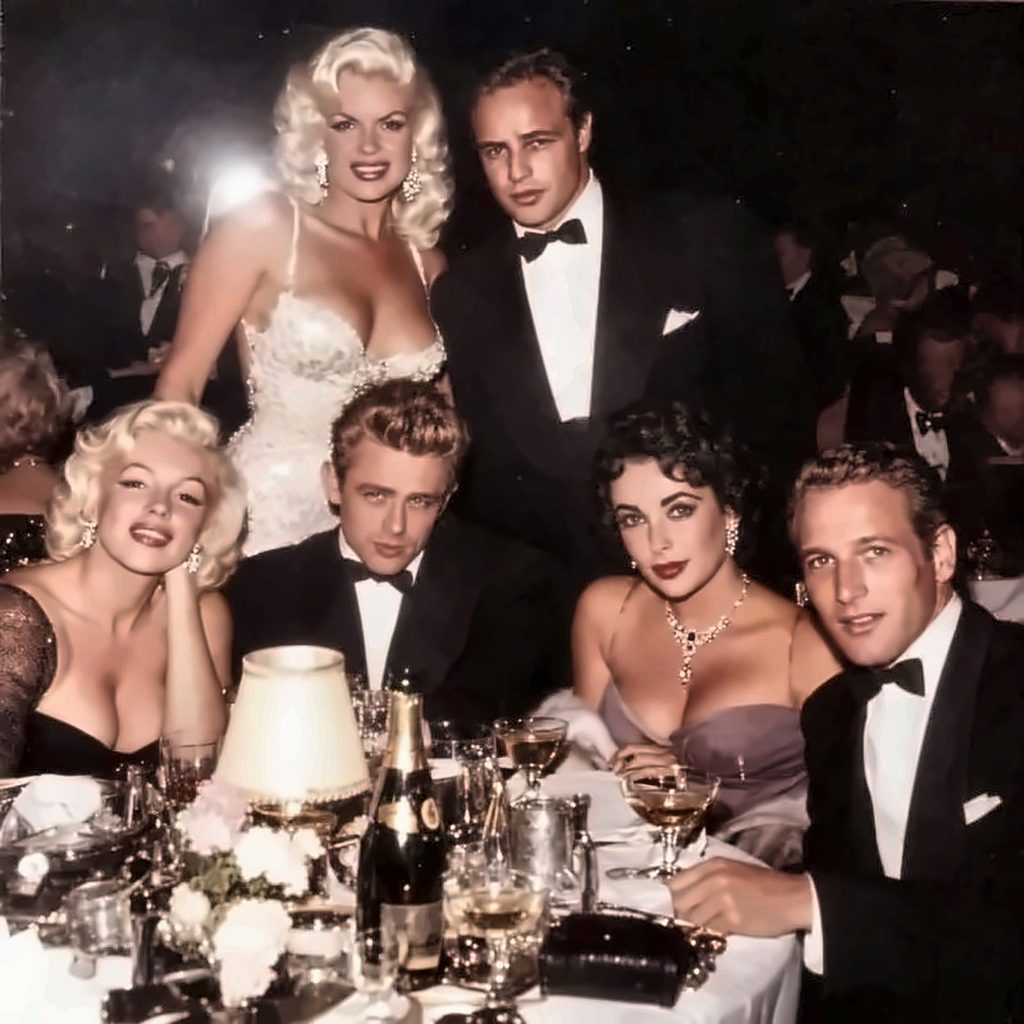
There was a time when influence, like a diamond, was earned through rarity, pressure, and time.
Look at any photograph of Marilyn Monroe, Elizabeth Taylor, James Dean, Marlon Brando, Paul Newman or Jayne Mansfield and you see more than celebrities. You see presence. Poise. An unforced elegance that did not need to shout. Their influence was the byproduct of talent, mystery and an almost aristocratic sense of self-possession. They did not chase relevance; relevance chased them.
Today that quality feels like a relic both in culture and in the world of diamonds.
From Icon to Content Machine, From Earth to Laboratory
The classic stars understood restraint. Allure was often found in what was withheld. Their public images were curated with care, built over years, and carried lasting cultural weight.
Modern influencing has largely abandoned those standards. Class has given way to spectacle. Quality has been replaced by volume. Value has been reduced to engagement metrics. What was once rare and carefully cultivated is now mass-produced, disposable and frequently coarse.
The same pattern has appeared in the diamond market.
Natural diamonds formed deep in the earth under extreme pressure over billions of years once stood as the ultimate symbol of rarity, permanence and prestige. They required discovery, risk and genuine scarcity. Lab-grown diamonds, by contrast, are manufactured in weeks under controlled conditions. They are chemically identical in many respects, yet they lack the geological story, the scarcity and the cultural weight that gave natural diamonds their enduring class.
The Collapse of Quality and Perceived Value
Quality once meant craft and authenticity. A star’s image, like a natural diamond’s origin, was refined through time and genuine constraint.
Today the influencer economy rewards speed, volume and constant availability. Trends last days. Personas shift weekly. The system privileges the lowest common denominator.
Lab-grown diamonds operate under a parallel logic. They offer visual similarity at a fraction of the price, but they erase the very qualities that made diamonds meaningful: rarity, natural formation and the sense that something unique has been brought into the light. When supply can be increased on demand, scarcity disappears. When origin becomes irrelevant, romance fades. The product remains, but the aura does not.
This is not merely aesthetic. It has commercial and cultural consequences. When influence is cheapened, audiences lose the ability to distinguish genuine authority from manufactured popularity. When diamonds are reduced to interchangeable stones, the language of lasting commitment and true luxury is diluted. Brands that once stood for elevation find themselves adjacent to the disposable.
Value Without Worth
True influence once carried cultural weight measured in longevity and impact. Natural diamonds carried the same kind of value: they were heirlooms, markers of genuine milestones, objects that held meaning across generations.
Much of today’s influencer economy measures value in temporary virality and affiliate codes. The lab-grown market often measures value in price per carat and production efficiency. Both trade lasting worth for immediate accessibility. The relationship becomes transactional. When the transaction ends, so does the connection whether with an audience or with a piece of jewellery.
A Path Back to Class
DCLA exists to protect confidence in diamonds through independent, internationally accredited grading. That mission has never been more relevant. In a marketplace flooded with synthetic alternatives and diluted cultural signals, the distinction between the authentic and the manufactured matters.
Class is not nostalgia. It is a competitive advantage. Quality is not an outdated luxury; it is the only durable form of value. Natural diamonds, like the iconic figures of the past, still carry the weight of genuine rarity and history. They do not need to convince the world they matter. Their origin makes the argument for them.
The same standard remains available in culture and in the diamond industry. It simply requires the courage to choose rarity over replication, substance over spectacle, and lasting value over the merely convenient.
In an age of endless content and endless production, the things that still feel rare are the ones that still feel real.