Showing posts with label gemstone rings. Show all posts

Sunday, 26 July 2026

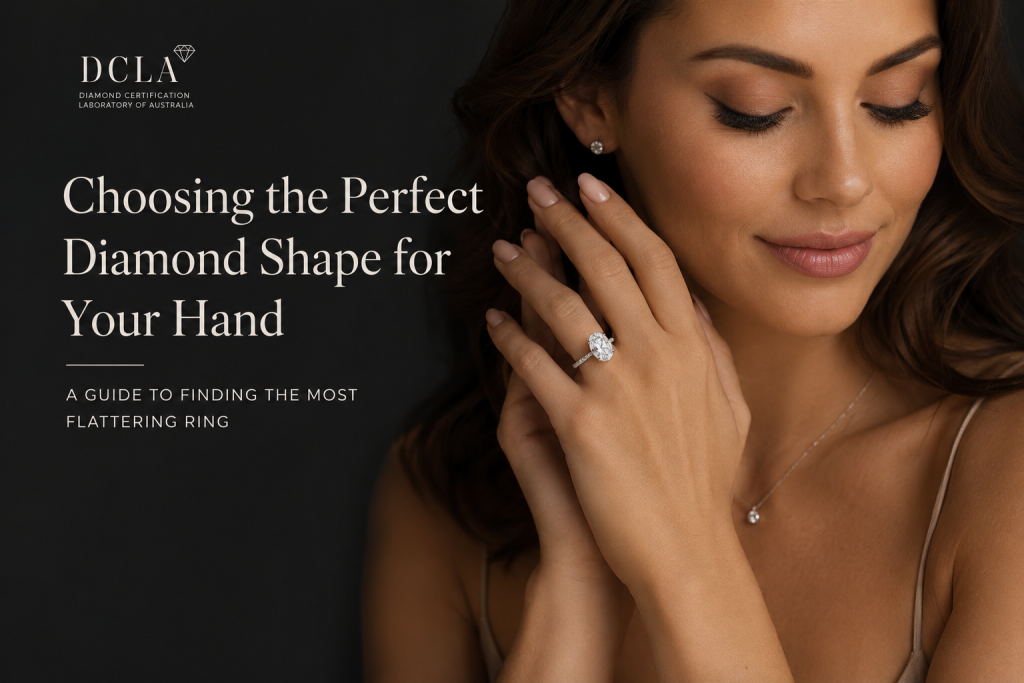
Choosing the Perfect Diamond Shape for Your Hand: A Guide to Finding the Most Flattering Ring

 Selecting a diamond is about far more than choosing the largest stone or the most popular shape.

Selecting a diamond is about far more than choosing the largest stone or the most popular shape. While the quality of a diamond is essential, the proportions of your hand and fingers play a significant role in how a ring will look once it is worn.

At the Diamond Certification Laboratory of Australia (DCLA), we believe the most beautiful engagement ring or dress ring is one that complements the wearer. The right combination of diamond shape, size, setting and band width can enhance the appearance of the hand, making fingers appear longer, slimmer or more balanced.

Here is a guide to selecting the most flattering diamond shape for different hand types.


Long, Slim Fingers

Those with long, elegant fingers have the greatest flexibility when choosing a diamond shape. Almost every cut looks proportionate and attractive.

Best diamond shapes:

  • Round Brilliant
  • Cushion
  • Princess
  • Asscher
  • Emerald
  • Radiant

Long fingers can comfortably wear larger diamonds without appearing overwhelming. Wider bands and bold settings also suit this hand type.

Recommended sizes

  • 1.50 to 5.00 carats and above
  • Fancy shapes with wider proportions work particularly well.

Short Fingers

The objective for shorter fingers is to create the illusion of length.

Best diamond shapes

  • Oval
  • Pear
  • Marquise
  • Emerald Cut
  • Elongated Radiant

These elongated shapes naturally draw the eye vertically, making fingers appear longer and more slender.

A slightly narrower band further enhances this effect.

Avoid

  • Very wide cushion cuts
  • Large square princess cuts
  • Extremely wide bands

Wider or Fuller Fingers

Many people believe they need a very large diamond to suit broader fingers. While size is important, shape and proportion are even more critical.

Best diamond shapes

  • Oval
  • Cushion
  • Radiant
  • Emerald
  • Elongated Cushion

These shapes provide excellent finger coverage while maintaining elegant proportions.

Diamonds between 2 and 4 carats often create excellent balance depending on the finger size.

Thicker bands generally complement broader fingers better than very fine bands.


Very Thin Fingers

Fine fingers can easily become overwhelmed by an oversized diamond.

Best diamond shapes

  • Round Brilliant
  • Oval
  • Cushion
  • Heart
  • Pear

Delicate settings with diamonds between 0.50 and 2.00 carats often create the most balanced appearance.

Fine claws and narrow bands maintain elegance without overpowering the hand.


Diamond Shape and Visual Illusion

Each diamond shape creates a different visual effect.

Oval

Perhaps the most universally flattering shape.

Oval diamonds:

  • make fingers appear longer
  • maximise face-up size
  • often appear larger than round diamonds of equal weight

Pear

The pear shape creates a slimming effect.

When worn with the point facing outward, it naturally elongates the finger while providing exceptional brilliance.


Marquise

One of the oldest royal diamond cuts remains one of the best for creating length.

Its pointed ends maximise spread and make the finger appear noticeably longer.


Emerald Cut

Elegant and understated.

The long step-cut facets create a sophisticated appearance and visually lengthen both the diamond and the finger.

This cut particularly suits those who appreciate timeless style.


Round Brilliant

The world’s most popular diamond remains the safest choice.

Its perfect symmetry suits almost every hand shape, although on shorter fingers it may not create as much visual length as an oval or pear.


Cushion Cut

Soft corners and larger facets give cushion diamonds a romantic appearance.

They suit medium to long fingers particularly well and provide excellent brilliance.


Princess Cut

The sharp square outline creates a modern appearance.

Best suited to longer fingers where the square proportions remain balanced.


Choosing the Right Carat Size

Carat weight should always be proportional to the hand.

Petite Hands

Ideal sizes:

  • 0.50–1.50 carats

These maintain elegance without appearing oversized.


Average Hands

Ideal sizes:

  • 1.00–3.00 carats

Most diamond shapes remain well proportioned.


Larger Hands

Ideal sizes:

  • 2.00 carats and above

Larger hands often benefit from diamonds offering greater finger coverage, particularly elongated fancy shapes.


Ring Width Matters

Many buyers focus entirely on the diamond and overlook the importance of the band.

A thin band:

  • makes the diamond appear larger
  • elongates the finger
  • creates a delicate appearance

A wider band:

  • balances larger diamonds
  • suits broader hands
  • provides a bold contemporary look

The relationship between the band and the diamond is often just as important as the diamond itself.


Men’s Diamond Rings

Men’s jewellery has evolved considerably over recent years, with diamond rings becoming increasingly sophisticated.

Larger Hands

Popular choices include:

  • Emerald Cut
  • Asscher
  • Radiant
  • Cushion

These geometric shapes complement broader masculine proportions.

Diamonds from 1 to 3 carats generally create excellent balance.


Slimmer Hands

Men with narrower fingers often suit:

  • Round Brilliant
  • Oval
  • Emerald Cut

More refined settings avoid appearing oversized while maintaining a strong masculine presence.


Beyond the Diamond Shape

While finger shape provides an excellent starting point, several other factors influence how a ring appears:

  • Finger length
  • Finger width
  • Knuckle size
  • Palm size
  • Skin tone
  • Lifestyle
  • Personal style
  • Ring setting
  • Band width
  • Metal colour

White gold and platinum provide a crisp contemporary appearance, while yellow and rose gold can create warmth and contrast depending on skin tone.


There Is No Universal “Perfect” Diamond

The most beautiful diamond is ultimately the one that feels right for the wearer. Trends come and go, but proportion, balance and craftsmanship remain timeless.

A well-selected diamond should complement the natural shape of the hand rather than compete with it. Whether it is a classic round brilliant, an elegant emerald cut or a striking oval, the right combination of shape, size and setting creates a piece of jewellery that looks effortlessly elegant for decades to come.

At DCLA, every diamond tells its own story. Choosing the right shape is not simply about fashion it’s about finding the perfect balance between beauty, proportion and individuality.


Disclaimer: This article is intended as a general guide. Individual preferences, ring design, finger proportions and setting style all influence how a diamond appears when worn. Viewing and comparing different diamond shapes in person is recommended before making a final selection.

Monday, 6 July 2026

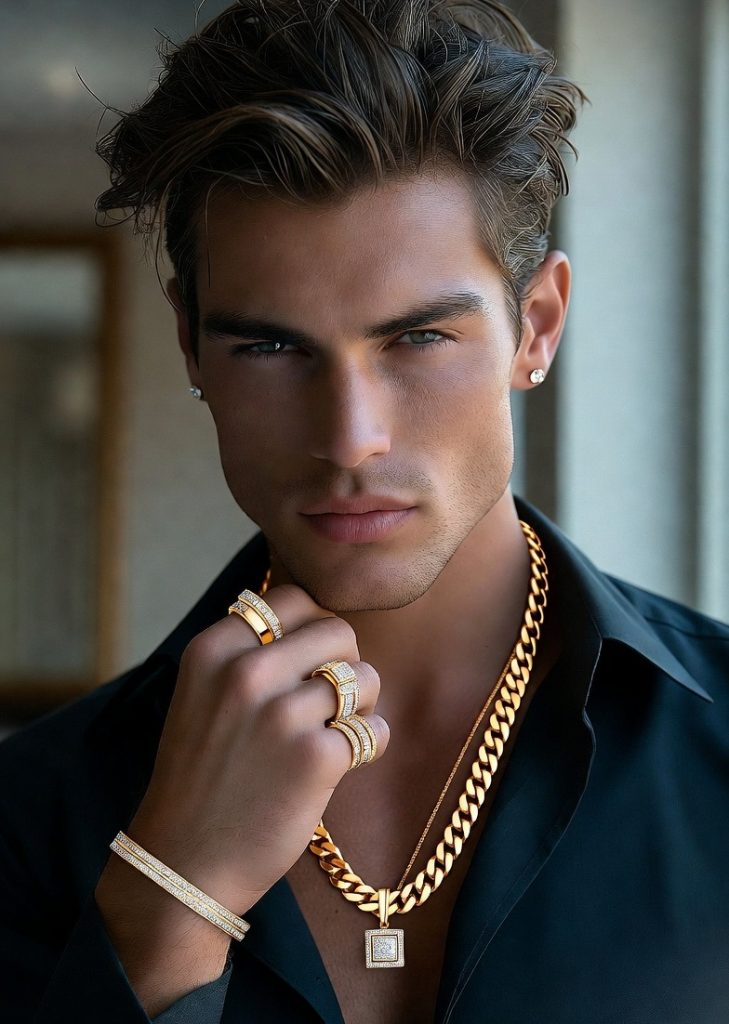
Men's Jewellery Trends Are Breaking Gender Barriers

 For generations, the jewellery industry has primarily marketed fine jewellery to women, while men were viewed as purchasers rather than wearers. Outside wedding bands, signet rings and luxury watches, men's jewellery occupied only a small corner of the market. That perception is changing rapidly.

Why More Men Are Buying Fine Jewellery Than Ever Before

For generations, the jewellery industry has primarily marketed fine jewellery to women, while men were viewed as purchasers rather than wearers. Outside wedding bands, signet rings and luxury watches, men’s jewellery occupied only a small corner of the market. That perception is changing rapidly.

Today, one of the most significant shifts in the global jewellery industry is the rise of the male jewellery consumer. Men are not only buying more jewellery, they are purchasing it for themselves, embracing precious metals, diamonds and coloured gemstones as an extension of their personal style. The traditional boundaries between men’s and women’s jewellery are becoming increasingly blurred, creating exciting opportunities for jewellers, designers and gem laboratories alike.

A New Generation of Male Jewellery Buyers

Luxury retailers and designers report that male clients have increased significantly over recent years. More importantly, today’s buyers are becoming increasingly adventurous.

Rather than limiting themselves to simple chains or traditional signet rings, men are exploring diamond bracelets, gemstone rings, layered necklaces, earrings, brooches and personalised jewellery. Many purchases are driven by self expression rather than special occasions or gifting.

This evolution represents a cultural shift rather than a passing fashion trend.

Celebrity Influence Has Changed Everything

The modern acceptance of men’s jewellery has been accelerated by celebrities, athletes and musicians who confidently wear fine jewellery on the world’s biggest stages.

Red carpet appearances now regularly feature diamond brooches, layered necklaces, gemstone rings and statement bracelets worn by leading actors and musicians. Sporting stars have also embraced tennis necklaces, diamond earrings and luxury jewellery as part of their personal identity.

These public figures have helped redefine masculinity, showing that fine jewellery is no longer restricted by traditional gender expectations.

Breaking Traditional Gender Barriers

Perhaps the biggest transformation is the growing popularity of gender neutral jewellery.

Many luxury brands have discovered that collections originally designed for men are equally popular with women, leading several manufacturers to reposition their ranges as unisex collections. Clean lines, minimal styling and high quality craftsmanship appeal across all demographics.

Consumers today are less concerned with whether a piece is labelled “men’s” or “women’s.” Instead, they choose jewellery that reflects their own personality, lifestyle and values.

Personal Expression Is Driving Demand

Unlike previous generations, many younger buyers view jewellery as a form of storytelling.

Engraved signet rings, symbolic pendants, coloured gemstones and layered jewellery allow individuals to communicate their identity, achievements and beliefs without saying a word.

Jewellery has become deeply personal, transforming from a status symbol into an expression of individuality. Designers report growing demand for bespoke pieces that carry emotional significance rather than simply displaying wealth.

Diamonds Remain at the Centre

While contemporary designs may be evolving, diamonds continue to play a central role in men’s fine jewellery.

Diamond set rings, tennis bracelets, pendants and earrings are becoming everyday accessories rather than pieces reserved for formal occasions.

Natural diamonds remain particularly attractive due to their rarity, durability and enduring value. As consumers become more educated, many appreciate the geological history and authenticity that natural diamonds represent.

For laboratories such as the Diamond Certification Laboratory of Australia (DCLA), this growing market reinforces the importance of independent grading and certification, ensuring buyers have confidence in the quality and authenticity of every natural diamond they purchase.

The Market Continues to Expand

Industry research supports what jewellers are already witnessing in their showrooms.

The global men’s jewellery market was valued at approximately US$48.5 billion in 2024 and is forecast to grow at almost 10 percent annually over the next decade. Separately, broader jewellery market analysis identifies men’s jewellery as the fastest growing consumer segment through 2033, driven by changing cultural attitudes and increasing acceptance of jewellery as everyday fashion.

This growth is being fuelled by Millennials and Generation Z, who have largely abandoned traditional ideas about who should wear jewellery.

What This Means for the Jewellery Industry

The rise of men’s jewellery represents more than a fashion trend. It signals a structural change in consumer behaviour.

Jewellers who once focused almost exclusively on female customers are now expanding their men’s collections with sophisticated designs featuring diamonds, coloured gemstones and precious metals. Designers are embracing versatility, while retailers are recognising that today’s male customer values craftsmanship, authenticity and personal expression just as highly as any other buyer.

For the diamond industry, this creates exciting opportunities. As more men invest in fine jewellery featuring natural diamonds, the importance of trusted grading and certification becomes even more significant.

The modern jewellery market is becoming increasingly inclusive. Men are purchasing jewellery not because tradition dictates it, but because it reflects who they are.

As gender barriers continue to dissolve and personal style becomes the defining influence, fine jewellery is evolving into a universal form of self expression. Natural diamonds remain at the heart of this transformation, combining timeless beauty with lasting value.

For organisations such as the DCLA, this changing landscape highlights the continuing importance of independent diamond grading, providing confidence and transparency for a new generation of jewellery buyers who value authenticity above all else.

Source: DCLA

Choosing the Perfect Diamond Shape for Your Hand: A Guide to Finding the Most Flattering Ring

  Selecting a diamond is about far more than choosing the largest stone or the most popular shape. While the quality of a diamond is essenti...