Showing posts with label Russian. Show all posts

Monday, 22 June 2026

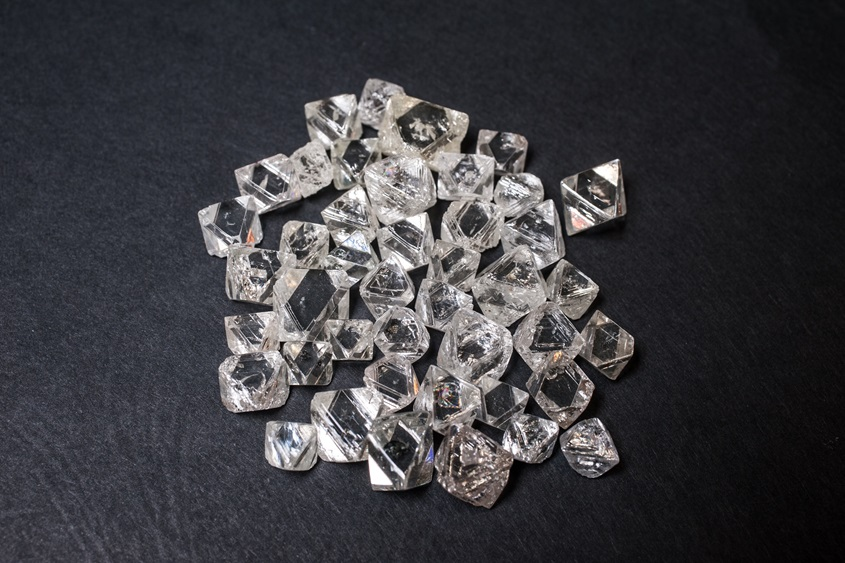
Russia Moves to Ban Lab Grown Diamond Terminology in Major Industry Shift


The global diamond industry is facing another major terminology debate as Russia introduces some of the strictest rules yet regarding the sale and description of laboratory grown diamonds.

The global diamond industry is facing another major terminology debate as Russia introduces some of the strictest rules yet regarding the sale and description of laboratory grown diamonds.

From 1 September 2026, new Russian regulations will restrict how synthetic diamonds can be marketed, with the aim of creating a clearer distinction between natural diamonds and stones produced through laboratory technology. Under the new rules, the word “diamond” and related terms will be reserved for natural diamonds, while laboratory created stones must be identified as “synthetic”.

New Rules Focus on Consumer Transparency

The Russian government has stated that the changes are designed to improve transparency and prevent consumers from confusing synthetic stones with natural diamonds. Retailers will be required to clearly disclose the origin of the stone, and synthetic diamonds will need to be labelled accordingly.

The new regulations also restrict the use of traditional diamond terminology when describing synthetic stones. Words associated with natural diamonds, including “natural”, “genuine”, “real”, “precious”, “mined” and similar descriptions, will not be permitted in connection with synthetic products.

In addition, synthetic stones will not be marketed using traditional diamond grading language relating to colour, clarity or carat weight. Instead, their weight must be disclosed in grams rather than carats under the new framework.

A Clear Divide Between Natural and Laboratory Created Diamonds

The move reflects a growing global discussion about how the jewellery industry communicates the difference between natural diamonds and laboratory grown diamonds.

Natural diamonds are formed deep within the Earth over billions of years and are valued for their rarity, geological history and limited supply. Laboratory grown diamonds are created using advanced technology that replicates the conditions required for diamond formation, producing stones with the same chemical composition and crystal structure as natural diamonds.

The key difference is not the material itself, but the origin and rarity.

Impact on the Global Diamond Market

Russia is one of the world’s largest producers of natural diamonds, and the introduction of stricter terminology rules comes at a time when laboratory grown diamond production has expanded rapidly worldwide.

The rise of laboratory grown diamonds has transformed parts of the jewellery market, particularly among consumers seeking larger stones at lower prices. However, the significant price decline of many laboratory grown diamonds has also raised questions about long term value, resale potential and the role of rarity in diamond ownership.

For the natural diamond industry, clear terminology remains a central issue. Industry organisations have long argued that consumers should understand exactly what they are purchasing and that natural diamonds and laboratory grown diamonds should not be marketed in a way that creates confusion.

The Importance of Independent Diamond Certification

As the market continues to evolve, independent diamond certification remains essential. A professional grading report provides consumers with confidence by identifying whether a stone is natural or laboratory grown and documenting its characteristics.

Laboratories such as the Diamond Certification Laboratory of Australia play an important role in maintaining transparency and trust within the diamond trade through scientific examination and accurate reporting.

The Russian decision highlights a broader global movement towards clearer diamond disclosure. As technology continues to reshape the industry, accurate terminology and independent verification will remain critical in protecting consumer confidence.

Source: DCLA

Sunday, 13 April 2025

Russia Partners with Belarus

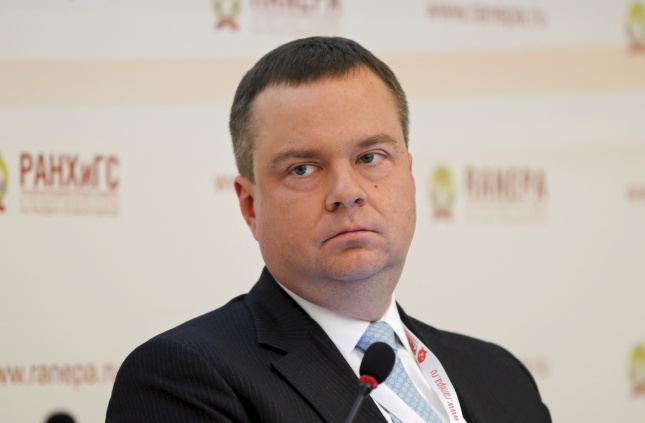
Alexei Vladimirovich Moiseev - Russian Deputy Minister of Finance

Russia is joining forces with its ally Belarus to promote jewelry exports to China, the UAE, Vietnam, and Southeast Asia, in response to G7 sanctions.

The collaboration was agreed last Friday (4 April) after Russia’s deputy finance minister Alexei Moiseyev (pictured) met Belarus’s finance minister Yury Seliverstov in the Belarus capital, Minsk.

Both sides discussed further developing e-commerce in jewelry made in Belarus and Russia, as well as the mutual recognition of state standard marks.

The two countries are close trade partners and Belarus has been sanctioned for supporting Russia’s invasion of Ukraine.

“A marketplace for the sale of Belarusian and Russian jewelry on foreign markets is planned to be launched in test mode this year, Moiseyev said, according to BelTA, Belarus’s state news agency.

He said the Eurasian Development Bank, founded jointly by Russia and Kazakhstan, was taking part in the collaboration.

Source: IDEX

Sunday, 6 April 2025

Mining Company Alrosa Unveils Russia’s Largest-Ever Diamond

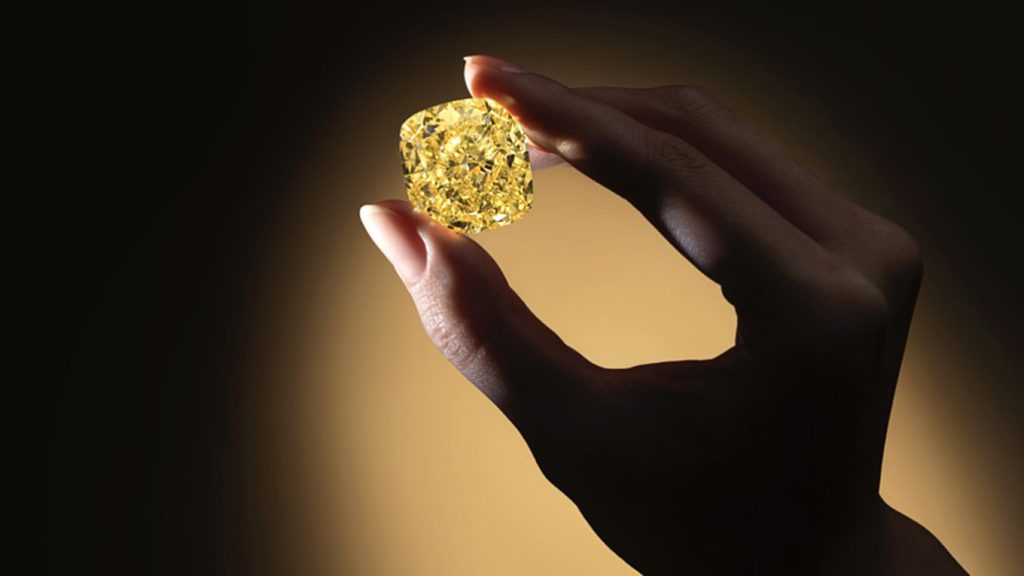
The 100-carat vivid yellow stone named New Sun

Russian diamond producer Alrosa announced Friday that it finished the two year cutting process of the country’s largest ever diamond a 100 carat vivid yellow stone named New Sun.

New Sun was cut from a billion year old 200 carat rough diamond, which was unearthed from an ancient riverbed at the Ebelyakh mine in the Far East republic of Sakha (Yakutia).

Alrosa said 15 of Russia’s top jewelers worked meticulously to “achieve the perfect balance between light, color and the play of shades.”

“Thanks to the highest skill of Russian experts, the diamond has acquired impeccable proportions that accentuate its depth and brightness of its sunny hue,” the company said.

The cutting process marks a “new stage” in the development of the Russian Cut, a gem cutting technique known for its precision and brilliance, Alrosa said.

“New Sun is one of the most significant events in the gemstone industry in recent years, highlighting Russia’s high status in the global diamond industry,” the company said.

Last month, Alrosa announced the temporary suspension of operations at several less profitable sites, reducing annual production by less than 1 million carats. The company still plans to produce 29 million carats of diamonds in 2025.

Alrosa, which is under an EU and G7 import ban, is the world’s largest diamond mining company by volume. It cut production by 2.8% to 34.6 million carats in 2023 and by 4.6% to 33 million carats in 2024.

Source: DCLA

Sunday, 9 March 2025

Alrosa set to Sell More Rough to Government

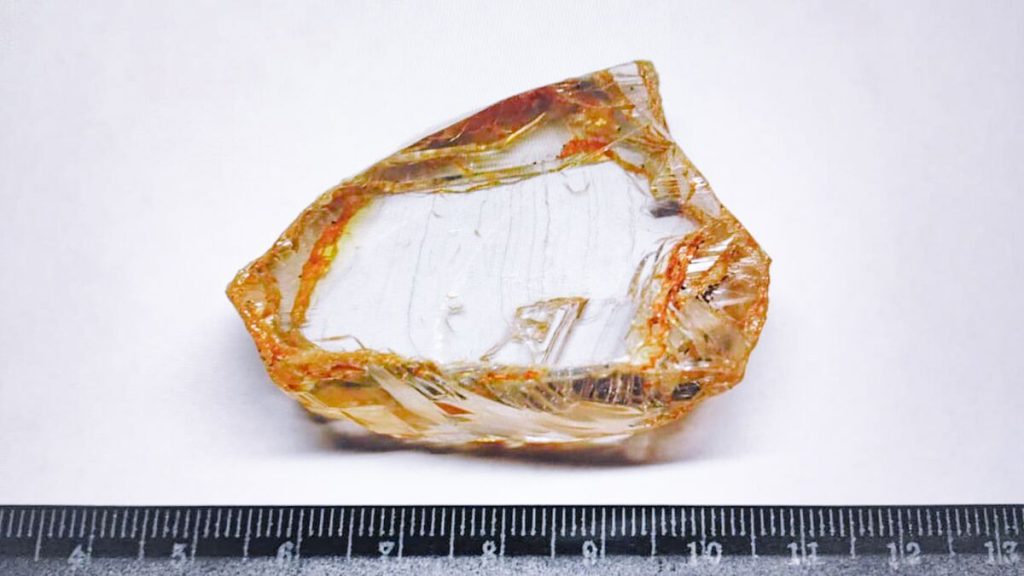
Alrosa Rough diamond weighing 390.7 carats

                                       Rough diamond weighing 390.7 carats

The Russian government could buy more rough diamonds from the state-run miner Alrosa, as it faces ongoing G7 sanctions and weak global demand.

The Finance Ministry says it will assess the situation after seeing second quarter results.

Alrosa last week reported a 77 per cent slump in profits for 2024 (down to $223m) and has said it could suspend some less profitable activities and lay off some of its 35,000 workers.

“As we have already said, it is possible that Gokhran will buy some of the stones, said Deputy Finance Minister Alexey Moiseyev, according to a report by the privately-run Interfax news agency.

“At this stage, we are still observing the market dynamics, indeed, it is quite weak, but not much time has passed. In principle, the first quarter is rarely good.”

Alrosa has previously offloaded excess inventory to Gokhran, the Russian State Precious Metals and Gemstones Repository in times of weak demand.

During the financial crisis of 2009 Gokhran bought up $1bn of Alrosa’s diamonds. And it sold back millions of carats in 2022, when a surge in post-lockdown demand outstripped the miner’s production capacities.

Last November it said it would be selling a batch of rough diamonds, including its largest recovery in a decade – an irregular-shaped diamond weighing 390.7 carats

Source: DCLA

Sunday, 9 February 2025

US Diamond Importers Must Declare Country of Origin

New rules announced by US Customs and Border Protection (CBP) will require all diamond importers to declare the country of origin of all goods.

New rules announced by US Customs and Border Protection (CBP) will require all diamond importers to declare the country of origin of all goods.

The move, to be implemented in April, is aimed at enforcing sanctions on Russian diamonds.

Importers have been required, since last March, to certify that their goods are not Russian, but not to disclose where they are from.

The G7 nations – including the US and EU – imposed a ban on Russian diamonds of 1 carat or more from March 2024 and on goods of 0.5 carats or above from September 2024.

Despite the sanctions, Russia is still thought to be exporting 40 per cent of its diamonds output because they are below the size threshold or industrial quality.

The US Customs and Border Protection (CBP) said in a statement that it plans to start collecting additional data in April on jewelry imports (and seafood) requiring filers to provide the country of mining.

They’ll be required to upload a PDF document on official company letterhead to CBP’s automated commercial environment (ACE) document image system.

The requirement applies to both loose diamonds and jewelry containing diamonds. Jewelry imports without diamonds are exempt.

The carat size threshold is not mentioned in the CBP announcement.

Source: IDEX

Monday, 6 January 2025

ALROSA Predicts Rising Demand and Diamond Prices in 2025

Russian diamond giant Alrosa

The high demand for jewelry and a decline of up to 20% in global diamond mining volumes compared to levels recorded 5-6 years ago will drive the industry’s growth, according to Sergey Takhiev, Head of Corporate Finance at Russian diamond giant Alrosa, reported by Rough&Polished.

According to Takhiev, while diamond prices are currently at a low point, demand is expected to grow due to a reduction in diamond inventories at manufacturing centers in India and a decline in diamond production volumes by major mining companies.

Alrosa Rough Diamonds

When asked about the timeline for market inventory replenishment, Takhiev estimated it would likely occur within a few months. He explained that the restocking of rough and polished diamond inventories is expected to impact the entire value chain, from manufacturers to retailers. Takhiev further emphasized that the depletion of global diamond resources, coupled with growing demand for luxury jewelry, is set to drive long-term price increases.

Meanwhile, ALROSA announced that the company’s Deputy CEO, Vladimir Marchenko, who has held the position since 2018, will step down to take on another role in the mining industry.

Source: DCLA

Thursday, 21 November 2024

Russia to continue buying diamonds through state fund in 2025

Russia to continue buying diamonds through state fund in 2025

Russia will continue to buy diamonds through a state fund in 2025 in order to support the diamond industry and market, Deputy Finance Minister Alexei Moiseev said on Thursday.

The Russian budget for 2025-2027 has set aside $1.55 billion for the purchase of precious metals and gems, Moiseev said in a statement.

Sign Up for the Precious Metals Digest

Russia will continue to ensure “stable global rough diamond prices in the wake of oversupply in the current market,” the same statement said.

State-owned precious metals and gems repository Gokhran resumed buying diamonds from Alrosa in March 2024. Alrosa, under US and EU sanctions, is the world’s largest producer of rough diamonds by volume with 30% of the market.

Source: DCLA

Monday, 9 September 2024

Russia Increases Rough Exports to India

Rough diamonds imported from Russia to India

Russian exports of rough diamonds to India increased by well over a fifth, to 4.1m carats, during the first six months of the G7 sanctions.

Total sales were up by 22.23 per cent for January to June 2024, according to the Indian Ministry of Commerce and Industry. But revenue fell by 15.22 per cent, as prices keep declining, from $614m to $520m.

Russian exports for June alone were 347,620 carats, an increase of almost 32 per cent on the same month last year.

The G7 and EU nations imposed sanctions on all Russian diamonds of 1.0-cts and above, regardless of where they were cut and polished, from 1 January. The threshold was lowered to 0.50-cts and above from 1 September.

Rough diamonds imported from Russia to India can only be sold to markets beyond the G7 and EU.

India’s diamond industry has been calling on the government to allow direct payments to Russia so it can more easily buy sanctioned goods.

Source: DCLA

The Diamond: Nature’s Most Remarkable Gem

Diamonds are among the most fascinating natural materials on Earth. Known for their beauty, rarity, and incredible durability, diamonds have...