For decades, engagement rings and diamond jewellery followed a familiar formula: a straight band, a centre diamond, and a timeless setting. While these classic designs remain popular, a new generation of jewellery lovers is embracing something far more expressive.
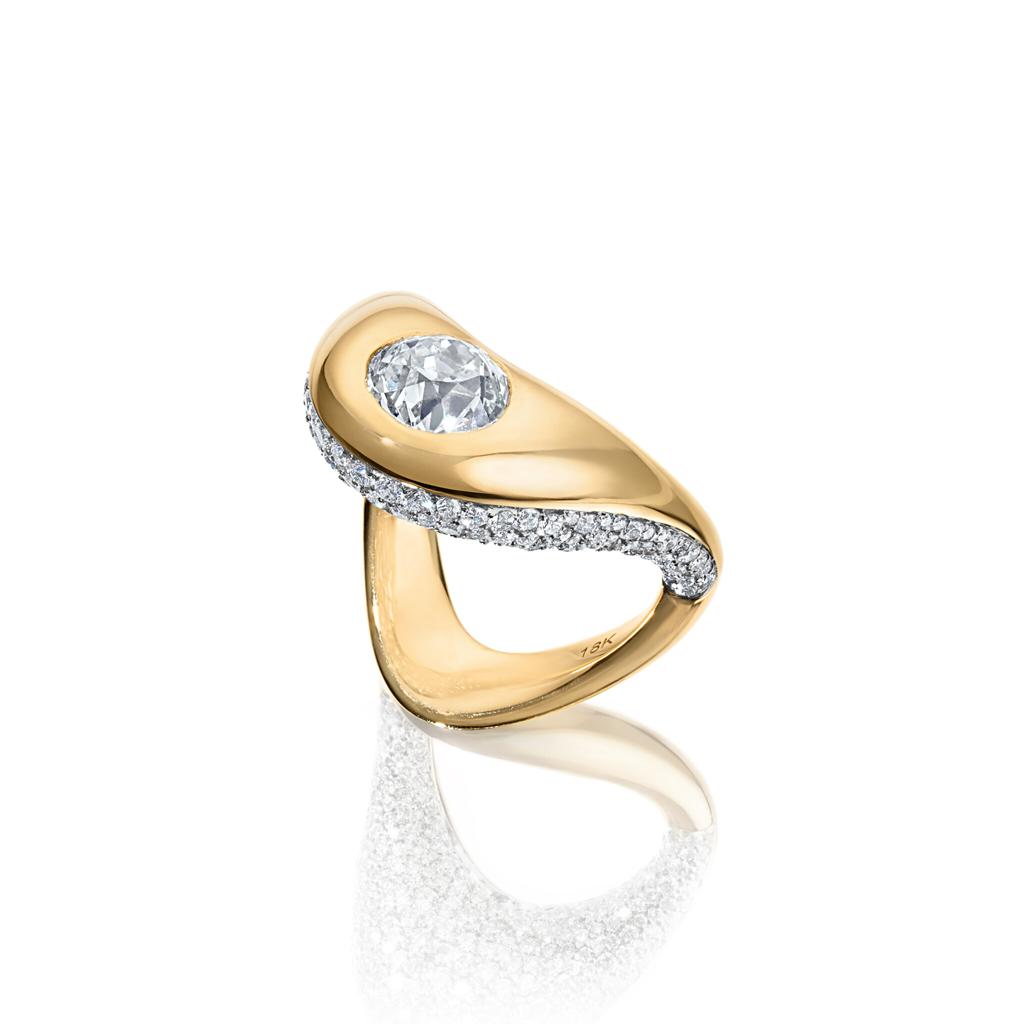
Across the luxury jewellery world, sculptural rings with flowing curves, sweeping twists and organic shapes are becoming one of the strongest design movements of recent years. Rather than relying on rigid symmetry, these contemporary creations celebrate movement, individuality and artistic craftsmanship.
Jewellery Inspired by Nature and Architecture
Today’s designers are finding inspiration everywhere from rolling ocean waves and winding rivers to modern architecture and abstract sculpture.
The result is jewellery that feels alive.
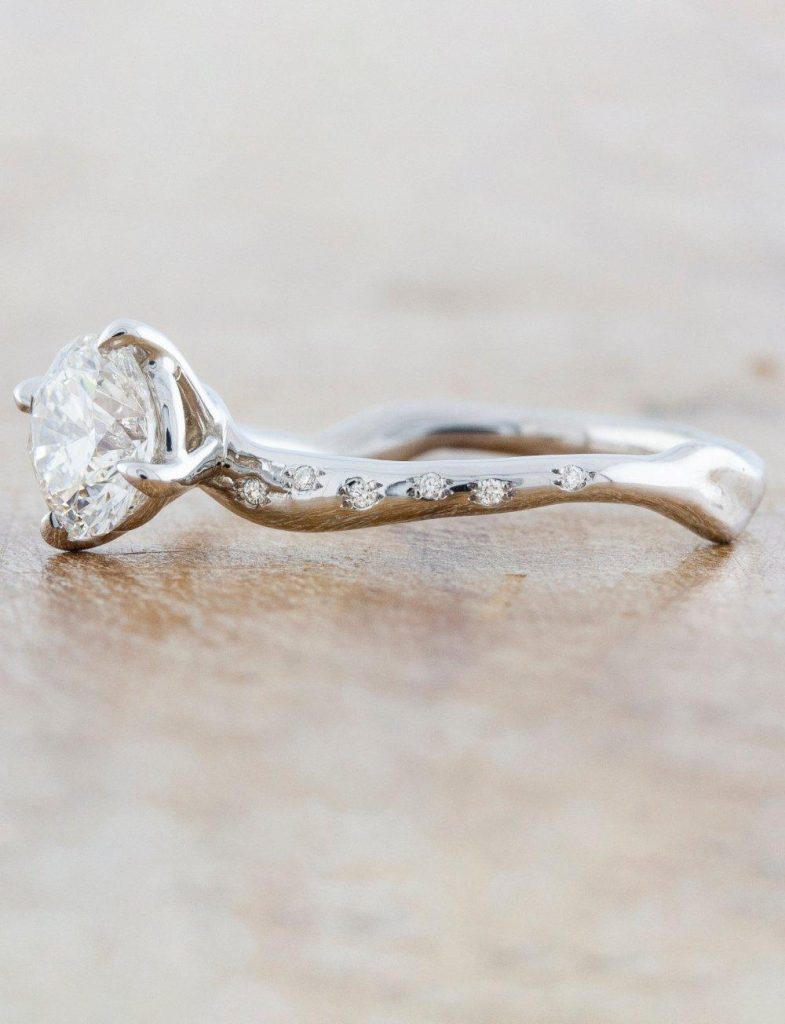
Instead of perfectly straight bands, precious metals sweep around the finger in elegant curves, creating rings that appear to flow naturally. Some designs twist gently around a single diamond, while others form dramatic sculptural silhouettes that make the jewellery itself as important as the gemstone it holds.
These pieces are designed to be viewed from every angle, revealing new lines, reflections and proportions with every movement of the hand.
Natural Diamonds Become the Centre of the Artwork
One reason these sculptural designs have become so popular is the way they showcase natural diamonds.
Curved settings create visual movement that naturally draws the eye toward the diamond. Open spaces within the design allow more light to enter the stone, enhancing brilliance and creating the illusion that the diamond is floating above the band.
This architectural approach transforms the diamond from simply being set into a ring to becoming part of a carefully balanced work of art.
Whether featuring a classic round brilliant, an elegant oval, a pear shape or an emerald cut, sculptural settings allow each diamond to appear more dynamic and distinctive.
Stackable Rings Continue to Grow in Popularity
Another driving force behind this trend is versatility.
Rather than purchasing a single ring that never changes, many buyers are building personal collections of curved bands that can be stacked together in different combinations.
Anniversary bands, eternity rings and special occasion pieces can all be added over time, creating a jewellery collection that evolves alongside life’s milestones.
Each additional ring becomes another chapter in the owner’s personal story, making the collection increasingly meaningful with every passing year.
A Move Towards Individual Expression
Consumers today are increasingly looking for jewellery that reflects their personality rather than following tradition.
While the classic solitaire remains one of the world’s most recognisable engagement rings, many couples now want something that feels unique without sacrificing elegance.
Soft curves and sculptural forms offer exactly that balance. They remain sophisticated and timeless while introducing an artistic edge that sets them apart from conventional designs.
This growing appreciation for individuality has encouraged independent designers and established luxury houses alike to experiment with increasingly innovative forms.
Pear Shapes and Fancy Diamonds Shine
Although white diamonds continue to dominate engagement jewellery, designers are increasingly incorporating fancy-coloured natural diamonds, champagne diamonds and other distinctive gemstones into sculptural settings.
Pear-shaped diamonds are particularly well suited to flowing designs. Their elegant silhouette naturally complements curved bands, creating a sense of motion while directing attention towards the stone’s brilliance.
Oval, marquise and elongated cushion cuts also work exceptionally well within these contemporary compositions.
Craftsmanship Matters More Than Ever
Creating a sculptural ring is considerably more challenging than manufacturing a traditional straight band.
Every curve must be carefully engineered to ensure comfort, structural integrity and precise diamond placement. The flowing lines must appear effortless while maintaining perfect proportions and durability for everyday wear.
This level of precision requires highly skilled jewellers capable of combining artistic vision with exceptional technical expertise.
The finest examples demonstrate that outstanding jewellery is not simply about the size of the diamond it is about the harmony between design, craftsmanship and the natural beauty of the stone.
The Future of Fine Jewellery Design
Sculptural diamond rings represent more than a passing fashion trend. They reflect a broader shift towards jewellery that is personal, artistic and designed to be treasured for generations.
As consumers continue seeking originality alongside timeless elegance, flowing curves, organic forms and innovative settings are likely to remain an important direction in contemporary fine jewellery.
For collectors and buyers alike, these designs prove that natural diamonds continue to inspire creativity, allowing master jewellers to transform precious stones into wearable works of art that are every bit as individual as the people who wear them.
Source: DCLA