
The natural diamond industry continues to adapt to one of the most significant changes in its modern history as laboratory grown diamonds reshape consumer buying habits and pricing expectations across the jewellery sector.
Laboratory grown diamonds, which possess the same chemical and physical properties as natural diamonds, have become widely available at substantially lower prices. Their rapid growth during and after the pandemic accelerated changes within the diamond market, placing considerable pressure on commercial quality natural diamonds and fundamentally altering consumer perceptions of value.
Rather than experiencing the short term disruption many industry observers initially predicted, the market has entered a period of structural change. Commercial grade natural diamonds continue to face pricing challenges, while exceptional natural diamonds remain highly sought after. Large, rare and unusually coloured natural diamonds continue to command strong premiums, reflecting the enduring importance of rarity and provenance.
Individuality Becomes the New Definition of Luxury
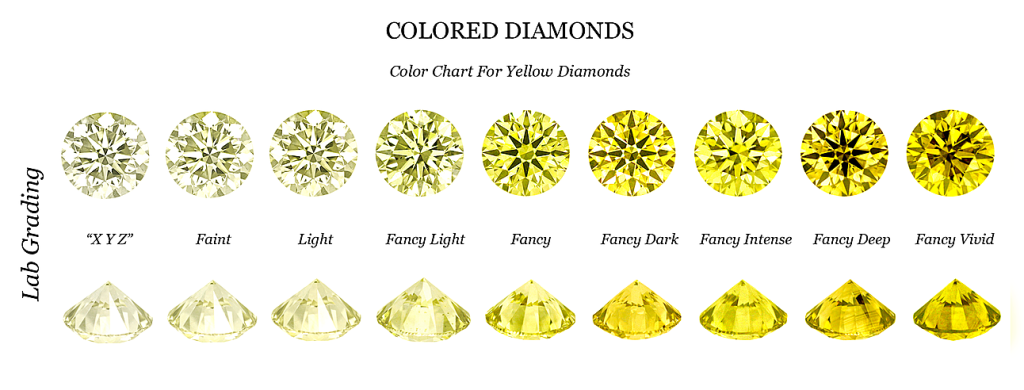
Alongside these broader market changes, consumer tastes are also evolving. While colourless diamonds have traditionally been regarded as the benchmark of quality, increasing numbers of buyers are now embracing diamonds with warmer colour tones.
Champagne, light yellow and other naturally warm coloured diamonds are attracting growing interest, particularly among younger consumers who value individuality and authenticity over traditional grading ideals. Rather than viewing warmer colours as imperfections, many now appreciate them as unique expressions of nature that offer distinctive beauty and excellent value.
This shift represents a broader change in luxury purchasing behaviour. Consumers increasingly seek jewellery that reflects personal style instead of conventional standards, creating new opportunities for naturally coloured diamonds that were once overlooked.
Celebrity Influence Reinforces the Trend
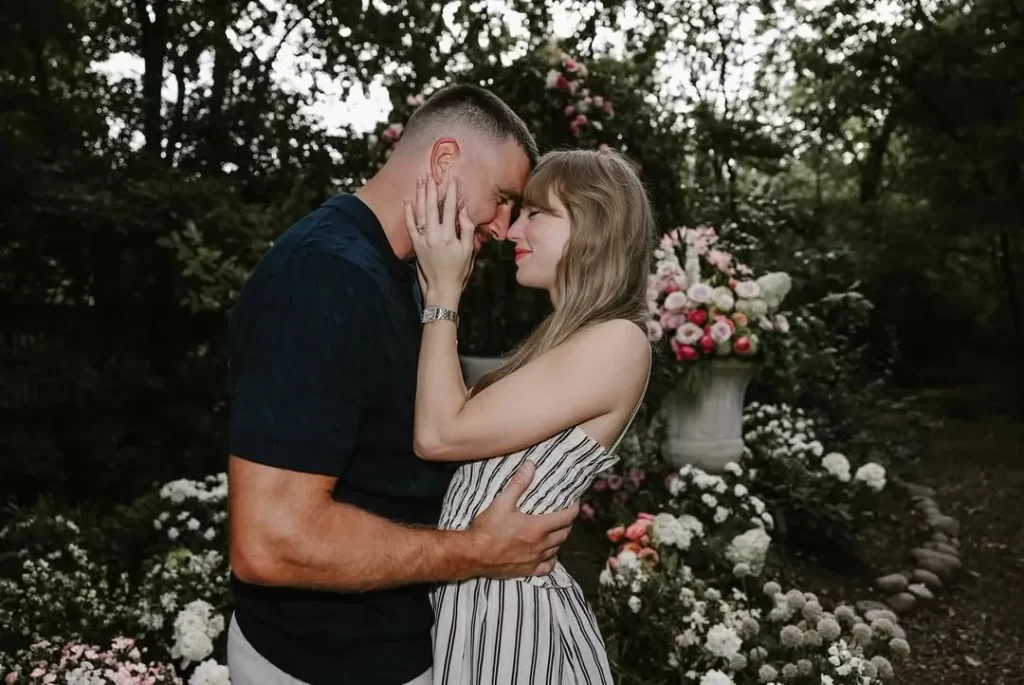
Celebrity engagement rings continue to influence consumer preferences, and one of the most discussed examples has been the engagement ring worn by Taylor Swift following her engagement to Travis Kelce.
Industry observers have noted that the distinctive natural diamond chosen for the ring has contributed to growing interest in unique diamond selections rather than traditional colourless stones. As personalised jewellery continues to gain popularity, engagement rings featuring warmer colour grades and distinctive characteristics are becoming increasingly desirable.
Natural Diamonds Continue to Differentiate Themselves
While laboratory grown diamonds have established a significant position within the jewellery market, they serve a different consumer proposition from natural diamonds. The rarity, geological origin and finite supply of natural diamonds remain their defining characteristics.
As the market continues to mature, the distinction between laboratory grown and natural diamonds is becoming clearer. Laboratory grown diamonds are increasingly viewed as a manufactured jewellery product, while natural diamonds continue to represent rarity, individuality and a unique connection to the Earth’s history.
For consumers, understanding these differences is becoming increasingly important. For the industry, transparency, education and independent grading remain essential to maintaining confidence in both categories.
DCLA continues to support the jewellery industry through independent diamond grading, accurate identification and consumer education, ensuring buyers have confidence in the products they purchase and the information they receive.
Source: DCLA




No comments:
Post a Comment