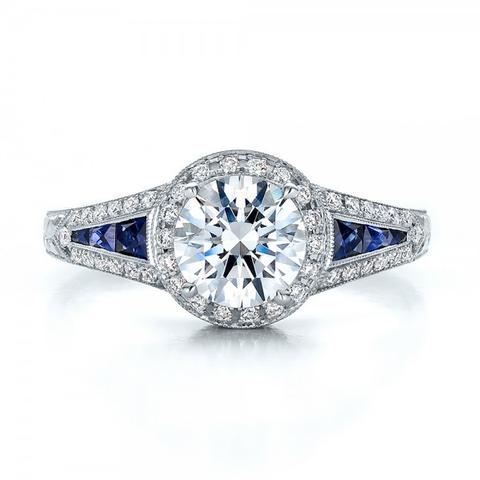
Has your engagement ring lost its brilliance? Don’t worry—your diamond hasn’t lost its sparkle. It simply needs professional guidance and proper care.
According to Michael Cohen, DCLA’s diamond cutting and polishing expert at the Diamond Certification Laboratory of Australia, diamonds can maintain their brilliance for thousands of years. However, everyday wear allows oils, soap residue, dust and environmental grime to accumulate on the surface, temporarily dulling the stone’s fire and scintillation.
“Diamonds are the hardest natural substance on earth, ranking 10 on the Mohs scale,” explains Michael Cohen. “They don’t lose their sparkle permanently. What happens is a build-up of residue that blocks light from entering and reflecting properly through the facets.”
The good news? A careful home clean can safely restore that brilliance.
Why Diamond Rings Lose Their Sparkle
Michael Cohen explains that daily exposure to skin oils, moisturisers, cosmetics, and dust causes a film to form on both the diamond and its setting. Over time, this build-up reduces light performance — the very element that makes a diamond appear lively and brilliant.
Regular maintenance prevents this dulling effect and keeps your diamond performing as it was originally cut to do.
Can You Clean a Diamond Ring at Home?
Yes — and you should.
“Routine at-home cleaning helps maintain optimal light return between professional inspections,” says Michael Cohen. “However, it must be done correctly to avoid damage to the setting.”
While home cleaning maintains appearance, annual professional inspections remain essential to ensure the security of the stones and integrity of the setting.
Safe DIY Cleaning Methods Recommended by Michael Cohen
1. Warm Water and Mild Dish Soap (Safest Method)
This is the preferred and safest home-cleaning method.
Steps:
- Mix warm (not hot) water with a drop of mild dishwashing liquid.
- Soak the ring for 15–20 minutes.
- Gently brush around the diamond and setting using a soft toothbrush.
- Rinse thoroughly in clean water.
- Pat dry with a lint-free cloth.
“This method effectively removes oil and debris without compromising the metal or diamond,” says Cohen.
2. Warm Water and Glass Cleaner Solution
A diluted glass-cleaner solution (three parts water to one part ammonia-based glass cleaner) can assist in breaking down heavier residue.
However, Michael Cohen cautions:
“Use sparingly and avoid frequent exposure, particularly with white gold or treated metals.”
3. Warm Water and Isopropyl Alcohol
Mix one part rubbing alcohol with three parts warm water and soak the ring for approximately 10 minutes. This helps dissolve oils efficiently.
Rinse thoroughly and dry completely before wearing.
Jewellery Cleaning Products
There are commercial jewellery cleaners available, but Michael Cohen recommends using simple household solutions unless advised otherwise by a professional jeweller.
“Overly aggressive commercial cleaners can sometimes affect delicate settings, especially pavé work.”
Common Mistakes to Avoid
Using Harsh Chemicals
Avoid bleach, chlorine, and strong household cleaners. These can damage metal alloys and weaken prongs.
Scrubbing Aggressively
Hard brushing can loosen claws and dislodge smaller accent stones.
Cleaning Over an Open Sink
Always clean over a bowl or with the sink plug in place to prevent loss.
Using Ultrasonic Cleaners on Pavé or Delicate Settings
Ultrasonic machines can loosen small stones in pavé or micro-set jewellery.
“Ultrasonic cleaners are effective but should be used under professional supervision, especially with intricate designs,” advises Cohen.
Special Care for Mixed Gemstone Rings
If your ring includes pearls, emeralds, opals, or other delicate gemstones, do not use standard cleaning solutions without professional advice.
“Some gemstones are porous or treated. They require specialised care,” says Michael Cohen.
Silver Bands Require Different Treatment
While gold and platinum respond well to soap-and-water cleaning, silver may require polishing solutions or a silver-specific cleaning cloth to restore its shine.
How Often Should You Clean Your Ring?
Michael Cohen recommends cleaning your engagement ring every two to four weeks, depending on wear.
“If you wear your ring daily, regular light cleaning prevents heavy build-up and maintains maximum brilliance.”
When to See a Professional
Even with proper at-home care, professional inspection is critical.
At least once a year, have your ring professionally cleaned and checked for:
- Loose stones
- Worn prongs
- Metal fatigue
- Structural integrity
“If you ever hear or feel movement in the stone, seek professional attention immediately,” advises Cohen. “A loose diamond can be lost far more easily than people realise.”
How to Keep Your Diamond Cleaner for Longer
Michael Cohen suggests:
- Removing rings during cooking, gym sessions, gardening, or beach visits.
- Avoiding contact with sunscreen and heavy moisturisers.
- Storing rings safely when not worn.
- Using small ring trays at home to encourage proper habits.
“Mindful wear dramatically reduces build-up and preserves the craftsmanship of the setting.”
Final Word
“Your diamond was cut to perform with precision and brilliance,” says Michael Cohen of the Diamond Certification Laboratory of Australia. “Proper cleaning allows light to enter and exit the stone as intended, restoring its fire, brilliance and life.”
With correct care and periodic professional inspection, your diamond ring will continue to shine for generations.